Home Blog Page 58

The Psychology of Crypto Trading: Understanding Market Trends

The cryptocurrency market is a complex ecosystem influenced by numerous factors, including technology, regulation, and market sentiment. However, one of the most significant influences on crypto prices is the psychology of traders. Understanding market trends in crypto trading requires delving into the psychological behaviors that drive trading decisions.

The Role of Emotions in Trading

Trading cryptocurrencies can evoke strong emotions among participants. Key emotions that significantly impact trading behavior include:

  • Fear: Fear of missing out (FOMO) can drive traders to make impulsive decisions, leading to buying at peaks.
  • Greed: As prices rise, the desire for profit can cloud judgment, causing traders to hold positions too long.
  • Anxiety: The volatility of cryptocurrencies may lead to increased anxiety, resulting in panic selling during market downturns.
  • Overconfidence: A streak of successful trades can lead to overconfidence, where traders take undue risks.

The Impact of Herd Behavior

Herd behavior is another psychological factor impacting crypto trading. When traders see others buying or selling, they may feel compelled to follow suit, often without conducting their own analysis. This collective behavior can lead to rapid price fluctuations and market bubbles.

Cognitive Biases in Trading

Several cognitive biases can further complicate decision-making in crypto trading:

  • Confirmation Bias: Traders may focus on information that confirms their existing beliefs, ignoring conflicting data.
  • Loss Aversion: The pain of losing is often greater than the pleasure of gaining, leading to reluctance in selling losing positions.
  • Anchoring Bias: Traders might anchor their decisions to a specific price point, making them less adaptable to changing market conditions.

Strategies for Psychological Resilience

To navigate the psychological challenges of crypto trading, consider the following strategies:

  • Set Clear Goals: Define your trading objectives and risk tolerance to guide your decisions.
  • Limit Exposure: Avoid investing more than you can afford to lose, which can help mitigate emotional stress.
  • Practice Mindfulness: Stay aware of your emotional responses and take breaks when feeling overwhelmed.
  • Educate Yourself: Continual learning about market trends and psychological principles can enhance your trading acumen.

Conclusion

Understanding the psychology of crypto trading is crucial for navigating this volatile market. By being aware of the emotional and cognitive biases that influence decisions, traders can develop strategies to manage their reactions and approach trading more rationally. As the crypto landscape continues to evolve, staying attuned to both market trends and psychological factors will be key to long-term success.

For more information, continue to visit our website

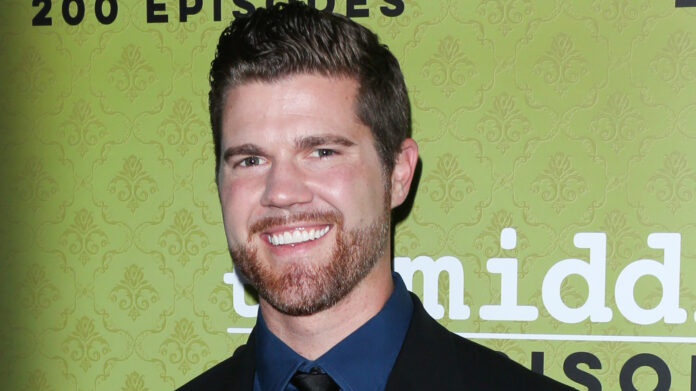
The Fate of Sean Donahue from The Middle

When a long-running sitcom finally comes to an end, it can sometimes be hard to see the show’s actors as anyone other than the characters they played. Yet most sitcom actors, like the casts of “Friends” and “Modern Family,” have gone on to further their acting careers by taking different roles. ABC’s underrated television gem “The Middle” aired for nine seasons, during which audiences came to know the Heck family and those close to them. For fans who wonder what happened to the cast of “The Middle,” many cast members, including both Heck parents, went on to pursue other acting opportunities. Fans of the show may also know what happened to Brick from “The Middle” and the other two Heck children, but what about other recurring characters on the show? 

While not a member of the Heck family, Sean Donahue became a familiar face on-screen as Axl Heck’s friend and Sue Heck’s eventual boyfriend. After “The Middle” ended in 2018, the life of the actor who played Sean Donahue, Beau Wirick, changed in a big way. He made a hard career pivot shortly after making a major move in his personal life. Wirick has largely stayed out of the spotlight since the family television series ended, but read on for all the details about what happened to Sean Donahue from “The Middle.”

Beau Wirick married his co-star the same year that The Middle ended

Beau Wirick’s role as Sean Donahue on “The Middle” afforded him more than just a chance to showcase his acting skills and gain public recognition; Wirick’s time on the family sitcom eventually led him to find love in real life as well. Around April 2017, Wirick began dating his co-star, Daniela Bobadilla, who played Sue Heck’s college roommate, Lexie Brooks, in later seasons of “The Middle.”

Ironically, Wirick and Bobadilla’s characters actually went on a date in one episode of ABC’s “The Middle,” but their characters did not end up a match for each other. In real life, the couple began dating four months after that episode. In the television series, Sean Donahue married Sue, but in real life, he fell for the actor who played her roommate, and Wirick and Bobadilla got married the same year as the finale of “The Middle.” The couple tied the knot less than two years after their first date in Malibu and got married on July 14, 2018, in Toluca Lake, California. Public details surrounding their big day are few, but in 2020, Wirick, who had taken a three-year break from posting on social media, shared the news on Instagram. He posted a picture of the two of them smiling on their wedding day and captioned the post, “I’m baaaaack! And I brought a friend.”

Beau Wirick reunited with the cast of The Middle for a good cause

The real reason why “The Middle” went off-air was not creative differences or major actors quitting the show. In actuality, it was a unanimous decision among the show’s creators that they wanted to go out while the show was on top. There were seemingly no bitter feelings among the actors, and the cast of the underrated television sitcom was clearly still on great terms when they reunited the year after the ABC sitcom was canceled.

For that 2019 reunion, the cast of “The Middle” participated in a World Vision initiative, running a 6K called Walk for Water. The 6K helped to raise funds for World Vision’s goal of building clean water wells in rural areas where people have to walk miles just to get water that is often not even clean. World Vision and the mom on “The Middle,” actor Patricia Heaton, hosted the event. Beau Wirick spent the day with his former co-stars, including his off-screen wife Daniela Bobadilla and his on-screen mom, actor Jen Ray, who played Nancy Donahue. Wirick was all smiles in the photo his wife shared to Instagram as he helped raise awareness about the need for clean water. The cast donned bright orange matching shirts and carried a 40-pound jerrycan of water to learn firsthand the strength it takes to carry that amount of water daily, a necessity for women and children in some places without access to water.

The actor did a YouTube special with his real-life wife about how they met on the set of The Middle

For the two-year anniversary of the finale of “The Middle” in May 2020, the actor who played Sean Donahue did a tribute to the show in a video with his wife. The couple filmed a YouTube video, sharing their memories from the set of the television show, including how they met. While the video is no longer publicly available, Daniela Bobadilla shared some clips from the longer video on Instagram.

In the video, Beau Wirick and his wife revealed how one of their co-workers clocked that they were dating before they had even told anyone or posted any pictures indicating that they were romantically linked. At the time, the pair worried that their workplace romance could end up getting them fired, but luckily, that was not the case. Still, the couple did not go public with their relationship immediately. Bobadilla described them as two giddy school kids on set and said, “It was fun to try to be secretive.” Wirick acknowledged with a laugh that they were not great at hiding their relationship at the time, and it came to light eventually. In the video, there is also a clip of actor Patricia Heaton sharing the news of Wirick and Bobadilla’s engagement with the rest of the cast of “The Middle” at a table read. The announcement was met with cheers from their fellow co-stars, and their relationship has seemingly been going strong ever since.

Beau Wirick was part of a live stream about the COVID-19 response

Patricia Heaton, who played Frankie Heck on “The Middle,” may not have been Sean Donahue’s mom in the show, but outside of the show, she brought the cast together like a family. Heaton helped wrangle her co-stars, Beau Wirick included, together for a good cause on multiple occasions. Two years after the cast of “The Middle” reunited for World Vision’s 6K, she organized another project with the foundation.

In July 2020, Wirick joined an online stream hosted by Heaton about providing clean water and handwashing stations to those in need. The actor who played Sean Donahue in “The Middle” was joined by his on-screen mom as well as his off-screen wife, just like at the previous charity event. However, in order to keep everyone safe, this event was a virtual one because it was held during the height of the COVID-19 pandemic. During the stream, Wirick encouraged others to help those in need of clean water for drinking and handwashing. Wirick has not been shy about his associations with World Vision and posted to Instagram encouraging his followers to set their calendars and tune into the live stream for a worthy cause.

The Middle actor embarked on adventures with his wife

Just as Sue Heck and Sean Donahue embarked on various adventurous dates together on “The Middle,” so did actor Beau Wirick and his real-life wife and former co-star from the ABC family sitcom, Daniela Bobadilla. In February 2022, Bobadilla shared a post to Instagram in honor of Valentine’s Day. The post featured several snapshots of the couple’s travels and adventures together. While some married couples may fall into a standard routine of weekends spent watching television on the couch, that is seemingly not the case for Wirick and his wife. Judging from their many smiling pictures outside, the couple leads an exciting life together. Bobadilla wrote in the Instagram caption, “Life is truly an adventure best navigated with loved ones. … Thank you for being the best adventure partner a girl could ask for.” She gushed that Wirick is her “forever valentine.”

One image in the series of photos Wirick’s wife shared showed the two of them by a tent in the woods camping together, and another snapshot was of the duo kayaking together. The couple’s daring adventures even took them off the ground; they smiled in another selfie taken during a helicopter ride together. Another image in the post showed Wirick and Bobadilla side by side on a plane jetting off to some unknown adventure. At the end of her caption, Bobadilla teased another adventure that the two of them recently embarked on: acting together once again.

The actor who played Sean Donahue briefly returned to the screen

After “The Middle” ended in 2018, the actor who played Sean Donahue put his acting career on pause for almost five years. However, Beau Wirick returned to the big screen in 2023 for the first time since the ABC family sitcom ended. He starred in a television romance movie called “The Happy Camper” alongside his wife, Daniela Bobadilla. While the couple’s characters did not end up romantically involved on “The Middle,” they got to showcase their real-life love in this movie, and their connection shone through on-screen.

In a post, Bobadilla shared to Instagram of the two of them posing for promotional pictures for the film, she expressed how excited she was that they were acting together again. She wrote, “Getting to work and fall in love with Beau Wirick all over again is a dream I didn’t think was possible!” In the romantic movie, Wirick starred as the owner of a local hardware store. Filmed on location in Colorado, “The Happy Camper” follows Wirick’s character as he finds love with Bobadilla’s character while they are restoring a vintage camper van together on a farm. Although Wirick never confirmed that he took the role because it allowed him to act with his wife again, it seems like more than a coincidence that his first acting role in years was alongside his former co-star on “The Middle.”

Beau Wirick had a drastic career change after The Middle ended

When many kids were still figuring out what they wanted to be when they grew up, actor Beau Wirick was already living his dream, or so he thought. Although he began acting when he was only 12 years old and starred in a film in 2023, Wirick announced a major career change in January 2024. The actor who played Sean Donahue on “The Middle” revealed in a LinkedIn post titled “My Second Act: Leaving Behind My Dream to Follow My Passion” that he realized he was not passionate about acting despite working in the industry for almost two decades. Instead, Wirick made a drastic career pivot to become a financial advisor, a position that is a far cry from a life in the spotlight. The actor-turned-financial expert divulged that he had been working at Morton Wealth for over a year at that point and was named director of financial planning at the company, according to his LinkedIn page.

“I’m passionate about helping people, and I’m obsessed with the industry of finance,” Wirick explained in the blog post. He noted that he chased his dream of acting for 20 years but realized it was not actually his passion. “After 9 seasons on ‘The Middle,’ my dream had been fulfilled. But my passion had been hidden away, dormant,” Wirick wrote. He initially felt it was too late to switch career paths because he was already in his 30s, but he did and is now living his true passion of helping people navigate financial decisions.

Sean Donahue from The Middle hung out with his former co-stars

Beau Wirick is not the only actor from “The Middle” who has changed since his time on the ABC sitcom. Brad Bottig from “The Middle” is unrecognizable now, and Sue Heck, played by Eden Sher, has had a stunning transformation from childhood to now. In 2024, the trio reunited in person and looked drastically different from the children they once portrayed on the show, which catapulted all of them to fame. Wirick hung out with his two former co-stars for an episode of “Middling With Eden and Brock,” a podcast where Sher and the actor who played Brad rewatch old episodes of the show.

The podcast shared an Instagram video the three former co-stars made together. In the short clip, the actor who played Brad, Brock Ciarlelli, sits near Sher on a couch with his arm wrapped around her before Wirick walks into the frame. He jokingly puts his arm around Sher instead and shoos actor Brock Ciarlelli away. During the series, Brad went from Sue’s boyfriend to her best friend, and the caption overlaying the video reflects their characters’ dynamic. “When Brad loves Sue but Sean’s the one with the ring,” the text read. Although “The Middle” had been off the air for over half a decade when they filmed the video, the actors clearly still enjoy spending time together.

Beau Wirick starred in a Christian film

Although Beau Wirick realized that acting was no longer his passion in life, the actor who played Sean Donahue on ABC’s “The Middle” eventually had a role in another film again. Wirick played the character of Matt in the Christian drama “Unsung Hero,” which premiered in Tampa, Florida, in April 2024. Lionsgate Entertainment produced the movie, which is based on a true story about the Smallbones, an Australian family who moved to the United States.

Set in the 1990s, “Unsung Hero” tells the story of how a financially struggling family moved to Nashville, Tennessee, after their father’s business as a concert promoter failed abroad. Despite their struggles, the family stayed united through their faith. The Smallbone kids eventually become Christian music stars Rebecca St. James and For King and Country. Although Wirick’s role in the film was a small one, the fact that he acted in it at all after pursuing a career in finance shows that for the right project, Wirick may just surprise fans on-screen once again in the future. For now, he seems content with his quieter, post-“Middle” life.

The semi-retired actor embraced his grays

Audiences watched for almost 10 years as Sean Donahue grew from a football-obsessed teenager to a young adult married to Sue Heck on “The Middle.” While all the cast members have changed over the years, Beau Wirick’s hair transformation is one of the most notable in terms of physical appearance. Although he has tended to stay out of the spotlight since “The Middle” ended, the pictures he and his wife, Daniela Bobadilla, share on social media reveal that his hair has changed color from its natural brown.

Since his time playing Sean Donahue on the ABC Family sitcom, the former actor has grown a beard and embraced natural aging. When gray hairs started to pepper his head and beard, he decided to live with his naturally graying hair rather than dye it. Wirick has gone grayer by the year, and he may be well on his way to becoming a silver fox. While his beard is still more salt and pepper as of 2026, there is no telling when he may go full gray and join the list of celebrities who look stunning with gray hair.

Stay-tuned with us on our website

LeBron James’ NBA Ownership Dreams Dim as Partners Decline Expansion Bid

Ten years ago this August, LeBron James first publicly declared his interest in owning an NBA team. And nearly four years ago, he said he wanted his team to be in Las Vegas.

With the league set to take a big step next week toward placing teams in both Las Vegas and Seattle, James’ decade-long dream is dwindling.

Fenway Sports Group, James’ business partner since 2011 that owns both the Boston Red Sox and English Premier League soccer giant Liverpool, is not currently interested in pursuing the likely expansion opportunity in Las Vegas, two sources with direct knowledge of the firm’s intentions told The Athletic. One of those sources, who was not authorized to speak publicly for Fenway, said the global sports investment firm was out on NBA ownership in Las Vegas because of the expected cost — the league is reportedly seeking expansion fees as high as $8 billion per team.

FSG was long expected to be James’ primary financial backer in his stated desire to be an NBA team owner, and because of that, a source close to James said, “With Fenway no longer pursuing NBA ownership, it is less likely that LeBron will pursue a team.”

A spokesperson for FSG declined to comment to The Athletic.

James, 41, who still stars for the Los Angeles Lakers as a player, is worth $1.4 billion as of Wednesday, according to Forbes. But his personal worth is not nearly high enough to cover the cost of the expansion fee, and he was always going to need to join a team of investors to make his bid come true.

He has relationships with wealthy business owners and conglomerates beyond FSG. For instance, LeBron made a trip to Saudi Arabia in 2023, where he was the guest of the country’s Ministry of Sport, a collaborative partner of the Saudi Public Investment Fund. But current NBA rules do not allow sovereign wealth funds to own more than 20 percent of a team.

As an aside, James would first need to retire to launch a bid for team ownership. He is undecided if he will play in 2026-27, and with the NBA reportedly eyeing the fall of 2028 as a potential launch for the new teams (if the NBA ultimately approves expansion), the timeline would either be very tight or impossible for James to find new investment partners and submit a bid.

On Aug. 17, 2016, James sat for an interview on the “Open Run” podcast, which belonged to the digital media platform he owns called Uninterrupted, and said to the show hosts, “My dream is to actually own a team.” Nearly a year later, in an interview with The Athletic, James said, “Why do I want to own a team? I think it’ll be cool. I’ll stay part of the game and still be able to put people in positions of power. I’ve always loved that, putting people in a position of power to feel like they can make a change and make things happen.”

In 2019, he told reporters, “ain’t no maybe about it, I’m going to do that s—” and in June 2022, he said on his long-running TV and digital show, “The Shop,” that “I want a team in Vegas. I want the team in Vegas.”

But FSG was always a part of his grand plan for NBA ownership, and it seems it could take a change of heart by the firm, or a rule change by the league, for his plan to move forward.

The partnership with FSG is one of James’s most prominent investments and relationships in sports. He is an equity stakeholder in FSG and has a far-reaching relationship with the investment firm. They have worked together since 2011, when Fenway Sports struck a deal with James’ management company LRMR Ventures on a global marketing and sponsorship deal that included a 2 percent ownership stake for James in Liverpool.

James joined FSG as a partner in 2021 and took a 1 percent stake in the firm, which gave him a partial ownership stake in the Red Sox and Roush Fenway Racing, as well as other Fenway Sports Group properties. Maverick Carter, James’ longtime friend and business partner, is also a partner in the firm. They received more equity in FSG in early 2023, the firm said.

Fenway was founded and run by John Henry, the Red Sox owner. The company’s chairman is Tom Werner, an acclaimed television producer and businessman who had a business relationship with Paul Wachter, who is James’ financial adviser. RedBird Capital bought a share of FSG in 2021 and valued the company at $7.35 billion. RedBird is one of the controlling shareholders of Paramount, was an architect of the acquisition of WBD and is one of the largest holders of sports media rights. Fenway owns numerous sports properties beyond the Red Sox and Liverpool, and it had owned the Pittsburgh Penguins until it sold the NHL club this year at a valuation of roughly $1.7 billion.

As for the NBA’s process, team governors will vote during a March 25 meeting on whether to give the NBA the green light to formally evaluate Las Vegas and Seattle as potential expansion markets, The Athletic and other outlets reported Monday.

If, as expected, the motion passes, commissioner Adam Silver’s office would solicit formal bids from prospective ownership groups, study them, and make final proposals to the existing league owners for approval. Expansion would ultimately need to be approved by a vote of 23 of the league’s 30 team owners.

NBA franchise values have leapt significantly over the last half-decade. Several years ago, sports financiers and investors estimated that a new NBA franchise could fetch $5 billion, but that was before the Boston Celtics sold for $6.1 billion and the Los Angeles Lakers were bought for $10 billion.

More related updates, Click here

Protecting Your Digital Assets

As the popularity of cryptocurrencies continues to soar, so does the importance of protecting your digital assets. Cybersecurity in the crypto world is paramount, as hackers and malicious actors are constantly seeking vulnerabilities to exploit. This article will explore essential strategies and best practices for safeguarding your cryptocurrencies.

The Importance of Cybersecurity in Crypto

With billions of dollars in digital currencies at stake, strong cybersecurity measures are essential. Breaches can lead to significant financial losses and the compromise of personal information. Unlike traditional banking systems, the decentralized nature of cryptocurrencies means that once funds are stolen, it can be nearly impossible to recover them.

Common Threats in the Crypto Space

  • Phishing Attacks: Fraudulent emails or websites designed to trick users into revealing their private keys or login credentials.
  • Malware: Malicious software that can steal your data or access your crypto wallets.
  • Exchange Hacks: Attackers targeting cryptocurrency exchanges to steal funds from users.
  • Ransomware: A type of malware that locks your files until a ransom is paid, which can include demands for cryptocurrency.

Best Practices for Protecting Your Digital Assets

1. Use Hardware Wallets

Hardware wallets are physical devices that store your cryptocurrency offline, making them much less susceptible to hacking. Use reputable brands and ensure you keep your device safe from unauthorized access.

2. Enable Two-Factor Authentication (2FA)

Implementing 2FA adds an extra layer of security by requiring two forms of verification before accessing accounts or making transactions. Use authenticator apps rather than SMS for better security.

3. Be Wary of Phishing Attempts

Always verify the authenticity of emails and websites. Avoid clicking on links from unknown sources and check for secure URLs (look for “https://”).

4. Keep Software Updated

Regularly update your wallet software, antivirus programs, and operating systems to protect against known vulnerabilities.

5. Use Strong, Unique Passwords

Create strong passwords that include a mix of letters, numbers, and symbols. Use a different password for each account and consider using a password manager.

6. Be Cautious with Public Wi-Fi

Do not access your crypto accounts over public Wi-Fi. Use a VPN to encrypt your internet connection when necessary.

Conclusion

As the cryptocurrency space evolves, so too do the threats against it. Protecting your digital assets requires diligence, awareness, and proactive measures. By adopting best practices and staying informed, you can help safeguard your investments in this exciting, yet risky, digital frontier.

Further Reading

For more information on cybersecurity in the cryptocurrency space, consider exploring the following resources:

Stay-tuned with us on our website

Top Intelligence Insights Shared by Tulsi Gabbard

Washington, DC – Tulsi Gabbard, the director of US National Intelligence, said that the United States intelligence community had assessed that Iran was not rebuilding its nuclear enrichment capabilities following US and Israeli attacks last year.

The revelation on Wednesday appeared to undercut one of President Donald Trump’s key justifications for joining Israel in launching the latest war against Iran.

Recommended Stories

list of 3 itemsend of list

Trump and his top officials have repeatedly cited Iran’s nuclear ambitions as one of the main reasons for abandoning ongoing diplomatic talks in favour of military action.

“As a result of Operation Midnight Hammer,” Gabbard said in written testimony to the Senate intelligence committee, referencing the June 2025 US strikes on Iran’s nuclear facilities, “Iran’s nuclear enrichment program was obliterated”.

“There have been no efforts since then to try to rebuild their enrichment capability,” Gabbard said in the written testimony.

Notably, Gabbard did not read that portion of her testimony, which was provided to members of the committee, during her publicly televised oral testimony. When pressed on why she omitted the portion, Gabbard said simply that she did not have enough time. She did not deny the assessment.

“You chose to omit the parts that contradict Trump,” Senator Mark Warner, a Democrat, responded.

Trump has repeatedly said the June 2025 attacks, which came at the end of a 12-day war between Israel and Iran, had “obliterated” Iran’s nuclear capacity, even as he warned that Iran’s alleged nuclear ambitions presented an immediate threat to the US.

Tehran has for years denied it is seeking a nuclear weapon. Nuclear and arms monitors have maintained that even if Tehran were seeking a nuclear weapon, it did not represent a short- or medium-term threat.

The foreign minister of Oman, who had mediated the latest round of US-Iran indirect nuclear talks ahead of the war, has refuted Trump officials’ claims that the most recent negotiations were not yielding any progress.

The Guardian newspaper also reported this week that the United Kingdom’s national security adviser, Jonathan Powell, had attended the final session of talks and assessed that the Iranian position did not justify an immediate rush to war, citing sources familiar with the situation.

The administration has not settled on any single justification for launching the war, also pointing to Iran’s ballistic capabilities, its potential threat to Israel and US forces in the Middle East, and the totality of the Iranian government’s actions since the 1979 Islamic Revolution.

The concept of an “imminent threat” is significant in determining the legality of Trump’s decision to strike a sovereign country under international law.

It is also significant for US domestic law, under which presidents can commit the military only in instances of immediate self-defence. Only Congress can officially declare war or authorise extended military campaigns.

Iran’s government ‘intact but largely degraded’

The White House said earlier this week that Iran’s ballistic missile capacity was “functionally destroyed”, with the Iranian navy “effectively destroyed” and the US and Israel dominating the country’s airspace.

Experts have assessed that Iran still maintains the military capacity to inflict significant damage in the region, and it has continued to wield its military influence over the Strait of Hormuz.

Gabbard, meanwhile, offered a more sober assessment than the White House, saying that despite the killings of Iranian supreme leader Ayatollah Ali Khamenei, top military officials, and most recently the head of the Supreme National Security Council, Ali Larijani and the intelligence minister, Esmail Khatib, “the regime in Iran ⁠appears to be intact but largely degraded by Operation Epic Fury”.

“Even so, Iran and its proxies remain capable of and continue to attack US and allied interests in ⁠the Middle East. If a hostile regime survives, it will seek to begin a years-long effort to rebuild its missiles and UAV [drone] forces,” she said.

Gabbard also listed Iran, alongside Russia, China, North Korea and Pakistan, as among the countries “researching and developing an array of novel, advanced, or traditional missile delivery systems, with nuclear and conventional payloads, that put our homeland within range”.

The Washington, DC-based Arms Control Association has said that US intelligence as of 2025 had said it may take Iran until 2035 or longer to develop a missile capable of hitting the US, if it did indeed seek to do so.

High-profile resignation

Gabbard spoke a day after a top official in her agency, Joe Kent, the director of the US National Counterterrorism Center, resigned in opposition to Trump’s war with Iran.

In his resignation, Kent said that Iran “posed no imminent threat” to the US and that Trump’s decision to enter the war went against his “America First” pledges.

Kent is the first high-profile member of the Trump administration to step down in response to the war.

Gabbard herself had previously been a vocal opponent to indefinite military engagement in the Middle East and war with Iran. A former member of the US House of Representatives from Hawaii, she left the Democratic Party and supported Trump, in part, due to his anti-war vows.

However, in a post on X on Tuesday, Gabbard defended Trump’s decision to go to war.

“As our Commander in Chief, he is responsible for determining what is and is not an imminent threat, and whether or not to take action he deems necessary to protect the safety and security of our troops, the American people and our country,” she said.

She said her agency’s role was to funnel US intelligence to Trump.

“After carefully reviewing all the information before him, President Trump concluded that the terrorist Islamist regime in Iran posed an imminent threat and he took action based on that conclusion,” she said.


Visit our website for cool news and cool tips

Choosing the Right One for Your Needs

As digital currencies continue to gain popularity, understanding how to securely store and manage your assets is crucial. This is where cryptocurrency wallets come into play. But with a variety of options available, how do you choose the right one for your specific needs?

What is a Cryptocurrency Wallet?

A cryptocurrency wallet is a software or hardware tool that allows you to store and manage your digital assets. It doesn’t actually store your cryptocurrency; instead, it stores your public and private keys, which are required to conduct transactions on the blockchain.

Types of Cryptocurrency Wallets

  • Hot Wallets: These are connected to the internet and are typically more user-friendly but less secure. Examples include exchanges and mobile wallets.
  • Cold Wallets: These are offline and provide a higher level of security. Hardware wallets and paper wallets fall into this category.

Factors to Consider When Choosing a Wallet

  • Security: Look for wallets that offer features like two-factor authentication (2FA), encrypted private keys, and backup options.
  • Control: Decide whether you want to maintain full control over your private keys. Non-custodial wallets give you this control, while custodial wallets do not.
  • User Experience: Consider the wallet’s interface and ease of use, especially if you are a beginner.
  • Supported Currencies: Make sure the wallet you choose supports the cryptocurrencies you intend to store or transact with.
  • Reputation: Research user reviews and community feedback to gauge the reliability of the wallet.

Popular Cryptocurrency Wallets

Here are a few well-known cryptocurrency wallets to consider:

  • Ledger Nano S: A highly secure hardware wallet that supports a wide array of cryptocurrencies.
  • Exodus: A user-friendly software wallet with an attractive interface, supporting multiple currencies.
  • Coinbase Wallet: A hot wallet connected to the popular exchange, ideal for beginners.
  • Mycelium: A mobile wallet favored by Bitcoin users for its advanced features and privacy controls.

Conclusion

Choosing the right cryptocurrency wallet is a personal decision that depends on your needs, preferences, and experience level. Assessing the security, control, user experience, supported currencies, and reputation of a wallet can help you make an informed choice. As with any financial decision, do your research and consider starting with a small amount before making larger investments.

Additional relevant updates

‘Grateful for Every Moment’

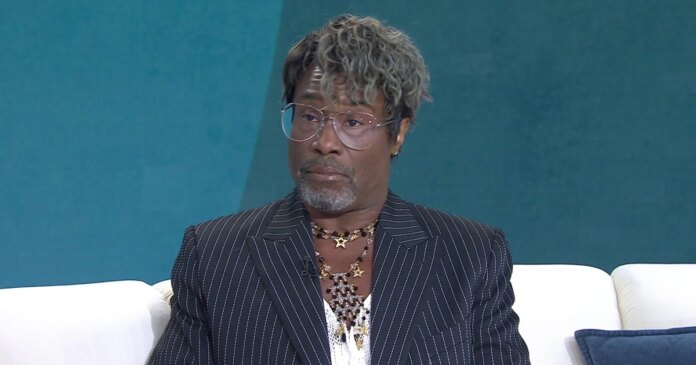
Billy Porter held back tears on TODAY and said it was “a gift to be alive” as he recalled a bout of sepsis that left him in a coma for three days last fall.

Porter, 56, was slated to perform as Emcee for 13 weeks in a Broadway revival of “Cabaret” when he was felled in September 2025 by sepsis, when the body’s response to an infection turns life-threatening, according to Mayo Clinic. The production cut its run short after Porter had to withdraw from the show.

Sepsis can result in a rapid drop in blood pressure and cause damage to the lungs, kidneys, liver and other organs, per Mayo Clinic.

Porter opened up on TODAY on March 17 about the ordeal. He said it began with a urinary infection that was “not treated properly,” and the infection spread to his kidneys.

“Ended up with kidney stones stuck in the urethra, infection bubbled up into my bloodstream, urosepsis, ECMO machine, three days in a coma, compartment syndrome in my leg,” Porter recalled.

An ECMO machine takes over heart and lung function so the organs can rest and recover in life-threatening situations. Compartment syndrome is a painful condition where pressure reduces blood flow to muscles and nerves, according to Cleveland Clinic. It’s most common in legs and can be a medical emergency.

“Really, really serious,” Porter said. “I am on the road to complete recovery. It is a gift to be alive. It’s still emotional to talk about it, and I’m just really happy to be here.”

Porter had previously played Emcee in the show’s West End production from Jan. 28, 2025, through May 24, 2025, per Playbill. He was starring opposite Marisha Wallace as Sally Bowles in the fall production of the show before his hospitalization.

The multitalented Porter, whose new children’s book, “Songbird in the the Light,” was released on March 17, has taken his survival as a sign to push to achieve even more.

“It’s been really mind-altering — also inspiring,” he said. “My work here on this Earth is not done, and that gives me hope.”

Given his success as a writer, director, fashion luminary and screen and stage actor, Porter was asked what’s next for him after surviving the health scare.

“You know, I’m trying to rule the world,” he said. “I have a production company. I’m trying to create my own material, create my own work from the perspective of where I lean, which is love and hope. I’m a hope guy. We choose it. We choose love. We choose hope. We choose peace. We choose joy, and I’m working on that.”

To find out more, keep on visit our website

The Return of Samara Weaving

They say every time Samara Weaving belts out her one-of-a-kind scream in a horror film, an angel gets its wings. Or, as would be more accurate for the genre, a devil gets its horns. This was true in “Ready or Not,” the darkly, devilishly fun 2019 horror romp where Weaving played Grace, a working-class woman who marries into a wealthy family desperately maintaining their iron grip on money and power via a deal with the mysterious Mr. Le Bail, who, as it turns out, is the literal embodiment of Satan. 

However, putting aside the prince of darkness, the standout of the film was Weaving as she cemented her status as a memorable modern scream queen and joyously compelling action star. Her aforementioned scream, in particular, remains an all-timer, feeling like it is exorcising a deep, primal fear just as it rattles you in your seat. Much as Grace had to battle her way through a nightmarish game of hide and seek where she must survive being hunted by her murderous new “family” until sunrise, Weaving was able to fight against most of that film’s prevailing limitations and come out on the other side in one piece. Even when everything then went to bloody pieces all around her, resulting in a wonderfully gruesome and explosive gag of an ending, she held it all together.

Co-director Daniel Roher (along with Charlie Tyrell) during the production of THE AI DOC: OR HOW I BECAME AN APOCALOPTIMIST, a Focus Features release.Credit: Courtesy of Focus Features. © 2025 All Rights Reserved.

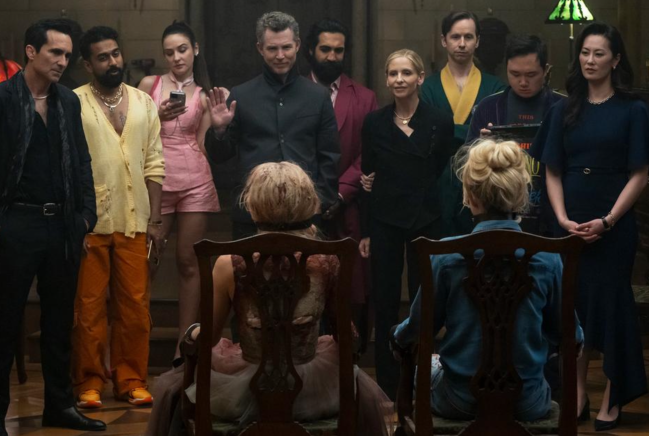
One would think that another film that provided more of Weaving, her boundless charisma, sly humor, and shattering scream would be tough to fumble. Yet somehow “Ready or Not 2: Here I Come,” a surprisingly safe sequel that picks up right where its predecessor left off yet goes in disappointingly few new interesting directions of its own, manages to do plenty of fumbling. It’s bigger and boasts a larger ensemble, including those played by Sarah Michelle Gellar, Shawn Hatosy, and, briefly, a delightful David Cronenberg, whom Weaving must again do battle with. Though just as the scope expands, the creativity shrinks, leaving Weaving having to do even more heavy lifting as the film merely feels like it’s going through the motions we’ve all already seen done better the first time. It’s got more moments of properly gruesome silliness, but little in the way of meaningful thematic bite, engaging action, or well-shot horror. While Weaving is sensational once more, managing to make the most of what little she has to work with through almost a sheer force of will, it’s a film you’d rather just say “not” to, while sticking with the original. 

Directed by the returning duo of Matt Bettinelli-Olpin and Tyler Gillett from a screenplay by the also-returning Guy Busick and R. Christopher Murphy, the film opens where “Ready or Not” closed with the great in-laws’ kicker. This line, which could have easily felt like a hacky, womp womp comedy moment, was given life via the wearied and deadpan manner with which the blood-covered Weaving delivered it, ensuring that it wrapped back around to being genuinely inspired. Such inspiration is profoundly lacking here as “Ready or Not 2” immediately finds itself awkwardly building off of this by showing Grace then passing out following this joke and being taken to a hospital. With each shock of a defibrillator, we catch brief glimpses of memorable, more genuinely menacing highlights from the first film. This second one doesn’t do itself any favors by reminding us of the strengths that made its predecessor such a hit, but there is at least something effectively streamlined about how it drops these reminders into the opening. Alas, we then arrive at a hospital where everything grinds to a halt, and we get an exposition dump on everything that happened before this anyway. The film keeps explaining itself to you over and over, though rarely do you actually feel anything like the jolt of energy the first had.

It’s at the hospital where Grace is soon interrogated by a detective, who at first, looks almost like he’s being played by Jemaine Clement (unfortunately, he isn’t), reconnects with her estranged sister, Faith (Kathryn Newton), who she still had as her emergency contact, explains what it was that happened to her, and then gets roped back into the same cat-and-mouse game she just only barely survived. Only this time, it’s not marriage that’s on the table, but the High Seat of the Council (which basically provides control of the world) that four families are now trying to take for themselves. Whoever kills Grace and Faith will be the one sitting in the chair, though, again, if they survive til sunrise, all of the rival family members will explode into bloody pulp. We see plenty more of these explosions, but where the first film used them as an incredibly satisfying payoff, the sequel keeps going back again and again to the bloody well to diminishing results.

Much of this, save for a smattering of more darkly playful jokes, like one where we see how Cronenberg’s bedridden patriarch can wield immediate power with a single phone call, or everything surrounding Elijah Wood’s wacky little evil lawyer overseeing it all, proves oddly tiresome. Where “Ready or Not” pretty much got right down to the fun, “Ready or Not 2” does more stumbling about, punctuated with bloody explosions that don’t quite hit as hard as they did the first time. That it treats the original film with a strange reference, including in one baffling scene where Grace dons her bloody wedding gown and yellow high-top shoes like she’s a superhero suiting up for battle, just further strains credulity when it doesn’t put in the same work to making a case for its own existence. Where “Ready or Not” felt genuinely fresh and fun in how it smashed together familiar genre elements, “Ready or Not 2” just rinses and repeats so much of it. It’s not ever really scary or tense with the greatest fear you feel coming not from the film, but from its creators who seem to be averse to taking any real risks.

It’s still often fun to see Weaving cook, especially in how she’ll underplay key scenes for comedic effect, but most of the film gets lost in the woods of the massive resort Grace and Faith must navigate. It cycles through the increasingly tiresome patterns of the duo running, getting caught, engaging in stiffly staged and shot fight sequences, and then running again while some expositional details about their estrangement get awkwardly teased out. It’s not boring per se, as there is always plenty that is happening, but it is fairly basic, often falling back on predictable contrivances to keep things moving. There are some betrayals, twists, and revelations, though the actual construction of the film leaves you largely uninvested in them when they arise. The cinematography feels flat and drab, with few interesting compositions that stick out in the mind.

This is a shame, as a resort, especially one with a golf course, is ripe for great cinema to be made using it as a backdrop. Such places are pristine and beautiful, though also frighteningly artificial, often masking a simmering violence. Unfortunately, there is so little in the way of visual panache to be found in “Ready or Not 2” in how it uncovers this. All it ends up betraying is the film’s painful lack of anything resembling audaciousness in either its technical or thematic elements. There just isn’t much of anything here to hold onto save for Weaving’s performance. The addition of Newton doesn’t add any noteworthy bits other than superficial sibling bickering and a forced sentimentality the film doesn’t earn. Where the original thrived in its simplicity, most of the expansions this sequel makes feel like clutter and take away from the strong core character.

Weaving does get one moment towards the end where she’s able to offer something a bit more layered with a choice nobody expected Grace to make, complicating what the entire film was all about. Alas, this comes far too late to leave much of an impression. Instead, it does another retread of the ending we already saw the first time. Blood goes everywhere, but there is no real heart behind it. For a horror film ostensibly about finding a way to play the game of life on your own terms and not by the cruel rules of the wealthy, it’s disappointing how much “Ready or Not 2” delivers more of the same but worse. Even when it does bite down, there’s no teeth to it. All you’re left with is the echo of what was better before. You watch only able to wish Weaving was given more to work with than this, or, at the very least, greater room for her iconic scream to rattle you once more.

Grade: C

Ready or Not 2: Here I Come” premiered at the 2026 SXSW Film & TV Festival. Searchlight Pictures releases the film on March 19.

Want to stay up to date on IndieWire’s film reviews and critical thoughts? Subscribe here to our newly launched newsletter, In Review by David Ehrlich, in which our Chief Film Critic and Head Reviews Editor rounds up the best new reviews and streaming picks along with some exclusive musings — all only available to subscribers. 

Keep checking our website for additional details

The Actual Use Cases of Cryptocurrency

Cryptocurrency has gone from a fringe technology to a mainstream topic, capturing the attention of investors, businesses, and everyday consumers. Yet, the initial hype surrounding digital currencies often overshadows their practical applications. This article explores how cryptocurrencies have transitioned from buzzwords to functional tools in various industries.

1. Decentralized Finance (DeFi)

One of the most significant use cases of cryptocurrency is in the realm of decentralized finance (DeFi). By using blockchain technology, DeFi platforms facilitate lending, borrowing, and trading without the need for centralized intermediaries. This reduces fees and allows users to have full control over their assets. Popular DeFi projects, such as Uniswap and Aave, exemplify how cryptocurrency is reshaping financial services.

2. Cross-Border Payments

Cryptocurrencies enable faster and cheaper cross-border transactions. Traditional bank transfers can take several days and incur hefty fees. In contrast, cryptocurrencies can facilitate instant transfers at a fraction of the cost. Companies like BitPay and Xendpay streamline international transfers using digital currencies, significantly improving the remittance process for individuals and businesses alike.

3. Supply Chain Management

Blockchain technology, the backbone of cryptocurrencies, can enhance transparency and traceability in supply chains. By recording every transaction on a public ledger, companies can track their products from origin to consumer. This not only ensures authenticity but also reduces fraud and inefficiencies. Companies like IBM are developing solutions for better supply chain visibility using blockchain.

4. Non-Fungible Tokens (NFTs)

Initially popularized by digital art, non-fungible tokens have expanded to various fields, including gaming, music, and real estate. NFTs provide a way to prove ownership and transfer digital assets securely using blockchain technology. This innovation enables creators to monetize their work directly and opens new revenue streams, making it a valuable application of cryptocurrency technology.

5. Smart Contracts

Smart contracts are self-executing contracts with the terms directly written into code. They automate processes and eliminate the need for intermediaries, reducing both time and costs. Various platforms, such as Ethereum, support smart contracts, enabling new business models and operational efficiencies in diverse sectors from real estate to insurance.

6. Charitable Donations

Cryptocurrencies are making an impact in philanthropy as well. They offer transparent and traceable donation pathways, ensuring funds are used as intended. Organizations like BitGive are using blockchain technology to facilitate donations, creating a more efficient and trustworthy process for both donors and recipients.

Conclusion

While the excitement around cryptocurrencies can sometimes obscure their real-world applications, it’s crucial to recognize the transformative potential they hold. From enhancing financial services to revolutionizing supply chains and empowering digital artists, cryptocurrencies have Indeed paved the way to a more efficient and equitable future. As technology continues to evolve, the practical use cases of cryptocurrency will likely expand even further, solidifying its position in various industries.

For additional information, keep on visiting our website

Lehigh vs. Prairie View A&M – March Madness First Four

NCAA Men’s Basketball Tournament

The opening stage of NCAA March Madness delivered early drama as Lehigh Mountain Hawks faced off against Prairie View A&M Panthers in a crucial First Four showdown.

Both teams entered the contest with everything on the line, knowing that a win would secure a coveted spot in the main tournament bracket. The First Four games are often unpredictable, and this matchup proved no different, featuring intense defensive play and momentum swings throughout.

Prairie View A&M showcased strong composure and execution, particularly in the second half. Their ability to control the pace and capitalize on key scoring opportunities helped them pull away from Lehigh. Despite a determined effort, Lehigh struggled to keep up offensively, especially under pressure in the closing minutes.

Standout performances from Prairie View A&M’s core players made the difference, as they stepped up in crucial moments to secure the victory. Their defense also played a pivotal role, limiting Lehigh’s scoring chances and forcing difficult shots.

With this win, Prairie View A&M advances into the main bracket of NCAA Division I Men’s Basketball Tournament, where tougher challenges await. Meanwhile, Lehigh’s tournament journey comes to an end, but their effort and resilience remain commendable.

March Madness is underway and college basketball’s big dance continues with No. 16 seed Lehigh taking on No. 16 seed Prairie View A&M in a First Four matchup on Wednesday, March 18. Here’s everything you need to know to tune in for the clash between the Panthers and Mountain Hawks.

USA TODAY Sports has a team of journalists covering men’s March Madness to keep you up to date with every point scored, rebound grabbed and game won in the 68-team tournament.

Join the USA TODAY Bracket Challenge to win $1 million

How to watch Prairie View A&M vs. Lehigh First Four game

  • Matchup: No. 16 Lehigh vs. No. 16 Prairie View A&M
  • Date: Wednesday, March 19
  • Time: 6:40 PM
  • Venue: University of Dayton Arena (Dayton, Ohio)
  • TV: truTV

Watch the NCAA Tournament all March long with Sling

2026 Men’s NCAA Tournament key dates

  • March 17-18: First Four
  • March 19-20: First Round
  • March 21-22: Second Round
  • March 26-27: Sweet 16
  • March 28-29: Elite 8
  • April 4: Final Four
  • April 6: National Championship

Our team of savvy editors independently handpicks all recommendations. If you purchase through our links, the USA TODAY Network may earn a commission. Prices were accurate at the time of publication but may change.

Information in this article was imported automatically into a template written and reviewed by a USA TODAY Sports editor. You can send feedback using this form.

Stay-tuned with us on our website