

Home Blog Page 92

How AI Mimics the Human Brain

Introduction
Deep learning is a subset of machine learning, which in turn is a branch of artificial intelligence (AI). In the last decade, deep learning has transformed technology and has become the backbone of many modern AI applications. From voice recognition systems to self-driving cars, deep learning is reshaping how machines interact with the world.

<h2>What is Deep Learning?</h2>
<p>Deep learning mimics the structure and function of the human brain, using a network of algorithms called artificial neural networks. These networks consist of layers of nodes (or neurons) that process data, much like the neural connections in the human brain. By using large amounts of data, deep learning algorithms can learn complex patterns and make predictions.</p>
<h3>Key Components of Deep Learning</h3>
<ul>
    <li><strong>Neural Networks:</strong> The basic architecture used in deep learning, comprising an input layer, one or more hidden layers, and an output layer.</li>
    <li><strong>Activation Functions:</strong> Mathematical functions that determine how a neuron processes its input, adding non-linearity to the model.</li>
    <li><strong>Training:</strong> The process of feeding data into the network and adjusting weights based on errors in predictions.</li>
    <li><strong>Backpropagation:</strong> An algorithm used to minimize error in predictions by adjusting the weights of the neurons.</li>
</ul>
<h2>Applications of Deep Learning</h2>
<p>Deep learning has been successfully applied in various fields, including:</p>
<ul>
    <li><strong>Natural Language Processing:</strong> Enabling machines to understand and generate human language.</li>
    <li><strong>Computer Vision:</strong> Allowing machines to interpret and understand visual data from the world.</li>
    <li><strong>Healthcare:</strong> Assisting in disease diagnosis, drug discovery, and personalized medicine.</li>
    <li><strong>Autonomous Vehicles:</strong> Helping vehicles navigate and understand their surroundings.</li>
</ul>
<h2>Challenges and Future Directions</h2>
<p>Despite its remarkable success, deep learning faces challenges such as:</p>
<ul>
    <li><strong>Data Requirement:</strong> Deep learning models need large datasets for training, which may not always be available.</li>
    <li><strong>Interpretability:</strong> These models are often seen as "black boxes," making it difficult to understand their decision-making process.</li>
    <li><strong>Ethical Concerns:</strong> Issues around bias in training data and the potential for misuse of AI technologies.</li>
</ul>

Looking ahead, researchers are exploring ways to make deep learning more efficient, ethical, and interpretable, paving the way for its continued integration into society.

<h2>Conclusion</h2>
<p>Deep learning stands at the forefront of AI research, empowering machines with the ability to learn and make decisions. As technology continues to evolve, understanding the principles of deep learning will be crucial for both developers and users alike, shaping the future of human-computer interaction.</p>

Stay-tuned with us on our website

A24 Acquires Olivia Wilde’s ‘The Invite’ Amid Sundance Bidding War

EXCLUSIVE: A24 has won the multi-party bidding war for Olivia Wilde and Annapurna’s buzzy Sundance Film Festival film The Invite. The title was won with a highly competitive eight-figure deal after a 72-hour marathon bidding battle. The bids started at $10 million and climbed upward. Word was that Wilde wanted a theatrical release.

Toward the end, it was a three-horse race after Warner Bros‘ new contemporary film label headed by former Neon marketing guru Christian Parkes put in a last-minute bid against A24 and Focus Features. Now, A24 has the film. Previous bidders on the project included Netflix, Neon, Searchlight and even Sony.

The Invite reteams Wilde with Megan Ellison and Annapurna, who produced Booksmart.

The Wilde-directed romantic comedy follows two couples. Joe and Angela (Wilde and Seth Rogen) are on thin ice, and tonight might be when it all falls apart. Unfortunately, their upstairs neighbors (Edward Norton and Penélope Cruz) are about to arrive for dinner, and everything that can go wrong goes worse.

Wilde shot the The Invite in chronological order, approaching the Rashida Jones and Will McCormack-adapted movie like a play.

A24 has once again made waves at the Sundance Film Festival, securing the rights to The Invite, the latest project from director and actress Olivia Wilde, following a highly competitive bidding war among major studios and streaming platforms.

The acquisition underscores the strong industry buzz surrounding the film, which premiered to packed screenings and early critical interest at Sundance. While specific financial details of the deal have not been publicly disclosed, sources close to the negotiations describe the bidding process as intense, with multiple high-profile players vying for distribution rights.

The Invite marks Wilde’s return to the director’s chair after her previous features garnered significant attention for their bold storytelling and cultural relevance. The film is said to blend sharp social commentary with an intimate narrative, a combination that aligns well with A24’s reputation for championing distinctive, auteur-driven cinema.

A24’s acquisition continues the studio’s tradition of leveraging Sundance as a launchpad for critically acclaimed and commercially successful films. Over the years, the company has built a strong presence at the festival, often emerging with some of the most talked-about titles and turning them into awards-season contenders.

The director told Deadline Awards Editor Antonia Blyth at Sundance that the premiere there “was the best night of my life, it was so fun. To sit and laugh with that audience was just so wonderful, so full of joy. I was just levitating in my seat.”

UTA Independent Film Group and FilmNation co-repped the sale. Wilde is repped by CAA, Untitled, Narrative and JSSK. Cruz is also at CAA and Untitled. UTA reps Norton, Rogen, McCormack and Jones.

Join our website for cool news and cool tips

The Next Generation of Storytelling

The entertainment industry is undergoing a remarkable transformation, and at the heart of this change is artificial intelligence (AI). From scriptwriting to video game design, AI is revolutionizing how stories are created and experienced. This article explores some of the innovative applications of AI in entertainment and how they are reshaping the landscape of storytelling.

AI-Driven Content Creation

AI algorithms are capable of analyzing vast amounts of data to identify trends, preferences, and successful storytelling techniques. This analysis allows creators to produce content that resonates with audiences on a deeper level. Here are some notable applications:

  • Scriptwriting: Tools like OpenAI’s GPT-3 can generate script drafts based on user prompts, helping writers overcome writer’s block or explore new narrative possibilities.
  • Character Development: AI can analyze character arcs and audience reactions, allowing creators to craft more relatable and engaging characters.
  • Plot Generation: By understanding common narrative structures, AI can propose unique plot twists or endings that significantly enhance storytelling.

Interactive Storytelling

AI is also paving the way for interactive storytelling experiences that immerse audiences in narratives like never before. Video games and virtual reality (VR) are prime examples of this evolution:

  • Adaptive Narratives: AI can create branching storylines that adapt in real-time based on player choices, resulting in unique experiences for each user.
  • Virtual Characters: AI-driven NPCs (non-playable characters) can respond intelligently to player interactions, creating a more immersive and dynamic storytelling environment.
  • Personalized Experiences: AI can tailor game scenarios based on individual player behavior and preferences, ensuring that each player’s journey is uniquely engaging.

Music and Sound Design

Beyond visual storytelling, AI is making waves in music composition and sound design. AI systems can analyze musical elements and generate new compositions, enabling artists to explore uncharted territories:

Music Generation: AI platforms like Amper Music and AIVA allow musicians to compose music in various styles, streamlining the creative process.

Sound Effects: AI can generate or manipulate sound effects in real-time, helping to create more immersive auditory experiences in film and gaming.

Challenges and Ethical Considerations

While the advancements in AI offer exciting opportunities, they also raise important ethical questions:

  • Creativity vs. Automation: As we rely on AI for storytelling, there’s a risk of losing the human touch in creativity. Balancing AI’s role while maintaining the essence of storytelling is crucial.
  • Intellectual Property: The use of AI to generate new content can lead to questions about ownership and copyright, sparking discussions within the industry.

Conclusion

The integration of AI in entertainment is just the beginning of a new chapter in storytelling. As technology continues to evolve, so too will the ways in which stories are created and shared. By embracing AI responsibly, the entertainment industry can harness its potential to deliver richer, more engaging narratives that captivate audiences around the world.

Visit our website to get more  information

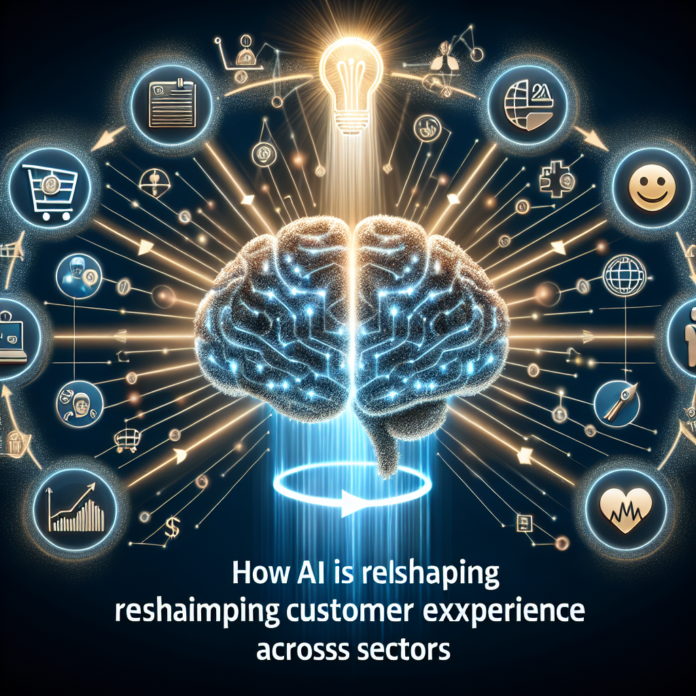
How AI is Reshaping Customer Experience Across Sectors

In recent years, artificial intelligence (AI) has emerged as a transformative force across various industries, reshaping customer experiences in unprecedented ways. From retail to healthcare, organizations are leveraging AI to enhance interactions with customers, providing personalized services, and ultimately driving business growth.

The Power of Personalization

One of the most significant contributions of AI is its ability to analyze vast amounts of data, enabling businesses to offer personalized experiences. By understanding customer preferences and behaviors, AI can tailor recommendations, promotions, and content to suit individual needs.

  • Retail: E-commerce platforms utilize AI algorithms to suggest products based on customers’ browsing and purchasing history.
  • Travel: AI chatbots assist customers in finding and booking personalized travel options based on their preferences.

Enhanced Customer Support

AI-powered chatbots and virtual assistants are revolutionizing customer support by providing immediate assistance 24/7. These technologies can handle common queries, troubleshoot issues, and escalate complex problems to human agents when necessary.

  • Finance: Banks use AI to assist customers with account inquiries, ensuring faster response times and improved satisfaction.
  • Telecommunications: AI systems manage service requests, reducing wait times and improving service quality.

Predictive Analytics

Another area where AI excels is in predictive analytics. By analyzing historical data, AI can forecast customer behavior, enabling businesses to anticipate needs and preferences.

  • Healthcare: AI algorithms analyze patient data to predict potential health issues, allowing for proactive interventions.
  • Hospitality: Hotels use predictive analytics to optimize booking rates and enhance customer satisfaction during their stays.

Streamlining Operations

AI also aids in streamlining business operations, ultimately enhancing customer experiences. By automating repetitive tasks and optimizing processes, organizations can focus on delivering high-quality service.

  • Supply Chain: AI monitors inventory levels in real-time, ensuring timely restocking and reducing delays for customers.
  • Manufacturing: AI systems predict maintenance needs, ensuring reliable service and minimizing downtime.

Conclusion

As AI continues to evolve, its capacity to reshape customer experiences across various sectors will only grow. By leveraging AI technologies, organizations not only enhance customer satisfaction but also build long-lasting relationships based on personalization and efficiency. Embracing this technological shift will be crucial for businesses aiming to stay competitive in a rapidly changing landscape.

More related updates, Click Here

Understanding Larger Federal Tax Refunds This Year

Tax-filing season has officially begun and will run though April 15.

Hassle though it may be to file your federal income tax return, if you are like a majority of US filers, you will get a refund soon after you do.

But this year, that refund may be noticeably larger – assuming nothing significant has changed about your financial or family life since 2024.

The average refund paid out last year was $3,167 through December 26, per IRS filing statistics. And the Treasury is now projecting tax refunds will increase by an average of $1,000 this year per household.

Why is that? Two main reasons: 1) Congress made a number of new and expanded tax breaks effective for tax year 2025; and 2) most people did not adjust the tax withholding on their paychecks last year to account for the changes in their tax breaks.

“For clients whose income, filing status, and dependents haven’t changed much since 2024, the combination of expanded tax benefits for 2025 and unchanged withholding is clearly pushing refunds higher,” said Tom O’Saben, director of tax content for the National Association of Tax Professionals.

Let’s first take that point on withholding.

Your tax liability for 2025 went down because of changes to the tax law, but your tax payments didn’t, he explained. “As a result, the ‘extra’ tax benefit shows up as a refund rather than increased take-home pay,” O’Saben said.

Or, for those who don’t usually get a refund, it may simply result in a lower overall tax bill.

While Congress made a bevy of tax changes for 2025 – e.g., offering a new tax break on car loan interest, a portion of tips and overtime pay; and a $200 increase per child in the child tax credit, etc., – the expansion of two common tax breaks and the introduction of a new one for seniors may account for the biggest increases in the average refund this year.

A larger standard deduction: The standard deduction is taken by the vast majority of filers. Congress boosted it by $750, to $15,750 for single filers; and by $1,500, to $31,500 for married couples filing jointly

“This is the most broadly impactful change because it affects millions of filers across income levels and filing statuses. Even modest increases in the standard deduction translate directly into lower taxable income,” O’Saben said.

An expanded SALT deduction: If you live in a high-tax state, you will be allowed to deduct up to $40,000 in state and local taxes (either your income or sales taxes plus property taxes). That is up from $10,000 last year.

You can only claim the deduction if you itemize, rather than take the standard deduction. But the jump in how much you may deduct means it may make sense for more filers to itemize.

“This change can be significant and often produces a noticeable refund increase, especially when withholding was not adjusted,” O’Saben said.

A new senior deduction: It’s income restricted and limited to those filers who are 65 or older. But eligible senior citizens will be allowed to take a special $6,000 deduction ($12,000 for joint filers) on top of either their standard deduction or their itemized deductions.

“It can materially reduce tax liability,” O’Saben said.

The AARP estimates more than 30 million seniors will benefit.

A refund can be viewed in one of two ways: As an interest-free loan you made to the government, which is just paying you back your principal. Or as forced savings – money you might not have been diligent about setting aside had you gotten it in small installments throughout the year.

If you’re not a consistent saver, then getting a lump sum of forced savings may be a good strategy for you.

But if you think you want to do more with your money throughout the year – like letting it earn interest in an online high-yield savings account or using it to pay down your current debts more quickly – you might consider checking the tax withholding on your paycheck.

You may be seeing a little more in your paychecks already, because the IRS income tax withholding tables for 2026 have been adjusted, according to the Treasury. And those tables should account for all the tax breaks in effect for this year.

But if you work with a tax adviser, check with the adviser to see if the taxes currently being withheld from your paycheck are about right given your eligibility for the new and expanded tax breaks on offer.

Unfortunately, if you do it yourself, it can get a little complicated. And the IRS hasn’t yet updated its withholding estimator to incorporate all the tax changes that went into effect in 2025.

If you do make a change to your withholding (which you would do by submitting to your employer a new W4 form), it probably shouldn’t be drastic. “A modest adjustment rather than a large reduction [in taxes withheld] helps avoid underpayment issues while still improving cash flow during the year,” O’Saben recommended.

By that, he means, you might want to reduce your withholding just enough so that you still may end up getting a very small refund for a near break-even outcome. Otherwise, if you reduce your withholding too much, you might end up owing more than you expect to Uncle Sam when you file your 2026 return a year from now.

Visit our website to get more information

Feel free to mix and match or adapt these suggestions to fit your needs!

In a world filled with endless suggestions and advice, it’s important to remember that no one-size-fits-all solution exists. Each individual has unique needs, preferences, and experiences that inform what works best for them. Here’s why you should feel empowered to mix, match, and adapt any suggestions to suit your personalized journey.

The Importance of Personalization

Personalization enables you to embrace your individuality. By adjusting ideas to fit your needs, you create a more enjoyable and effective process, whether in:

  • Health and Wellness
  • Career Development
  • Education and Learning
  • Creative Projects

How to Effectively Mix and Match Suggestions

Here are some strategies to help you tailor ideas to fit your specific needs:

1. Assess Your Needs: Take a moment to reflect on what you truly need or want. What are your goals? Understanding your objectives is the first step towards effective customization
2. Review Available Suggestions: Gather various suggestions and approaches related to your area of interest. Make a list of what resonates with you and what doesn’t.
3. Combine Techniques: Don’t hesitate to merge different suggestions. For example, if you’re working on a creative project, you can combine traditional techniques with modern digital ones for a unique outcome.
4. Experiment: Try out your mixed solutions without the fear of failure. This experimentation can lead to unexpected breakthroughs.
5. Seek Feedback: Share your adapted ideas with others and get their input. Sometimes, outside perspectives can provide valuable insights.

Every tip or suggestion you encounter is a starting point, not a strict rule. By combining different ideas, tweaking them to suit your situation, and experimenting with new approaches, you create a personalized solution that works best for you. This method encourages creativity, empowers problem-solving, and ensures that your efforts align with your unique goals and circumstances.

Moreover, adapting suggestions allows for continuous learning. You can test what works, discard what doesn’t, and refine your strategies over time. Whether small adjustments or major shifts, the flexibility to modify and combine ideas leads to more effective outcomes and greater satisfaction. Embrace the freedom to experiment, and watch as your plans and projects evolve in ways that truly fit your needs.

Conclusion

Remember, the key to success is not adhering strictly to recommendations but tailoring them to fit your individual journey. Don’t be afraid to get creative and explore variations. The world is full of possibilities, so mix and match until you find the perfect fit for you!

Stay-tuned with us on our website

German Minister Calls for Action Against Russian Shadow Fleet

German Foreign Minister Johann Wadephul on Monday called for tougher measures against the Russian shadow fleet, a network of tankers used by Moscow to circumvent sanctions on oil sales.

During talks with Latvian Foreign Minister Baiba Braže in Riga, Wadephul insisted that international maritime law needs to be urgently reformed to enable authorities to take action against the vessels and those operating them.

Despite EU sanctions imposed on the shadow fleet, cooperation between nations bordering the Baltic Sea needs to be expanded, while authorities need to be able to act against vessels even if it’s unclear where they are registered, said Wadephul.

“We must now use all the possibilities offered by maritime law to stop such ships,” Germany’s top diplomat said.

Braže called for action against financial service providers and ports that handle cargo from the shadow fleet.

“All loopholes that are being exploited by Russia to carry out these operations must be closed,” she demanded. Greater international coordination and improved communication are needed, she said.

Wadephul was visiting Latvia and Sweden on Monday to discuss security in the Baltic region, including hybrid attacks by Russia and the shadow fleet.

Since the Russian full-scale invasion of Ukraine in February 2022, repeated cyberattacks in the region and damage to undersea communications cables have been attributed to Russia.

Latvia’s state security service on Monday warned that the security risks emanating from Russia are increasing significantly in Europe, according to the agency’s annual report for 2025.

While the report concludes that Russia currently poses no direct military threat to the Baltic EU and NATO country, it says Russian narratives and propaganda about Latvia point to “potential long-term plans.”

“All kinds of attempts are being made to influence our Western countries. These will continue and become even more intense,” Braže said.

She accused Russia of increasingly using unconventional means to achieve its goals by unconventional means. “That is the new normal.”

“Of course, Russia will continue to try to destabilize us,” Wadephul agreed. “And of course, this will not stop, even with a possible peace agreement in Ukraine.”

Ahead of the two-country visit, the German minister called on Europeans to stand united in light of the Russian hybrid attacks and the erratic policies of US President Donald Trump, who recently caused an outcry in Europe with his quest to acquire Greenland.

“In this phase of geopolitical upheaval, we Europeans must present a united front and act with confidence,” Wadephul said.

Following talks in Riga, Germany’s top diplomat was scheduled to travel on to Stockholm for talks with Swedish Foreign Minister Maria Stenergard.

Latvia joined NATO in 2004, while Sweden joined in 2024, ending over 200 years of neutrality. The country began seeking membership immediately after the Russian invasion of Ukraine.

German Foreign Minister Johann Wadephul speaks during a meeting with Latvian Foreign Minister Baiba Braze (not pictured) in Latvia. Sebastian Gollnow/dpa

Additional relevant updates

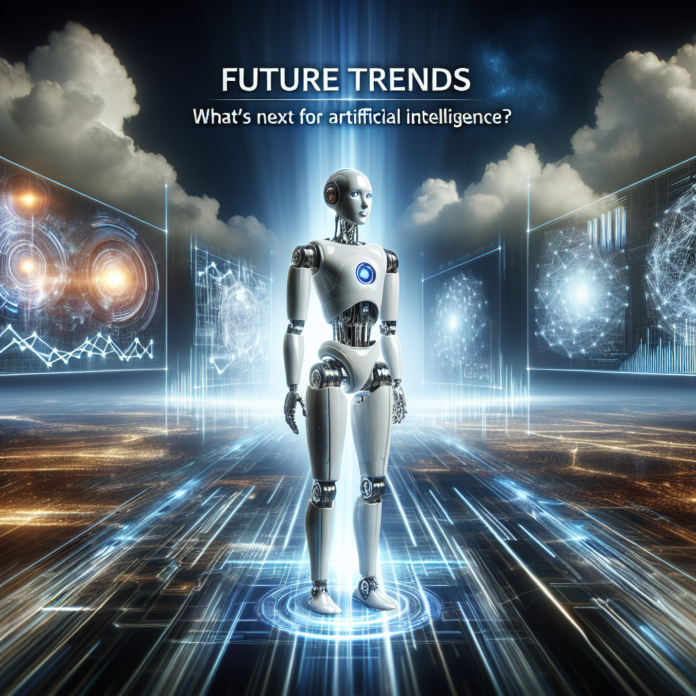
What’s Next for Artificial Intelligence?

Artificial Intelligence (AI) is transforming industries and reshaping our everyday lives. As we look to the future, several trends are emerging that promise to further revolutionize this dynamic field. This article explores what’s next for AI, focusing on the key trends that are poised to make an impact.

1. Enhanced Natural Language Processing

Natural Language Processing (NLP) has made significant strides in recent years. Future advancements will likely yield systems capable of understanding context, emotions, and subtext. This will enable more nuanced interactions, allowing AI to engage in empathetic conversations and provide more personalized experiences.

2. AI Ethics and Governance

As AI systems become more integrated into our lives, ethical considerations are critical. Future trends will emphasize transparency, fairness, and accountability in AI algorithms. Organizations will need to establish frameworks and regulations to ensure responsible use, focusing on eliminating bias and ensuring that AI benefits all sections of society.

3. AI in Healthcare

The healthcare industry stands to gain significantly from AI innovations. In the future, AI will play a key role in predictive analytics, personalized treatment plans, and advanced diagnostics. Expect AI-driven systems that can analyze vast amounts of medical data to make informed decisions, enhancing patient care and outcomes.

4. Automation and Workforce Transformation

Automation powered by AI will continue to reshape work environments. While some jobs may become obsolete, new roles will emerge, focusing on AI oversight and integration. Emphasizing reskilling and upskilling initiatives will be vital to prepare the workforce for this transition.

5. AI and Climate Change Solutions

AI will play a crucial role in addressing climate change. From optimizing energy consumption in industries to enhancing climate modeling and predictions, AI technologies are expected to provide innovative solutions to environmental challenges. The collaboration between AI and environmental sciences will become increasingly important.

6. Advanced Robotics

As AI progresses, robotics will become more sophisticated, allowing for greater interaction with humans and improved dexterity. Future robots will be able to handle complex tasks in diverse environments, impacting industries from manufacturing to service sectors and beyond.

Conclusion

The future of Artificial Intelligence holds incredible potential. As technologies evolve, the integration of AI will continue to drive innovation across various domains. Emphasizing ethical considerations, harnessing AI for good, and preparing for workforce changes are essential steps to ensure that we navigate this exciting frontier responsibly.

Stay-tuned with us on our website
How Technology is Tackling Global Challenges

Artificial Intelligence (AI) has rapidly evolved in recent years, gaining the capacity to address some of the world’s most pressing issues. From climate change to healthcare disparities, AI technologies are being harnessed by governments, organizations, and communities to create impactful solutions for global challenges.

Climate Change Mitigation

AI plays a crucial role in combating climate change by enabling more efficient use of resources, better predicting weather patterns, and optimizing energy consumption. For instance:

  • Predictive Analysis: AI algorithms analyze vast datasets to provide accurate climate models, aiding policymakers in making better decisions.
  • Smart Grids: AI optimizes energy distribution and consumption, ensuring that renewable energy sources are utilized effectively.

Healthcare Improvements

The healthcare sector has significantly benefited from AI advancements, particularly in diagnostics and patient care. Applications include:

  • Early Detection: Machine learning algorithms assist in identifying diseases, such as cancer, at earlier stages, improving survival rates.
  • Telemedicine: AI-driven platforms enhance remote care by analyzing patient data and providing virtual consultation options.

Education and Learning

AI is transforming the educational landscape by providing customized learning experiences for students. Its applications include:

  • Personalized Learning: AI adapts content to meet individual student needs, helping them learn at their own pace.
  • Access to Resources: Virtual tutors powered by AI make educational resources more accessible to learners worldwide, bridging the knowledge gap.

Disaster Response and Recovery

In times of crisis, AI provides critical support for disaster response efforts. Key functionalities include:

  • Resource Allocation: AI systems analyze data to optimize the distribution of resources during natural disasters.
  • Real-time Analytics: AI monitors environmental changes, helping authorities respond swiftly to emerging threats.

Conclusion

The potential of AI to tackle global challenges is immense, fostering innovation and collaboration across sectors. As technology continues to evolve, the responsibility lies with us to harness AI ethically and responsibly to ensure that its benefits are distributed equitably, paving the way for a more sustainable and just future.

More related updates, Click Here

Whitney Leavitt Describes How “Mormon Wives” Season 4 Was Affected by DWTS

  • Whitney Leavitt revealed in an exclusive conversation with PEOPLE how her journey on Dancing with the Stars will play a role in the upcoming season of The Secret Lives of Mormon Wives
  • The 32-year-old TV personality is making her Broadway debut as Roxie Hart in Chicago, opening Feb. 2
  • Leavitt has also been leaning on her DWTS partner Mark Ballas — himself a former Broadway star — for advice throughout the rehearsal process

Whitney Leavitt’s journey on Dancing with the Stars may have come to an end, but fans can still expect to see more from her time vying for the Mirrorball Trophy!

The 32-year-old TV personality — who rose to fame as the breakout star of Hulu’s The Secret Lives of Mormon Wives after making waves on “MomTok” during the pandemic — wowed fans and judges alike on the 34th season of DWTS in the fall. She and her pro partner Mark Ballas’s run ultimately came to a close on Nov. 18, only one episode short of the show’s finale.

In a conversation with PEOPLE before Leavitt’s next career pivot — her Broadway debut as Roxie Hart in Chicago, opening Feb. 2 — the performer sat down for an exclusive interview with PEOPLE, where she teased the forthcoming fourth season of Mormon Wives.

“People are gonna be able to see behind the scenes of my Dancing with the Stars journey, which I think is really cool,” reveals Leavitt. “Not a lot of people have been able to see that, so I’m excited.”

While Leavitt unfortunately came short of the Mirrorball Trophy, she soon had a new reason to celebrate: After secretly sending in audition tapes throughout the season, she was invited to audition in person two days after her elimination and booked the role of Roxie the day after her audition.

Never miss a story — sign up for PEOPLE’s free daily newsletter to stay up-to-date on the best of what PEOPLE has to offer​​, from celebrity news to compelling human interest stories.  

Whitney Leavitt and Mark Ballas.
Disney/Andrew EcclesWhen she found out she got the role, Leavitt tells PEOPLE, she was actually with her DTWS partner, Mark Ballas, who was “a huge advocate and motivator for me to go after it and really give it my all.”

“He was just so ecstatic and so excited me,” she continues of Ballas, who notably played Frankie Valli in Broadway’s Jersey Boys in 2017. “He saw the work that I put into it.”

And through the rehearsal process, Ballas has continued to support her — sharing everything from the “technical things,” like how to preserve your voice and body during grueling hours in the theater, to more philosophical musings.

Above all else, Leavitt says Ballas gave her the same advice ahead of their run on DWTS: “Live in the moment and just be present, because that will be the most enjoyable. And you’ll obviously perform better rather than just anticipating the next thing.”

Whitney Leavitt and Mark Ballas on ‘Dancing with the Stars’.
Eric McCandless/Disney via GettyLeavitt has also leaned on other Broadway royalty — namely Vanderpump Rules star Ariana Madix, who played Roxie for two runs on Broadway in 2024 — as she prepared to take the stage.

“My go-to for advice has been Ariana,” Leavitt tells PEOPLE. “We’ve been talking a lot — you know, the dos and don’ts, taking care of yourself while doing this, because I’ve never done this before.

To find out more, keep on visiting our website