

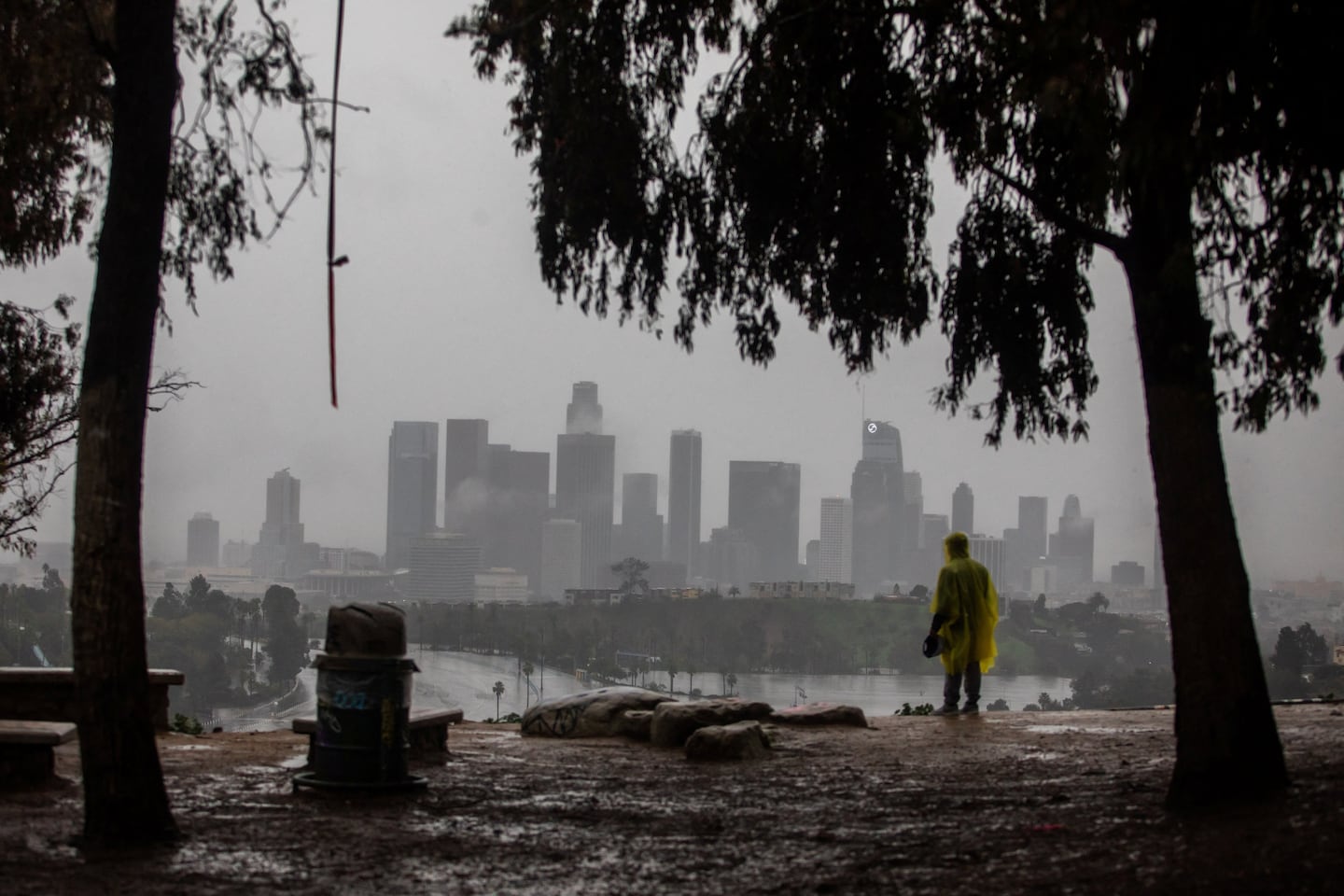
Several rounds of heavy rain and mountain snow will soon hit an increasingly parched West, the result of a meaningful change in the weather pattern evolving across the United States.
The first of several storms will begin pushing into the region from the Pacific Ocean late Saturday into Sunday, initially focusing on Northern California and parts of Oregon. By Monday, a potent low-pressure center will come ashore somewhere around the San Francisco Bay Area, blanketing the state in widespread precipitation and gusty winds.
A Welcome Change in Weather Patterns
Meteorologists attribute the shift to strong Pacific storm systems, including moisture-rich atmospheric rivers. These systems have delivered steady rainfall to lowland areas and significant snow accumulation across higher elevations, particularly in mountainous regions that serve as critical water sources.
For drought-stricken states, even a few days of sustained precipitation can make a noticeable difference. Rivers and streams have begun to swell, soil moisture levels are improving, and reservoirs are seeing incremental gains after extended periods of decline.
Snowpack: The West’s Natural Reservoir
One of the most important benefits of these storms is the boost to mountain snowpack. Snowpack acts as a natural reservoir, slowly melting in spring and summer to supply water for agriculture, cities, and ecosystems. Increased snowfall in key mountain ranges is especially encouraging, as it helps replenish water supplies during the hotter months when demand peaks.
While a single storm cycle cannot erase years of drought, cumulative snow and rainfall events significantly improve seasonal outlooks. Water agencies closely monitor snowpack measurements to forecast water availability and manage allocations accordingly.
Relief for Agriculture and Communities
Farmers across the region have welcomed the moisture, which helps revive winter crops and prepare soil for upcoming planting seasons. Improved water conditions may also reduce the need for strict irrigation limits, easing financial pressure on agricultural operations.
Urban areas are also benefiting. Higher reservoir levels can stabilize municipal water supplies, potentially reducing the need for emergency conservation measures. At the same time, officials continue urging responsible water use, noting that long-term recovery depends on sustained precipitation and smart management.
Stay-tuned with us on our website