

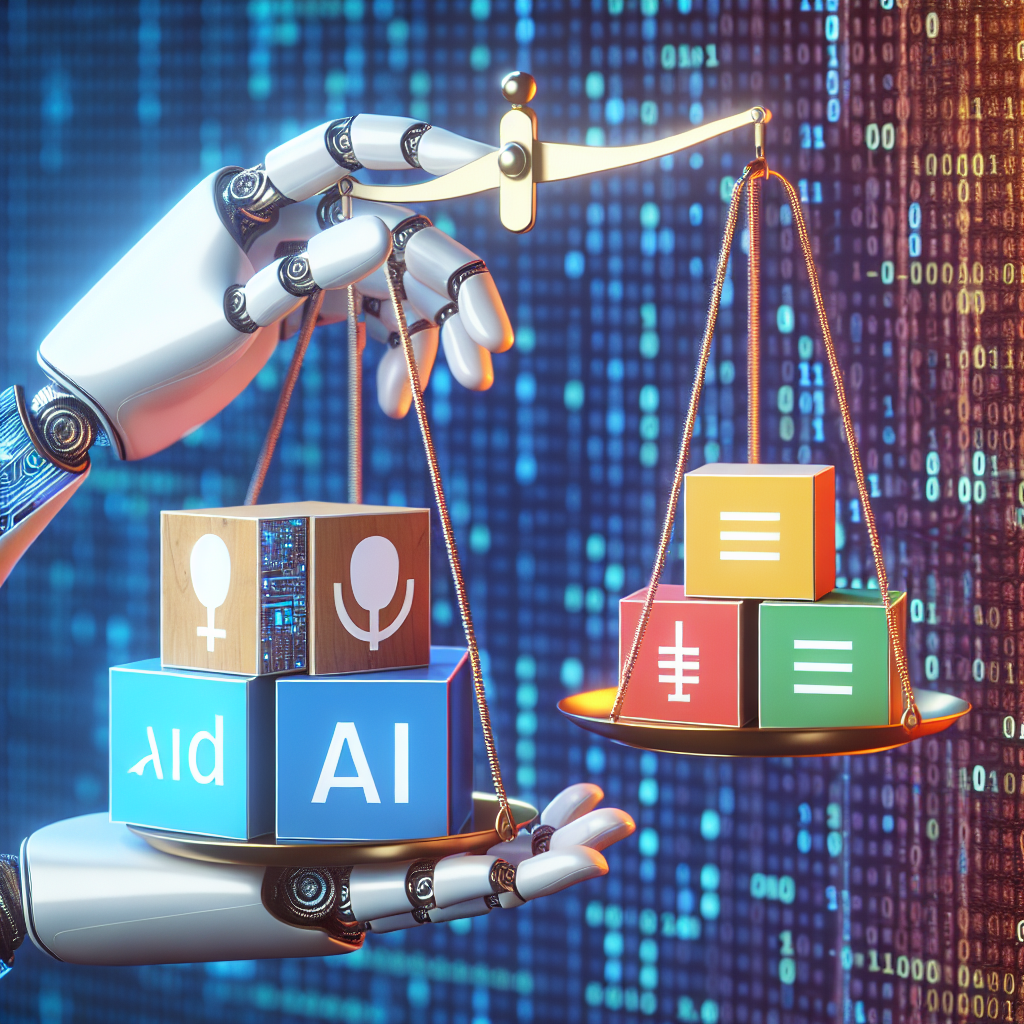
Vulnerability and AI: Addressing Bias in Algorithms
Introduction
As artificial intelligence (AI) becomes increasingly integrated into various sectors such as healthcare, finance, and law enforcement, concerns about its inherent biases and vulnerabilities have come to the forefront. AI algorithms are often praised for their efficiency and accuracy, yet overlooked are the ethical implications of their decision-making processes.
The Nature of Bias in AI
Bias in AI can manifest in multiple forms, stemming from the data used to train models, the design of algorithms, or even the assumptions made during their development. Historical inequalities embedded in training data can lead to systems that inadvertently perpetuate or amplify these biases, affecting marginalized communities disproportionately.
Types of Bias
- Data Bias: Occurs when the training data is not representative of the population.
- Algorithmic Bias: Arises from the algorithms that interpret the data, which may reflect the creators’ biases.
- Societal Bias: Reflects existing societal norms and prejudices that are then magnified by AI systems.
Consequences of Bias
The consequences of biased algorithms are far-reaching and often detrimental. For instance, in recruitment processes, AI tools may favor candidates who fit a certain profile, leaving out qualified individuals from diverse backgrounds. In the criminal justice system, risk assessment tools have been found to disproportionately flag minority groups as high risk, leading to unfair sentencing and discrimination.
Addressing Bias in AI
To combat bias within AI systems, a multi-faceted approach is necessary. Here are several strategies that may be employed:
1. Diverse Datasets
Ensuring that training datasets are representative of diverse populations can significantly reduce data bias. Utilizing comprehensive datasets that include various demographics will help create fairer AI models.
2. Algorithm Audits
Regular audits of algorithms should be conducted to identify and rectify biases. This involves transparently analyzing the decision-making processes and outcomes of AI systems.
3. Inclusive Development Teams
Encouraging diversity within teams that develop AI algorithms can lead to more innovative solutions and reduce unconscious biases during the design phase.
4. Ethical Guidelines and Policies
Establishing ethical guidelines and policies governing the use of AI can foster accountability. Companies and organizations must be held responsible for the impacts of their algorithms.
Conclusion
While AI has the potential to revolutionize industries and improve our lives, it is crucial to address the vulnerabilities related to bias in algorithms. By adopting proactive measures and fostering a culture of accountability, we can harness the power of AI responsibly and equitably.