

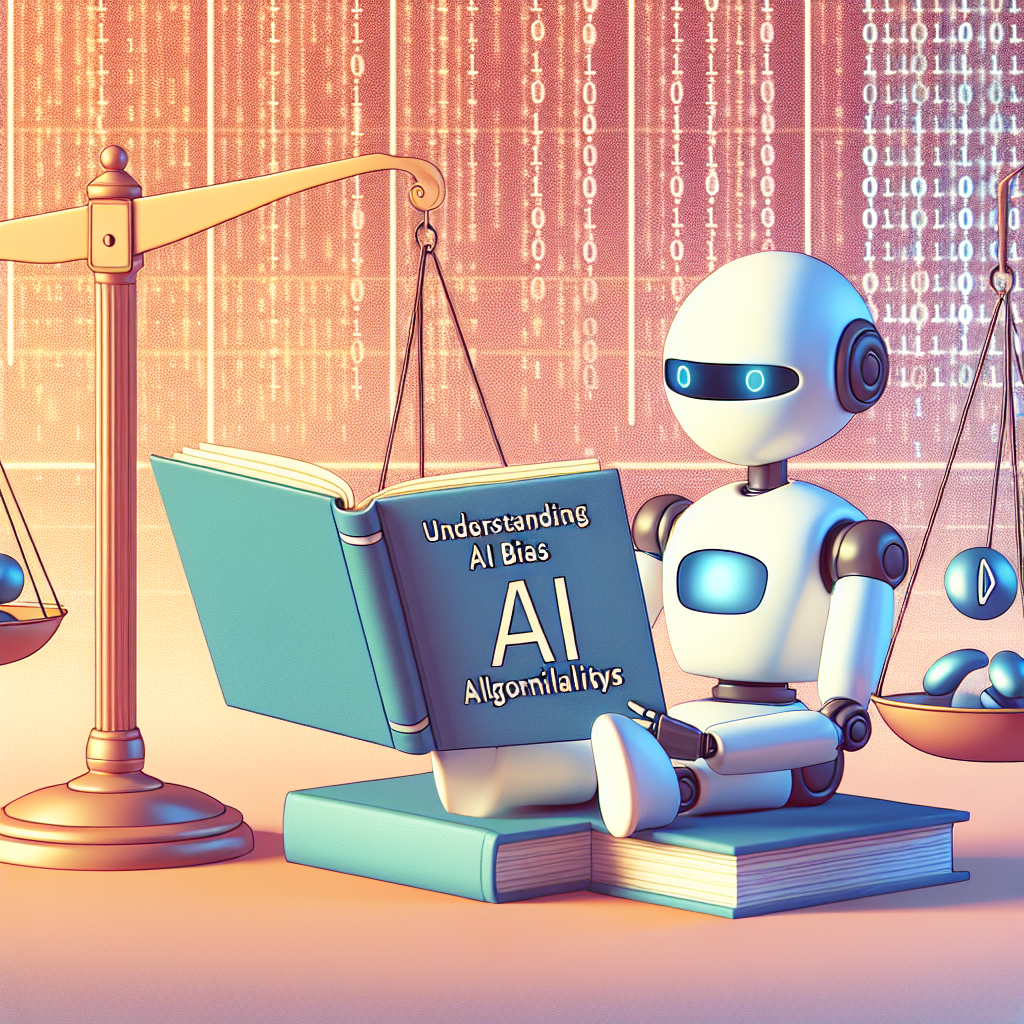
Understanding AI Bias: How Algorithms Can Reinforce Inequality
Introduction
As artificial intelligence (AI) becomes increasingly integrated into various aspects of our lives,
understanding its implications is crucial. One of the most pressing concerns is AI bias, which can
lead to the reinforcement of existing social inequalities. This article explores the concept of AI
bias, its sources, and its potential consequences.
What is AI Bias?
AI bias refers to the systematic and unfair discrimination that can occur when algorithms make
decisions based on flawed data or biased logic. Consciously or unconsciously, these biases can
shape outcomes in a way that perpetuates inequality in society.
Sources of AI Bias
- Data Quality: The data used to train algorithms can contain historical biases or be
underrepresented, leading to skewed results. - Algorithm Design: Poorly designed algorithms can inadvertently prioritize certain
outcomes over others, reflecting the biases of their creators. - Feedback Loops: AI systems can amplify existing biases by continuously learning from
biased outcomes, creating a cycle of discrimination. - Lack of Diversity in Development: A homogeneous group of developers can lead to
blind spots in recognizing and addressing biases within the AI systems they create.
Consequences of AI Bias
The implications of AI bias are profound and can contribute to significant societal issues, including:
- Employment Discrimination: Algorithms used in hiring can favor certain demographics
while disadvantaging others. - Criminal Justice: Predictive policing tools may disproportionately target minority
communities based on biased historical data. - Healthcare: AI systems that guide medical decisions can overlook critical health
information for underrepresented groups, leading to poorer outcomes.
Addressing AI Bias
To mitigate AI bias, a multi-faceted approach is necessary:
- Diverse Data Sets: Ensuring that training data represents a wide range of
demographics can help create fairer algorithms. - Algorithm Audits: Regularly reviewing and testing algorithms for bias can provide
insights into their fairness and effectiveness. - Inclusive Development Teams: Cultivating diversity within AI development teams can
lead to more equitable outcomes. - Regulatory Frameworks: Establishing guidelines and regulations can help govern the
development and implementation of AI systems responsibly.