

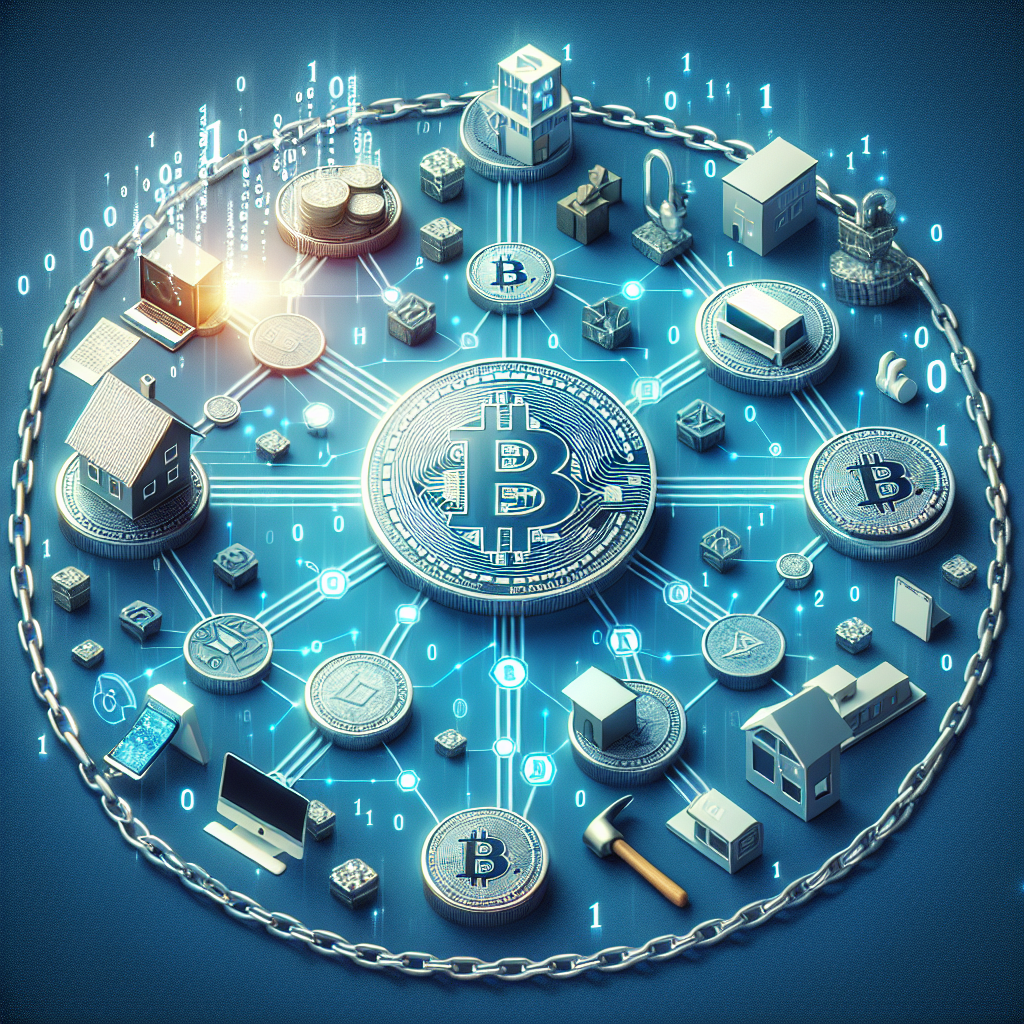
The Role of Blockchain: Beyond Cryptocurrency and Into Everyday Life
When most people hear the term “blockchain,” they often think of cryptocurrencies like Bitcoin and Ethereum. However, blockchain technology is not just about digital currencies; it has the potential to change various industries and improve our daily lives in ways we are only beginning to understand.
Understanding Blockchain Technology
At its core, blockchain is a decentralized, distributed ledger that records transactions across many computers. This technology ensures that the information is secure, transparent, and cannot be altered retroactively. Each ‘block’ of data is linked to the previous one, hence forming a ‘chain’ that is visible to all network participants.
Applications Beyond Cryptocurrency
1. Supply Chain Management
One of the most promising applications of blockchain is in supply chain management. By using blockchain, companies can track products from their origin to the end consumer, improving transparency and efficiency. This can help reduce fraud, ensure product quality, and enhance consumer trust.
2. Healthcare
Blockchain can significantly improve healthcare systems by securely storing patient records. This allows for quick access by authorized personnel while maintaining patient privacy. Furthermore, it can facilitate better tracking of medical histories and drug prescriptions.
3. Voting Systems
With concerns about electoral fraud and voter suppression, blockchain can provide a secure, transparent method for casting and counting votes. This system can enhance public trust in electoral processes and ensure that every vote is counted accurately.
4. Smart Contracts
Smart contracts are self-executing contracts with the terms of the agreement directly written into lines of code. They automatically execute actions when predefined conditions are met, reducing the need for intermediaries and minimizing risks associated with contract disputes.
5. Digital Identity Verification
Blockchain technology can create secure digital identities that individuals control, reducing identity theft and ensuring privacy. With a blockchain-based identity, people can verify their identity across services without repeatedly sharing sensitive personal information.
Challenges and Considerations
While blockchain offers many potential benefits, there are still challenges to overcome, such as scalability, energy consumption, and regulatory issues. However, ongoing research and development aim to address these challenges as adoption increases.
The Future of Blockchain
As blockchain technology continues to evolve, its applications will likely expand even further. Industries from finance to entertainment are exploring how blockchain can streamline processes, enhance security, and provide improved experiences for consumers. The future of blockchain is promising, and its impact on everyday life is just beginning.