

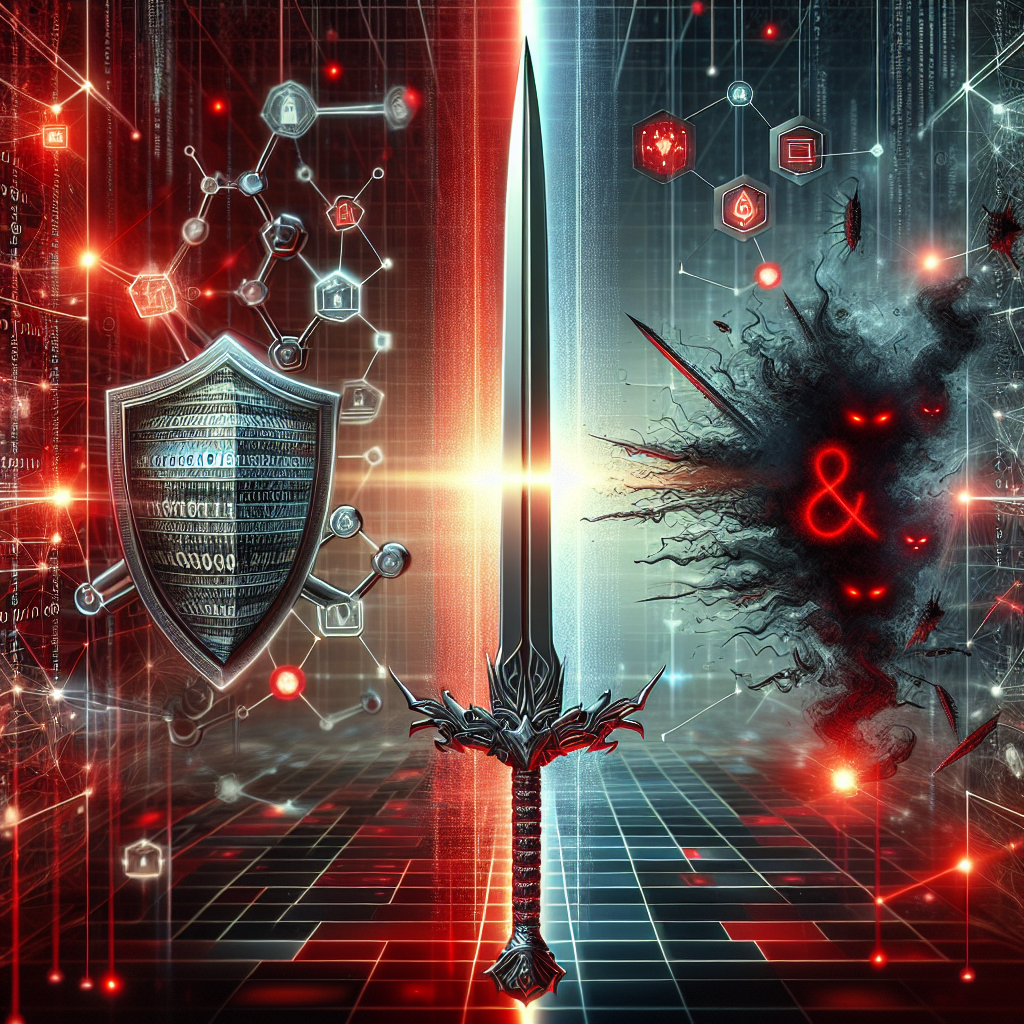
The Role of AI in Cybersecurity: A Double-Edged Sword
In the rapidly evolving landscape of technology, Artificial Intelligence (AI) has become a focal point in the domain of cybersecurity. While AI can serve as a powerful ally in defending against cyber threats, it also presents potential risks that can be misused by malicious actors. Understanding this dual nature is crucial for organizations aiming to bolster their security posture.
AI as a Shield Against Attacks
AI technologies can enhance cybersecurity in several ways:
- Threat Detection: Machine learning algorithms can analyze vast amounts of data to identify unusual patterns that may indicate a cyber attack.
- Automated Response: AI can provide real-time responses to threats, minimizing the time taken to neutralize attacks and reducing the potential damage.
- Monitoring and Analysis: AI systems can monitor networks continuously, offering insights and predictive analysis, ensuring safer environments.
The Dark Side of AI in Cybersecurity
Despite its advantages, AI in cybersecurity can also create significant challenges:
- Automating Attacks: Cybercriminals can use AI to automate sophisticated cyber attacks that can bypass traditional security measures.
- False Positives: In the quest for precision, AI systems might also flag legitimate activities as threats, leading to unnecessary investigations and wasted resources.
- Dependence on Data: AI systems require high-quality data to function effectively. Poor data can result in ineffective security measures, making systems vulnerable.
Finding a Balance
Organizations must adopt a balanced approach to harness the benefits of AI while mitigating its risks. This includes:
- Continuous Training: Regularly updating AI models with new data sets to improve accuracy and reduce false positives.
- Combining Human Intelligence: Incorporating human expertise alongside AI systems to provide context and insights beyond automated analysis.
- Ethical Considerations: Establishing frameworks for the ethical use of AI in cybersecurity to thwart potential misuse.
Conclusion
AI in cybersecurity stands as both a formidable shield and a potential sword for nefarious activities. By understanding its capabilities and limitations, organizations can better prepare themselves against the evolving threats posed in the digital landscape. Emphasizing a collaborative approach between AI technology and human oversight can foster a more secure future.