
The Rise of NFTs: How Non-Fungible Tokens are Changing the Art and Gaming Worlds
Published on
Introduction
Non-fungible tokens, or NFTs, have emerged as a groundbreaking innovation in the digital landscape. Unlike traditional currencies or cryptocurrencies, NFTs are unique digital assets that represent ownership through blockchain technology. This article explores how NFTs are revolutionizing the art and gaming industries, connecting creators with audiences in unprecedented ways.
The Art World Transformation
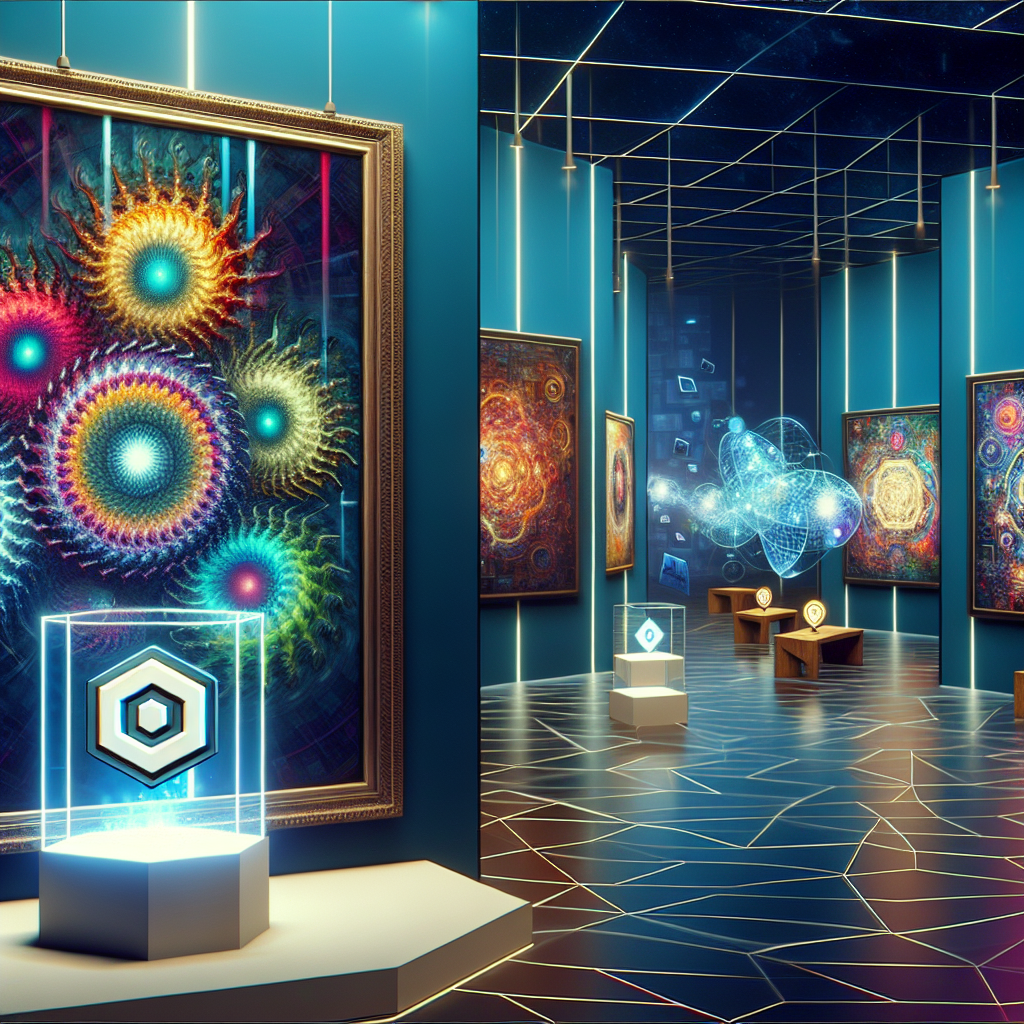
NFTs have opened up new avenues for artists by allowing them to sell their digital creations directly to consumers. Traditional art markets often involve galleries and intermediaries, but NFTs enable artists to maintain greater control over their work and its distribution.
Prominent sales, such as Beeple’s digital artwork selling for $69 million at a Christie’s auction, highlight the lucrative potential of NFTs in the art world. Furthermore, artists can earn royalties from future sales, creating ongoing revenue opportunities.
Benefits for Artists
- Direct sales to buyers without intermediaries.
- Ongoing royalties from secondary sales.
- Enhanced exposure to a global audience.
NFTs in Gaming
The gaming sector has also embraced NFTs, offering players true ownership of in-game assets. Players can buy, sell, and trade items in ways that were once impossible. This shift not only enhances player investment in games but also creates new revenue streams for developers.
Games like Axie Infinity and Decentraland have demonstrated how NFTs can create vibrant economies within gaming ecosystems, enabling players to earn real money while participating in their favorite virtual worlds.
The Future of Gaming
- Ownership of in-game assets and characters.
- Player-driven economies using blockchain technology.
- Increased versatility in gameplay experiences.
Challenges and Criticisms
Despite the exciting potential of NFTs, there are significant challenges and criticisms. Concerns about environmental impact due to high energy consumption of some blockchain networks and the issue of digital copyright infringement are significant hurdles that need addressing.
Moreover, the volatility of the NFT market raises financial risks for both creators and buyers. As the industry evolves, it is essential to create frameworks that protect the rights and interests of all stakeholders involved.
Conclusion
The rise of NFTs represents a pivotal moment in the digital age, transforming how art is created, valued, and traded. As technology continues to evolve, so too will the applications of NFTs. Both the art and gaming industries must navigate the complexities presented by this new landscape to harness the full potential of non-fungible tokens.