
<h1>Smart Cities: How AI is Shaping Urban Development</h1>
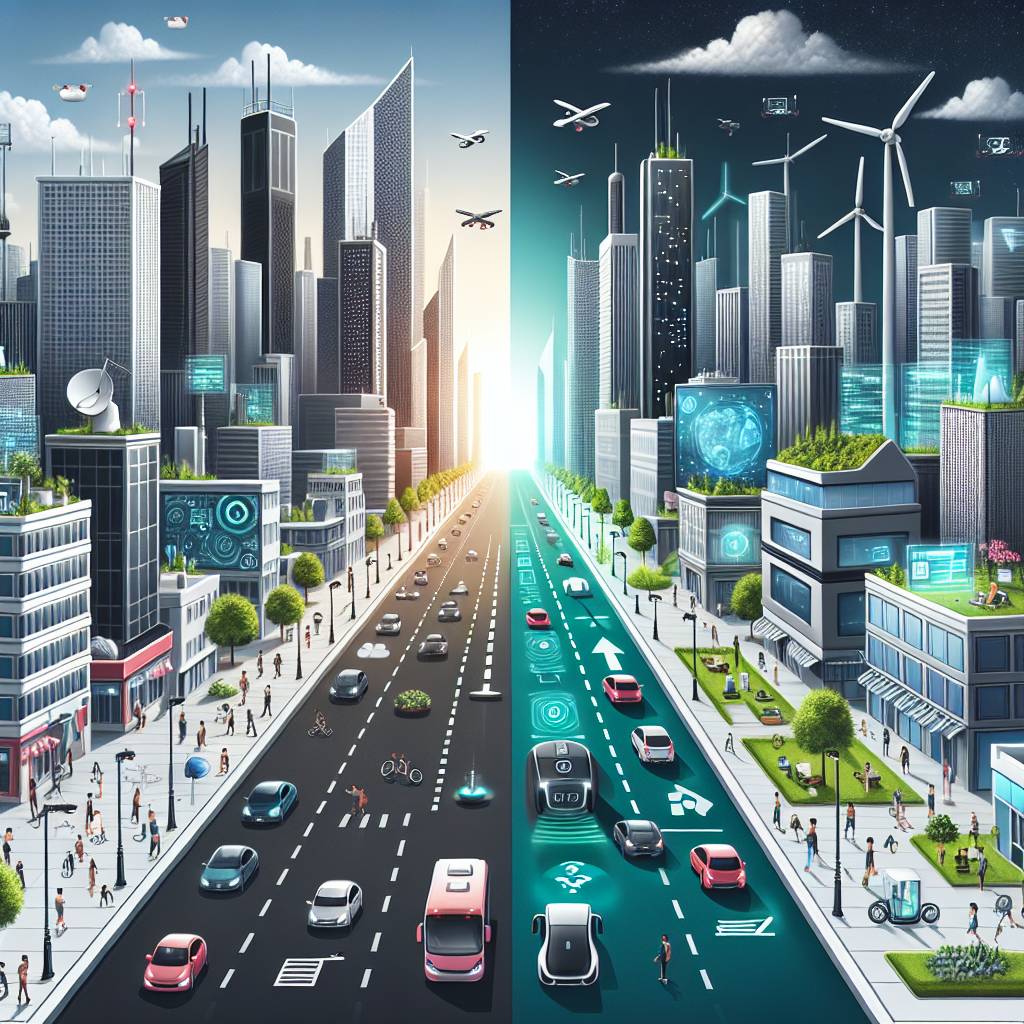
<p>As urbanization accelerates globally, cities are being transformed into smart cities through the integration of Artificial Intelligence (AI). These advancements are reshaping how urban environments function, providing innovative solutions to the challenges cities face today.</p>
<h2>What Are Smart Cities?</h2>
<p>Smart cities utilize digital technology, especially AI, to enhance performance across various sectors, including transportation, healthcare, energy management, and public safety. By leveraging data and connectivity, these cities aim to improve quality of life, increase sustainability, and create more efficient urban spaces.</p>
<h2>The Role of AI in Urban Development</h2>
<p>AI algorithms can analyze vast amounts of data generated by city infrastructure and services. This capability allows urban planners to:</p>
<ul>
<li><strong>Predict Traffic Patterns:</strong> Using real-time data, AI can predict congestion and adjust traffic signals, reducing commute times.</li>
<li><strong>Optimize Resource Management:</strong> AI helps manage energy usage, leading to lower costs and a reduced carbon footprint.</li>
<li><strong>Enhance Public Safety:</strong> AI-driven surveillance systems can detect unusual activities, allowing for quicker responses from law enforcement.</li>
<li><strong>Improve Waste Management:</strong> Smart waste bins equipped with sensors can notify municipal services when they need to be emptied, optimizing collection routes.</li>
</ul>
<h2>Case Studies of AI in Smart Cities</h2>
<h3>1. Barcelona, Spain</h3>
<p>Barcelona has implemented AI in its urban management systems to enhance public services. Smart streetlights, for example, adjust their brightness based on pedestrian and vehicular activity, saving energy.</p>
<h3>2. Singapore</h3>
<p>Singapore uses AI for extensive data analytics to develop predictive models in transportation, leading to more efficient public transit systems and reduced congestion.</p>
<h2>The Future of Smart Cities</h2>
<p>As AI technology continues to evolve, the potential for smart cities is limitless. Future developments may include:</p>
<ul>
<li>An increased focus on sustainability through eco-friendly infrastructure.</li>
<li>Further integration of AI with Internet of Things (IoT) devices, creating a more connected urban ecosystem.</li>
<li>The use of AI to enhance citizen engagement, allowing residents to participate actively in urban planning.</li>
</ul>
<h2>Conclusion</h2>
<p>AI is a cornerstone of the smart city movement, providing tools to tackle urban challenges and improve the quality of life for residents. As cities continue to adopt AI technologies, we can expect a paradigm shift in how urban environments are developed and managed.</p>
<footer>
<p>© 2023 Smart City Insights. All rights reserved.</p>
</footer>