

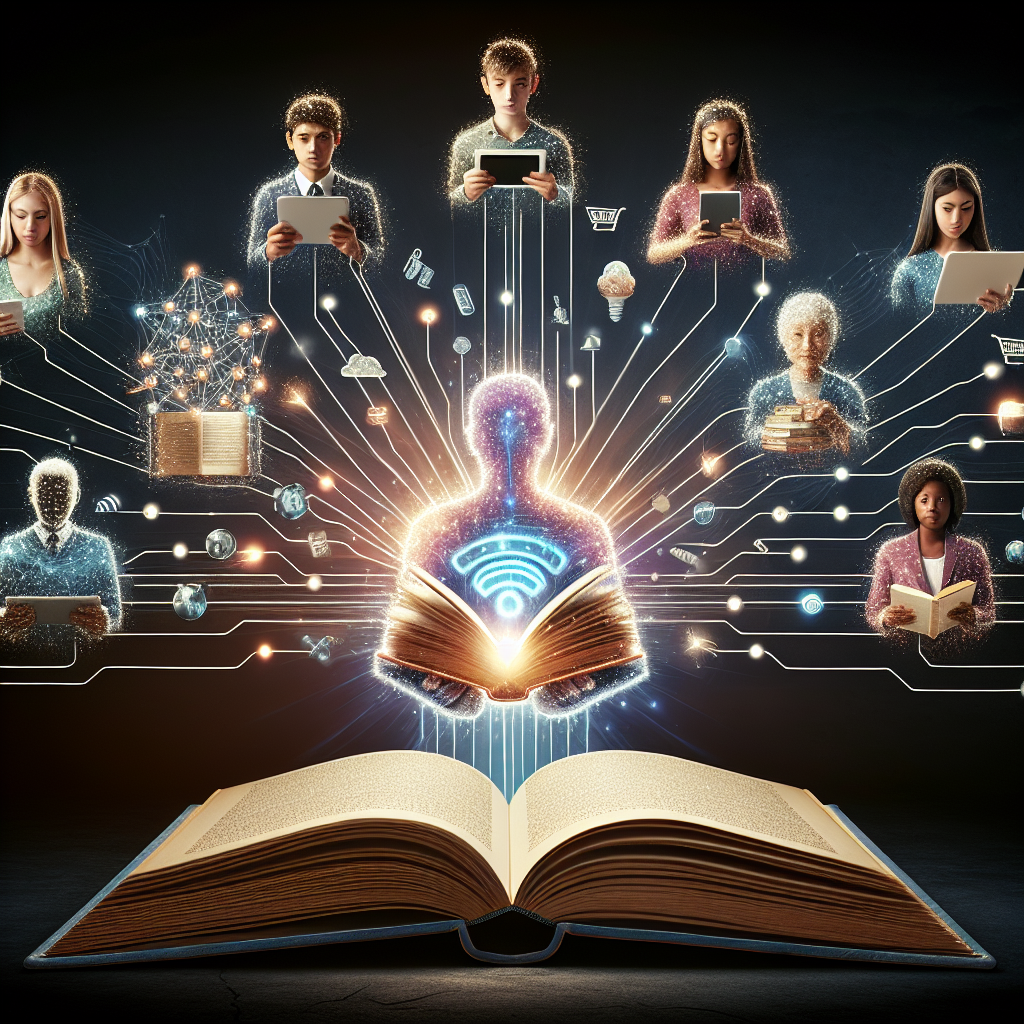
<h1>Personalized Learning: AI’s Impact on Education</h1>
<p>In recent years, the educational landscape has seen dramatic changes due to advancements in technology, particularly artificial intelligence (AI). Personalized learning, an educational approach that tailors instruction to students' individual needs, preferences, and interests, has become increasingly viable and effective through AI integration.</p>
<h2>What is Personalized Learning?</h2>
<p>Personalized learning refers to a customized educational experience that can adapt to the unique learning pace and style of each student. Rather than a one-size-fits-all approach, it emphasizes:</p>
<ul>
<li>Individual learning paths</li>
<li>Real-time feedback</li>
<li>Flexible learning environments</li>
<li>Student choice and autonomy</li>
</ul>
<h2>The Role of AI in Personalized Learning</h2>
<p>AI plays a pivotal role in making personalized learning more accessible and effective. Here are some ways AI impacts education:</p>
<h3>1. Data-Driven Insights</h3>
<p>AI can analyze vast amounts of data from student interactions, assessments, and feedback. This analysis provides educators with actionable insights to understand each student's strengths and weaknesses, allowing for tailored instructional strategies.</p>
<h3>2. Adaptive Learning Technologies</h3>
<p>AI-powered platforms can adapt the curriculum in real-time based on student performance. For example, if a student struggles with a particular math concept, the platform can provide additional resources targeted toward that skill.</p>
<h3>3. Automated Assessment Tools</h3>
<p>With AI, assessment processes have become more efficient. Automated grading systems can offer immediate feedback to students, enabling them to understand their mistakes and learn from them promptly.</p>
<h3>4. Enhanced Engagement</h3>
<p>AI can create more engaging learning environments through gamification and interactive simulations, making learning more appealing and effective for students.</p>
<h2>Challenges and Considerations</h2>
<p>While the potential of AI in personalized learning is immense, it's essential to consider some challenges:</p>
<ul>
<li><strong>Data Privacy:</strong> With increased data collection comes the responsibility to protect students' personal information.</li>
<li><strong>Equity:</strong> Ensuring equal access to AI technologies across different demographics remains a significant challenge.</li>
<li><strong>Teacher Training:</strong> Educators need adequate training to effectively integrate AI tools into their teaching practices.</li>
</ul>
<h2>Conclusion</h2>
<p>AI's impact on personalized learning is transforming education, making it more responsive and tailored to individual needs. As technology continues to evolve, the potential benefits for students and educators are boundless. However, it is crucial to address the associated challenges to ensure equitable and effective implementation in our education systems.</p>
<footer>
<p>© 2023 Personalized Learning Insights</p>
</footer>