

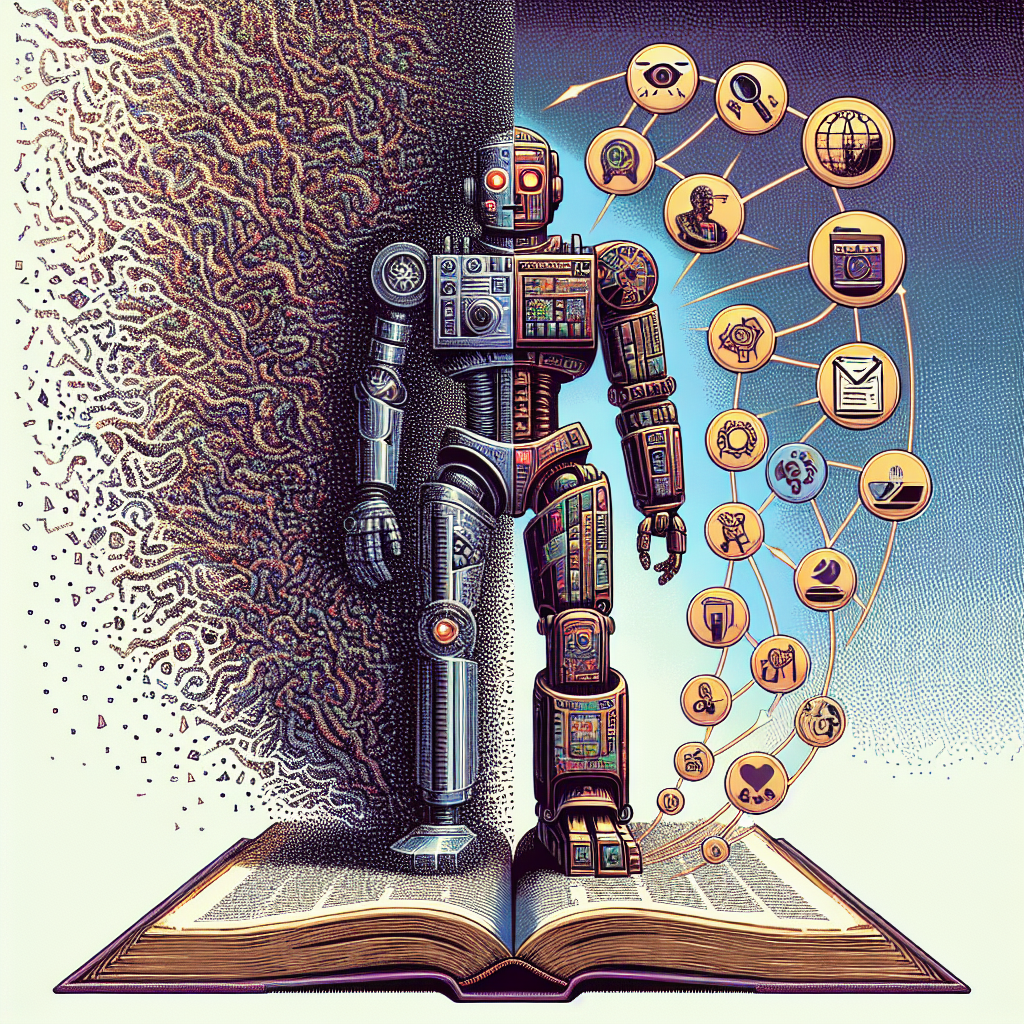
From Science Fiction to Reality: AI’s Journey and Its Impact on Society
Introduction
Artificial Intelligence (AI) has transitioned from the realm of science fiction to an integral part of our daily lives. From the early days of theoretical concepts to the advanced algorithms we use today, AI’s journey is both fascinating and complex. This article explores the origins of AI, its evolution, and its current impact on society.
The Origins of AI
AI traces its roots back to ancient myths and stories of artificial beings endowed with intelligence. However, the formal study of AI began in the 20th century. Key milestones include:
- 1950: Alan Turing proposes the Turing Test to measure a machine’s ability to exhibit intelligent behavior.
- 1956: The Dartmouth Conference takes place, marking the birth of AI as a field of study.
- 1960s-80s: Development of early neural networks and expert systems.
AI in Science Fiction
Science fiction has long depicted AI, influencing public perception and expectations. Works like Isaac Asimov’s “I, Robot” and Arthur C. Clarke’s “2001: A Space Odyssey” introduced themes of intelligent machines, often exploring ethical implications. These narratives shaped our understanding and anticipation of AI technologies.
From Fiction to Reality
As technology advanced, many science fiction concepts became reality. Key developments include:
- Natural Language Processing: AI systems like Siri and Alexa that can understand and respond to human speech.
- Machine Learning: Advanced algorithms that allow computers to learn from data, leading to applications in various sectors.
- Robotics: Innovations in robotics have led to autonomous vehicles and industrial robots enhancing productivity.
Impact on Society
AI’s integration into society has profound implications:
- Healthcare: AI algorithms are revolutionizing diagnostics, personalizing treatment, and managing patient data efficiently.
- Economy: Automation leads to increased productivity, but raises concerns about job displacement in various sectors.
- Education: AI-driven educational tools provide personalized learning experiences and resources tailored to individual needs.
- Ethical Considerations: The rise of AI necessitates discussions around privacy, accountability, and bias in algorithms.
The Future of AI
The future of AI holds exciting possibilities. From enhancing human capabilities to creating solutions for global challenges, the potential is vast. However, it is crucial to consider ethical frameworks to guide AI development and ensure it benefits society as a whole.