

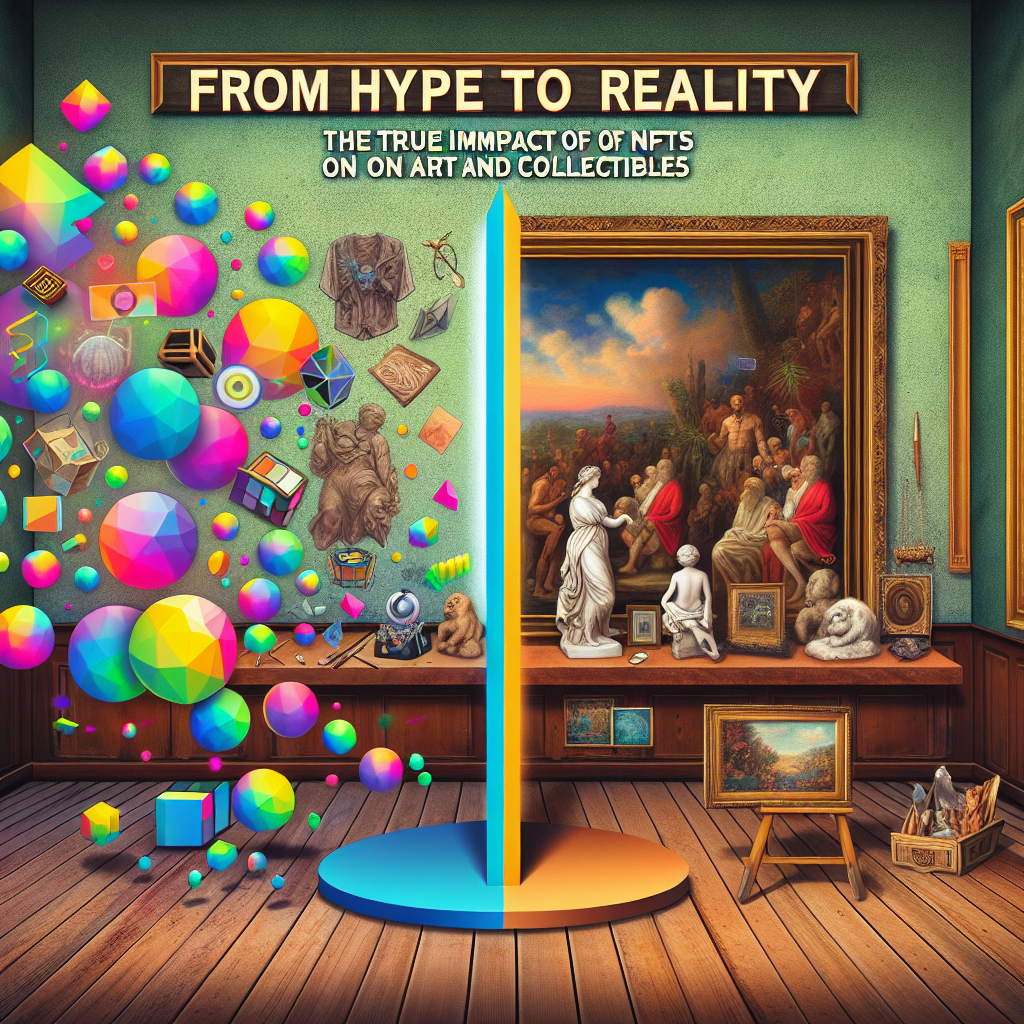
From Hype to Reality: The True Impact of NFTs on Art and Collectibles
The introduction of Non-Fungible Tokens (NFTs) has caused waves across multiple industries, particularly in the realms of art and collectibles. Once considered a fleeting trend filled with speculative bubbles, NFTs have transcended their original hype to forge substantial changes in how art and collectibles are created, bought, and sold.
The Essence of NFTs
At their core, NFTs are unique digital assets verified on a blockchain, which ensures their authenticity and ownership. Unlike cryptocurrencies such as Bitcoin or Ethereum that can be exchanged for one another, NFTs are one-of-a-kind and often linked to digital artwork, music, videos, and even virtual real estate.
Democratization of Art
One of the most significant impacts of NFTs is the democratization of art. Traditional art markets are often exclusive and dominated by galleries and auction houses. In contrast, NFTs allow artists to bypass these gatekeepers, offering a direct route to their audience through platforms like OpenSea and Rarible. This not only empowers creators but can also lead to a fairer revenue split, as many NFT platforms offer artists a percentage of future sales through royalties.
Transforming Collectibles
Collectibles have traditionally been physical items – from trading cards to vintage memorabilia. NFTs have transformed this concept by turning digital items into collectible assets. Digital collectibles, such as those seen in games like Axie Infinity or virtual trading card collections, offer collectors a new means of engaging with their passions while leveraging the secure ownership provided by blockchain technology.
Environmental Concerns
While the benefits of NFTs are significant, they are not without controversy. The environmental impact of blockchain technology, especially those that use proof-of-work validation methods, has raised concerns amongst critics. Platforms are working to adopt more eco-friendly solutions, such as transitioning to proof-of-stake models, to mitigate these issues in the ongoing evolution of NFTs.
The Future of NFTs
The future of NFTs in art and collectibles seems promising, with increasing mainstream acceptance and innovations on the horizon. Major auction houses like Christie’s have successfully sold NFT artworks for millions, showcasing the shift from skepticism to acceptance. As technology continues to advance and new use cases are explored, NFTs may well become a fundamental component of both the art world and collectible markets.
Conclusion
From their initial hype to their undeniable presence today, NFTs have made a lasting impact on the art and collectible markets. They have democratized access, transformed ownership, and opened doors to creative possibilities. As artists, collectors, and even the general audience navigate this new landscape, it is clear that the true impact of NFTs will continue to unfold in the years to come.
For those interested in exploring the world of NFTs further, consider delving into platforms like OpenSea or Rarible to witness the variety of digital art and collectibles available. The journey from hype to reality is just beginning.