


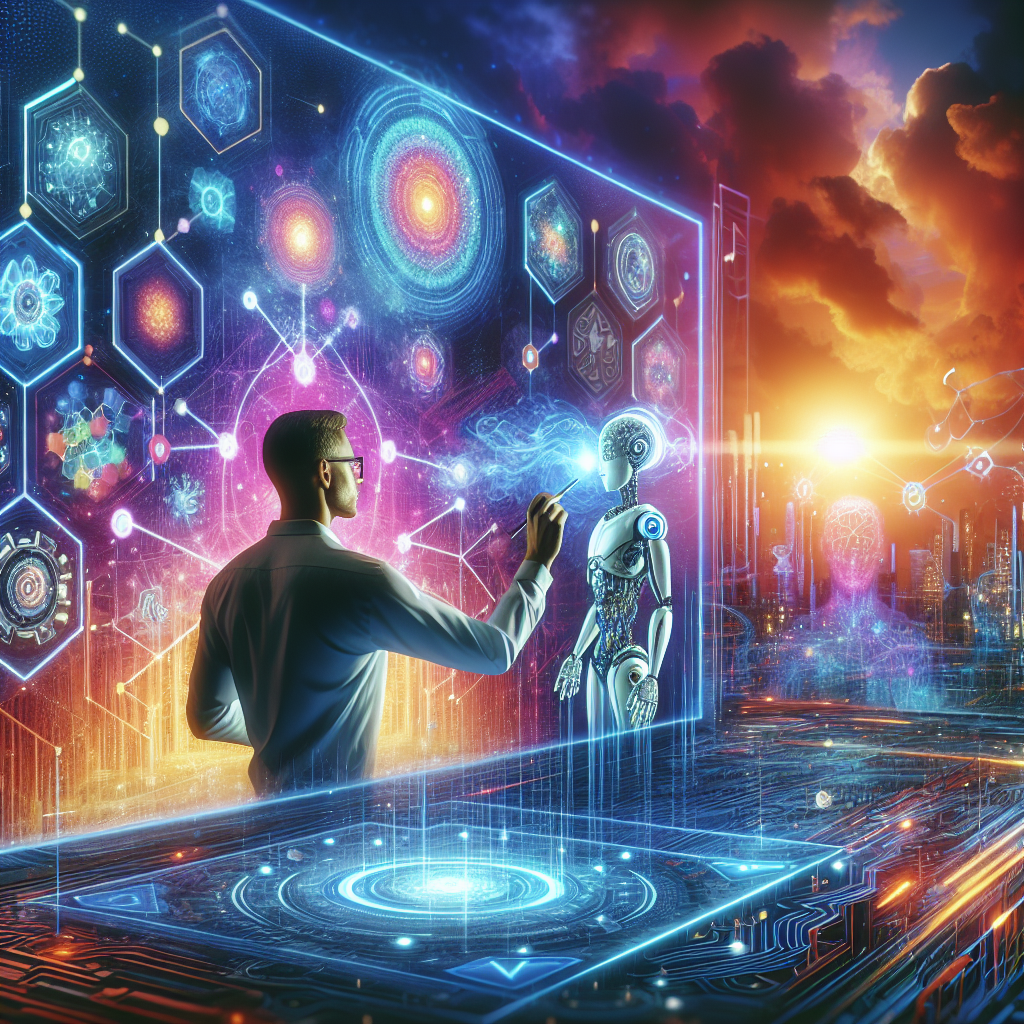
From Fiction to Reality: The Rise of AI in Creative Industries
The integration of Artificial Intelligence (AI) into creative industries has transitioned from mere imagination in science fiction to a profound reality. From filmmaking and music composition to graphic design and writing, AI is reshaping the way art is created and consumed.
The Impact of AI in Film and Animation
In the world of cinema, AI is being utilized to streamline various processes. Filmmakers are now employing AI algorithms to analyze scripts and predict audience reactions, which helps in the development phase of movie production. AI tools can also assist in film editing by suggesting optimal cuts or even generating trailers.
Moreover, animation studios are using AI to create lifelike characters and backgrounds with astonishing speed. By reducing production time, creators can focus on storytelling and innovation, leading to more imaginative works.
AI in Music Composition
The music industry is no stranger to AI either. Tools like OpenAI’s MuseNet and Amper Music allow users to create original compositions by simply inputting desired moods, styles, or instruments. This democratizes music production, giving aspiring musicians access to professional-grade resources without the need for extensive training.
Some artists are even collaborating with AI to produce hybrid music tracks, resulting in unique sounds that push the boundaries of traditional genres.
Revolutionizing Graphic Design
Graphic design is another domain where AI is making significant strides. Platforms like Canva now incorporate AI-driven design suggestions, enabling users to create visually appealing content with ease. AI algorithms analyze popular design trends, ensuring that created materials are relevant and up to date.
Furthermore, companies are employing AI for tasks such as logo design and marketing materials, making it possible for businesses to establish their brand identity efficiently.
AI in Writing: Tools and Implications
AI’s influence extends to the literary world, where tools like ChatGPT and Grammarly assist writers in producing quality content. These tools help in generating ideas, refining language, and even creating entire narratives, empowering writers to overcome creative blocks.
However, the rise of AI in writing also raises ethical questions about authorship and originality. As AI-generated content becomes more prevalent, it’s essential to consider the implications for intellectual property rights and the value of human creativity.
Conclusion
The rise of AI in creative industries marks a transformative shift, offering unprecedented tools and opportunities for artists and creators. While it poses challenges regarding ethics and authenticity, the potential for innovative collaboration between humans and AI is vast. As we navigate this new landscape, embracing the synergy of technology and creativity may lead to a new renaissance in the arts.
To learn more about the influence of AI in various fields, visit example.com.