

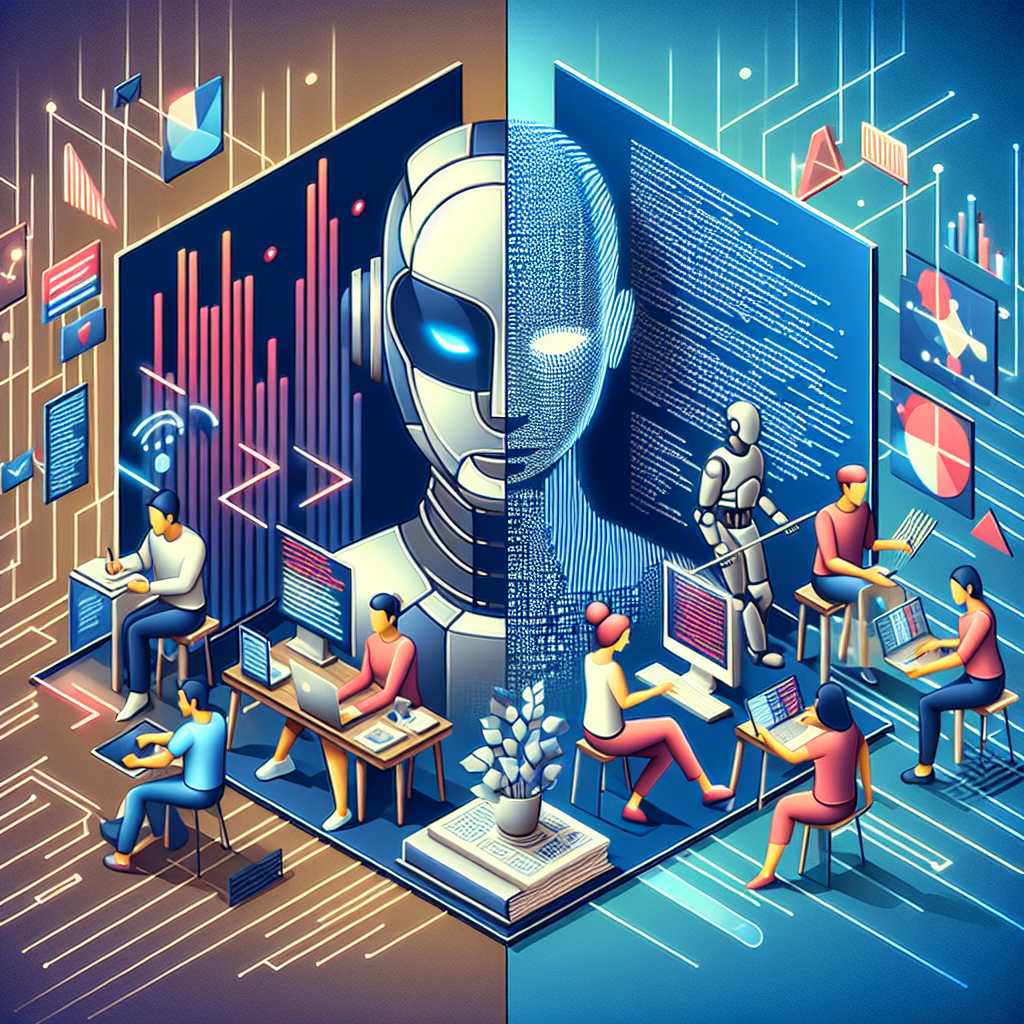
From Chatbots to Creatives: How AI is Changing the Way We Work
The rise of artificial intelligence (AI) has transformed numerous aspects of our lives, especially in the workplace. From automating repetitive tasks to enhancing creative processes, AI technology is effectively reshaping how we work and interact with technology. In this article, we explore the profound changes that AI brings, focusing on chatbots, creative tools, and their implications for the future workforce.
1. The Evolution of Chatbots
Chatbots have emerged as one of the most significant applications of AI in customer service and communication. Initially limited to answering FAQs, modern chatbots utilize natural language processing (NLP) to engage in more complex conversations. These AI-driven assistants can handle customer inquiries, provide product recommendations, and even gather feedback to improve services.
As a result, businesses can operate more efficiently, allowing human employees to focus on higher-value tasks. This transition not only enhances productivity but also improves customer satisfaction by providing immediate responses and support around the clock.
2. AI in Creative Fields
Beyond customer service, AI is making strides in creative industries. Tools powered by AI can assist in graphic design, content creation, and even music composition. For example, AI algorithms can analyze trends, generate ideas, and provide insights that help marketers and designers create compelling content more effectively.
Platforms like Canva and Adobe Sensei integrate AI features, enabling users to generate designs quickly, automate repetitive tasks, and enhance their creative output. This democratization of creativity empowers more individuals to express themselves without needing advanced technical skills.
3. Enhancing Collaboration
AI tools also facilitate collaboration among teams. Project management platforms are integrating AI to help teams prioritize tasks, automate scheduling, and track project progress in real-time. This allows employees from different geographical locations to work together seamlessly, fostering a more inclusive and efficient work environment.
With AI handling mundane tasks, team members can devote more time to brainstorming, strategizing, and executing innovative solutions that drive business success.
4. The Future Workforce
As AI continues to evolve, so does the nature of work. The demand for skills related to AI and machine learning is skyrocketing, reshaping the educational landscape. Professionals must adapt and acquire new skills to thrive in a workplace increasingly influenced by technology.
However, it’s vital to recognize that AI is not here to replace human employees but rather to augment their capabilities. By embracing AI, individuals can enhance their productivity, creativity, and overall job satisfaction.
Conclusion
From chatbots to revolutionary creative tools, AI is undeniably changing the way we work. By streamlining processes, enhancing creativity, and improving collaboration, AI is opening new doors for businesses and employees alike. As we look to the future, understanding and leveraging AI will be essential for anyone wishing to navigate this new landscape effectively.