

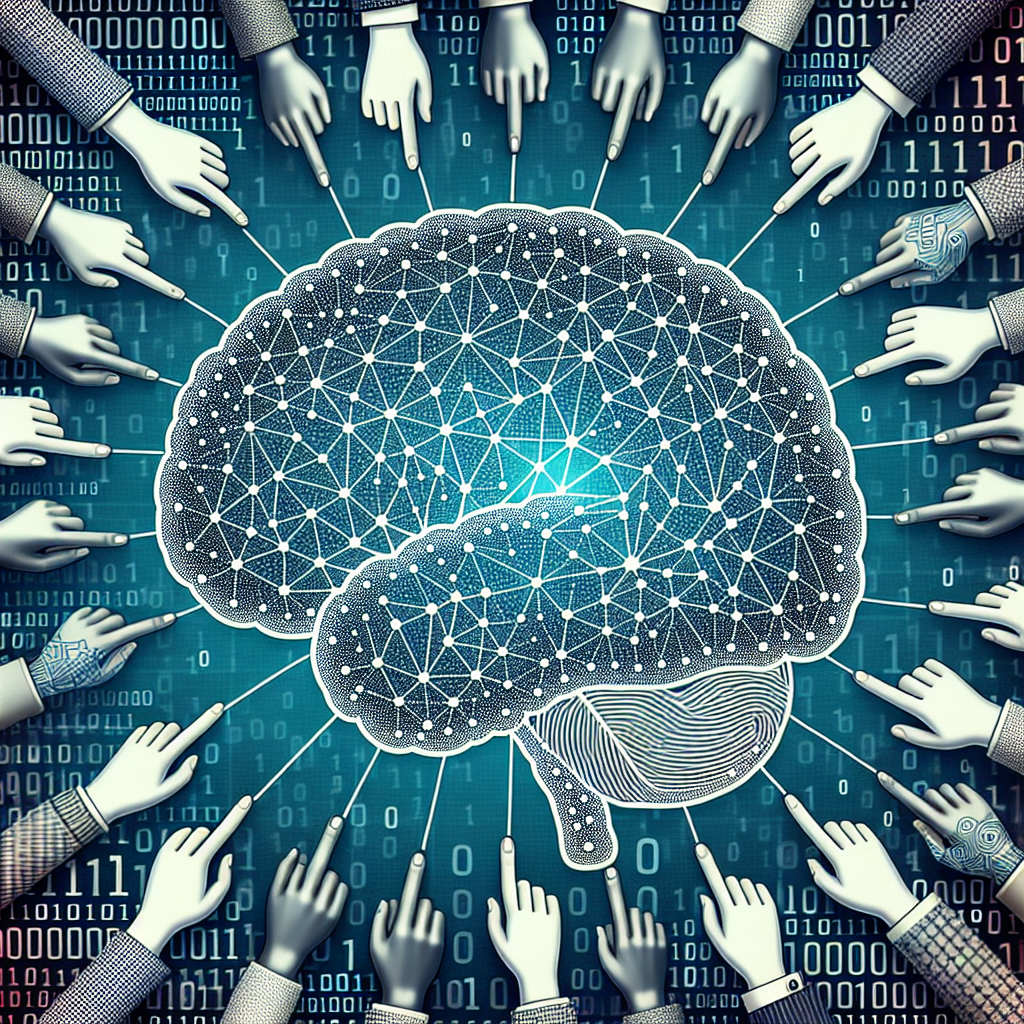
Decoding AI: Understanding the Algorithms That Shape Our World
Artificial Intelligence (AI) has become an integral part of everyday life, affecting everything from how we shop and interact socially to how we receive news and make decisions. But what lies behind this sophisticated technology? Let’s delve into the algorithms that are revolutionizing our world.
What is AI?
At its core, AI is the simulation of human intelligence processes by machines, especially computer systems. These processes include learning (the acquisition of information and rules for using it), reasoning (using rules to reach approximate or definite conclusions), and self-correction. The backbone of AI lies in various algorithms designed to process vast amounts of data.
Key Algorithms in AI
1. Machine Learning
Machine Learning (ML) is a subset of AI focused on building systems that learn from data to improve their performance automatically. It includes various techniques such as:
- Supervised Learning: The model is trained on labeled data, learning to predict outcomes.
- Unsupervised Learning: The model identifies patterns in unlabeled data.
- Reinforcement Learning: The model learns by receiving rewards or penalties based on its actions.
2. Neural Networks
Inspired by the human brain, neural networks consist of interconnected nodes (neurons) that process information in layers. They excel in tasks such as image and speech recognition, making them crucial for advancements in AI applications.
3. Natural Language Processing (NLP)
NLP is an AI domain focused on the interaction between computers and humans through natural language. It involves several algorithms that enable machines to understand, interpret, and respond to human language more naturally.
Real-World Applications of AI Algorithms
AI algorithms are not just theoretical; they have practical applications across various industries:
- Healthcare: AI algorithms analyze medical images to diagnose diseases.
- Finance: Algorithms assess credit risks and detect fraud patterns.
- Retail: Personalization algorithms recommend products based on customer behavior.
The Future of AI Algorithms
The future of AI promises even more sophisticated algorithms driven by advancements in quantum computing and increased data availability. However, ethical considerations must also be addressed, ensuring that AI technologies are developed responsibly and do not perpetuate biases or invade privacy.
Conclusion
Understanding the algorithms that underpin AI empowers individuals and organizations to navigate this technology with greater insight. As AI continues to evolve, staying informed about its principles and applications will be vital to harness its full potential while addressing ethical implications.