

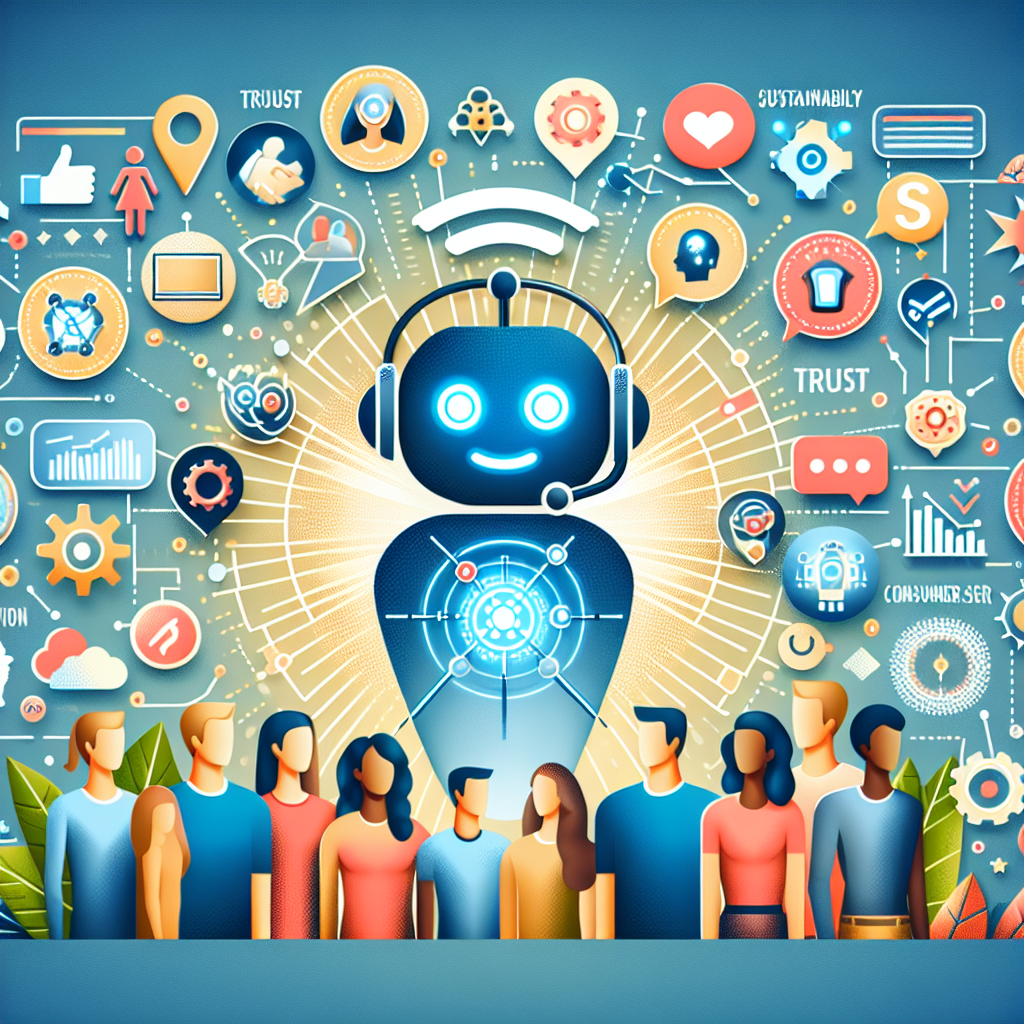
Chatbots and Customer Service: Enhancing the Consumer Experience
Introduction
In today’s fast-paced digital era, customer expectations are at an all-time high. Consumers seek instant responses and personalized service, paving the way for innovative technologies. One such innovation is the chatbot, a powerful tool that has significantly transformed customer service.
The Role of Chatbots in Customer Service
Chatbots are AI-driven applications that simulate conversations with users. By leveraging natural language processing and machine learning, they can understand and respond to customer inquiries in real time. This capability allows companies to provide 24/7 support, reducing wait times and enhancing user satisfaction.
Benefits of Using Chatbots
Integrating chatbots into customer service offers several advantages:
- Increased Efficiency: Chatbots handle multiple queries simultaneously, allowing human agents to focus on more complex issues.
- Cost-Effective: They reduce operational costs by minimizing the need for extensive customer service teams.
- Consistency: Chatbots provide uniform responses, ensuring that all customers receive the same level of service.
- Personalization: With data analytics, chatbots can offer tailored recommendations, enhancing the overall experience.
- Scalability: They can easily scale to accommodate high volumes of inquiries without compromising quality.
Challenges and Considerations
Despite their numerous benefits, deploying chatbots comes with challenges:
- Complex Queries: Not all customer inquiries can be resolved by a chatbot; human intervention remains crucial for intricate situations.
- Lack of Empathy: Chatbots lack emotional intelligence, which can sometimes lead to unsatisfactory customer interactions.
Companies must balance the use of chatbots and human agents to maximize customer satisfaction.
The Future of Chatbots in Customer Service
As technology advances, chatbots will become even more sophisticated. Future developments may include improved emotional recognition features, allowing chatbots to understand customer emotions better. This capability would enable them to provide more empathetic responses, further enhancing the consumer experience.