

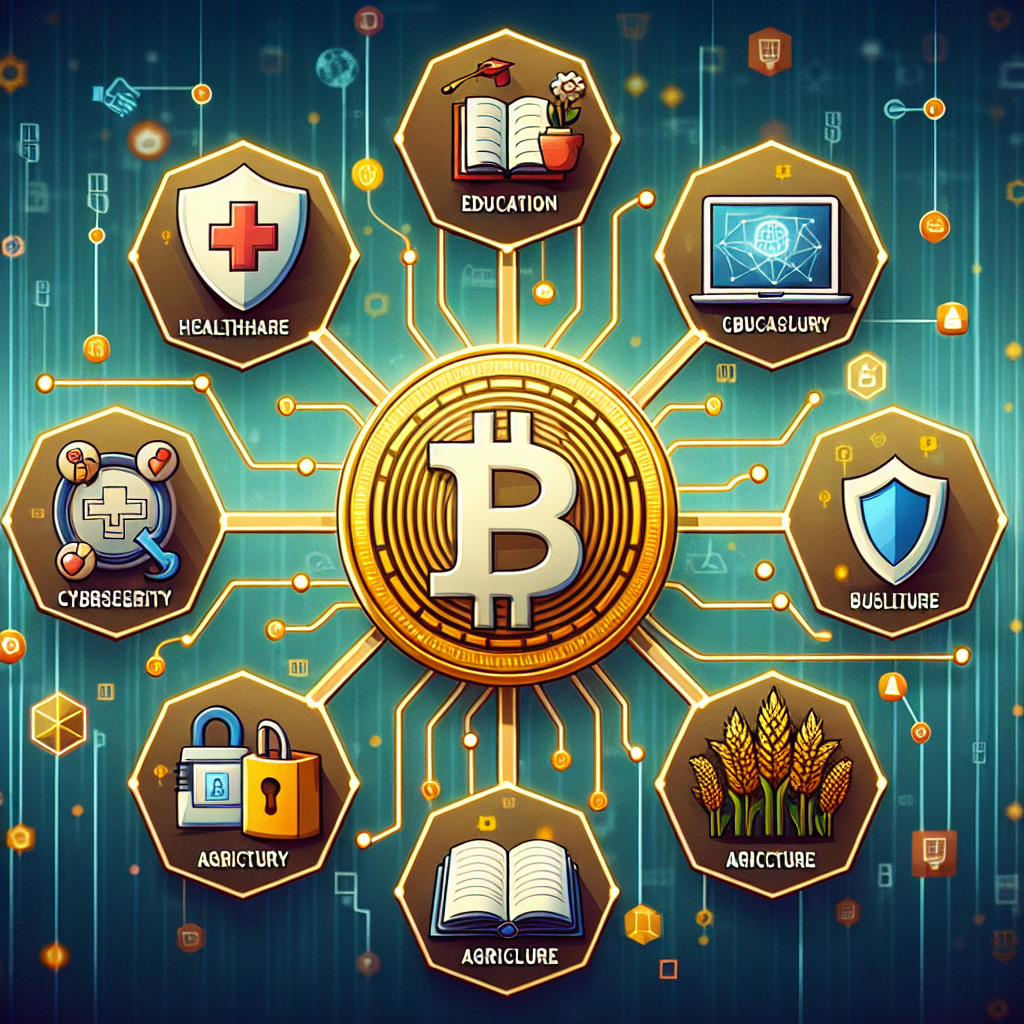
Blockchain Beyond Bitcoin: Exploring Innovative Use Cases
While Bitcoin remains the poster child for blockchain technology, its applications extend far beyond mere cryptocurrency. The revolutionary potential of blockchain is being harnessed across various industries, creating innovative solutions that challenge traditional business practices. In this article, we will explore some of the most exciting use cases of blockchain beyond Bitcoin.
1. Supply Chain Management
Blockchain technology can enhance transparency and efficiency in supply chains. By recording every transaction on a decentralized ledger, companies can track the origin and movement of goods in real-time. This not only increases accountability but also reduces fraud.
- Provenance Tracking: Companies can verify the authenticity of products, ensuring that consumers receive high-quality items.
- Efficiency: Automated smart contracts can streamline processes and reduce delays.
2. Healthcare
In the healthcare sector, blockchain offers a way to secure patient records and ensure data integrity. By allowing only authorized personnel to access sensitive information, blockchain can enhance patient privacy while enabling seamless data sharing among healthcare providers.
- Patient-Centric Control: Patients can have greater control over their medical records, deciding who can access their data.
- Streamlined Processes: Blockchain can simplify the billing and insurance claims process, reducing administrative burdens.
3. Voting Systems
Blockchain has the potential to make voting systems more secure, transparent, and accessible. By using decentralized ledgers, votes can be securely recorded and verified without the risk of tampering, thus improving public trust in electoral processes.
- Increased Participation: Remote voting made possible by blockchain can encourage higher voter turnout.
- Transparency: Every vote can be traced, promoting accountability among election officials.
4. Intellectual Property Rights
Blockchain can help creators protect their intellectual property rights by providing a clear record of ownership. This ensures that artists, authors, and inventors can receive fair compensation for their work without facing piracy or misuse.
- Digital Ownership: Smart contracts can facilitate automatic payments to creators when their work is used.
- Proof of Authenticity: A permanent record on the blockchain verifies the originality of creative works.
5. Financial Services
Beyond Bitcoin and cryptocurrencies, blockchain is reshaping financial services. From remittances to loans, blockchain can reduce costs and increase efficiency.
- Cross-Border Transactions: Blockchain can significantly reduce transaction times and fees associated with international money transfers.
- Decentralized Finance (DeFi): DeFi platforms are enabling users to lend, borrow, and earn interest on their assets without traditional banking intermediaries.
6. Real Estate
In real estate, blockchain can simplify the buying and selling process. By digitizing property records and using smart contracts, transactions can occur more swiftly and transparently.
- Reducing Fraud: Blockchain’s immutable nature helps to prevent title fraud and ensures clear ownership.
- Fractional Ownership: Investors can purchase shares of real estate properties, increasing market accessibility.
Conclusion
As industries continue to explore the capabilities of blockchain technology, the possibilities for innovation are virtually limitless. Beyond Bitcoin, blockchain has the potential to drive significant change in various sectors, improving efficiency, transparency, and security. As we move forward, it will be exciting to see how this technology evolves and transforms the way we conduct business and interact with one another.