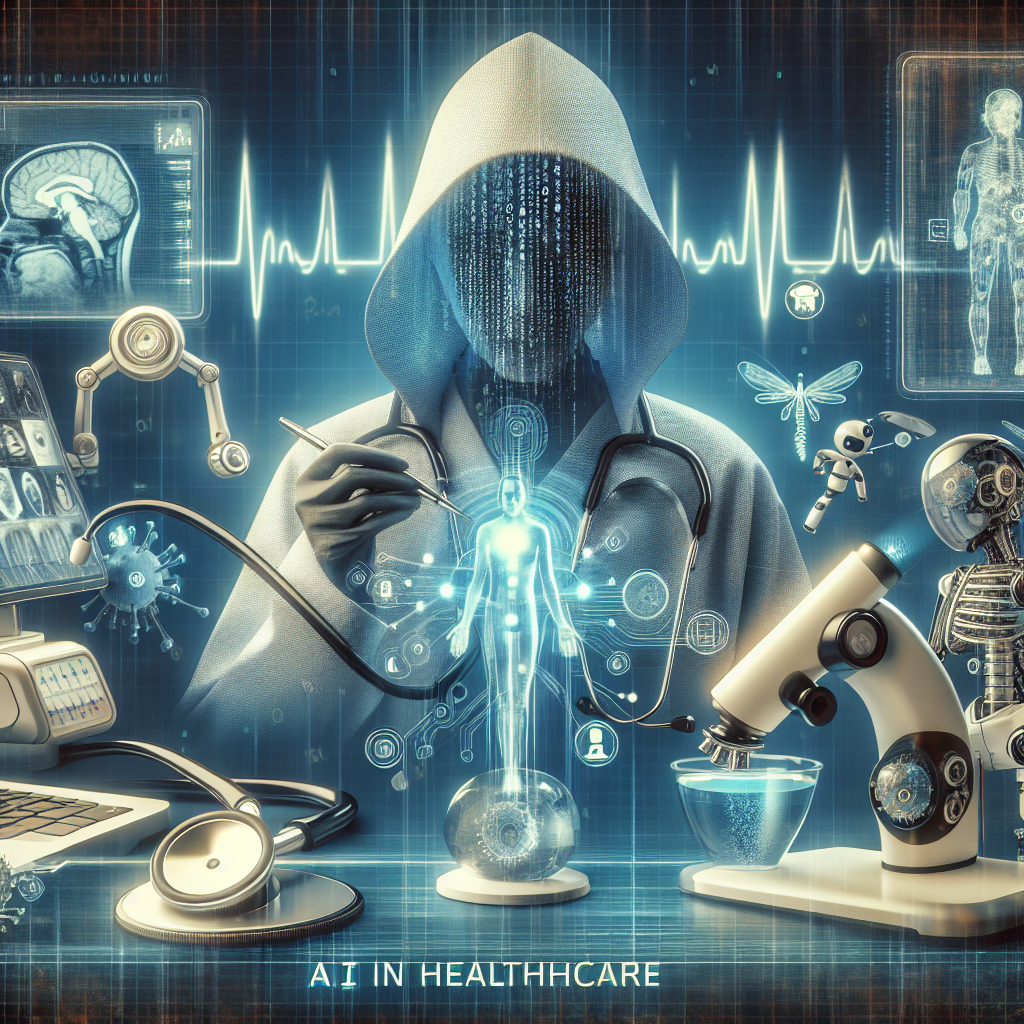
AI in Healthcare: Revolutionizing Patient Care and Diagnosis
Introduction
Artificial Intelligence (AI) is rapidly transforming many sectors, and healthcare is no exception. By enhancing diagnostic capabilities, streamlining patient management processes, and personalizing treatment plans, AI technology is paving the way for a new era in patient care.
<h2>Enhancing Diagnostic Accuracy</h2>
<p>One of the most significant contributions of AI in healthcare is in diagnostics. Machine learning algorithms can analyze medical images with precision, identifying patterns that may elude the human eye. For instance, AI applications in radiology can detect early signs of diseases such as cancer, often improving outcomes through earlier intervention.</p>
<h3>Radiology and Imaging</h3>
<p>AI tools are becoming invaluable in radiology, where deep learning models can classify images, suggest diagnoses, and even highlight areas of concern for radiologists. This not only speeds up the diagnostic process but also enhances accuracy, thereby reducing the chances of misdiagnosis.</p>
<h2>Streamlining Operations</h2>
<p>In addition to diagnostics, AI is revolutionizing healthcare operations. From appointment scheduling to patient follow-ups, AI systems can manage tasks efficiently, allowing healthcare professionals to focus more on patient care.</p>
<h3>Predictive Analytics</h3>
<p>AI-driven predictive analytics can forecast patient admissions, optimize staffing needs, and even manage inventory. By analyzing data trends, healthcare facilities can proactively address issues, leading to improved patient satisfaction and operational efficiency.</p>
<h2>Personalized Treatment Plans</h2>
<p>AI's ability to analyze vast amounts of data lays the groundwork for personalized medicine. By examining genetic information, lifestyle factors, and treatment responses, AI can help practitioners tailor specific treatment plans for individuals.</p>
<h3>Genomic Data Interpretation</h3>
<p>As genomic data becomes more accessible, AI tools can assist in interpreting complex genetic information, guiding clinicians in making informed decisions regarding drug therapies and potential genetic disorders.</p>
<h2>Challenges and Considerations</h2>
<p>Despite the promise of AI in healthcare, several challenges remain. Data privacy concerns, algorithmic bias, and the need for regulatory frameworks are critical issues that must be addressed to ensure ethical implementation of AI technologies.</p>
<h3>Ethics and Data Privacy</h3>
<p>Healthcare organizations must prioritize patient privacy and data security. Additionally, developing unbiased algorithms is paramount to ensuring equitable healthcare delivery across diverse populations.</p>
<h2>Conclusion</h2>
<p>AI is revolutionizing patient care and diagnosis in unprecedented ways. While challenges persist, the potential benefits of enhanced diagnostic accuracy, streamlined operations, and personalized treatment plans make it a cornerstone of future healthcare advancements. As technology continues to evolve, it will be crucial for healthcare professionals to embrace these innovations for a healthier tomorrow.</p>
</article>
<footer>
<p>© 2023 Healthcare Innovations. All Rights Reserved.</p>
</footer>