


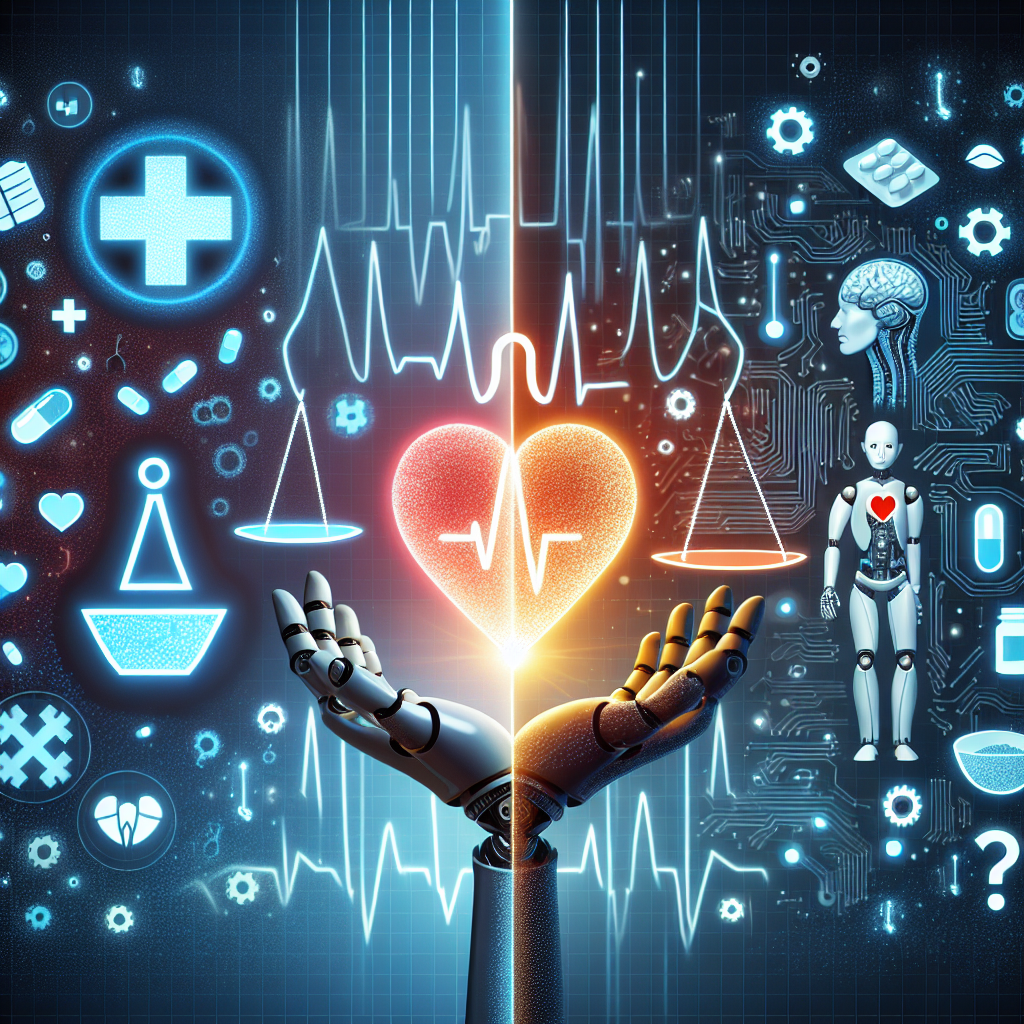
AI in Healthcare: Life-saving Innovations or Ethical Dilemmas?
The integration of Artificial Intelligence (AI) in healthcare is revolutionizing the industry, promising dramatic improvements in diagnosis, treatment, and patient outcomes. However, with these innovations come significant ethical dilemmas that society must address.
Life-saving Innovations
AI technologies have the potential to enhance various aspects of healthcare. Here are some key innovations:
- Early Diagnosis: AI algorithms can analyze medical images more accurately than some human experts, allowing for early detection of diseases like cancer.
- Predictive Analytics: By assessing large sets of patient data, AI can predict health risks and outcomes, enabling preventative measures and personalized treatment plans.
- Virtual Health Assistants: Chatbots and virtual assistants can offer 24/7 support to patients, answering questions and reminding them to take medications.
- Robotic Surgery: AI-powered robotic systems enhance the precision of surgeries, leading to fewer complications and quicker recoveries.
Ethical Dilemmas
Despite the numerous advantages, the rise of AI in healthcare raises several ethical concerns:
- Data Privacy: The utilization of patient data for training AI models raises questions about consent and the security of sensitive health information.
- Bias in Algorithms: If AI systems are trained on biased data, they may lead to systemic inequalities in diagnosis and treatment across different demographic groups.
- Accountability: In instances of misdiagnosis or errors, it remains uncertain who is held accountable: the AI developer, healthcare provider, or the institution?
- Job Displacement: As AI systems become more capable, there is concern about the potential displacement of healthcare professionals.
Finding a Balance
The challenge lies in harnessing the benefits of AI while addressing the ethical dilemmas it presents. Strategies to achieve this balance include:
- Implementing strict regulations to ensure the ethical use of AI in healthcare.
- Training AI systems on diverse datasets to mitigate bias.
- Involving healthcare professionals in the development of AI technologies to ensure that they complement, rather than replace, human expertise.
- Promoting transparency in AI decisions to foster trust between patients and providers.
Conclusion
AI has the potential to transform healthcare, offering life-saving innovations that can improve patient outcomes. However, it is imperative that stakeholders address the ethical dilemmas associated with these technologies. By fostering a dialogue that includes healthcare professionals, ethicists, and policymakers, we can shape a future where AI serves as a powerful ally in the quest for better health.
More related updates, Click Here