
AI in Healthcare: Innovations That Are Reshaping Patient Care
Artificial Intelligence (AI) is transforming various industries, but perhaps nowhere is its impact felt more profoundly than in healthcare. From diagnosis to treatment planning, AI innovations are enabling healthcare providers to deliver better patient care. Here are some key areas where AI is reshaping patient care:
1. Enhanced Diagnostics
AI algorithms can analyze medical images, patient data, and various test results with remarkable accuracy. Some notable applications include:
- Radiology: AI tools can help radiologists identify tumors and other abnormalities in X-rays, MRIs, and CT scans more quickly and accurately than traditional methods.
- Pathology: AI can assist pathologists in examining tissue samples and identifying patterns that may be overlooked by the human eye.
2. Personalized Treatment Plans
By analyzing genetic information and lifestyle factors, AI can help healthcare providers tailor treatments to individual patients. This results in:
- Targeted Therapies: AI can identify which patients are likely to respond to specific treatments, improving outcomes and reducing side effects.
- Predictive Analytics: Machine learning algorithms can predict disease progression, allowing for timely interventions.
3. Virtual Health Assistants
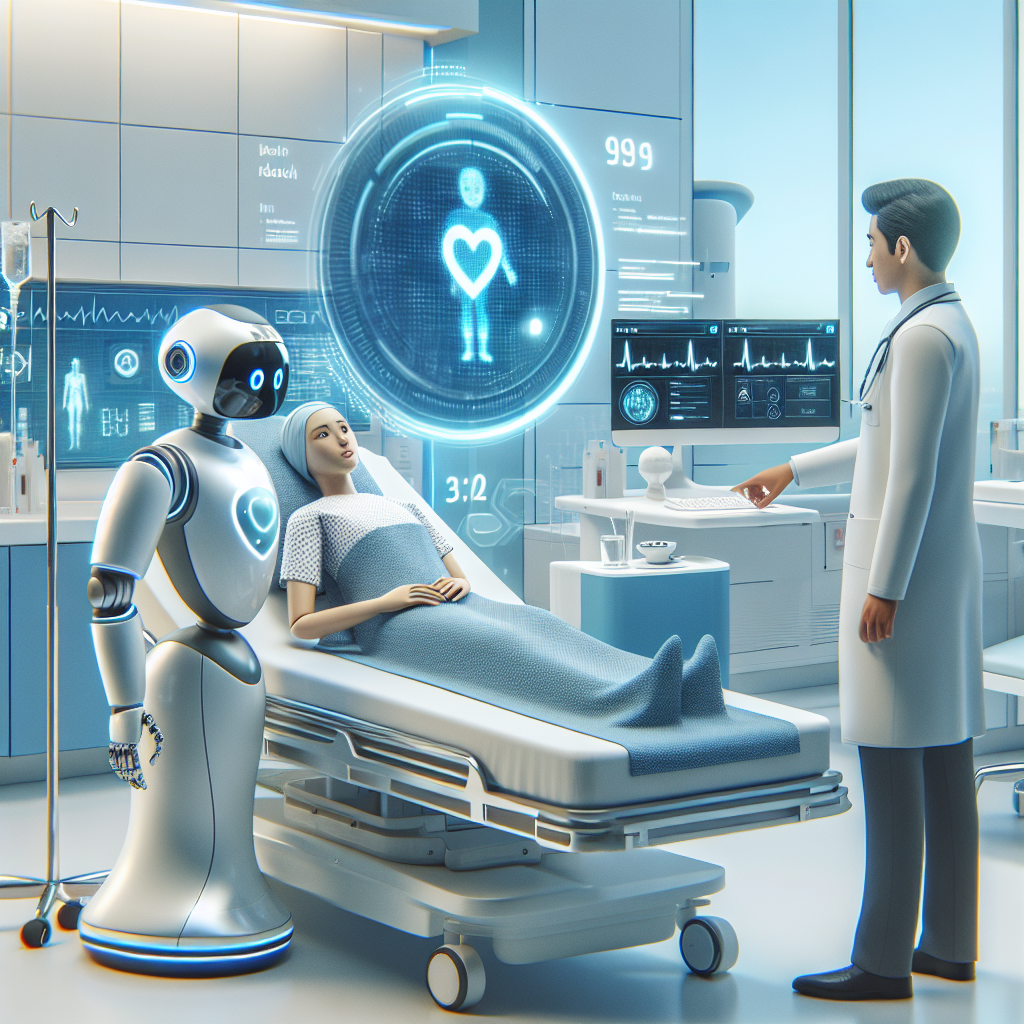
Chatbots and virtual assistants powered by AI are becoming common in patient care. They can:
- Provide Information: Answer patient queries regarding symptoms, medications, and treatment options.
- Monitor Patient Health: Track patient progress and remind them about medication schedules or upcoming appointments.
4. Administrative Efficiency
AI is streamlining administrative processes in healthcare. Some key applications include:
- Patient Scheduling: AI systems can optimize appointment scheduling to reduce wait times and enhance patient satisfaction.
- Billing and Coding: Automated billing systems can help reduce errors and administrative burdens, allowing healthcare providers to focus more on patient care.
5. Drug Discovery and Development
The drug development pipeline is often lengthy and costly. AI is expediting this process by:
- Identifying Potential Drug Candidates: Machine learning models can analyze complex biological data to discover new drug compounds faster.
- Trial Optimization: AI can help design clinical trials by identifying suitable candidates and predicting outcomes.
In conclusion, the integration of AI in healthcare is not just a trend; it’s a fundamental shift that is reshaping how we approach patient care. By enhancing diagnostics, personalizing treatments, and improving administrative processes, AI is paving the way for a more efficient and effective healthcare system. As these technologies continue to evolve, the future of healthcare looks promising and patient-centered.