AI Artistry: Exploring Creativity in the Age of Algorithms
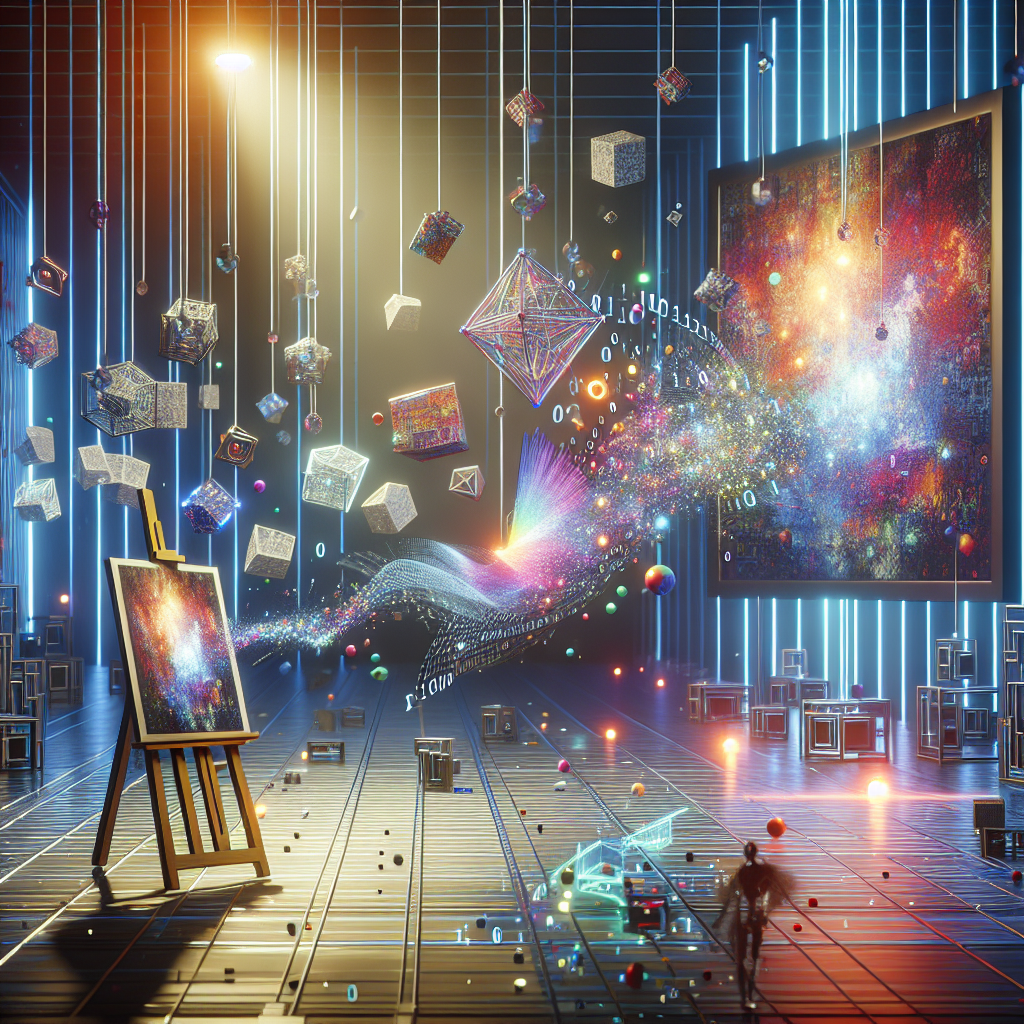
In recent years, the emergence of artificial intelligence (AI) has begun to transform the landscape of creativity and artistry. By using algorithms, AI can generate art that ranges from visual masterpieces to literary works, challenging our traditional understandings of creativity and the role of the artist.
The Intersection of Art and Technology
Historically, art has been a medium of human expression that reflects our thoughts, emotions, and experiences. However, with the advent of AI, the lines between human creativity and machine-generated content are becoming increasingly blurred. AI programs can analyze vast amounts of data, recognize patterns, and synthesize new ideas, all of which contribute to the creation of unique artistic outputs.
Understanding AI Art Generation
AI-art generation tools such as DeepArt, DALL-E, and others utilize neural networks that have been trained on extensive datasets of existing artworks. These tools can produce paintings, music, and even poetry that mimic the styles of famous artists or explore entirely new creative pathways. This raises questions about authorship, originality, and the definition of art itself.
Challenges and Critiques
Despite its potential, AI artistry is not without its challenges and critiques. Many purists argue that creativity is inherently a human trait that machines cannot replicate. Concerns about copyright, the authenticity of AI-generated works, and the impact of AI on traditional artists also provoke passionate debates within the artistic community.
The Future of AI in Art
Looking ahead, the co-creation between artists and AI presents exciting opportunities. Artists can leverage AI tools to enhance their creative processes, generate ideas, or explore new styles. Collaborative projects between humans and machines may redefine our perceptions of authorship and the very nature of artistic expression.
Conclusion
AI artistry invites us to reflect on the evolving definitions of creativity in an increasingly digital world. As we navigate the age of algorithms, it becomes crucial to embrace the potential of AI while fostering a dialogue about its implications for the future of art. Ultimately, this new frontier may not replace human creativity but rather expand it, leading to innovative forms of artistic expression.