AI and the Arts: Can Creativity Be Programmed?
Artificial Intelligence (AI) has made significant strides in various sectors, from healthcare to finance. However, one of the most fascinating and contentious debates surrounds its role in the arts. Can creativity, traditionally viewed as a uniquely human trait, be programmed into a computer? This article explores the intersection of AI and the arts, examining the implications for creativity, originality, and the future of artistic expression.
The Rise of AI in Artistic Creation
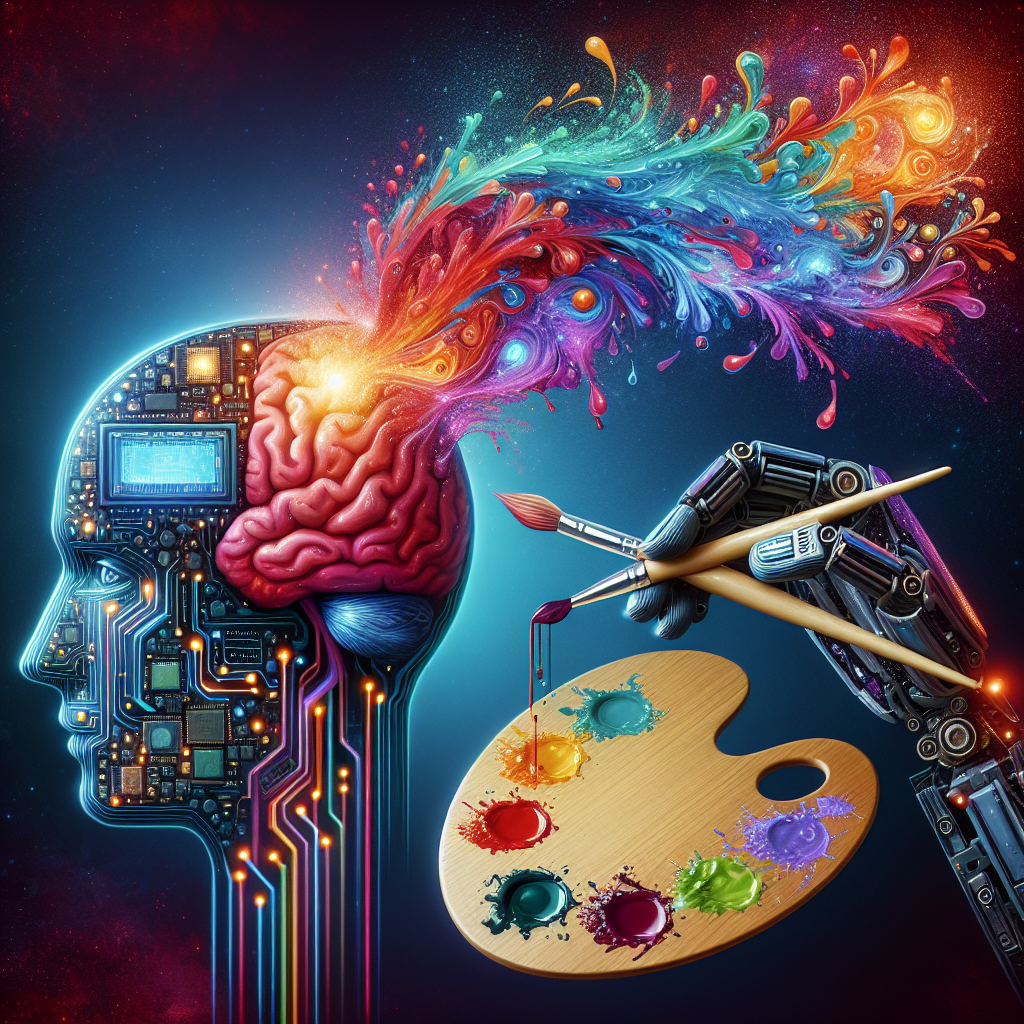
AI technologies are increasingly being utilized in various artistic fields, including visual arts, music, literature, and even film. Programs like DeepArt, OpenAI’s DALL-E, and Jukedeck use algorithms and neural networks to generate images, music, and stories. These AIs learn from existing works, analyzing patterns and styles to produce new content. But this raises a fundamental question: can an algorithm truly create something original?
Understanding Creativity
To answer this question, it’s essential to define creativity itself. Traditionally, creativity involves the ability to generate new ideas or concepts, as well as the ability to combine existing concepts in novel ways. It incorporates emotional depth, cultural context, and personal expression—features that are inherently human. Critics argue that while AI can mimic styles and produce works that seem creative, it lacks the human experiences and feelings that often fuel artistic expression.
AI as a Tool
Many artists and musicians view AI not as a replacement for human creativity, but as a powerful tool. AI can assist in brainstorming, generating ideas, or even completing projects. For example, artists have used AI to create collaborative works, where the AI proposes elements that the artist refines and develops. This partnership opens up new avenues for creativity, transforming the creative process rather than replacing it.
The Philosophical Debate
The rise of AI-generated art has sparked philosophical debates about authorship and originality. If an AI creates a piece of art, who owns it? The programmer, the user, or the AI itself? Furthermore, can AI-generated works be considered art if they lack intention and emotional depth? These questions challenge our understanding of what art is and who can be considered an artist.
The Future of AI in the Arts
As AI technology continues to evolve, its influence on the arts will likely grow. We may see enhanced collaborations between humans and AIs, leading to new art forms and genres that we have yet to imagine. However, the emotional and cultural richness of human creativity will likely remain irreplaceable, preserving the unique essence of human expression in the artistic realm.
Conclusion
In conclusion, while AI is transforming the landscape of the arts, it brings both opportunities and challenges. The question of whether creativity can be programmed remains contentious. For now, it appears that AI serves best as an enhancement of human creativity rather than a wholesale replacement. As we stand on the brink of a new era in artistic expression, the dialogue surrounding AI and the arts will continue to evolve, reflecting our changing understanding of creativity itself.