

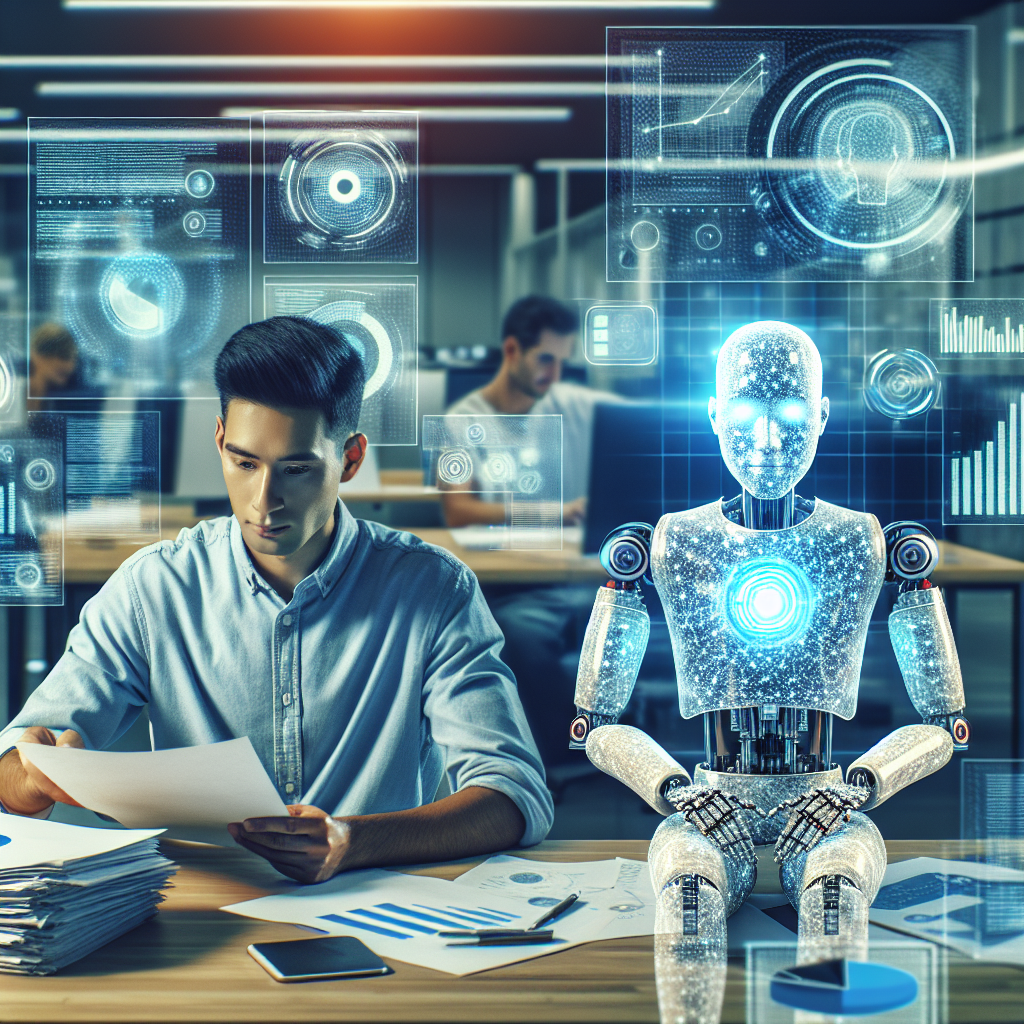
AI and Human Collaboration: Optimizing Workflows for Greater Efficiency
The rise of Artificial Intelligence (AI) has ushered in a new era of collaboration between humans and machines. As businesses strive for greater efficiency, the integration of AI into daily workflows is proving to be a game-changer. This article explores how AI can enhance human capabilities and optimize workflows for a more productive work environment.
The Role of AI in the Workplace
AI technologies are designed to automate routine tasks, analyze large datasets, and provide insights that were previously unattainable. The following are ways AI contributes to workplace efficiency:
- Automation of Repetitive Tasks: AI can handle time-consuming tasks such as data entry, scheduling, and customer inquiries, allowing employees to focus on more strategic responsibilities.
- Data-Driven Decision Making: AI tools can analyze patterns and trends in large datasets, helping organizations make informed decisions quickly and accurately.
- Personalized Customer Interactions: With AI chatbots and recommendation systems, businesses can offer personalized experiences, enhancing customer satisfaction.
- Predictive Analytics: AI can forecast market trends and customer behaviors, enabling organizations to stay ahead of the competition.
Enhancing Human Skills Through Collaboration
While AI can automate and analyze, the human touch remains irreplaceable. Effective collaboration between AI and human workers can lead to significant improvements in productivity. Here are some ways AI enhances human skills:
- Augmented Intelligence: AI acts as an assistant, providing insights and recommendations that empower employees to make better decisions.
- Skill Development: AI tools can offer personalized training modules based on individual employee performance, helping them grow in their roles.
- Creativity Boost: By taking over mundane tasks, AI frees up time for employees to engage in creative problem-solving and innovative thinking.
Implementing AI for Optimized Workflows
For organizations looking to implement AI into their workflows, consider the following steps:
- Identify Pain Points: Assess workflows to identify time-consuming or repetitive tasks that can be automated.
- Choose the Right Tools: Select AI solutions that align with business objectives and can integrate seamlessly into existing systems.
- Encourage Collaboration: Foster a culture that embraces AI as a partner rather than a replacement. Involve employees in the transition process to ensure buy-in.
- Measure Success: Regularly evaluate the impact of AI on workflows and efficiency, making adjustments as necessary to achieve optimal results.
The Future of AI and Human Collaboration
The future of work lies in the harmonious collaboration between human intelligence and artificial intelligence. As technology continues to evolve, so too will the possibilities for innovation and efficiency. Organizations that embrace this partnership will be well-equipped to navigate the challenges of tomorrow.
In conclusion, AI is not just a tool for automation; it is an enabler of human potential. By optimizing workflows and enhancing human capabilities, AI can create a more efficient, dynamic, and innovative workplace.