


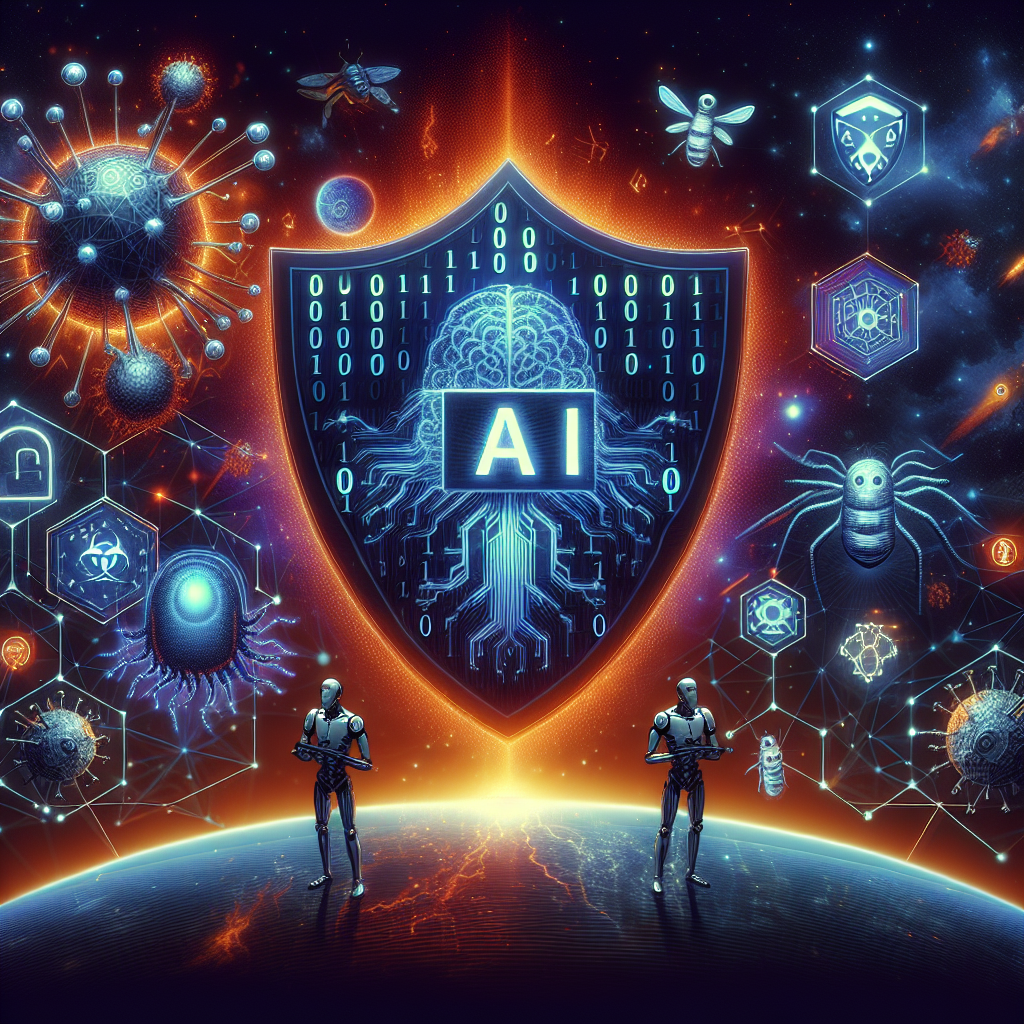
As digital landscapes evolve, the cyber threat landscape also becomes increasingly sophisticated. Traditional security measures are often incapable of keeping pace with these advances, making the integration of Artificial Intelligence (AI) vital for modern cybersecurity strategies.
Understanding AI and Its Relevance
AI refers to the simulation of human intelligence in machines programmed to think and learn. In cybersecurity, AI enhances the capability to detect threats, automate responses, and predict potential vulnerabilities.
Key Applications of AI in Cybersecurity
1. Threat Detection
AI algorithms can analyze vast amounts of data in real-time, identifying anomalies or patterns that may indicate security threats. Machine learning models can improve over time, becoming more adept at distinguishing between normal and suspicious behavior.
2. Automated Response
AI systems can automate responses to detected threats, significantly reducing the response time. For example, if a network breach is detected, the system can automatically quarantine affected areas and alert the IT team.
3. Phishing Protection
AI tools can analyze emails and web content to recognize potential phishing attempts. By assessing various factors such as sender reputation and content patterns, AI can flag or block suspicious communications before they reach users.
4. Predictive Analytics
By utilizing historical data and identifying trends, AI can predict potential security breaches and vulnerabilities. This proactive approach allows organizations to strengthen their defenses before an attack occurs.
The Benefits of AI in Cybersecurity
Speed: AI processes data faster than human analysts, enabling quicker threat detection and response.
Efficiency: Automation of routine security tasks free up cybersecurity professionals to focus on more complex issues.
Accuracy: Reduces the potential for human error in identifying security threats and incidents.
Challenges and Considerations
Despite its advantages, integrating AI into cybersecurity is not without challenges. Potential issues include algorithm bias, data privacy concerns, and the resource-intensive nature of deploying AI solutions. Organizations must ensure they have comprehensive strategies to address these challenges while maximizing the benefits of AI.
Conclusion
The role of AI in cybersecurity is rapidly expanding, providing organizations with powerful tools to combat evolving threats. By enhancing protection through automated detection, response, and predictive capabilities, AI not only bolsters an organization’s defense but also fosters a more secure digital environment for everyone.
More related updates, Click Here