


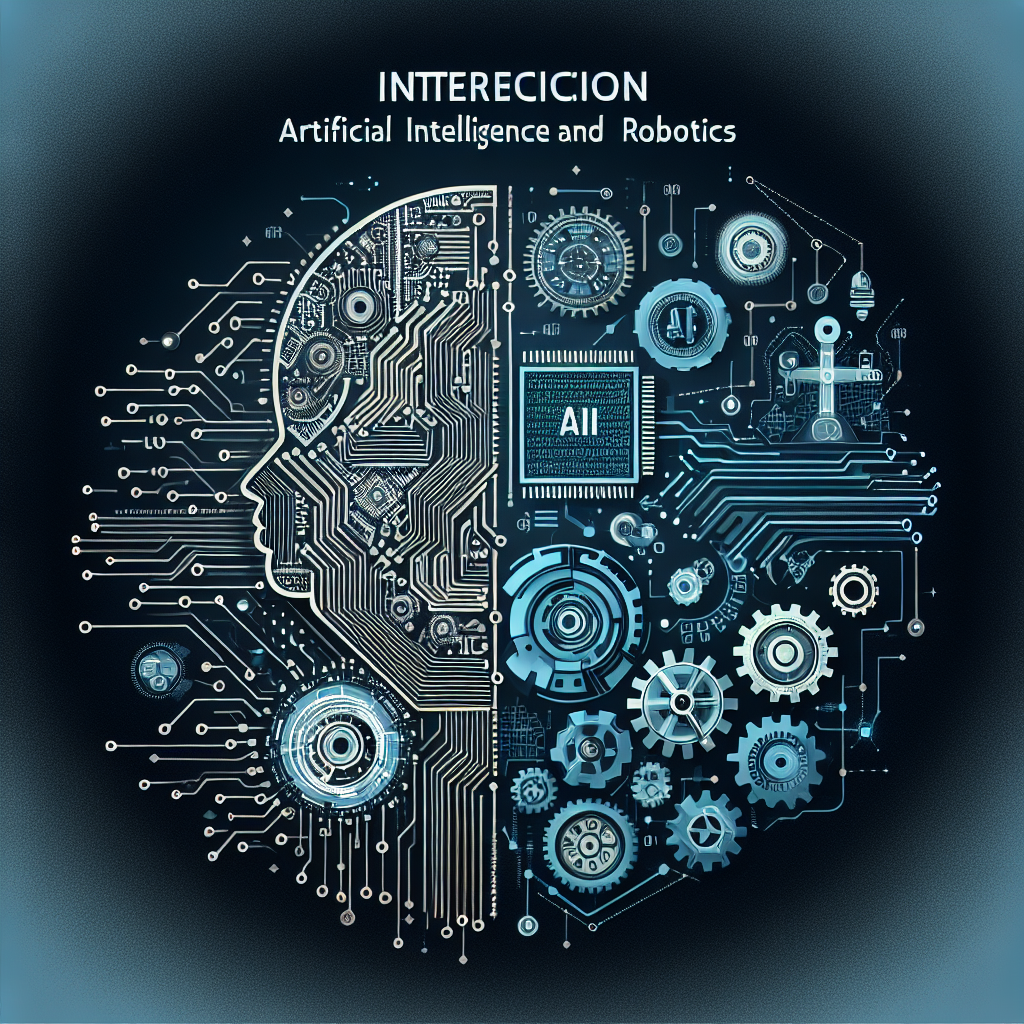
The Intersection of AI and Robotics: A New Era of Automation
The world stands on the brink of a technological revolution, driven by the convergence of artificial intelligence (AI) and robotics. This intersection is not just reshaping industries; it is redefining the way we live, work, and interact with our environment. Welcome to a new era of automation.
Understanding AI and Robotics
Artificial intelligence refers to the ability of machines to mimic human cognitive functions such as learning, reasoning, and problem-solving. Robotics, on the other hand, involves the design, construction, operation, and use of robots that can perform tasks autonomously or semi-autonomously. When combined, AI and robotics enable machines to not only perform repetitive tasks but also make informed decisions based on data.
The Advantages of Integrating AI in Robotics
The fusion of AI with robotics brings numerous advantages:
- Increased Efficiency: AI-powered robots can analyze their surroundings and adapt to changing conditions, improving operational efficiency.
- Enhanced Decision-Making: With access to vast amounts of data, AI allows robots to make smarter choices in real-time.
- Greater Autonomy: Robots equipped with AI can perform tasks without human intervention, leading to reduced labor costs and minimizing human error.
Applications in Various Sectors
The applications of AI and robotics span numerous sectors:
Manufacturing
In manufacturing, AI-driven robots streamline production lines, manage inventory, and enhance quality control.
Healthcare
In healthcare, robotic surgical assistants and AI diagnostic tools improve precision and patient outcomes.
Logistics
In logistics, autonomous delivery drones and self-driving trucks optimize supply chain processes.
Everyday Life
In everyday life, AI-powered personal assistants and smart home devices enhance convenience and security.
Challenges and Ethical Considerations
Despite the potential, the integration of AI and robotics raises several challenges:
- Job Displacement: Automation may lead to job loss in certain sectors, necessitating job retraining and reskilling efforts.
- Ethical Concerns: The use of AI in decision-making processes raises questions about bias, accountability, and transparency.
- Security Risks: As robots become more autonomous, the potential for misuse or malfunction increases, posing security threats.
The Future of AI and Robotics
The future of AI and robotics is promising. As technology continues to advance, we can expect even more sophisticated applications that blur the lines between the digital and physical worlds. Collaboration between policymakers, technologists, and the public is essential to ensure that the benefits of this new era of automation are shared widely and equitably.
In conclusion, the intersection of AI and robotics is heralding a new era of automation that holds immense potential. By addressing the challenges and capitalizing on the advantages, we can move towards a future where technology enhances the quality of life for all.
More relevant updates