


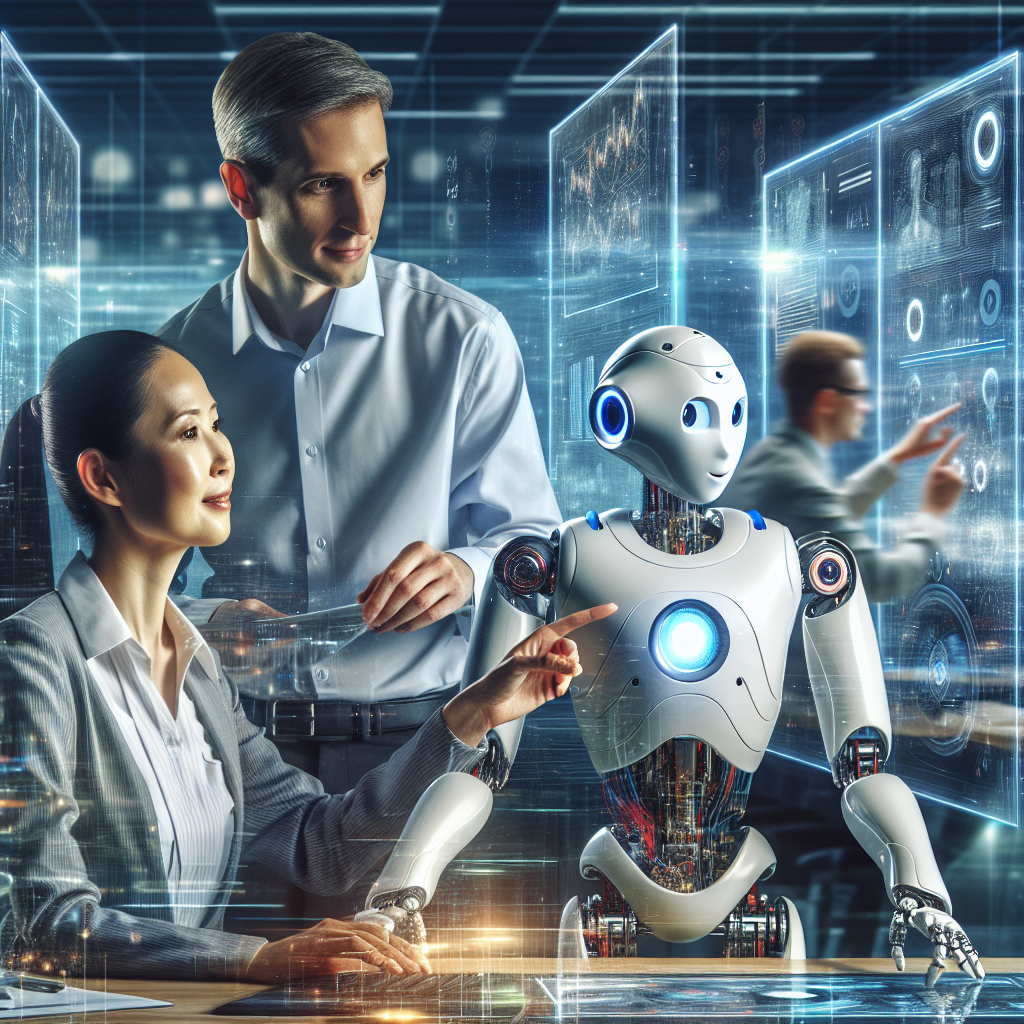
The integration of artificial intelligence (AI) in the workplace is transforming industries and redefining job roles. As we venture further into the 21st century, understanding how to effectively collaborate with AI systems is essential for maximizing productivity, creativity, and innovation.
The Rise of AI in the Workplace
AI technologies, such as machine learning, natural language processing, and computer vision, are increasingly being employed across various sectors including healthcare, finance, manufacturing, and customer service. These tools are designed to analyze vast amounts of data, automate repetitive tasks, and provide actionable insights.
Enhancing Human Capabilities
Rather than replacing human jobs, AI complements our capabilities. For instance, in healthcare, AI can assist doctors by rapidly analyzing medical images or predicting patient outcomes based on data analysis, leaving medical professionals free to focus on patient care and complex decision-making.
Challenges of Human-AI Collaboration
While the potential benefits of AI are significant, navigating the challenges that come with this technology is crucial. Issues such as job displacement, data privacy concerns, and ethical considerations around AI decisions present barriers to effective collaboration.
Job Displacement vs. Job Transformation
A common fear surrounding AI is job loss; however, many experts argue that AI will transform job roles rather than eliminate them. As AI takes over routine tasks, new opportunities will arise, requiring workers to adapt and learn new skills that emphasize creativity, emotional intelligence, and critical thinking.
Fostering a Collaborative Culture
Organizations must cultivate an environment that encourages human-AI collaboration. Training programs that focus on AI literacy are essential to prepare employees for this collaboration. Encouraging a culture of continuous learning and openness to new technology will facilitate smoother transitions and enhance workforce capabilities.
Implementing Feedback Mechanisms
Regular feedback mechanisms should be established to evaluate the effectiveness of AI systems. Collecting input from employees on AI tools and their impact on work processes can help organizations adjust their strategies to improve collaboration and efficiency.
Conclusion
The future of work will be defined by the collaboration between humans and AI. By understanding the strengths and limitations of AI technologies and fostering a culture of teamwork, organizations can navigate this new frontier effectively. Embracing this partnership will lead to greater innovation, productivity, and job satisfaction.
As we move forward, the focus will not just be on what AI can do but on how we can work together to elevate our capabilities and shape a better future.
Stay-tuned with us on our website