


Introduction
The Impact of AI on Job Markets
AI technologies, including machine learning and data analytics, are revolutionizing industries by improving efficiency and productivity. However, this evolution comes with both opportunities and challenges. Certain jobs, particularly those involving repetitive tasks, are at high risk of automation. For example, roles in manufacturing and basic customer service are being transformed or replaced by AI-driven solutions.
Emerging Job Categories
While some job categories are fading, new roles are surfacing that require human oversight of AI technologies. Important fields that are predicted to grow include:
- Data Analysis: As businesses accumulate vast amounts of data, skilled data analysts will be crucial in interpreting this information.
- AI Ethics and Compliance: With the rise of AI, the need for ethical guidelines and compliance will create opportunities for professionals dedicated to ensuring responsible AI usage.
- AI Maintenance and Development: Roles focused on developing, maintaining, and improving AI systems will become central to tech companies and beyond.
Skills for the Future
To thrive in an AI-driven job market, workers will need to develop a mix of technical and soft skills:
- Adaptability: The ability to learn new tools and adapt to changes will be vital as AI technologies evolve.
- Collaborative Skills: Teamwork and communication will continue to be crucial as humans and AI work together.
- Critical Thinking: The capacity to think critically about data and AI systems will be essential for making informed decisions.
Conclusion
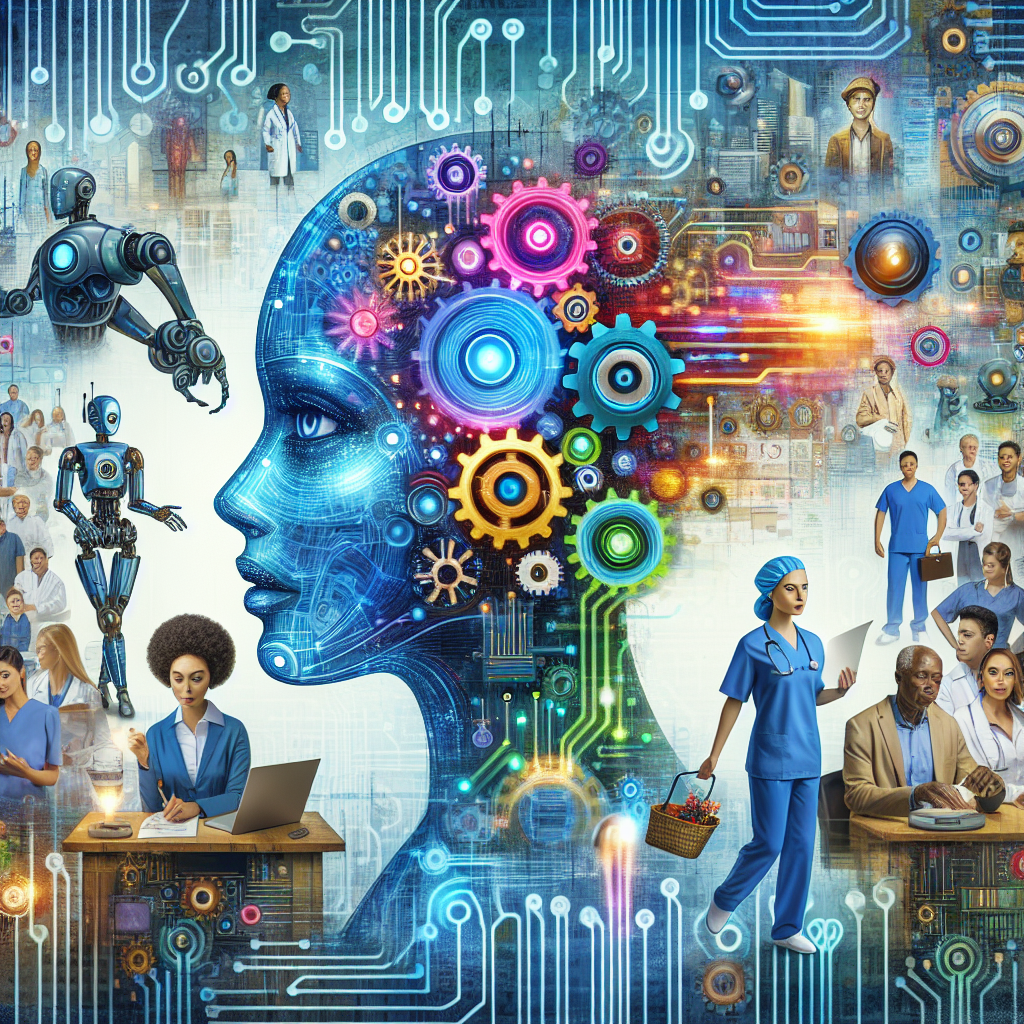
The future of work in the age of AI is not merely about job loss but also about transformation and creation. As AI becomes more embedded in various sectors, workers who embrace ongoing learning and flexibility will find new opportunities in a dynamic job landscape. By understanding the implications of AI and preparing accordingly, we can shape a future where technology and human potential coexist harmoniously.
Stay-tuned with us on our website