


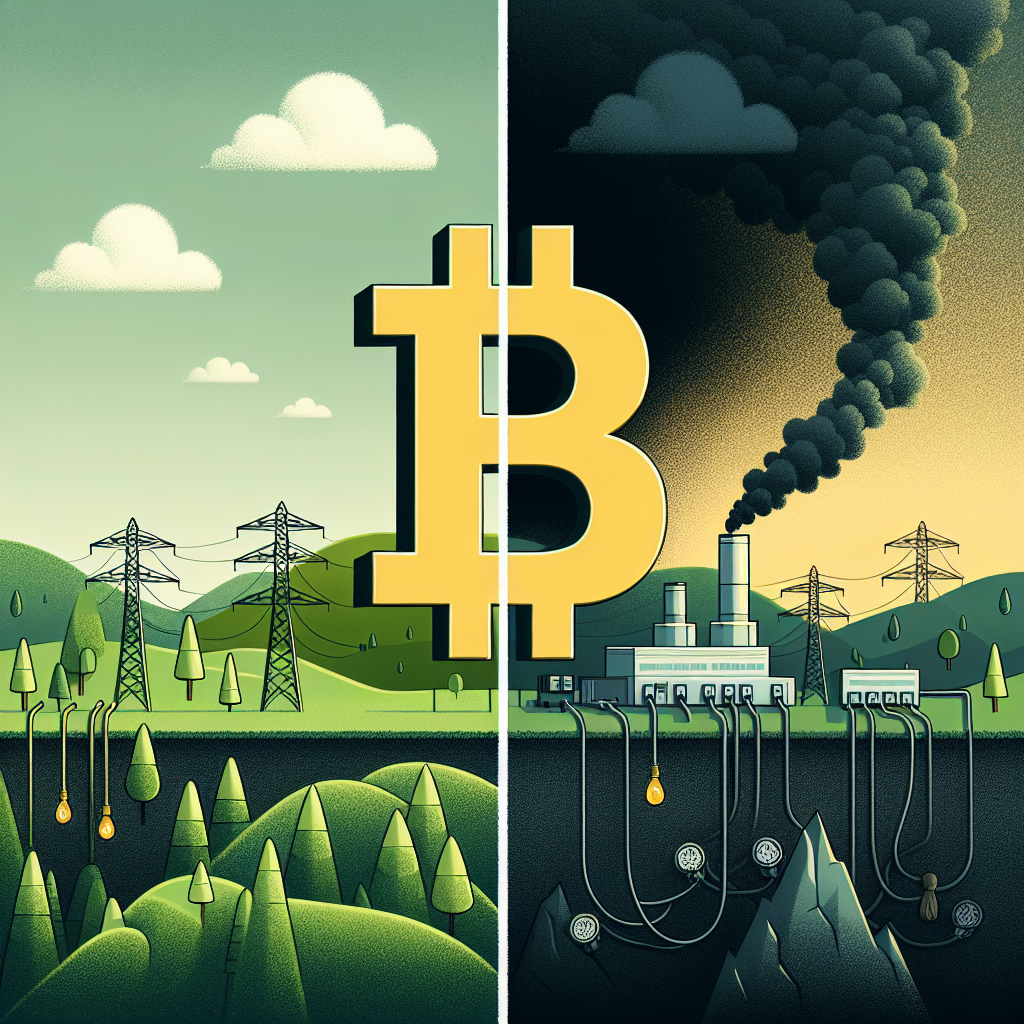
Bitcoin mining has emerged as one of the most talked-about topics in the cryptocurrency world. While it has generated significant wealth and fostered innovation, it has also been criticized for its potential environmental impact. In this article, we’ll explore the myths and realities surrounding Bitcoin mining’s ecological footprint.
Understanding Bitcoin Mining
Bitcoin mining is the process of validating transactions on the Bitcoin network and adding them to the blockchain. This process requires substantial computational power, as miners compete to solve complex mathematical problems. The rewards for successful mining are new bitcoins and transaction fees.
Myth 1: Bitcoin Mining Is Universally Harmful to the Environment
Many people believe that any energy used for Bitcoin mining contributes significantly to carbon emissions. However, the reality is more nuanced:
- Energy Sources: The energy mix used for mining varies widely by region. Some areas utilize renewable energy sources like hydro, solar, and wind power. For example, regions in Iceland and Norway benefit from abundant geothermal and hydroelectric energy.
- Efficiency of Technology: Advances in mining technology have led to more energy-efficient mining hardware, reducing the overall energy consumption per transaction.
Myth 2: Bitcoin Mining Is a Major Contributor to Climate Change
While Bitcoin mining does consume a considerable amount of energy, it is essential to consider its share relative to other energy-consuming industries:
- Studies show that Bitcoin mining accounts for approximately 0.5% to 1% of total global energy consumption.
- Industries such as banking, gold mining, and traditional financial systems also consume substantial energy, often without similar scrutiny.
Reality: Bitcoin’s Journey towards Sustainability
Some projects within the Bitcoin ecosystem are dedicated to improving sustainability:
- Renewable Energy Initiatives: Numerous mining operations are actively seeking access to renewable energy sources to minimize their carbon footprint.
- Carbon Offsetting: Some miners are investing in carbon offset projects to balance out their environmental impact.
The Path Forward: Striking a Balance
While the criticisms of Bitcoin mining’s environmental impact hold some truth, it is equally important to evaluate the ecosystem’s evolution. As technologies develop and become more energy-efficient, the emphasis on renewable energy sources can increase. Policymakers and industry stakeholders must collaborate to establish frameworks that promote sustainability in cryptocurrency mining.
Conclusion
Like many technologies, Bitcoin mining presents both challenges and opportunities in the context of environmental sustainability. Separating myth from reality is crucial for understanding its true impact. Through innovation and a commitment to renewable energy, the cryptocurrency mining industry can work towards a more sustainable future.
For more information about Bitcoin mining and its implications, visit the official Bitcoin website.
More related updates, Click Here