


Introduction
What Are Smart Homes?
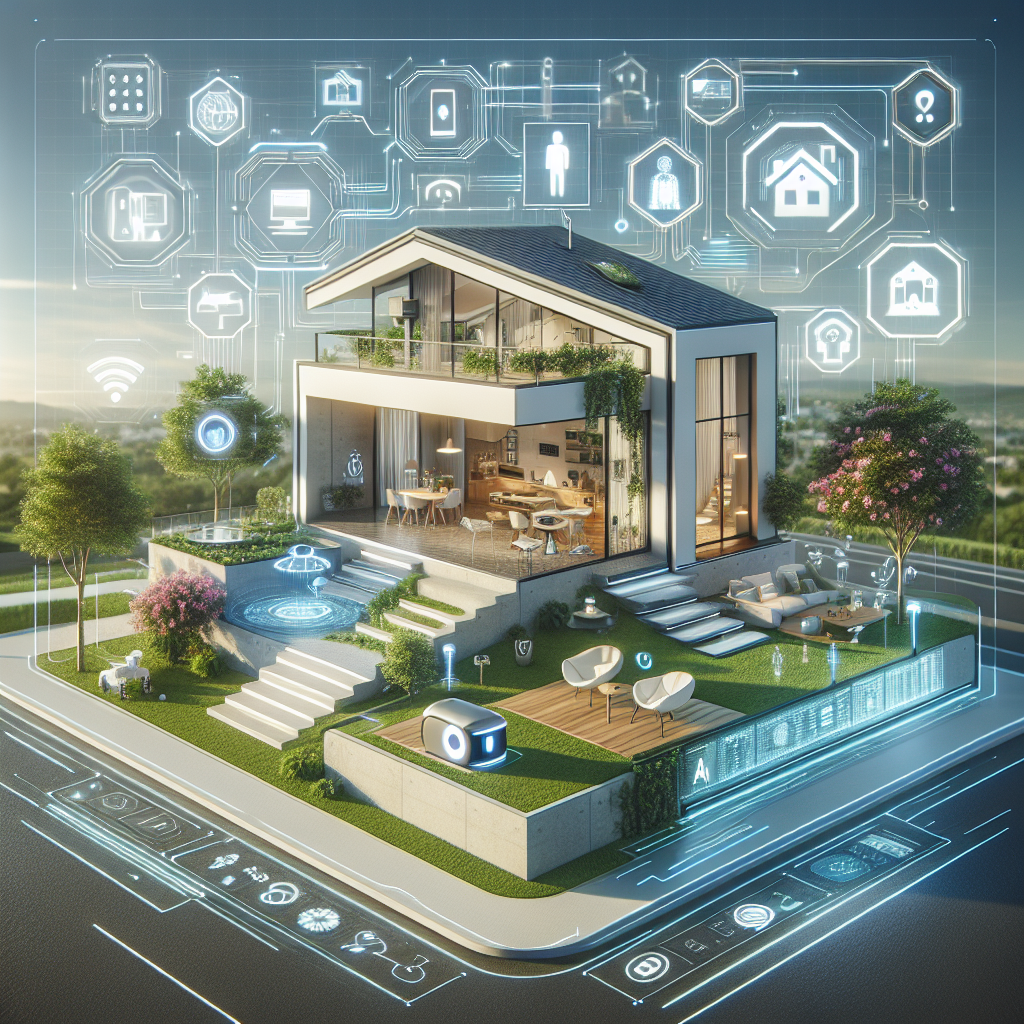
Smart homes are residences equipped with devices that connect to a common network. These devices, which include everything from smart thermostats and security systems to refrigerators and lighting, can be controlled remotely through smartphones or other networks. This interconnected ecosystem creates a seamless living experience, enhancing comfort, efficiency, and security.
The Role of AI in Smart Homes
Artificial intelligence plays a pivotal role in making smart homes truly “smart.” Here are some ways AI enhances the functionality of smart homes:
1. Automation
Smart devices can learn from user behavior and optimize their functions accordingly. For example, smart thermostats can adjust temperatures based on historical data and preferences, ensuring energy efficiency and comfort.
2. Predictive Maintenance
AI algorithms can analyze data from home appliances and alert homeowners when maintenance is needed. This proactive approach can prevent larger issues down the line, saving time and money.
3. Enhanced Security
AI-powered security systems can identify unusual patterns, such as unknown faces or movements, and alert homeowners in real time. This offers a level of security that traditional systems cannot provide.
The Benefits of Smart Homes
Embracing smart home technology through AI brings numerous benefits:
- Convenience: Control your home with just a few taps on a smartphone.
- Energy Efficiency: Smart systems can significantly reduce energy consumption, lowering bills.
- Safety: Enhanced security features protect homes and offer peace of mind.
- Increased Property Value: Smart homes tend to attract buyers, increasing property value.
Challenges Ahead
Despite the many advantages, challenges remain. Privacy concerns regarding data collection, interoperability between various smart devices, and the initial cost of implementation are significant hurdles that homeowners and manufacturers must address.
The Future of Smart Living
As technology continues to advance, smart homes will become more sophisticated with AI at the core of their operation. With advancements in machine learning, IoT (Internet of Things), and cloud computing, we can expect a future where homes not only learn from occupants but also predict needs and optimize living conditions in real-time.
Conclusion
Smart homes powered by AI represent the forefront of modern living. As technology evolves, our homes will likely transform into highly personalized sanctuaries, offering comfort, security, and efficiency like never before. The future of living is here, and it is indeed smart.
Visit our website to get more updates