


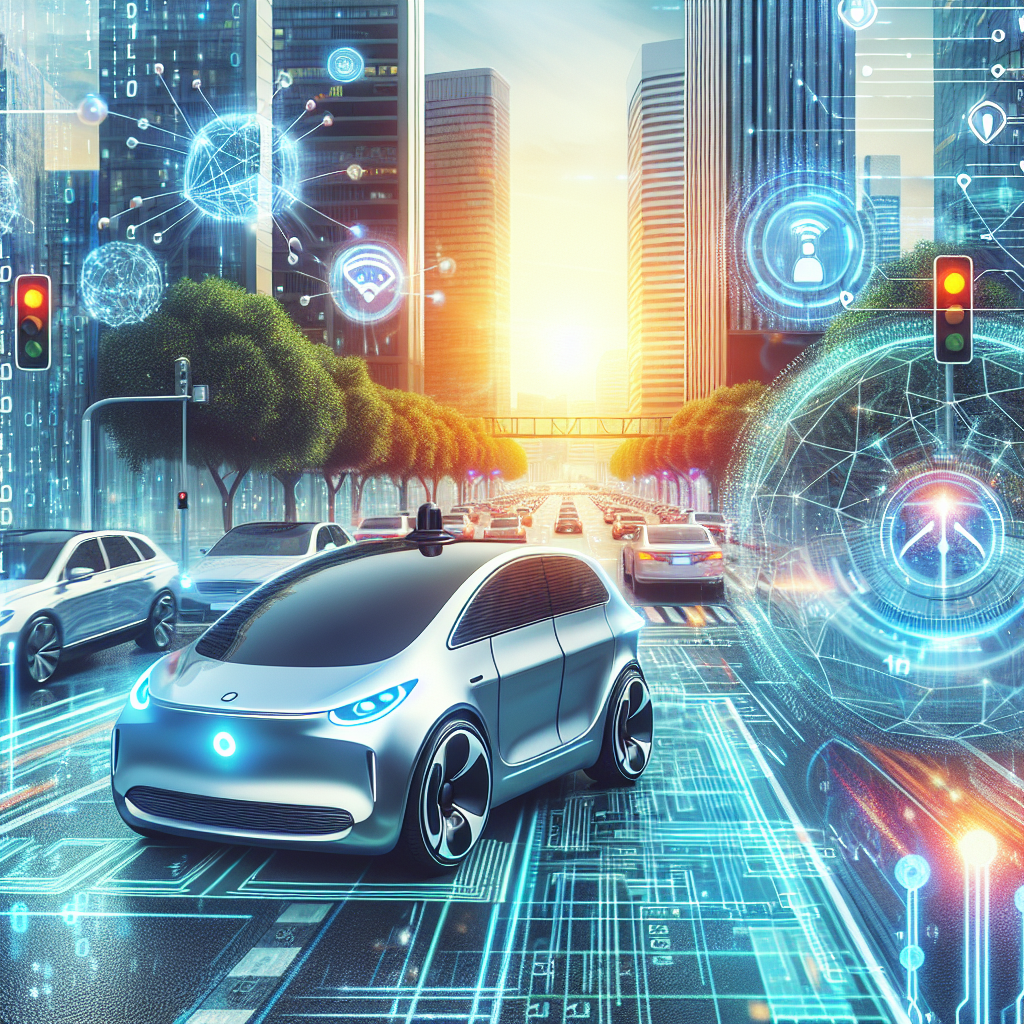
The Rise of Autonomous Vehicles
Major automobile manufacturers and tech companies alike are investing billions into the development of AV technology.
The objective is clear: to create vehicles that can navigate without human intervention, improving safety, efficiency,
and overall driving experience.The Role of Artificial Intelligence
analyze, and respond to their environment in real time.
The integration of AI into AV systems entails several critical components:
- Computer Vision: Using cameras and sensors, AI enables vehicles to identify
objects, pedestrians, and road conditions. - Machine Learning: AVs continuously learn from data inputs, adapting
to new scenarios and improving decision-making processes over time. - Path Planning: AI algorithms determine the most efficient and safest routes,
considering traffic patterns and road conditions. - Predictive Analytics: AI predicts the behavior of other road users, allowing AVs
to make informed decisions that enhance safety.
Challenges Ahead
Some of these include:
- Regulatory Hurdles: Governments worldwide are still developing regulations
to govern the use of AVs on public roads. - Safety Concerns: Public trust in AV technology needs to be earned, especially
following accidents involving autonomous systems. - Technological Limitations: There are still technical limitations that need to
be addressed, including handling complex driving scenarios and weather conditions.
The Future Landscape
of AI not only fuels advancements in AVs but also brings new opportunities for enhancing urban mobility,
reducing traffic congestion, and improving accessibility for all.Collaboration between tech companies, automotive manufacturers, and regulatory bodies will be essential
to navigate the complexities involved in bringing AVs to the masses.
Visit our website to get more information