


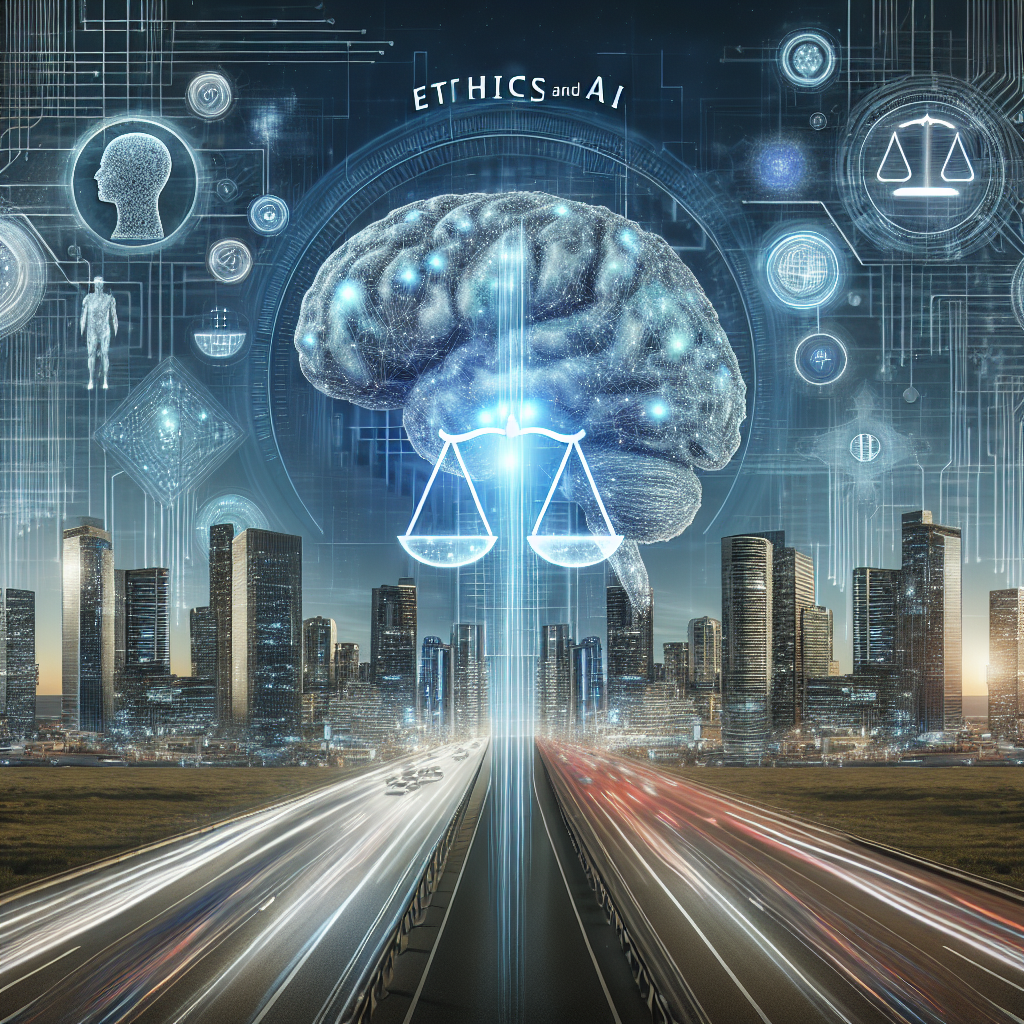
Ethics and AI: Navigating the Challenges of a Tech-Driven World
As artificial intelligence (AI) continues to permeate various facets of our lives, from healthcare to finance to entertainment, it raises critical questions about ethics. The human ability to create machines that learn, adapt, and make decisions is groundbreaking, yet it remains fraught with ethical challenges that need to be addressed.
The Dual-Edged Sword of AI
AI can be seen as a dual-edged sword: it has the potential for unprecedented benefits, such as improved efficiency and innovation, but it also carries risks. These challenges include bias in algorithms, privacy invasion, and the potential for job displacement. As we integrate AI more deeply into our lives, understanding these challenges is crucial.
Bias and Discrimination
One of the most significant ethical concerns surrounding AI is bias. Algorithms are often only as good as the data they are trained on. If the data reflects societal inequalities, the AI model may perpetuate or even exacerbate these biases. For example, studies have shown that facial recognition systems can misidentify individuals based on race or gender, leading to significant real-world implications.
Data Privacy
Another pressing issue is the collection and use of personal data. AI systems often rely on vast amounts of data to function effectively. This data can include sensitive information about individuals, raising concerns about privacy and consent. Questions such as “Who owns our data?” and “How is it being used?” are fundamental to the ethics of AI.
Regulation and Accountability
As AI technologies continue to evolve, so too must the policies and frameworks that govern their use. There is a growing call for regulations that ensure accountability in AI development. Transparent practices, ethical guidelines, and clear accountability structures are vital to managing AI’s influence on society.
The Role of Developers and Organizations
Developers and organizations play a crucial role in addressing these ethical challenges. They must prioritize ethical considerations throughout the AI development process, from concept to deployment. This may include conducting bias audits, ensuring diverse data sets, and actively engaging with stakeholders to understand the implications of their technologies.
A Path Forward
To navigate the ethical landscape of AI, collaboration between tech companies, governments, ethicists, and the public is essential. By fostering transparency, encouraging diverse perspectives, and implementing robust ethical guidelines, we can harness the power of AI responsibly. The aim should not only be to advance technology but also to enhance human well-being and societal fairness.
In conclusion, while AI presents remarkable opportunities for progress, it also necessitates a careful examination of the ethical implications. By proactively addressing these challenges, we can pave the way for a tech-driven world that aligns with our collective values and priorities.
Visit our website to get more updates