

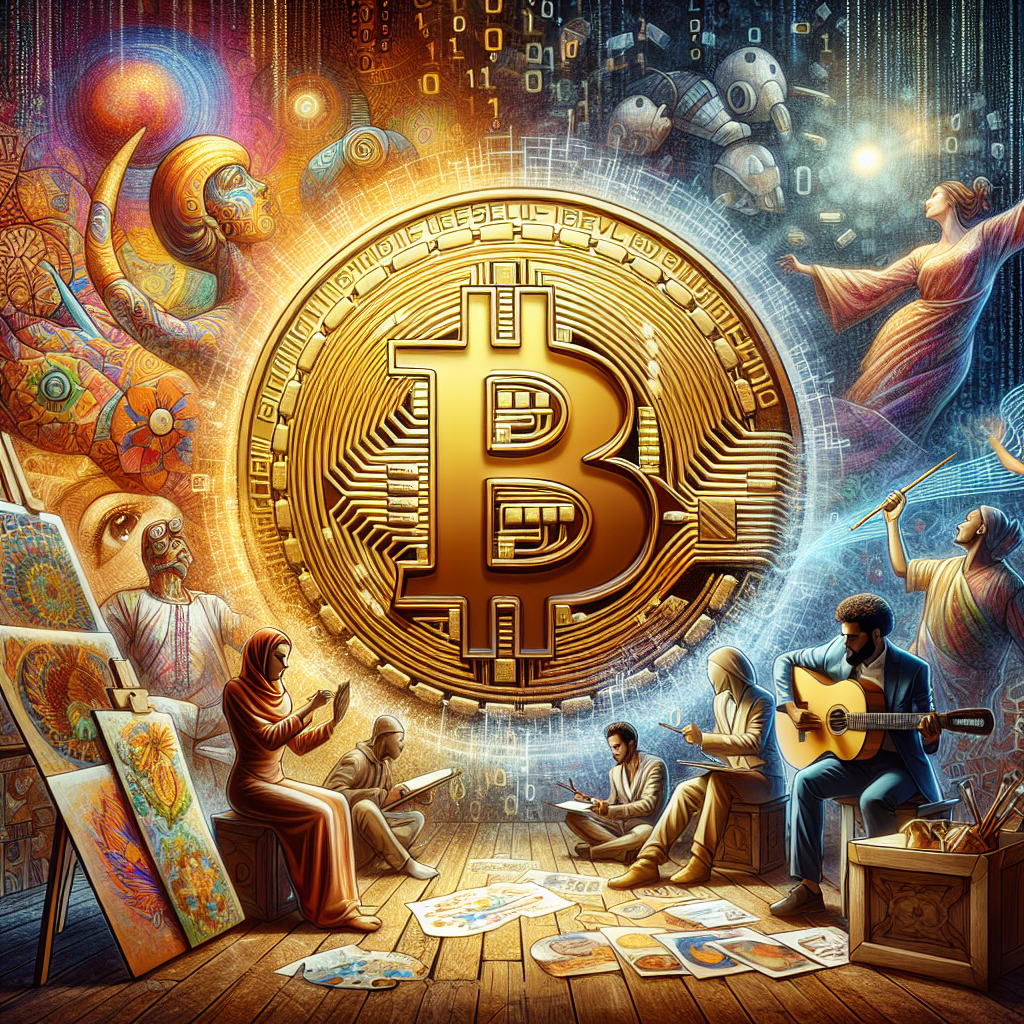
The rapid development of cryptocurrency has not only transformed financial systems but also significantly impacted various cultural domains, particularly art and music. As digital currencies evolve, they are reshaping traditional practices in these creative fields, providing both opportunities and challenges.
1. The Rise of NFTs in Art
Non-fungible tokens (NFTs) have emerged as a revolutionary force in the art world. Artists can now tokenize their work, creating digital certificates of ownership that can be bought and sold on blockchain platforms. This new medium allows:
- Authentication of digital art, making it easier for artists to prove provenance.
- Direct sales to collectors, reducing reliance on galleries and auction houses.
- The opportunity for royalties on resales, enabling artists to benefit from future sales of their works.
Prominent sales, such as Beeple’s digital artwork fetching $69 million at Christie’s, exemplify the monetary potential of NFTs, while also highlighting the cultural significance of digital art.
2. Music in the Age of Cryptocurrency
Just as in the art world, cryptocurrency is redefining how music artists engage with fans and monetize their work. Platforms such as Audius and Zora enable musicians to:
- Upload music without intermediaries, allowing for a greater share of revenue.
- Engage directly with their audiences through tokenized experiences or special content.
- Offer exclusive access to concerts and merchandise for cryptocurrency holders.
Moreover, using blockchain technology assists in copyright management, ensuring that artists receive fair compensation for their creations.
3. Cultural Shifts and Community Building
Digital currency fosters new communities and cultural movements. The collaborative nature of blockchain technology allows artists and musicians to connect, share resources, and engage in collective projects. Some emergent cultural trends include:
- Decentralized Autonomous Organizations (DAOs): Art and music collectives that govern themselves through community voting using cryptocurrency.
- New artistic genres: The fusion of technology and creativity, leading to innovative forms of expression.
- Online communities: Platforms for support and collaboration, breaking geographical barriers.
4. Criticism and Challenges
While the intersection of crypto and culture offers exciting possibilities, it also faces criticism. Concerns over:
- Environmental impact: The energy consumption of blockchain networks has raised sustainability questions.
- Market volatility: The uncertainty of cryptocurrencies can pose risks to artists and investors.
- Access and inclusion: There is potential for a digital divide, where only those with resources benefit from these advancements.
Conclusion
As cryptocurrencies continue to grow, their influence on art and music is undeniable. From empowering creators and fostering innovation to presenting new challenges, the relationship between digital currency and cultural expression is still evolving. The future promises further transformation, making it essential for artists and musicians to navigate this new landscape thoughtfully.
To find out more,keep on visiting our website