


Introduction
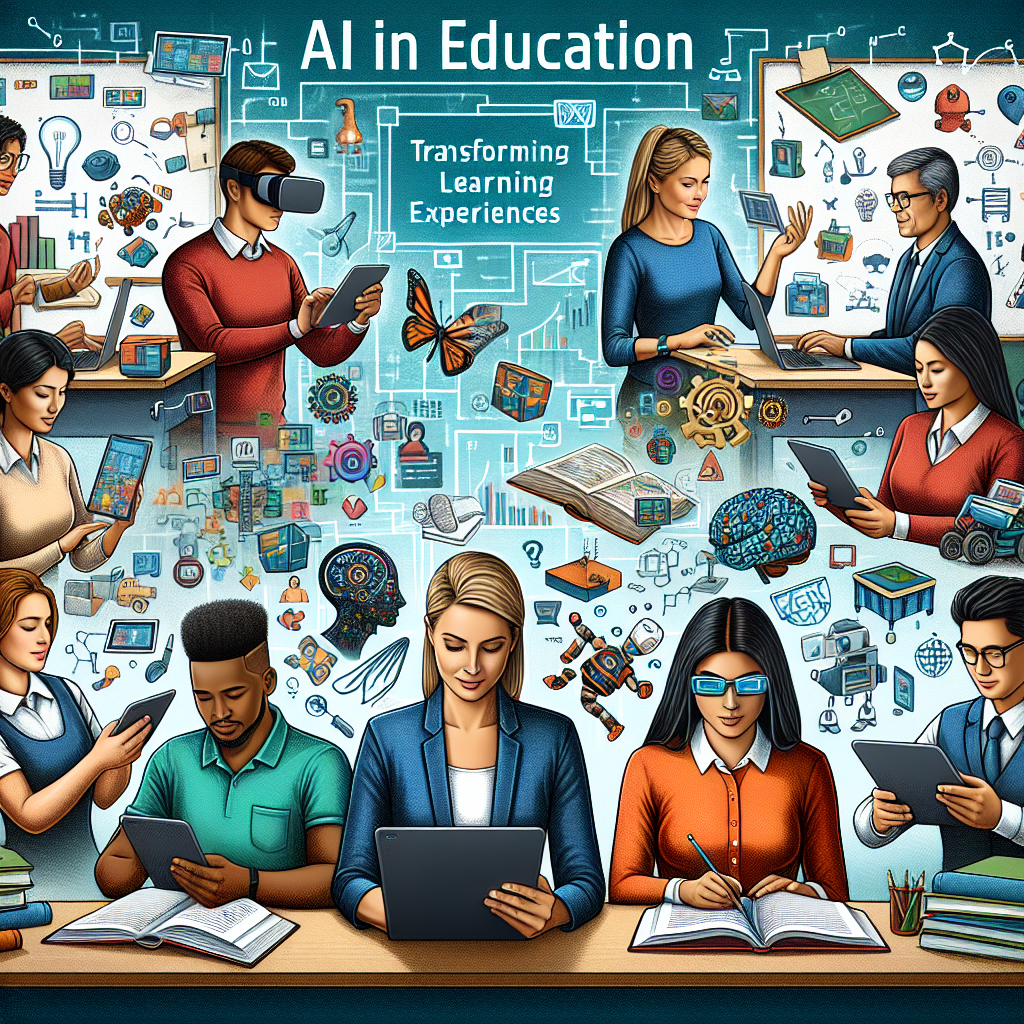
In recent years, artificial intelligence (AI) has emerged as a powerful tool in various industries, and education is no exception. The integration of AI into educational practices is reshaping how students learn, teachers instruct, and how educational institutions operate. This article explores how AI is transforming learning experiences and enhancing the educational landscape.
<h2>Personalized Learning</h2>

<p>

    AI can analyze student data to provide tailored learning experiences. By understanding individual learning styles, strengths, and weaknesses, AI systems can offer customized content, adjust difficulty levels, and recommend resources that suit each student. This personalized approach not only keeps students engaged but also helps them master concepts at their own pace.

</p>
<h2>Intelligent Tutoring Systems</h2>

<p>

    Intelligent tutoring systems use AI to offer real-time feedback and support to students. These systems can simulate a one-on-one tutoring experience by providing explanations, hints, and practice problems. For example, platforms like Khan Academy harness the power of AI to guide learners through math and science concepts while adapting to their progress.

</p>
<h2>Enhanced Administrative Efficiency</h2>

<p>

    Beyond direct student engagement, AI significantly improves administrative tasks in educational institutions. From automating grading to managing student records and optimizing schedules, AI reduces the administrative burden on teachers, allowing them to focus more on instruction and student interaction.

</p>
<h2>AI-Powered Assessments</h2>

<p>

    Traditional assessments often fail to capture a student's comprehensive understanding. AI can enhance assessments by analyzing student responses to provide deeper insights into their knowledge and skills. Adaptive testing mechanisms adjust questions based on previous answers, ensuring a more accurate measure of a student's capabilities.

</p>
<h2>Supporting Educators</h2>

<p>

    AI isn’t just for students; it also serves as a valuable resource for educators. By predicting student performance and identifying at-risk students, teachers can intervene early, implementing strategies to support those who need it most. Additionally, AI tools can provide teachers with insights and recommendations to improve their teaching methods.

</p>
<h2>Challenges and Considerations</h2>

<p>

    Despite its potential, the integration of AI in education raises several challenges. These include issues regarding data privacy, the digital divide, and the risk of over-reliance on technology. Educators and policymakers must consider these challenges to fully harness the benefits of AI while ensuring equitable access for all students.

</p>
<h2>Conclusion</h2>

<p>

    AI is playing an increasingly pivotal role in transforming educational experiences. From personalized learning pathways to enhanced administrative efficiency, the possibilities are vast. As technology continues to evolve, embracing AI in education can lead to a more effective, engaging, and equitable learning environment for students and educators alike.

</p>
Visit our website to get more updates