


Introduction
The Role of AI in Cybersecurity
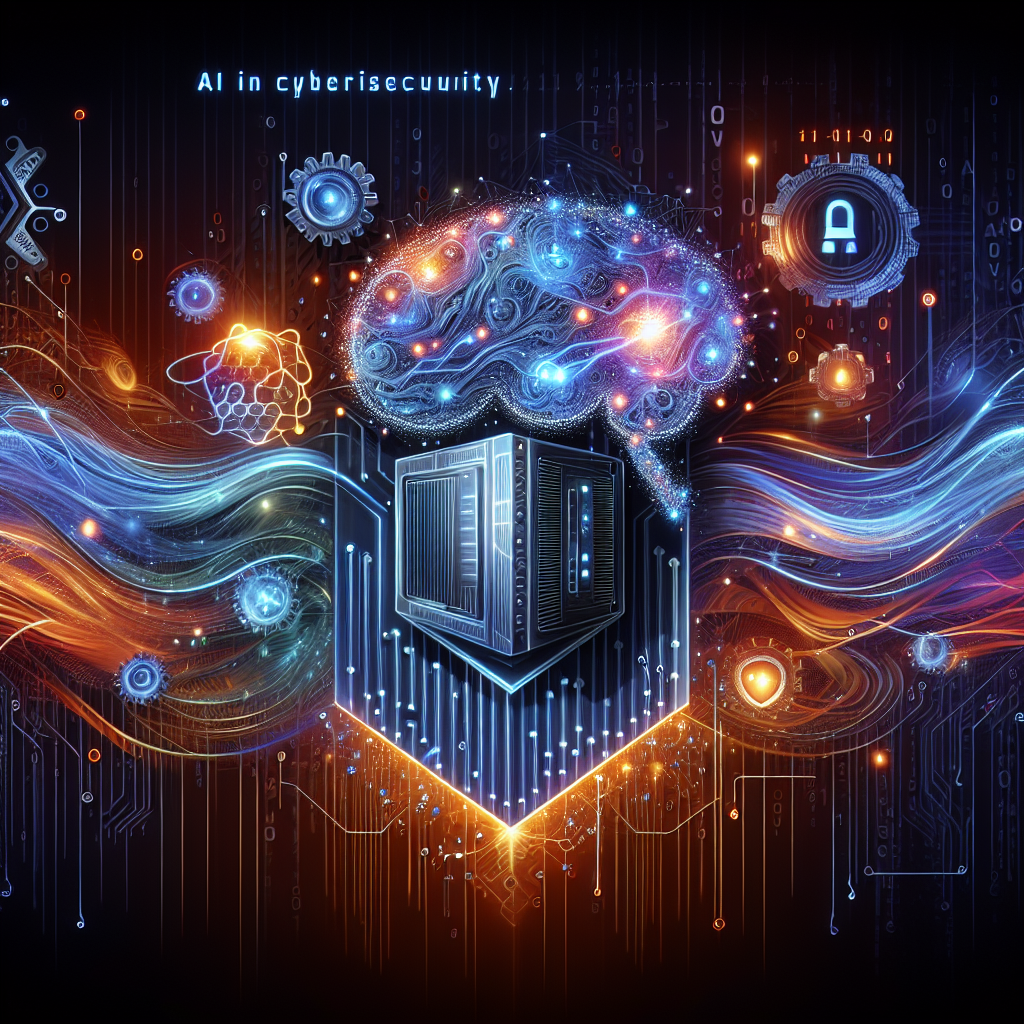
AI algorithms can analyze vast amounts of data, identifying patterns and anomalies that may indicate a cyber threat. By leveraging machine learning, AI can adapt to new and evolving attack methods, providing real-time detection and response capabilities.
Benefits of AI in Cybersecurity
- Proactive Threat Detection: AI can identify threats before they become serious issues, significantly reducing response times.
- Automation: Many manual processes can be automated, allowing cybersecurity teams to focus on more complex tasks.
- Improved Accuracy: AI reduces the chances of human error and false positives, enhancing decision-making processes.
Challenges and Considerations
While AI brings numerous benefits, it is not without its challenges. Data privacy concerns, potential biases in AI algorithms, and the sophistication of cyber attackers mean that a careful approach is necessary. Organizations must ensure that they implement AI solutions responsibly and in line with ethical guidelines.
Cyberattacks, identity theft, and online fraud are on the rise, making data security a top priority for everyone. Here are some of the most effective strategies to safeguard your information.
1. Use Strong and Unique Passwords
The first line of defense is a strong password. Avoid using easily guessable information like birthdays or common words. Instead, create complex passwords that combine letters, numbers, and symbols. Using a unique password for every account ensures that a breach in one platform doesn’t compromise your other accounts.
2. Enable Two-Factor Authentication (2FA)
Two-factor authentication adds an extra layer of security by requiring a second verification step, usually through a mobile device or email, in addition to your password. This makes it significantly harder for hackers to access your accounts.
3. Keep Software and Devices Updated
Software updates often include security patches that protect against the latest threats. Regularly updating your operating system, applications, and devices reduces vulnerabilities that cybercriminals can exploit.
4. Recognize Phishing and Malware Attempts
Be cautious of suspicious emails, links, or attachments. Phishing attacks often appear as legitimate messages from banks, services, or colleagues. Avoid clicking on unknown links and always verify the source before providing sensitive information.
5. Use Secure Networks and VPNs
Public Wi-Fi networks can be risky, as hackers may intercept data sent over these connections. Using a virtual private network (VPN) encrypts your internet traffic, making it safer to access sensitive information online.
6. Regularly Back Up Your Data
Even with strong security measures, data loss can happen due to hardware failures, malware, or accidental deletion. Regular backups to external drives or cloud services ensure that your important files are always safe and recoverable.
Conclusion
AI is revolutionizing the field of cybersecurity, providing advanced tools and techniques to combat digital threats. As technology continues to evolve, embracing AI will be essential for businesses and individuals wanting to stay secure in an increasingly complex digital environment.
Get the information, on our website