
AI and the Creative Process: How Algorithms are Shaping Music and Art
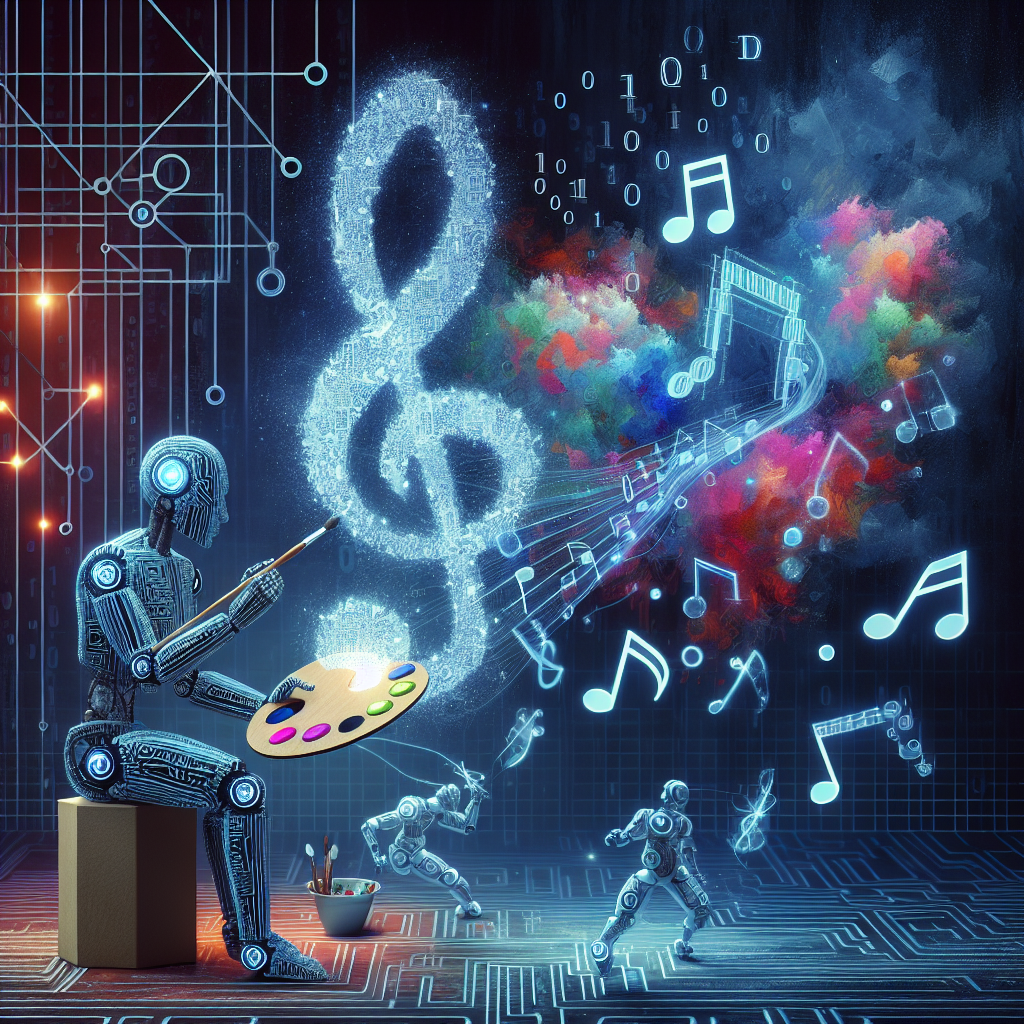
In recent years, artificial intelligence (AI) has begun to revolutionize the creative process across various artistic disciplines, including music and visual arts. The integration of algorithms into these fields raises intriguing questions about creativity, authorship, and the role of technology in artistic expression.
The Rise of AI in Music Creation
AI has made significant strides in music composition, with various tools and applications now capable of generating original melodies and harmonies. For example, platforms like OpenAI’s MuseNet and Google’s Magenta use machine learning to analyze vast datasets of music, allowing them to compose in a myriad of styles ranging from classical to contemporary pop.
Augmenting Human Musicians
Instead of replacing musicians, AI can serve as a powerful collaborator. Musicians can use AI-generated suggestions to enhance their creativity, experimenting with new sounds and styles that they might not have considered otherwise. This interaction challenges the notion of authorship as the line between human creativity and algorithmic output becomes increasingly blurred.
AI in Visual Arts
Visual art has also seen a burgeoning relationship with AI technologies. Tools like DALL-E and DeepArt use neural networks to create striking images based on textual descriptions or existing artworks. These algorithms can mimic distinct techniques and styles, offering artists new avenues for inspiration and exploration.
The Question of Authenticity
As AI-generated art gains recognition, debates about authenticity and originality arise. What does it mean for an artwork to be “authentic” when created by a machine? Many artists and critics argue that the emotional depth and intention behind human-made art cannot be replicated by algorithms, while others embrace AI as a legitimate form of artistic expression.
Challenges and Ethical Considerations
While the possibilities presented by AI in music and visual arts are exciting, they also come with challenges. Issues of copyright, ownership, and the potential for algorithmic bias raise important ethical questions. As creators engage with AI technologies, they must navigate these complexities to ensure responsible use that respects human creativity and cultural heritage.
The Future of AI and Creativity
The ever-evolving landscape of AI continues to push the boundaries of how we define creativity. With ongoing advancements, AI tools will likely integrate deeper into creative workflows, fostering collaboration between human artists and machines. This evolution invites us to rethink our understanding of art and creativity in the 21st century.
More relevant updates, Click Here