


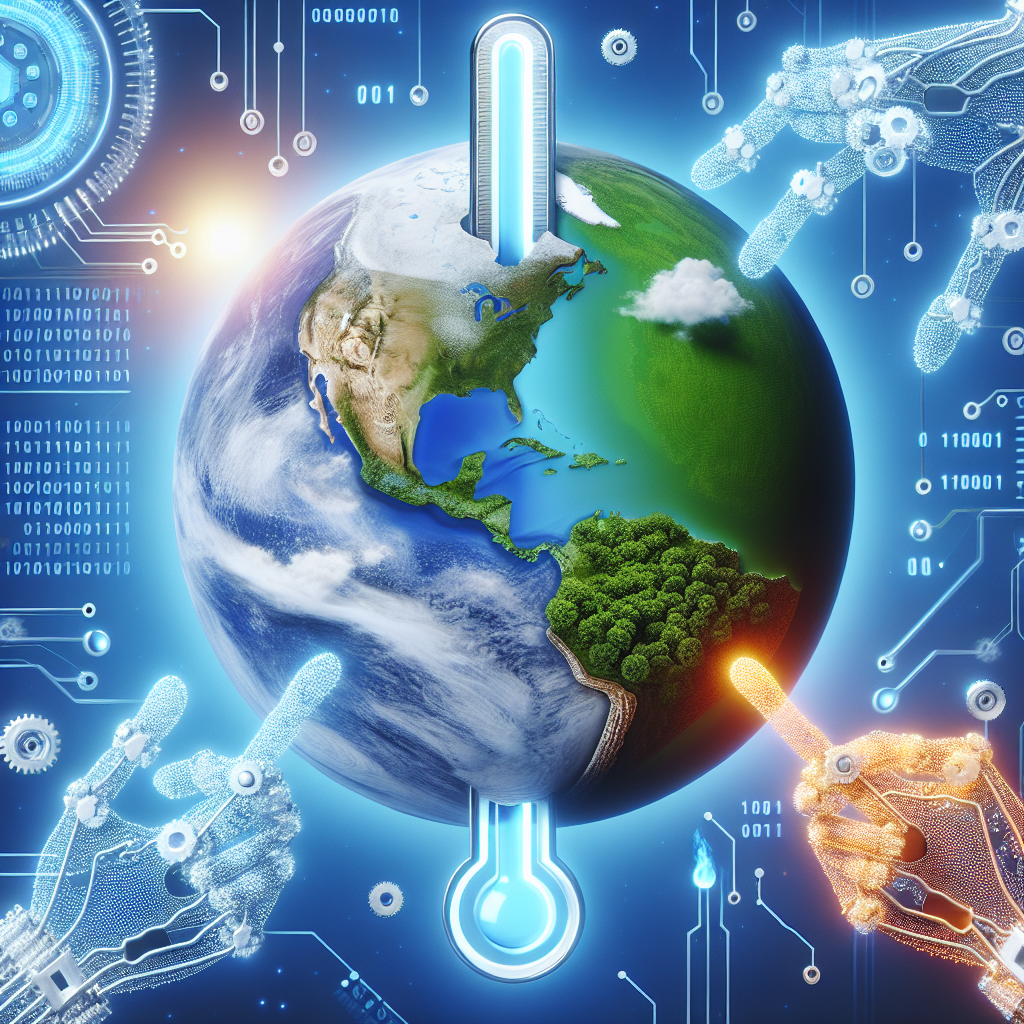
AI and Climate Change: Technological Solutions for a Warmer Planet
As global temperatures rise and climate-related disasters become more frequent, the world faces an urgent need for innovative solutions to mitigate the impact of climate change. Artificial intelligence (AI) has emerged as a powerful tool in addressing some of the most pressing environmental challenges. This article explores how AI can contribute to a more sustainable future.
The Role of AI in Climate Science
AI can analyze vast datasets more efficiently than traditional methods, making it invaluable in climate research. Machine learning algorithms can identify patterns in historical climate data, predict future climate conditions, and assess the effectiveness of various mitigation strategies.
Efficient Energy Management
AI-driven technologies are transforming energy management. Smart grids use AI to optimize the distribution of energy, predicting demand and reducing waste. Additionally, AI can enhance energy efficiency in buildings through automated systems that adjust heating, cooling, and lighting based on occupancy.
Climate Monitoring and Early Warning Systems
AI can improve climate monitoring and develop early warning systems for natural disasters. For instance, AI algorithms can process satellite images and real-time weather data to predict hurricanes or floods, allowing for timely evacuations and resource allocation.
Precision Agriculture
Farming practices play a crucial role in carbon emissions and land use. AI can optimize crop yields while minimizing resource use through precision agriculture. Drones equipped with AI-powered sensors can monitor crop health, soil moisture, and pest activity, enabling farmers to make informed decisions that benefit both their yields and the environment.
Transportation and Logistics
Transportation is one of the largest contributors to greenhouse gas emissions. AI can optimize logistics and traffic management, reducing congestion and fuel consumption. Autonomous electric vehicles, guided by AI, have the potential to reduce emissions and make transportation systems more efficient.
Conclusion
The urgency of climate change calls for innovative solutions, and AI presents a wealth of opportunities to combat this global challenge. From enhancing energy efficiency to improving agricultural practices and disaster preparedness, the integration of artificial intelligence into our climate strategies is not just beneficial but essential. Adopting these technologies will empower us to create a sustainable future for generations to come.