
Home Blog Page 91

Training Thousands to Monitor Immigration Enforcement

Two people have been killed this month in Minnesota while monitoring the activity of immigration officials, but that hasn’t deterred tens of thousands of others who appear eager to volunteer for similar roles.

More than 147,000 people all over the country signed up for an online training session on Jan. 26, learning how to lawfully monitor and record immigration arrests. The next training, run by national protest and organizing groups, is scheduled for Feb. 5.

Since the immigration surge in Minneapolis began in December, organized neighbors have tracked immigration agents through private messaging groups, warned immigrant neighbors using whistles and car horns when arrests appear imminent, and filmed arrests to provide a record of the encounters.

Two of those observers, Renee Nicole Good and Alex Pretti, were shot and killed by immigration agents. Trump administration officials have referred to both as “domestic terrorists” who should not have interfered.

The trainings are a way for the groups to help prepare Americans for how to respond when and if immigration enforcement arrives in their areas to conduct large-scale deportations, said Ezra Levin, co-founder of Indivisible, a civic organizing group that helped lead the trainings.

“They are coming for you. ICE is not stopping in Minneapolis, Maine, L.A. or just the blue cities,” Levin said. “If you want to be prepared for what to do when ICE is ransacking your community, now is the time to get trained up; that’s what we need people doing.”

Indivisible is part of a coalition of activism organizing groups that have planned two No Kings protests that took place in thousands of cities across the country in 2025 and drew millions of Americans into the streets to protest Trump.

The next No Kings Day is scheduled to take place on March 28, he said. Minneapolis and St. Paul are expected to be among the flagship locations of the protests, which will again be decentralized, occurring in big, medium and small cities and towns across the country.

Levin said the majority of people who attended this week’s one-hour training were not Minnesotans, but people who wanted to be prepared in case they need to respond locally. There are two more trainings planned, but Levin said he expects more to occur before the March protests.

Minnesotans organizing

A flood of Minneapolis residents have been monitoring Immigration and Customs Enforcement and Border Patrol’s actions in the city since the agencies arrived to conduct mass immigration arrests in December.

Neighborhood groups work to identify and track the vehicles agents use, blow whistles to warn immigrants to run or hide when officials approach and try to obtain identifying information so they can notify the family of those arrested. They also coordinate school drop-offs and deliver groceries to people afraid to leave their homes.

Their efforts build on tactics developed in Los Angeles, Chicago and other cities targeted by heavy immigration enforcement last year.

In Minneapolis, a citywide coordinating group, Defend the 612, directs people to hyperlocal ways they can help, and some residents have taken a virtual training offered by a national group called States at the Core. But the efforts are decentralized and left up to neighborhood-level organizers.

Many more Minneapolis residents have flocked to the streets to protest and monitor the presence of federal immigration agents following the shooting deaths of two observers earlier in January.

FBI Director Kash Patel told conservative podcaster Benny Johnson on Jan. 26 that he had opened an investigation into the Signal group text chats that Minnesota residents are using to share information about federal immigration agents’ movements.

Patel said in the interview that he wants to know whether any Minnesota residents had put federal agents “in harm’s way” with activities such as sharing agents’ license plate numbers and locations.

Pretti, 37, was an intensive care nurse who treated sick veterans before he was pinned to the ground by Border Patrol agents on Jan. 24 and shot multiple times. Good, also 37, a poet and mother of three, was fatally shot by ICE agent Jonathan Ross on Jan. 7.

Levin said there is a lot to learn from watching how the Twin Cities organized such a robust monitoring and mutual aid system.

“I do not think the broader political world, media world, world in general, has yet appreciated exactly what the folks in Minnesota have pulled off,” Levin said. “It is extraordinary organizing on the ground in defense of communities and neighbors.”

No Kings coalition

Many of the groups involved in the coalition have a broad network of grassroots activists who engage in rapid-response protests and community events. Levin pointed to the 1,200 ICE Out protests that occurred nationwide just 48 hours after Good’s death.

Levin called the trainings “practical” and “nuts and bolts” information from the ACLU and similar groups about how to legally observe and record immigration officials, including what to do if they are told to stop recording.

At the Jan. 26 training, there “were thousands and thousands of people who have seen what’s happened in the Twin Cities and see what’s happening in Maine and see what’s happening in other communities and see that the legitimate danger and risk from a violent propagandizing regime, and they’re asking themselves, what can I do?” Levin said.

The No Kings coalition has held trainings throughout the year on how to safely protest and de-escalate tensions with police and counter-protesters, but Levin said the number of people who attended the first Eyes on ICE training was “by several orders of magnitude, more than any other training that we’ve ever done in history.”

Levin said Americans should know how to exercise their rights, and should be developing a muscle now that they may need in the months to come.

“It’s really every American’s responsibility to get trained up on what your rights are at this moment and to stand up for them, because if we’re not prepared to stand up for them, we don’t have them,” he said.

Sarah D. Wire is a senior national political correspondent for USA TODAY. She can be reached at swire@usatoday.com

Join our website for cool news and cool tips
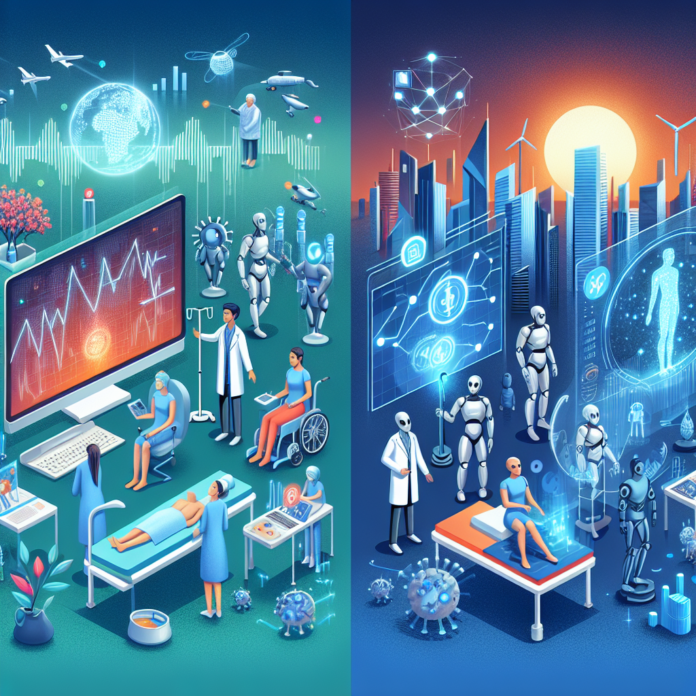
Revolutionizing Industries from Healthcare to Finance

Artificial Intelligence (AI) is no longer a concept of the future; it is a reality that is transforming the way industries operate. From healthcare to finance, AI is being used to enhance efficiency, improve decision-making, and provide better services.

AI in Healthcare

AI is making significant strides in the healthcare sector, where it is optimizing patient care and operational processes. Some of the key applications include:

  • Medical Diagnosis: AI algorithms analyze medical data to assist in diagnosing diseases more accurately and quickly.
  • Personalized Treatment: Machine learning models can tailor treatment plans based on a patient’s unique genetic makeup and health history.
  • Predictive Analytics: AI can predict outbreaks and patient admission rates, helping healthcare facilities prepare accordingly.
  • Robotic Surgery: AI-powered robots assist surgeons in performing complex procedures with precision.

AI in Finance

The finance industry is leveraging AI to enhance customer service and risk management, as well as streamline operations. The following applications showcase AI’s potential in finance:

  • Fraud Detection: AI systems monitor transactions in real-time to identify and prevent fraudulent activities swiftly.
  • Algorithmic Trading: AI algorithms analyze market data and execute trades at optimal prices, maximizing profitability.
  • Credit Scoring: AI enhances the loan approval process by assessing creditworthiness more accurately than traditional methods.
  • Customer Service: Chatbots and virtual assistants powered by AI provide 24/7 customer support, improving user experience.

Challenges and Considerations

Despite its benefits, the integration of AI in these industries comes with challenges:

  • Data Privacy: Handling sensitive patient and financial information raises concerns about data protection and compliance with regulations.
  • Job Displacement: As AI automates tasks, there is concern regarding job losses; however, it also creates opportunities for new roles.
  • Bias in Algorithms: Ensuring the fairness of AI models is critical, as biased systems can lead to discrimination.

The Future of AI in Industries

As technology continues to evolve, the future of AI across industries looks promising. Advancements in machine learning, natural language processing, and robotics will further enhance AI’s capabilities. Proactive collaboration between policymakers, businesses, and technology experts will be essential to ensure that AI benefits society while addressing its challenges.

Conclusion

AI is indeed revolutionizing industries like healthcare and finance, paving the way for innovative solutions that improve efficiency and healthcare outcomes. Embracing AI thoughtfully will determine how successfully industries can harness its power for the betterment of society.

For additioanl information,keep on visiting our website

“Lucky Winner Claims $1 Million Scratch-Off in Central PA”

Looks like central Pennsylvania can add another millionaire to its lottery winners list.

A Millionaire Loading Scratch-Off ticket worth $1 million was recently sold in York County.

The Rutter’s located at 1090 Old Trail Road in Newberry Township will get a $5,000 bonus for selling the winning ticket.

In Millionaire Loading, players match their numbers with the “winning numbers” to get prizes of up to $1 million. Players can also reveal the symbols hidden under the “loading” bar to win more money. The game costs $20 to play.

All scratch-off prizes expire one year from the game’s end-sale date, which is posted at the Pennsylvania Lottery website. Winners should immediately sign the back of their ticket and call 800-692-7481.

A lucky player hit the jackpot with a $1 million lottery scratch-off ticket purchased at a local store in Central Pennsylvania. The winning ticket was bought at [Store Name], bringing excitement to both the winner and the community.

Lottery officials confirmed the prize and reminded players to check their tickets carefully. The winner now has the option to claim the prize as a lump sum or through annual payments, according to Pennsylvania Lottery rules.

Store employees celebrated the big win, noting that such large prizes bring a sense of joy and luck to the neighborhood. Officials also encourage responsible play while highlighting the thrill and opportunity the lottery provides to participants across the state.

Scratch-off tickets are distributed at random, so that retailers and lottery officials do not know where the winning tickets will be sold. Lottery officials only discover where a winning ticket was sold after the prize has been claimed.

All Pennsylvania Lottery prizes worth more than $5,000 are subject to withholding taxes.

If you purchase a product or register for an account through a link on our site, we may receive compensation. By using this site, you consent to our User Agreement and agree that your clicks, interactions, and personal information may be collected, recorded, and/or stored by us and social media and other third-party partners in accordance with our Privacy Policy.

For more information, continue to visit our website

The Ethical Imperatives of Artificial Intelligence

Introduction
As artificial intelligence (AI) continues to permeate various sectors, transforming industries and redefining the notion of work, the conversation around its ethical implications is increasingly critical. While automation offers remarkable efficiencies and cost savings, we must proactively address the ethical considerations that come alongside these advancements. This article explores several key ethical imperatives in AI that extend beyond simple automation.

The Importance of Transparency

Transparency in AI systems is paramount. Algorithms should be designed to be understandable and explainable. Stakeholders, including users and those affected by AI decisions, have the right to know how decisions are made. This transparency fosters trust and accountability, ensuring that AI acts in the best interests of society.

Fairness and Bias Mitigation

AI systems are only as good as the data they are trained on. Poorly constructed datasets can lead to biased models that perpetuate stereotypes and discrimination. It is essential for developers to implement strategies for bias detection and mitigation. Companies must prioritize ethical training data that reflects diverse populations to ensure fairness in AI applications.

Consumer Privacy Concerns

With the increasing use of AI in consumer applications, privacy concerns are at the forefront of discussions. Organizations must prioritize the protection of personal data and ensure that users have control over their information. Upholding privacy is not just a regulatory requirement—it’s an ethical obligation that fosters goodwill and trust among users.

The Accountability Dilemma

The question of accountability in AI systems presents a challenging ethical dilemma. When AI systems make decisions, identifying who is responsible for any negative consequences can be complex. Clear frameworks and policies must be established to hold accountable those who deploy AI technologies, ensuring that human judgment remains central in critical decision-making processes.

User Empowerment

AI should empower individuals, enhancing human capabilities rather than diminishing them. Developers should focus on designing user-friendly interfaces that allow humans to remain in control. The goal should be to augment human decision-making, allowing users to harness AI’s power while maintaining their autonomy in the process.

Conclusion

As we advance in the age of AI, it is critical to transcend the focus on automation and efficiency. The ethical implications of AI must be considered across all sectors to create systems that respect human values and promote social good. By prioritizing transparency, fairness, privacy, accountability, and user empowerment, we can harness the full potential of artificial intelligence while ensuring it serves humanity ethically and responsibly.

Stay-tuned with us on our website

Ultra Users in the U.S. Gain Access to Enhanced AI World Model

In August, we previewed Genie 3, a general-purpose world model capable of generating diverse, interactive environments. Even in this early form, trusted testers were able to create an impressive range of fascinating worlds and experiences, and uncovered entirely new ways to use it. The next step is to broaden access through a dedicated, interactive prototype focused on immersive world creation.

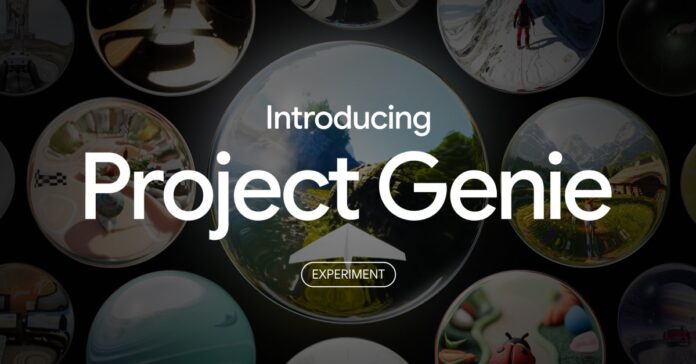
Starting today, we’re rolling out access to Project Genie for Google AI Ultra subscribers in the U.S (18+). This experimental research prototype lets users create, explore and remix their own interactive worlds.

How we’re advancing world models

A world model simulates the dynamics of an environment, predicting how they evolve and how actions affect them. While Google DeepMind has a history of agents for specific environments like Chess or Go, building AGI requires systems that navigate the diversity of the real world.

To meet this challenge and support our AGI mission, we developed Genie 3. Unlike explorable experiences in static 3D snapshots, Genie 3 generates the path ahead in real time as you move and interact with the world. It simulates physics and interactions for dynamic worlds, while its breakthrough consistency enables the simulation of any real-world scenario — from robotics and modelling animation and fiction, to exploring locations and historical settings.

Ultra users in the United States now have access to the newly enhanced AI World Model, bringing a range of advanced features and smarter insights to their fingertips. The upgrade is designed to improve user experience by offering more accurate predictions, richer contextual understanding, and faster response times.

The AI World Model leverages cutting-edge machine learning and real-world data to provide Ultra users with tailored recommendations and interactive experiences. This move reflects a growing trend of AI platforms offering exclusive features to premium subscribers, ensuring they receive the most innovative tools available.

Users have reported immediate improvements in tasks such as content creation, data analysis, and problem-solving, highlighting the practical benefits of the enhanced model. The platform encourages feedback from its Ultra community to continue refining and expanding the AI’s capabilities.

With this rollout, Ultra users in the U.S. are now at the forefront of AI innovation, experiencing first-hand how advanced artificial intelligence can streamline workflows, enhance creativity, and unlock new opportunities.

Building on our model research with trusted testers from across industries and domains, we are taking the next step with an experimental research prototype: Project Genie.

How Project Genie works

Project Genie is a prototype web app powered by Genie 3, Nano Banana Pro and Gemini, which allows users to experiment with the immersive experiences of our world model firsthand. The experience is centred on three core capabilities:

Stay-tuned with us on our website

Myths vs. Realities in the Age of Intelligence

Artificial Intelligence (AI) has transformed the way we live and work, ushering in a new era of technological advancement. However, with great innovation comes great misunderstanding. In this article, we will explore some of the common myths surrounding AI and present the realities to better understand its impact on society.

Myths about AI

Myth 1: AI Can Think and Feel Like Humans

This myth suggests that AI possesses human-like consciousness or emotional depth. In reality, AI operates on algorithms and data. While it can analyze patterns and simulate conversation, it lacks true understanding and emotions.

Myth 2: AI Will Take Over All Jobs

Many believe that AI will fully replace human workers, leading to mass unemployment. However, AI is more likely to augment jobs rather than eliminate them. It can automate mundane tasks, freeing humans for more complex and creative work.

Myth 3: AI Is Infallible

There’s a common notion that AI systems are flawless because they rely on data. However, AI can be biased or flawed due to biased input data or technical errors, making critical thinking and oversight essential.

Realities of AI

Reality 1: AI Enhances Human Capabilities

AI is designed to complement human abilities, enabling us to achieve more significantly without replacing our intelligence. From aiding medical diagnoses to enhancing customer experiences, AI empowers various sectors.

Reality 2: AI Is Data-Driven

The effectiveness of AI greatly depends on the quality and quantity of data it processes. The insights derived from robust datasets can lead to more accurate predictions and decisions.

Reality 3: Ethical Considerations Are Crucial

The deployment of AI raises ethical questions surrounding data privacy, decision-making processes, and implications on employment. It’s imperative to implement responsible AI practices to mitigate negative impacts.

Conclusion

As we navigate the uncharted waters of AI, it’s vital to dispel myths and embrace the realities of this technology. Understanding AI’s true capabilities and limitations will help us harness its potential responsibly and ethically.

More related Updates, Click Here

Navigating the New Frontier of Work

The integration of artificial intelligence (AI) in the workplace is transforming industries and redefining job roles. As we venture further into the 21st century, understanding how to effectively collaborate with AI systems is essential for maximizing productivity, creativity, and innovation.

The Rise of AI in the Workplace

AI technologies, such as machine learning, natural language processing, and computer vision, are increasingly being employed across various sectors including healthcare, finance, manufacturing, and customer service. These tools are designed to analyze vast amounts of data, automate repetitive tasks, and provide actionable insights.

Enhancing Human Capabilities

Rather than replacing human jobs, AI complements our capabilities. For instance, in healthcare, AI can assist doctors by rapidly analyzing medical images or predicting patient outcomes based on data analysis, leaving medical professionals free to focus on patient care and complex decision-making.

Challenges of Human-AI Collaboration

While the potential benefits of AI are significant, navigating the challenges that come with this technology is crucial. Issues such as job displacement, data privacy concerns, and ethical considerations around AI decisions present barriers to effective collaboration.

Job Displacement vs. Job Transformation

A common fear surrounding AI is job loss; however, many experts argue that AI will transform job roles rather than eliminate them. As AI takes over routine tasks, new opportunities will arise, requiring workers to adapt and learn new skills that emphasize creativity, emotional intelligence, and critical thinking.

Fostering a Collaborative Culture

Organizations must cultivate an environment that encourages human-AI collaboration. Training programs that focus on AI literacy are essential to prepare employees for this collaboration. Encouraging a culture of continuous learning and openness to new technology will facilitate smoother transitions and enhance workforce capabilities.

Implementing Feedback Mechanisms

Regular feedback mechanisms should be established to evaluate the effectiveness of AI systems. Collecting input from employees on AI tools and their impact on work processes can help organizations adjust their strategies to improve collaboration and efficiency.

Conclusion

The future of work will be defined by the collaboration between humans and AI. By understanding the strengths and limitations of AI technologies and fostering a culture of teamwork, organizations can navigate this new frontier effectively. Embracing this partnership will lead to greater innovation, productivity, and job satisfaction.

As we move forward, the focus will not just be on what AI can do but on how we can work together to elevate our capabilities and shape a better future.

Stay-tuned with us on our website

Darren Aronofsky’s Vision with Google

That’s the premise of an intriguing, provocative new series that Darren Aronofsky is producing via his AI-focused venture Primordial Soup. Drawing on the tech of Google DeepMind, with which the company has a deal, Primordial Soup is dramatizing the scenes from some of the Revolutionary War period’s most pivotal moments and releasing them on Time’s YouTube channel.

Titled On This Day… 1776, the short-form series will see each episode focus on a different key moment from that crucial year. The fact-based narratives will rely on SAG voice actors and AI visuals —  a “combination of traditional filmmaking tools and emerging AI capabilities,” the companies said in a statement. The hook? Each episode will drop on the 250th anniversary of its occurrence.

The debut episode centers on George Washington’s raising of the Continental Union Flag in Somerville, Mass., to boost the colonists’ morale; the second installment has Benjamin Franklin prodding a newly arrived Thomas Paine to give voice to common sense, leading to a pamphlet that was in a way the country’s first viral TikTok, changing broad sentiment in the colonies. Both episodes drop Thursday. Others will come every week throughout this sestercentennial year

Thomas Paine in the AI-generated series On This Day… 1776.

Aronofsky is executive producing with his longtime writing partners Ari Handel and Lucas Sussman, the latter of whom is overseeing a team of writers, with a host of editors, artists, directors and designers also working on the project. Their goal is “reframing the Revolution not as a foregone conclusion but as a fragile experiment shaped by those who fought for it,” according to a statement from the companies. A trailer shows a number of historical figures attempting to rouse colonists as they slowly begin gaining confidence.

In focusing on the Colonial period, Aronofsky is drawing on an era that has often come to to define entertainment mediums: 1776 and Hamilton for the Broadway musical; John Adams and Turn for cable television. Now add AI viral-video content to that pile.

The Time connection to the DeepMind series adds another layer of intrigue, pairing America’s ultimate 20th-century documentarians of history with its quintessential 21st-century fabricator of technology. Salesforce is also backing the project, and its subsidiary Slack was integral to the production, principals said.

In a way the use of AI to reconstruct lavish historical scenes is a devilishly simple use case: rather than try to lean in to LLM’s surrealist abstractions to tell science-fiction and other genre stories, Aronofsky is deploying it for a bread-and-butter example of traditional cinema: the historical drama, allowing it to take the place of expensive and often prohibitive physical production.

The mother! director’s involvement in the Internet-based project ups the pedigree of online AI video creations, which until now has often involved embattled ads from major brands and promising but raw genre stories from upstart creators.

Aronofsky has been vocal about wanting to use AI for the kind of kinetic storytelling he is known for in his films —  “soup not slop,” he has said. Google DeepMind has pacted with him to see what an artist of his caliber could do with it. An earlier project from the partnership, Eliza McNitt’s Ancestra, premiered at Tribeca last year.

Ben Bitonti, president of distribution partner Time Studios, noted in a statement that, “This project is a glimpse at what thoughtful, creative, artist-led use of AI can look like — not replacing craft, but expanding what’s possible and allowing storytellers to go places they simply couldn’t before.”  Of course, physical production already allows storytellers to do this, but AI advocates point out that given the time and budget burdens so many of these period productions would never have gotten made in the first place.

The episodes could also help answer a compelling question: could an AI model trained on a wide raft of historical materials capture the essence of a time and its personalities better than an individual flesh-and-blood reconstruction?

The use of AI in high-end storytelling accompanies another growing trend: the deployment of video tools for everyday people, as demonstrated by Disney’s recent deal with OpenAI that makes Sora available on Disney Plus. In so doing, Aronofsky is seeking to walk an AI line between Disney, which wants everyone to use it, and filmmakers like Guillermo del Toro, who doesn’t even think high-end filmmakers should.

Join our website for cool news and cool tips

Top 7 Must-Have Sneakers of the Moment

This weekly guide sorts the very best from the rest when it comes to the saturated world of sneaker releases, with information on release dates and where to buy. Please note: Some sneakers may sell out at speed.

Raffles, friends and family releases, and player exclusives — all of that before a mere mention of the many fire general sneaker releases out there. The world of sneaker drops can be a tricky place to navigate, but we’re here to help. Behold, the best of the best of what’s arriving on shop floors this week.

This week’s selection sees new collaborations debut — such as Nike x Bronx Girls Skate — as well as futuristic creations from New Balance and PUMA.

The cream of the sneaker crop awaits you. What are you waiting for?

Shop the best sneaker releases on the market, as well as upcoming sneaker drops, below.

Nike Air Max Goadome Low Boots Taupe

Release Date: Available now

Editor’s Notes: The Nike Air Max Goadome Low delivers a rugged, winter-ready silhouette built for everyday wear. It has the same durable build as the OG rugged Goadome boot, but with the top chopped off to make it into a sneaker.

New Balance 204L

Release Date: January 29

Editor’s Notes: The New Balance 204L was one of the brand’s best newcomers in 2025. And the low-profile retro runner is ringing in the new year with yet another tasteful colorway, this time blending pastel blue mesh with light taupe overlays.

Vans Premium Authentic Shoe

Release Date: January 29

Editor’s Notes: Indie sleeze is back. And fittingly, so is Vans’ classic Premium Authentic skate shoe.

The sneaker that once ruled the underground scene is quietly making its comeback, and Vans is really feeding into its gritty roots with this pre-distressed pair. Warning: may come with skinny jeans.

adidas x UP THERE Melbourne

Release Date: January 30

Editor’s Notes: London, Dublin, Malmö, München… adidas’ city series has taken to them all with limited-edition sneakers. Now, thanks to Australian sneaker boutique UP THERE, Melbourne joins the pack.

Fittingly, the Melbourne sneaker references a piece of the city’s history, harking back to a track spike sneaker used in the 1956 Melbourne Olympics.

New Balance AC Runner

Release Date: February 2

Editor’s Notes: New Balance’s AC Runner already looked futuristic when it debuted in neutral grey. But now that it’s offered in fiery orange, it’s gone up a gear.

PUMA CELL GEO 1 Sneakers Black

Release Date: January 31

Editor’s Notes: PUMA’s best shoes in recent years have been sleek and slim-soled. But not the PUMA CELL GEO 1. Here, it’s all about exaggerated proportions, with a huge ridged heel piece acting as the shoe’s defining feature.

Nike SB Dunk Low Pro x Bronx Girls Skate

Release Date: January 27

Editor’s Notes: For its first collaboration with Nike SB, Bronx Girls Skate delivers a Dunk Low inspired by the iconic colors of New York City’s transit system. Paying homage to Uptown and the Bronx, the sneaker features green, orange, and red accents drawn from subway lines, complemented by three interchangeable lace options.

Highsnobiety has affiliate marketing partnerships, which means we may receive a commission from your purchase. Want to shop the products our editors actually love? Visit HS Shopping for recs on all things fashion, footwear, and beauty.

For additional information, keep on visiting our website

Shaping the Classrooms of Tomorrow

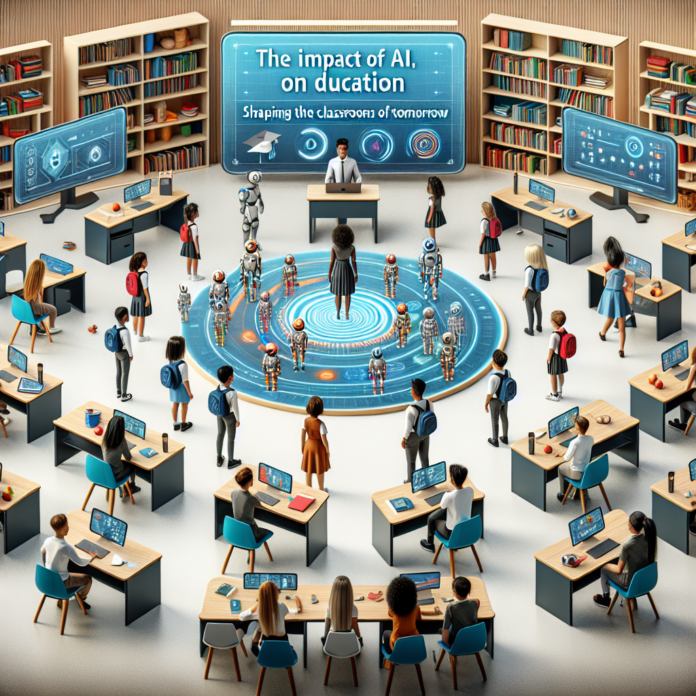
The integration of Artificial Intelligence (AI) into education systems has ushered in a new era of personalized learning, efficient administration, and innovative teaching methods. As technology continues to evolve, AI is playing an increasingly significant role in shaping the classrooms of tomorrow. This article explores the multifaceted impact of AI on education and its implications for students and educators alike.

Personalized Learning Experiences

One of the most promising impacts of AI in education is its capacity to create personalized learning experiences. AI-driven platforms can analyze a student’s learning pace, style, and preferences, tailoring instructional materials that cater to individual needs. This level of customization allows students to learn at their own pace, promotes engagement, and addresses the diverse learning abilities within a classroom.

Enhanced Administrative Efficiency

AI applications are not only revolutionizing how students learn but also how educational institutions operate. Administrative tasks, such as grading exams, managing schedules, and maintaining records, can be automated using AI algorithms. This automation reduces the workload on educators, allowing them to focus more on teaching and student interaction rather than administrative burdens.

Data-Driven Insights for Educators

AI can analyze vast amounts of data to provide insights on student performance and behavior. By utilizing these analytics, educators can identify trends and areas where students may struggle, enabling timely interventions. This data-driven approach helps in refining teaching strategies and improving overall educational outcomes.

AI-Powered Tutoring Systems

AI-powered tutoring systems can serve as supplementary resources, providing students with instant feedback and assistance. These virtual tutors can help clarify concepts, provide additional practice exercises, and support students outside of traditional classroom hours. As a result, they can increase access to educational resources for students, regardless of location.

Challenges and Considerations

Despite the numerous benefits AI brings to education, challenges exist. Issues such as data privacy, the digital divide, and the need for robust AI training for educators must be addressed. Additionally, while AI can enhance learning, it’s essential that it complements, rather than replaces, the human element in education, fostering critical thinking and social skills among students.

The Future of Education with AI

As AI technologies continue to evolve, their integration into education will likely grow. Efforts must focus on ensuring equitable access to AI tools, fostering collaboration between educators and AI technologies, and using ethical guidelines to navigate the complexities of AI in learning environments. The classrooms of tomorrow will not only be more technologically advanced but will also promote holistic development, preparing students for an increasingly complex world.

Additional relevant updates