Home Blog Page 73

Navigating the Diverse Cryptocurrency Landscape

The cryptocurrency market has transformed significantly since the creation of Bitcoin in 2009. With thousands of digital currencies now available, individuals and investors navigate a complex landscape that is both exciting and daunting. This article explores the evolution of cryptocurrencies, the differences between Bitcoin and altcoins, and what to consider when investing.

The Birth of Bitcoin

Bitcoin, created by an anonymous entity known as Satoshi Nakamoto, was the first successful decentralized cryptocurrency. It introduced the concept of blockchain technology, a secure and transparent ledger that underpins all cryptocurrencies. Bitcoin aims to act as a digital store of value and enables peer-to-peer transactions without the need for intermediaries.

Emergence of Altcoins

Following Bitcoin’s success, thousands of alternative cryptocurrencies, commonly referred to as “altcoins,” have been developed. Altcoins seek to improve upon Bitcoin’s perceived deficiencies or to serve other purposes. Some of the most well-known altcoins include:

  • Ethereum (ETH): A platform that enables developers to create decentralized applications (dApps) using smart contracts.
  • Litecoin (LTC): Often referred to as the “silver to Bitcoin’s gold,” it offers faster transaction times.
  • Ripple (XRP): Focused on facilitating cross-border payments efficiently, allowing banks and financial institutions to transfer money across borders quickly.
  • Cardano (ADA): Aims to create a more secure and scalable blockchain through a research-driven approach.

Understanding the Differences

While Bitcoin remains the dominant player in the cryptocurrency market, altcoins offer various functionalities and use cases:

  • Market Capitalization: Bitcoin has the highest market cap, followed by larger altcoins like Ethereum and Binance Coin (BNB).
  • Use Cases: Each altcoin often targets specific problems. For example, Ethereum is for programming smart contracts, while Ripple focuses on financial institutions.
  • Consensus Mechanisms: Bitcoin uses Proof of Work, while many altcoins are exploring alternatives like Proof of Stake and other consensus algorithms.

Investing in Cryptocurrencies

Investing in cryptocurrencies can be rewarding, but it also carries significant risks. Here are some tips for navigating this diverse landscape:

  • Do Your Research: Understand the fundamentals of the cryptocurrency you are interested in. Look at the team, technology, and use case.
  • Assess Market Trends: Keep an eye on market trends and how different cryptocurrencies are performing relative to each other.
  • Diversify Your Portfolio: Consider holding a mix of Bitcoin and altcoins to balance risk and potential rewards.
  • Stay Informed: Subscribe to cryptocurrency news outlets, forums, and social media channels to stay updated with the latest market developments.

Conclusion

The cryptocurrency landscape is vast and continually evolving. From the pioneering Bitcoin to innovative altcoins offering various solutions, navigating this market requires knowledge and caution. By understanding the differences between Bitcoin and altcoins, and by conducting thorough research, investors can make informed decisions in this dynamic environment.

For more information on cryptocurrencies, visit CoinMarketCap or check out Binance for trading options.

Keep checking our website for additional details

This Month Marks the End

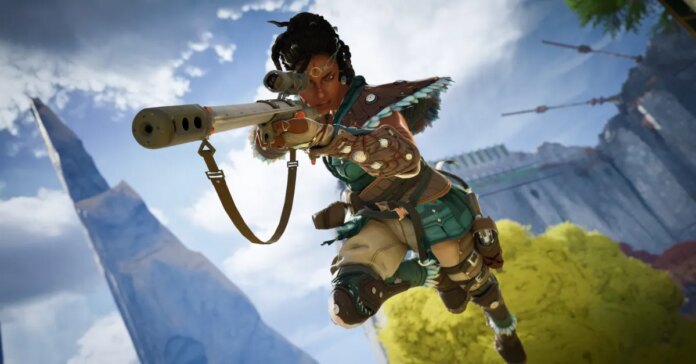
Another high-profile live-service game is shutting down soon after launch: this time it’s the free-to-play squad shooter Highguard.

Developer Wildlight Entertainment says that, even though Highguard reached 2 million players, the game will be shut down permanently on March 12th. That’s less than two months after the game debuted on January 26th. “Despite the passion and hard work of our team, we have not been able to build a sustainable player base to support the game long term,” the studio explained.

Why the End Matters

Transitions often occur for strategic reasons. Shifting market conditions, evolving priorities, financial considerations, or regulatory changes can all influence decisions to conclude a chapter. While some view endings as setbacks, others see them as necessary evolution.

Experts suggest that recognizing the significance of closure is important. It allows organizations and individuals to evaluate progress and reposition for future growth.

What Comes Next

Though this month marks the end, it also opens the door to new beginnings. Plans are already underway for the next phase — whether that involves launching a new initiative, restructuring operations, or pursuing fresh opportunities.

History shows that endings often precede innovation. As one chapter closes, space is created for reinvention and advancement.

A Moment of Transition

Ultimately, the conclusion serves as a reminder that progress is cyclical. Success is rarely linear, and each ending carries the seeds of a new start.

Before the game ends for good, it’s getting one last update either tonight or tomorrow that will add a new character and weapon, among other changes.

This all comes as publishers and developers continue to chase the sky-high player counts and steady revenue streams that come from big live-service hits like Fortnite. However, the space continues to prove to be incredibly difficult to break into, with recent success stories like Arc Raiders incredibly rare. Even single player-focused studios like Alan Wake developer Remedy have tried to expand into live-service releases with less-than-stellar results.

Additional relevant updates

Tips for Beginners and Seasoned Traders Alike

Cryptocurrency has taken the financial world by storm, offering opportunities for both newcomers and experienced investors. As with any investment, understanding the landscape is crucial. This article provides valuable tips for both beginners and seasoned traders looking to navigate the crypto market successfully.

Understanding the Basics

Before diving into the world of cryptocurrency, it’s important to grasp the basic concepts:

  • What is Cryptocurrency? Digital or virtual currency secured by cryptography.
  • Blockchain Technology: The underlying technology that records and verifies all transactions.
  • Wallet Types: Software wallets (hot wallets) and hardware wallets (cold wallets) for storing cryptocurrencies.

Tips for Beginners

1. Do Your Research

Understand various cryptocurrencies and their market trends. Read whitepapers, follow cryptocurrency news, and engage in community discussions.

2. Start Small

If you’re a beginner, consider investing a small amount to minimize risk while you learn the ropes. Gradually increase your investments as you gain more experience.

3. Use Reputable Exchanges

Choose established exchanges with positive reviews. Ensure they have strong security measures in place.

4. Be Prepared for Volatility

The cryptocurrency market is known for its price volatility. Be ready for sudden price changes and avoid panic-selling.

Tips for Seasoned Traders

1. Diversify Your Portfolio

Don’t put all your money into one cryptocurrency. Diversifying helps spread the risk and can enhance potential returns.

2. Keep an Eye on Market Trends

Utilize technical analysis and stay informed about market developments, regulatory news, and global economic factors that could impact your investments.

3. Set Stop-Loss Orders

Implement stop-loss orders to protect your investments from sudden downturns. This can help you lock in profits and limit losses.

4. Stay Emotionally Detached

Successful trading requires a clear mind. Avoid making impulsive decisions based on emotions. Stick to your trading strategy and plan.

Conclusion

Investing in cryptocurrency can be rewarding, but it requires careful consideration, research, and strategy. By following these tips, both beginners and seasoned traders can navigate the volatile market with confidence and enhance their chances of success.

To find out more,keep on visiting our website

Debate Erupts on ‘The View’ Over Iran Strikes and Trump’s Stance

The cohosts of The View, along with guest host Elisabeth Hasselbeck, weighed in on the biggest news of the weekend after Donald Trump‘s administration made several strikes against key officials in Iran without Congressional authorization to begin a war.

While Hasselbeck was willing to trust Trump’s instincts in the move, the others weren’t so sure.

Whoopi Goldberg started the conversation by reviewing footage of Trump’s announcement and other politicians’ mixed reactions, saying, “So I want to note that this morning, a fourth soldier was declared dead. So are Americans going to support another military operation in the Middle East right now? I mean, we’ve had kind of a checkered past in going into the Middle East and not taking care of business. So I open it up.”

“I don’t think they’re going to support it if the president of the United States does not make a case and clearly explain why we went in there and what the end game is,” Ana Navarro said first. “Look, I’m not an Iran expert, and I’m not going to pretend that, because I spent two days watching former generals on CNN explaining this, I understand the Middle East, but I am a regular American, and I can tell you my reaction, and it was mixed feelings. Because when I heard that the Ayatollah was dead, I shared the opinion of so many Iranians around the world and including in the United States, I thought of Mahsa Amini, the journalist who was stopped by the morality police and cruelly, brutally killed. I thought of Vida Rabbani. I thought of my friend… whose uncle was executed by the Ayatollah in ’79, and that is one part. But I also have such anxiety.

“I am furious that we are going into war yet again without congressional approval. I am furious that the American people have not been brought into this. I am furious that we are doing this alone. Yes, Israel is part of it, but I look at Donald Trump, and I look at Netanyahu, and I see two leaders who I think politically, they benefit from war. Netanyahu is facing criminal charges for corruption back home. Donald Trump is facing very low numbers and the Epstein files that will not are not and we will not let go away.”

After pausing for audience applause, she continued, “And so a lot of Americans are, we were happy that the Ayatollah is dead. He’s a brutal, brutal regime. And let me just say one more thing Trump has, I think, changed since Venezuela. I think Venezuela, I think he thought Venezuela was incredibly successful, and he’s been making comparisons with what happened in Venezuela with what’s happening in Iran. I don’t know Iran. I know Venezuela. Maduro was a pithy little third-world dictator. Venezuela is not Iran. Iran has terrorist cells all over the world that they can activate. Venezuela was one and done. They went into the extricated Maduro, and that was the end of that. This certainly is not that he’s already told us it could be four or five more weeks of strikes. We are seeing retaliation by the Iranians that the Venezuelans, they didn’t have the ability to do. So I think that he’s in love with this idea of being the conquerer and the emperor after Venezuela. He’s got this Napoleonic complex. He thinks he’s Alexander the Great. But Venezuela is not Iran.”

Hasselbeck then weighed in and supported Trump’s move by saying, “I shall respect where you come from Ana on this, and your ability to broadly think about it and have heart in it. I also think it’s very easy to have political concussion at this point where — and I actually had a concussion a year ago, one of the side effects of losing depth perception — where you can’t see the depth of what is going on, because you’re just being constantly barraged by information or political opinion and now war. Understandably, the Americans are fatigued with the idea of war. We get that. We sit here. We know the repercussions of it, including a death. And I do want to say our hearts are with the families of those fallen soldiers. Your sacrifice will not be squandered. This war will be won.

“I do think it’s threefold. One, we have 47 million Iranian women who now have a hope of freedom. That’s a good thing. OK, we have a disgusting, disgusting terrorist regime ended, and the people finally have hope to create their own nation again, so that’s the hope. When we zoom out and do political realm, OK, which is not my specialty either, but we have a ton of friends in the military who specialize in this, we see that this is actually avoiding a boots on the ground war with China when we are able to choke their oil supply, and the president and our military are exemplary in doing so right now. They’ve cut the oil supply from Venezuela, and they’ve now reduced it and choked the oil supply to China in Iran, and now what that does is presumably prevent China from having an absolute stronghold on the globe. So this is a strategic move geopolitically that we may not fully understand, but I absolutely trust that this is best for our nation. We should be America first.”

Navarro then challenged Hasselbeck by saying, “What makes you think that the regime has ended?”

“Well, the absolute Ayatollah is dead,” Hasselbeck answered.

When crosstalk then began to erupt with Sunny Hostin weighing in, Goldberg said, “We’re not doing this crosstalk, finish your sentence.”

“I was just going to say, the bottom line is that this is an illegal war. This is an unconstitutional war. Only Congress can wage war. That’s the first thing. I think we have to call a thing a thing. So this is an illegal war,” Hostin said. “This is a presidential war. I will also say, I think, what Ana was about to say, ‘Did the regime really change?’ No. At this point, Donald Trump has come out and said, ‘I have some choices for who would lead, but they are dead now, too.’ And so now you have people that are in Iran picking their own people, so you don’t have a regime change, just like you don’t have a regime change in Venezuela. Also, what I’ll say is it’s very, very easy to start a war without a plan. It’s very difficult to end a war. We’ve seen in Russia, invading Ukraine, thinking that it was going to be over. It’s five years later, 610,000 Russians are either maimed or killed, no 1.2 million Russians maimed or killed, we’ve got 600,000 Ukrainians maimed or killed. That war is not over. I thought this was going to be the president of peace. I thought this president wanted to win a Nobel Peace Prize for peace. That is not what I’m seeing. I am not seeing America first. I think people that voted for Trump, I was not one of them. I think you were, those people wanted America first.”

“I proudly voted for Trump. The alternative was absolutely be under the wrong power,” Hasselbeck snapped back before the show went to commercial break.

When the show resumed, Sara Haines took her turn to weigh in, saying, “So much depends on what happens next. I mean, right now, I think there’s probably not a lot of popular support here in this country, purely because it’s a bit shocking. Obviously, no one was brought in on this decision. I do think that having the supreme leader killed and not in Iran is a good thing. This is the largest state-sponsored terrorist nation that has forever fueled China, Russia, as you pointed out, Elisabeth, and I think the protests that have been going on for months, the thousands of Iranians who have lost their lives, this is the largest protest since 1979, which is a big deal. Now I don’t know if the handing over their country is as clean as it sounds. Oftentimes, when you wipe out regimes, which we don’t know for sure, sunny, although 40 of the top leaders have been reported killed, so they’ve definitely decapitated the country right now. What happens next will really depend on how coordinated the people can be, because, remember, they’ve been suppressed for years. The Iranian people are amazing, and they deserve to live outside of this leader and this regime, but they also have had media blackouts. Any dissidents, they could be killed. They’ll just be killed. How well they speak to each other when they have facial recognition they’ve been using to identify protesters and then further eliminate them. So I just don’t think we know yet how long this [lasts] or what it looks like, but there are some benefits to this country if indeed it could go smoothly. It just remains a cautious optimism.”

Goldberg then weighed in saying, “Well, I just think we all have to remember that, because we don’t know what’s coming next. We don’t know how safe women are going to be. We don’t know. We don’t know. The key here is we don’t know, because it would be great if it happened and it happened the way we wanted to happen, and people found that freedom. But I’m not optimistic, because  when you throw in religion, and you throw in male dominance, and … all kinds of stuff, you have to surf a lot of this. And if you don’t know what’s going on, all we can do is talk about what we see. But I am cautiously watching to see who is going to end up becoming the leader, and it is not somebody I think we need to appoint. This is up to the Iranian people to make that decision. We can’t just drop somebody in.”

Hasselbeck responded to Goldberg’s point by saying, “Even the president himself has said and the secretary war, Pete Hegseth, has said that this is now the time for the Iranian people to stand and do what they need to do.” She then showed a before-and-after photo of women in school as opposed to being “thrown off buildings,” and said, “I think there’s such hope, and it takes strength to find peace, and America should be first at that always.”

“I hope you’re right,” Navarro said. “I hope, for the sake of the Iranian people and for the sake of the world, for America’s sake, I hope you’re right. But I remember 1989 when the Ayatollah Khamenei died, and we thought, ‘This is over, and this is going to be great,’ and a worse guy came up. I remember seeing George W. Bush on a U.S. aircraft carrier with a big banner behind him that said, ‘Mission accomplished,’ and the mission had not been accomplished. I remember going into war with information that wasn’t true, and so there’s a lot that Donald Trump has to say and do, and I think it starts with Congress. I just think that they are our elected representatives, and he needs to give them the respect of giving them the information and making them part of it.”

“At this point, this is an unconstitutional war. It’s an illegal war. He didn’t go to Congress. He didn’t go to the U.N. He didn’t go before the American people, and that’s why, at this point, only 27% of Americans approve of these actions. And I don’t believe, I don’t have any confidence that Donald Trump has any sort of plan. Maybe he has concepts of a plan, but he does not have any sort of plan,” Hostin said defiantly.

Haines argued back, though, saying, “The other presidents that have gone in without congressional approval of Biden, Obama, Clinton, George H.W., Reagan. So I would be more upset that Congress has ceded this power than mad that the president didn’t check with Congress.”

“Well, I’m mad about all of it, to be honest,” Goldberg said to conclude the conversation.

The View, weekdays, 11a/10c, ABC

Continue visiting our website for more information

Countries Facing the Greatest Impact

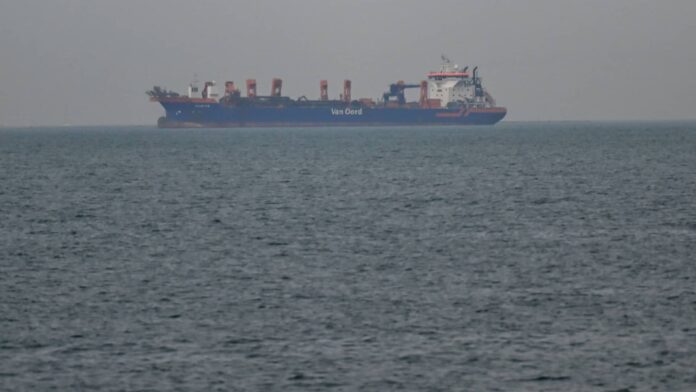
Commercial ships anchor off the coast of the United Arab Emirates due to navigation disruptions in the Strait of Hormuz, Dubai on March 2, 2026.

Anadolu | Getty Images

The closure of the Strait of Hormuz by Iran is sending shockwaves across global energy markets, with Asia expected to face the maximum pain.

A senior commander from Iran’s Revolutionary Guards said Monday that the Strait of Hormuz had been shut and warned that any vessel attempting to transit the waterway would be targeted, Iranian media reported.

Located between Oman and Iran, the Strait functions as a vital artery for global oil trade. Roughly 13 million barrels per day passed through it in 2025, representing about 31% of all seaborne crude flows, according to energy consulting firm Kpler.

A prolonged closure of the Strait would likely lead to a further surge in oil prices, with some analysts seeing oil crossing $100 per barrel. Global benchmark Brent was last up 2.6% at around $80 per barrel —almost 10% higher since the conflict broke out.

About 20% of global liquefied natural gas exports that come from the Gulf are also at risk, primarily those originating from Qatar and shipped via the Strait of Hormuz, according to Kpler. Qatar, one of the world’s largest providers of LNG, halted production on Monday after Iranian drones hit its facilities at Ras Laffan Industrial City and Mesaieed Industrial City.

“In Asia, Thailand, India, Korea and the Philippines are the most vulnerable to higher oil prices, due to their high import dependence, while Malaysia would be a relative beneficiary since it is an energy exporter,” Nomura wrote in a note on Monday.

Here’s how those reliant on Gulf energy and shipments via the Strait of Hormuz stand to be impacted.

South Asia: immediate physical strain

South Asia would face the most acute disruption, particularly when it comes to supplies of LNG, analysts said.

Qatar and the UAE account for 99% of Pakistan’s LNG imports, 72% of Bangladesh’s, and 53% of India’s, according to Kpler data.

With limited storage and procurement flexibility, Pakistan and Bangladesh are especially vulnerable. For one, Bangladesh is already running a significant structural gas deficit. According to the Institute for Energy Economics and Financial Analysis, the country is running a shortfall of more than 1,300 million cubic feet per day.

“Pakistan and Bangladesh have limited storage and procurement flexibility, meaning disruption would likely trigger fast power-sector demand destruction rather than aggressive spot bidding,” Katayama said.

India faces the largest combined exposure in the region. “More than half of its LNG imports are Gulf-linked, and a significant share is Brent-indexed, so a Hormuz-driven crude spike would simultaneously lift oil import costs and LNG contract prices. That creates a dual physical and financial shock,” he said.

Similarly, about 60% of India’s oil imports come from the Middle East, according to UBP. A sustained blockade would therefore amplify both energy import costs and current-account pressures.

China: large exposure but sufficient buffer

A Hormuz closure would test China’s energy security, but stockpiles and alternative supply offer some buffer.

The country is the world’s largest crude oil importer, and purchases over 80% of Iranian oil, according to Kpler.

Around 30% of its LNG imports come from Qatar and the UAE, and roughly 40% of its oil imports pass through Hormuz, UBP estimates.

“China is materially exposed but more flexible,” Kpler’s Katayama said.

According to Kpler, China’s LNG inventories as of end-February stand at 7.6 million tons, providing short-term cover. However, China would need to compete for Atlantic cargoes if the outage persists, tightening the Pacific basin, Katayama added. In which case, the dynamic could intensify price competition across Asia even if Beijing avoids outright shortages.

Saudi Arabia has increased crude loadings in recent weeks, and strategic petroleum reserves held by major consuming nations like China, could provide some temporary cushioning to the market, Rystad Energy said in a note on Sunday.

UBP said that while China is a key net energy importer in the region, it is not necessarily the most vulnerable to potential supply shocks.

Japan and South Korea

The Middle East supplies 75% of Japan’s oil imports and around 70% of Korea’s, according to UBP.

For LNG, their Gulf exposure is lower than South Asia’s. South Korea sources 14% of its LNG from Qatar and the UAE, while Japan sources 6%, Kpler estimates.

Even without outright shortages, price effects could be severe. “Economies with high energy import reliance such as Japan, South Korea, and Taiwan are more exposed to supply shocks,” said Shier lee Lim, lead macro and FX strategist of APAC at payments platform Convera.

Inventories are also limited. Korea holds about 3.5 million tons of LNG and Japan around 4.4 million tons in reserves, enough for roughly two to four weeks of stable demand, according to Kpler.

South Korea’s net oil imports are 2.7% of GDP, with Nomura flagging it amongst the most vulnerable on the current-account front.

Southeast Asia

Across much of Southeast Asia, the first-order hit is cost inflation rather than an immediate shortage, said industry experts.

Spot-reliant LNG buyers would face sharply higher replacement costs as Asia competes with Europe for Atlantic cargoes, said Kpler’s Katayama.

Thailand especially is a standout oil-price loser in Nomura’s framework because the external hit is large and immediate: it has the biggest net oil imports in Asia at 4.7% of GDP, and each 10% oil price rise worsens the current account by around 0.5 percentage point of the country’s GDP.

Join our website for cool news and cool tips

Regulatory Challenges for Cryptocurrency: The Road Ahead

The rise of cryptocurrency has created both opportunities and challenges across the globe. As cryptocurrencies gain traction, the regulatory landscape surrounding them is evolving rapidly, yet significant challenges remain. This article explores the current regulatory environment for cryptocurrency and the hurdles that lie ahead.

Understanding Cryptocurrency Regulation

Cryptocurrency regulation involves government policies and legislation aimed at overseeing the use, exchange, and management of digital currencies. This area is characterized by:

  • Varied Approaches: Different countries have adopted distinct regulatory frameworks, from outright bans to embracing crypto innovations.
  • Rapid Change: The pace of technological advancement often outstrips regulatory updates, leading to gaps and uncertainties.
  • Consumer Protection: Governments aim to safeguard investors from fraud, ensuring fair market practices.

Key Regulatory Challenges

1. Legal Ambiguities

Many countries still grapple with the legal status of cryptocurrencies. Questions surrounding whether crypto is a currency, commodity, or security complicate regulatory efforts and create uncertainties for investors.

2. Global Discrepancies

The global nature of cryptocurrency presents a challenge. While some countries pursue a unified approach, others adopt conflicting regulations, leading to confusion in cross-border transactions.

3. Taxation Issues

Tax authorities are struggling to develop frameworks for taxing cryptocurrency transactions. Without clear guidelines, taxpayers face challenges in compliance, leading to possible legal ramifications.

4. Anti-Money Laundering (AML) and Know Your Customer (KYC) Protocols

To prevent illicit activities, regulators are focusing on AML and KYC regulations. Cryptocurrency exchanges must balance compliance with user privacy, creating tension in regulatory frameworks.

The Road Ahead

As the cryptocurrency ecosystem matures, several paths are emerging for regulatory development:

  • Increased Collaboration: Governments are more likely to collaborate to develop a more cohesive regulatory framework across borders.
  • Innovation-Friendly Regulations: A balanced approach that promotes innovation while ensuring consumer protection is imperative.
  • Public Awareness and Education: Increasing investor education will empower individuals to navigate the complex world of cryptocurrencies.

Conclusion

While regulatory challenges for cryptocurrencies persist, the future looks promising. With ongoing dialogue between regulators and industry stakeholders, it is possible to establish a framework that fosters innovation while ensuring safety and security in the financial system.

More related updates, Click Here

Revolutionizing Banking as We Know It

Introduction
The financial landscape is undergoing a seismic shift with the rise of Decentralized Finance (DeFi). By using blockchain technology, DeFi offers an alternative to traditional banking systems, promising greater accessibility, transparency, and efficiency. This article explores what DeFi is, its advantages, challenges, and its future potential.

What is DeFi?

Decentralized Finance refers to a set of financial services built on blockchain technology that eliminates intermediaries. Through smart contracts on platforms such as Ethereum, users can engage in lending, borrowing, trading, and earning interest in a decentralized manner. This opens up financial services to anyone with internet access, irrespective of their geographical location or socioeconomic status.

Key Advantages of DeFi

  • Accessibility: DeFi platforms can be accessed by anyone, anywhere in the world, making financial services more inclusive.
  • Transparency: Blockchain’s inherent transparency allows users to see transactions and contracts, reducing the risk of fraud and increasing trust.
  • Lower Fees: By cutting out intermediaries, DeFi often allows users to save on transaction fees and earn higher yields on their investments.
  • Global Transactions: DeFi enables instant cross-border transactions without the need for currency conversion or bank approval.

Challenges Facing DeFi

  • Regulatory Hurdles: Governments are grappling with how to regulate DeFi, potentially leading to a lack of clear guidelines.
  • Security Risks: Smart contract vulnerabilities and hacking incidents have resulted in significant losses for users.
  • User Experience: Many DeFi applications require a certain level of technical knowledge, which can be a barrier for mainstream adoption.

The Future of DeFi

As the DeFi ecosystem matures, we can expect more innovations and improvements in user experience, security, and regulation. The potential for DeFi to democratize finance and provide services to the unbanked is immense. Collaboration with traditional financial institutions may also pave the way for a more integrated financial future.

Conclusion

Decentralized Finance is more than just a buzzword; it represents a fundamental shift in how we think about and interact with money. As the technology continues to evolve, DeFi has the potential to revolutionize banking as we know it, creating a more equitable and inclusive financial system for all.

Keep checking our website for additional details

RFK Jr. Confronted by Joe Rogan on Trump’s Controversial ICE Raids

When Trump’s top health goon was tasked with answering for the president’s brutal immigration crackdowns, he placed the blame on the press for amplifying “Trump derangement syndrome.”

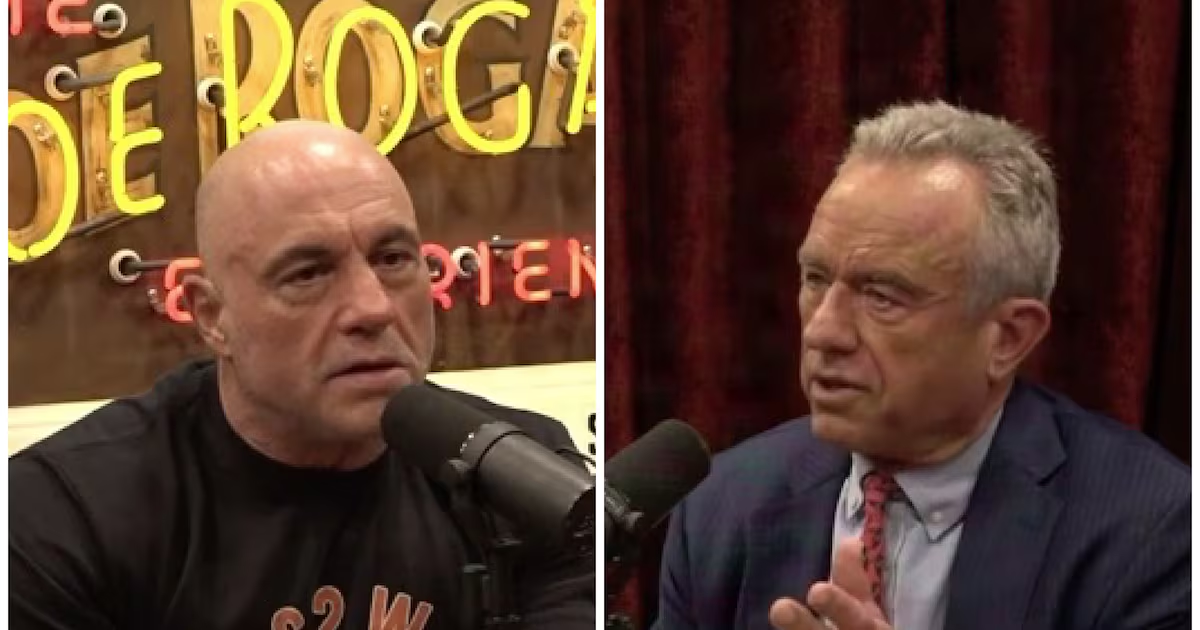
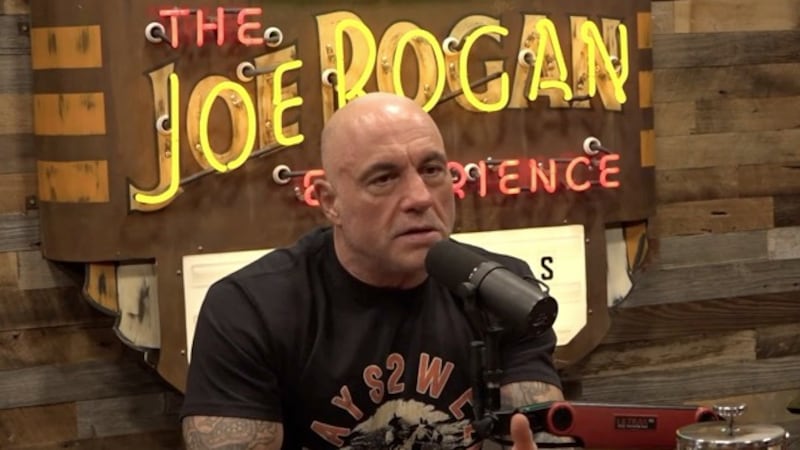
Robert F. Kennedy Jr. admitted Friday on The Joe Rogan Experience that some of the scenes that came out of Minneapolis last month—namely the killing of two American citizens by federal agents—were “very disturbing.” But Kennedy faulted the media and “Democrats” rather than the administration that gave the orders for the Midwest operation.

“The thing that makes it most disturbing, is because there’s so much interaction with protesters, which is weird that the Democrats are telling protesters to go out there and stop law enforcement from doing its job,” Kennedy said to host Joe Rogan.

Kennedy laid much of the blame for the Trump administration’s immigration operations in Minneapolis on Democrats and the media. Pool/Getty Images

“That’s not how protests usually work,” he asserted. “If you don’t like U.S. drug policy… you wouldn’t send people to try to interfere with people who are, who are uh, who are arresting a drug dealer. And when you have thousands and thousands of people doing that, there’s going to be thousands of interactions, and some of those are going to end badly because you have armed people doing dangerous things. And when you have crowds doing that, it’s going to blow up.”

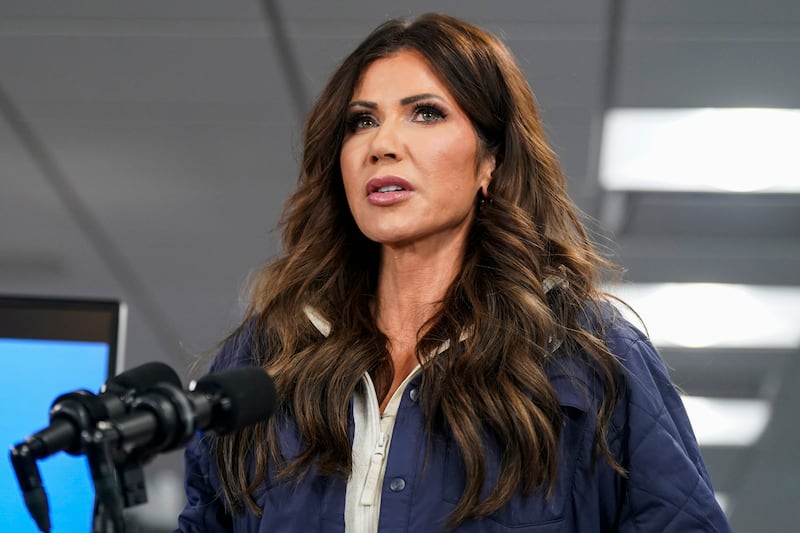
Kennedy, 72, then alluded to how ICE operations in Minneapolis are winding down—after two deaths and Department of Homeland Security Secretary Kristi Noem’s bungled messaging.

Kristi Noem
Noem’s comments about Good and Pretti sparked outrage. Following Pretti’s death, her choice to lead the Minneapolis operation, Greg Bovino, was removed from the state by Trump. Al Drago/Getty Images

“Nobody is happy with the way that things have looked, particularly in Minnesota, but a lot of it is because of this capacity of the press to take ‘Trump derangement syndrome’ and amplify it into public outrage and set up a situation,” Kennedy claimed.

ICU nurse Alex Pretti and unarmed mother Renee Good, both 37, were shot to death by federal immigration agents in two separate incidents in January. Their deaths were captured by numerous cellphone videos showing that neither of them was attacking officers when the shootings occurred. Still, following both of their killings, Noem and other administration officials referred to Good and Pretti as “domestic terrorists.”

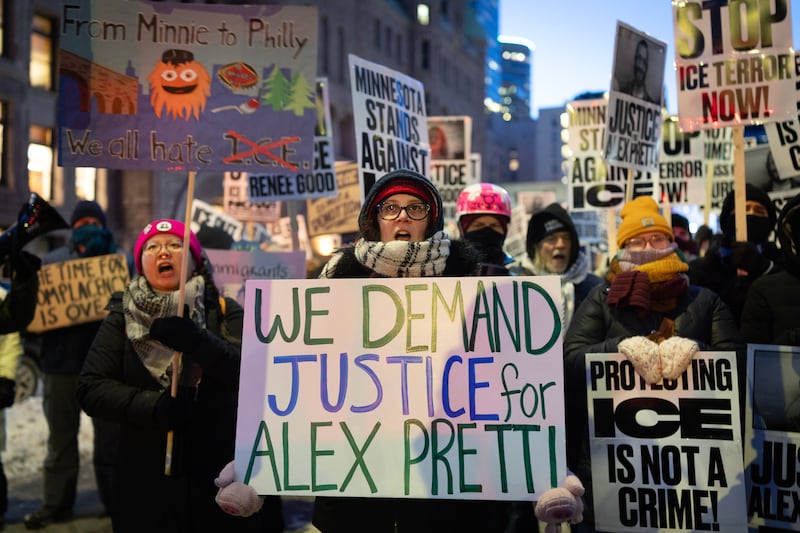
Demonstrators protested against Immigration and Customs Enforcement operations in Minnesota in the aftermath of the killings of Alex Pretti and Renee Nicole Good by federal law enforcement.
Demonstrators protested against ICE operations in Minnesota in the aftermath of the killings of Alex Pretti and Renee Nicole Good by federal law enforcement. Scott Olson/Getty Images

Kennedy went on to draw comparisons between the Trump administration’s deportation actions and those of former President Barack Obama.

“President Obama deported more people than President Trump did—the most in history,“ Kennedy said. ”Nobody cares.” He went on to claim that 76 people were shot during the deportation process during the Biden administration and that “none of it made headlines.”

”About half of those people were killed. None of it made the news. Now, because it’s Trump doing it, you have the entire Democratic Party and the media establishment saying, ‘Oh, look at the horrible things. He’s a dictator.’ But he’s doing what he promised to do to the American people.”

Rogan questioned whether organized, paid protests should even be legal.
Rogan questioned whether organized, paid protests should even be legal. YouTube/The Joe Rogan Experience

For his part, Rogan also said some of the scenes came off as disturbing to people. But the podcaster and UFC commentator, who endorsed Trump in 2024, argued that they should also be disturbed by how some protests are organized. Rogan even questioned their legality.

“These protests are organized and paid for, and that’s crazy, right?” Rogan, 58, fretted. “When you find that out, and you find out that people can actually be paid to protest, and that they provide them with signs—they tell them what they do. It’s organized. They have Signal chats.”

“There’s been a lot of people online talking about being paid to protest in certain places, and that’s kind of insane that that’s even legal—that you can organize a mob and pay them to go and make a bunch of noise,” he said.

The idea of paid protesters has long been a MAGA obsession. FBI Director Kash Patel claimed he would launch a probe into the funders of anti-ICE protests following the shooting of Renee Good in January. Later that month, Trump repeatedly claimed the protesters in Minneapolis were paid agitators. Politifact reported that those claims did not stand up to scrutiny.

Join our website for cool news and cool tips

Independiente Rivadavia vs. River: Live Updates from the Apertura Tournament

Con la dirección técnica de Marcelo Escudero, el Millonario iguala 0-0 ante la Lepra mendocina, que marcha puntera en la Zona B. Tras el partido, Coudet se hará cargo del equipo. Seguilo en vivo.

21:34

😵 4′ 1T: Falta de Independiente Riv. (M)

Falta de José Florentín (Independiente Riv. (M)) a Sebastián Driussi (River Plate).

21:32

😱 2′ 1T: Despeje de River Plate

Apareció Lautaro Rivero para despejar la pelota y darle tranquilidad a River Plate.

21:31

😱 1′ 1T: Despeje de River Plate

Apareció Marcos Acuña para despejar la pelota y darle tranquilidad a River Plate.

21:31

😱 1′ 1T: Despeje de Independiente Riv. (M)

Apareció Nicolás Bolcato para despejar la pelota y darle tranquilidad a Independiente Riv. (M).

21:30

😱 0′ 1T: Despeje de River Plate

Apareció Santiago Beltrán para despejar la pelota y darle tranquilidad a River Plate.

21:30

⏱️ Comenzó el partido entre Independiente Riv. (M) y River Plate

¡Comenzó el partido! Independiente Riv. (M) y River Plate ya juegan en el estadio Malvinas Argentinas, con arbitraje de Facundo Tello Figueroa.

21:30

Los capitanes de Independiente Riv. (M) y River Plate para el partido por Argentina – Primera División

Durante el partido de hoy por Argentina – Primera División, en Independiente Riv. (M) el capitán del equipo será Sebastián Villa mientras que en River Plate será Lucas Martínez Quarta.

21:30

Formación de Independiente Riv. (M) confirmada

Titulares

  • (30) Nicolás Bolcato
  • (13) Alejo Osella
  • (40) Iván Villalba
  • (2) Leonard Costa
  • (42) Sheyko Studer
  • (3) Juan Manuel Elordi
  • (11) Gonzalo Ríos
  • (25) José Florentín
  • (10) Matías Fernandez
  • (43) Fabrizio Sartori
  • (22) Sebastián Villa

Suplentes

  • (12) Ramiro Macagno
  • (14) Luciano Gómez
  • (36) Ezequiel Bonifacio
  • (5) Tomas Bottari
  • (8) Leonel Bucca
  • (27) Diego Crego
  • (32) Kevin Vasquez
  • (34) Stefano Moreyra
  • (7) Victorio Ramis
  • (9) Alex Arce
  • (17) Juan Bautista Dadín
  • (19) Rodrigo Atencio

Entrenador: Alfredo Berti

21:30

Formación de River Plate confirmada

Titulares

  • (41) Santiago Beltrán
  • (29) Gonzalo Montiel
  • (28) Lucas Martínez Quarta
  • (13) Lautaro Rivero
  • (21) Marcos Acuña
  • (6) Aníbal Moreno
  • (15) Fausto Vera
  • (38) Ian Subiabre
  • (9) Sebastián Driussi
  • (26) Tomás Galván
  • (44) Joaquín Freitas

Suplentes

  • (42) Franco Jaroszewicz
  • (16) Fabricio Bustos
  • (17) Paulo Díaz
  • (18) Matías Viña
  • (31) Facundo González
  • (22) Kevin Castaño
  • (39) Santiago Lencina
  • (19) Kendry Páez
  • (7) Maximiliano Salas
  • (11) Facundo Colidio
  • (30) Cristian Jaime
  • (32) Agustín Ruberto

Entrenador: Marcelo Escudero

21:15

Posible formación de Independiente Riv. (M)

Titulares

  • (30) Nicolás Bolcato
  • (13) Alejo Osella
  • (40) Iván Villalba
  • (2) Leonard Costa
  • (42) Sheyko Studer
  • (3) Juan Manuel Elordi
  • (11) Gonzalo Ríos
  • (25) José Florentín
  • (10) Matías Fernandez
  • (43) Fabrizio Sartori
  • (22) Sebastián Villa

Suplentes

  • (12) Ramiro Macagno
  • (14) Luciano Gómez
  • (36) Ezequiel Bonifacio
  • (5) Tomas Bottari
  • (8) Leonel Bucca
  • (27) Diego Crego
  • (32) Kevin Vasquez
  • (34) Stefano Moreyra
  • (7) Victorio Ramis
  • (9) Alex Arce
  • (17) Juan Bautista Dadín
  • (19) Rodrigo Atencio

Entrenador: Alfredo Berti

21:15

Posible formación de River Plate

Titulares

  • (41) Santiago Beltrán
  • (29) Gonzalo Montiel
  • (28) Lucas Martínez Quarta
  • (13) Lautaro Rivero
  • (21) Marcos Acuña
  • (6) Aníbal Moreno
  • (15) Fausto Vera
  • (26) Tomás Galván
  • (38) Ian Subiabre
  • (9) Sebastián Driussi
  • (44) Joaquín Freitas

Suplentes

  • (42) Franco Jaroszewicz
  • (16) Fabricio Bustos
  • (17) Paulo Díaz
  • (18) Matías Viña
  • (31) Facundo González
  • (22) Kevin Castaño
  • (39) Santiago Lencina
  • (19) Kendry Páez
  • (7) Maximiliano Salas
  • (11) Facundo Colidio
  • (30) Cristian Jaime
  • (32) Agustín Ruberto

Entrenador: Marcelo Escudero

20:44

Giuliano Galoppo quedó fuera del banco por lesión

El ex Banfield iba a ser suplente pero sufrió un traumatismo en el tobillo izquierdo que lo marginó de formar parte.

20:20

Marcelo Escudero dirigirá su segundo partido en la Primera de River

El único antecedente del Pichi al mando fue un empate sin goles ante Unión en 2024, mientras era interino entre la transición de Marcelo Gallardo y Martín Demichelis.

20:10

En qué estadio jugarán Independiente Riv. (M) vs. River Plate

Independiente Riv. (M) vs. River Plate disputarán el partido en el estadio Malvinas Argentinas, en donde Independiente Riv. (M) jugará de local.

19:59

Eduardo Coudet se desvinculó de Alavés y es cuestión de tiempo que asuma en River

El entrenador se despidió de sus dirigidos esta mañana y fue despedido con un típico pasillo de aplausos. Las dirigencias de ambos clubes llegaron a un acuerdo para la salida del Chacho.

19:50

Árbitro para Independiente Riv. (M) vs. River Plate

Para el partido entre Independiente Riv. (M) vs. River Plate el árbitro será Facundo Tello Figueroa

19:37

Así llegan River e Independiente Rivadavia:

El Millonario cortó una racha de tres derrotas ligueras seguidas con una victoria por 3 a 1 contra Banfield en El Monumental, con la que se despidió Marcelo Gallardo.

Del otro lado, la Lepra levantó el pie del acelerador de su fenómenal arranque y, a pesar de seguir liderando la tabla anual, solo consiguió vencer a Independiente en sus últimos tres partidos, cayendo con Belgrano e igualando con Racing.

19:30

Hora, TV de Independiente Riv. (M) vs. River Plate

Hora: 21:30 hs.

TV: ESPN Premium

To find out more, keep on visiting our website

The Intersection of Art and Cryptocurrency Explained

What are NFTs?
Non-Fungible Tokens, or NFTs, are unique digital assets that represent ownership of a specific item or piece of content on the blockchain. Unlike cryptocurrencies such as Bitcoin or Ethereum, which are fungible and can be exchanged for one another, NFTs are indivisible and have distinct values.The Rise of NFTs in the Art World

The art industry has seen a significant transformation with the introduction of NFTs. Artists can tokenize their artwork, making it traceable and verifiable on the blockchain. This has allowed creators to reach a global market, sell their work directly, and even earn royalties from secondary sales.High-profile sales, such as Beeple’s digital collage “Everydays: The First 5000 Days,” which sold for $69 million at Christie’s, have captured public attention and highlighted the potential for NFT art.

How do NFTs Work?

NFTs are created through a process called minting, where the artwork is uploaded to a blockchain. Ethereum is the most common blockchain used for NFTs, utilizing smart contracts to enforce ownership and transaction history. These smart contracts outline the details of the NFTs, including who owns them and how they can be transferred.Benefits of NFTs for Artists

  • Ownership Verification: NFTs provide a clear ownership trail, meaning artists can prove the originality of their work.
  • Royalties: Artists can set up contracts to earn a percentage from resales, ensuring they benefit from future transactions.
  • Global Exposure: NFTs allow artists to reach buyers worldwide without the need for galleries or intermediaries.

Challenges and Criticisms

Despite the potential of NFTs, there are also numerous challenges and criticisms. Environmental concerns arise from the energy consumption of blockchain networks, particularly those using proof-of-work systems. Additionally, issues of copyright and plagiarism in the digital art space can lead to disputes over ownership.The Future of NFTs in Art

As technology evolves, the future of NFTs in the art world appears promising. Augmented reality, virtual galleries, and metaverse integrations may further enhance how art is experienced and traded. However, ongoing discussions about sustainability and ethical practices will shape the trajectory of NFTs in the coming years.Conclusion

NFTs represent an innovative crossroads between art and cryptocurrency, reshaping how art is created, sold, and owned. While there are challenges to navigate, the ongoing evolution of NFTs will undoubtedly influence the art world for years to come. As both art enthusiasts and investors engage with this new medium, the conversation around NFTs will continue to expand.For more information about NFTs and their impact on the art world, visit NFT Insights.

More related updates, Click Here