
Home Blog Page 127

Why Ayurveda and Hijama Are the New Go-To Natural Healing Methods

In an age of high-tech diagnostics and lab-grown pharmaceuticals, something fascinating is happening: people are turning back to the wisdom of ancient healing. From high-profile athletes to wellness influencers and holistic health clinics, traditional therapies like Ayurveda and Hijama (cupping therapy) are no longer considered “alternative”—they’re earning a seat at the global wellness table.


What Is Ayurveda?

Originating in India over 5,000 years ago, Ayurveda means “the science of life.” This holistic system is based on maintaining balance among three bodily energies or doshas—Vata, Pitta, and Kapha—using diet, herbs, detox, meditation, massage, and lifestyle.

Key Ayurvedic treatments include:

  • Panchakarma: A detox process to cleanse the body.
  • Abhyanga: A therapeutic warm oil massage.
  • Shirodhara: Pouring herbal oil on the forehead to calm the nervous system.

Science is catching up—studies show that Ayurvedic herbs like Ashwagandha, Turmeric, and Triphala have anti-inflammatory, adaptogenic, and gut-balancing properties.


What Is Hijama (Cupping Therapy)?

Hijama, also known as cupping therapy, has roots in Islamic, Chinese, and Egyptian traditions. It involves applying suction cups to the skin to draw out stagnant blood and toxins. In Islam, it’s considered a Sunnah—a practice recommended by the Prophet Muhammad (PBUH).

There are two types:

  • Dry cupping: Uses suction without incisions.
  • Wet cupping (Hijama): Involves small cuts to extract impure blood.

Research now supports Hijama’s effectiveness in improving blood circulation, relieving muscle pain, boosting immunity, and even managing conditions like migraines and arthritis.


Why the Global Comeback?

1. Chronic Illness Epidemic
With lifestyle diseases like diabetes, hypertension, and autoimmune disorders on the rise, many are looking beyond conventional medicine for root-cause healing—not just symptom management.

2. Integrative Healthcare
Medical professionals worldwide are embracing integrative care, blending modern science with time-tested practices. Ayurveda and Hijama are now offered in wellness resorts, hospitals, and even Olympic training centers.

3. Minimal Side Effects
Compared to pharmaceuticals, both Ayurveda and Hijama are valued for their low-risk profiles when performed correctly.

4. Cultural Revival
In the Middle East, South Asia, and parts of Africa, younger generations are reclaiming traditional knowledge. What was once dismissed as outdated is now being proudly revived and modernized.


Caution and Certification

Not all practitioners are equal. Whether trying Ayurveda or Hijama, it’s crucial to:

  • Check for certified and licensed practitioners
  • Avoid DIY treatments
  • Understand any contraindications (e.g., for pregnant women or those on blood thinners)

Final Thoughts

From New Delhi to Dubai, from wellness retreats to rehab centers, Ayurveda and Hijama are proving that ancient doesn’t mean obsolete. These practices are not mystical relics—they are well-being systems built on observation, experience, and holistic understanding. As modern science begins to validate their efficacy, the world is finally giving these ancient healing arts the respect they’ve always deserved.
Meet Huxe: Ex-Google Founders New AI Startup Revolutionizing Voice Briefings

In an era where screens dominate our daily interactions, a new startup wants to change how we consume information—by speaking it to us. Meet Huxe, a fresh AI audio platform launched by former Google engineers with a bold mission: to redefine how we get our daily updates through personalized voice briefings and real-time audio replies.

From Google to Huxe: A New Sound of Innovation

The team behind Huxe knows a thing or two about AI at scale. Having worked on voice tech and assistant products at Google, these founders are now using that expertise to build a more human, intuitive alternative to screen-based browsing. Instead of scrolling endlessly, users of Huxe get what matters to them—spoken to them.

How Huxe Works: A Voice for Your Daily Life

Huxe uses a mix of generative AI and user preference modeling to deliver tailored audio briefings every morning—think of it as a hyper-personalized podcast that updates daily. Whether it’s news headlines, stock tips, weather, or reminders, Huxe curates content from trusted sources and packages it into a voice experience that evolves with your interests.

But what sets Huxe apart is real-time audio interaction. Ask a question—about the economy, your calendar, or even what movie to watch tonight—and Huxe replies instantly with a natural-sounding voice that feels like a conversation, not a command line.

Why Now? The Rise of Screenless Computing

Voice tech is having a moment. With wearables, smart speakers, and car interfaces becoming more widespread, Huxe is betting big on the future of screenless computing. The goal? Free up your eyes and hands while staying just as informed and engaged.

Instead of “Hey Google” or “Alexa,” Huxe invites you into a more fluid, context-aware interaction. And it’s designed not just for utility, but for tone—delivering information with nuance, not robotic flatness.

Built for Privacy and Personalization

Understanding the growing concerns around data, the team promises that Huxe is built with privacy-first principles. User preferences are stored securely, and the AI is designed to adapt without oversharing or overtracking.

Backed by Vision, Fueled by Sound

Early demos have impressed investors, and buzz is growing around how Huxe could shake up the digital assistant landscape. With its roots in Google’s AI labs and its eyes on a screenless future, Huxe represents a new wave of audio-first AI—one that’s tuned into your life, not just your search history.

Final Thoughts

As AI voice tech matures, Huxe is a timely reminder that the next interface might not be in your hands or on your screen—but in your ears. Personalized, conversational, and real-time, Huxe is aiming to make daily information sound better—and feel more human.

With $5M in New Funding, Sesh Targets AI Innovation for Music Artists

In a bold move set to reshape the music industry, music tech startup Sesh has secured $5 million in funding to empower independent artists with cutting-edge tools for fan engagement. At the heart of their innovation? Mobile wallet “fan cards” and a suite of AI-powered analytics that promise to turn casual listeners into loyal superfans.

The Future of Music Is Fan-Centric

Sesh is built on a simple yet powerful idea: musicians thrive when they own the relationship with their fans. While traditional social platforms often limit direct engagement and siphon off valuable data, Sesh’s platform hands the power back to creators.

With the new funding round, led by forward-thinking venture firms and music industry angels, Sesh plans to scale its artist-first ecosystem—just in time for a new era where community matters more than virality.

What Are Mobile Wallet “Fan Cards”?

Imagine this: You go to your favorite indie artist’s page, and instead of just following them on a platform, you’re offered a digital “fan card” that lives in your smartphone’s wallet app—just like a boarding pass or a credit card.

These cards are more than just digital memorabilia. They unlock exclusive access to behind-the-scenes content, early ticket drops, unreleased tracks, merch discounts, and more. Think of it as a VIP pass that updates in real-time, and evolves with your fandom.

And because it’s stored in your phone’s wallet, it’s always just a swipe away—no new app needed.

AI-Powered Insights: Let the Data Sing

But fan cards are only half the story. Behind the scenes, Sesh is running powerful AI algorithms that give artists real-time insights into who their most engaged fans are, what content they respond to, and when to launch a new drop or tour.

This kind of fan intelligence—previously accessible only to major labels—is now in the hands of every bedroom producer, garage band, or TikTok rapper.

And it’s more than just numbers. Sesh’s AI gives actionable suggestions, from best release times to fan-specific merch bundles, making sure every move an artist makes hits the right note.

Bridging Artists and Communities

According to Sesh CEO [Insert Name], the mission is clear:

“We’re not just building tools. We’re building bridges between artists and their communities. Fan cards and AI are the foundation of a more direct, more human music economy.”

With the $5M injection, Sesh is set to expand its engineering team, onboard thousands of emerging artists, and roll out new monetization features that put creators first.

Why This Matters Now

In a world where streaming pays fractions of a cent per play and social media algorithms are unpredictable, direct fan engagement is the new gold standard. Platforms like Patreon and Bandcamp laid the groundwork, but Sesh is taking it a step further by merging fan relationships, data insights, and digital convenience into a seamless platform.

For artists hungry to own their audience, and fans eager to go beyond likes and comments, Sesh might just be the future of music fandom.


$500M+ OpenAI-Jony Ive Collaboration Targets Breakthrough in AI Hardware Design

In a groundbreaking development that has captured the attention of the tech world, OpenAI has teamed up with legendary designer Jony Ive in a $500 million+ initiative to develop next-generation AI hardware. This high-profile collaboration is expected to push the boundaries of what artificial intelligence devices can look like, feel like, and—most importantly—how they function.

🧠 A Union of Vision and Innovation

Jony Ive, known for revolutionizing Apple’s product design with the iPhone, iMac, and iPod, brings a minimalist yet futuristic design philosophy. OpenAI, on the other hand, has redefined software intelligence with tools like ChatGPT and DALL·E. Naturally, the synergy between these two forces suggests a future where AI is not only smarter but also beautifully integrated into daily life.

Moreover, this partnership is not just about aesthetics. It’s about creating an intuitive bridge between humans and machines—one that feels natural, ethical, and empowering.

💡 Why This Matters: Bridging Software and Hardware

Until now, OpenAI’s impact has largely been software-based. However, to compete with hardware-integrated tech giants like Apple, Google, and Amazon, hardware is the next logical frontier. This collaboration may signal OpenAI’s ambition to develop an AI-native device, potentially combining language models, voice, haptics, and even emotion recognition into a single, sleek form.

Importantly, the goal is not just to produce another gadget. Rather, it’s to create a new hardware category—one that feels as indispensable as the smartphone once did.

🌍 Backed by Billions: Who’s Investing?

The funding—reported to exceed $500 million—includes contributions from top venture capitalists and possibly major tech stakeholders. Though details remain scarce, sources suggest that SoftBank may be involved, alongside other deep-pocketed investors eager to shape the AI future.

Thanks to this capital injection, the team will have both the financial freedom and the technological flexibility to innovate without compromise.

🧭 What Kind of Device Can We Expect?

Although the project is still under wraps, speculation is swirling. Will it be a voice-powered AI assistant? A wearable that understands your emotional cues? Or perhaps a portable interface for ChatGPT and other OpenAI models?

For now, it appears the team is exploring multiple prototypes. That said, the end product will likely aim for natural human interaction—blending AI’s intelligence with design that disappears into the background.

🌐 Strategic Timing: The AI Race Heats Up

This announcement comes at a time when major companies are accelerating their AI ambitions. Apple is reportedly working on generative AI for iOS, while Meta and Google continue to enhance their own AI platforms.

By entering the hardware race with a designer of Ive’s caliber, OpenAI sends a clear message: AI is no longer just about software—it’s about the full user experience.

✅ Optimized for the Real World

Unlike traditional tech products that often require steep learning curves, the new AI device is expected to be instinctive and accessible, even for non-tech users. This democratization of AI could further accelerate its adoption across age groups and professions.

More importantly, it will likely focus on privacy-first design, an increasing concern in today’s surveillance-prone digital landscape.

🔮 What This Means for the Future

In the long run, the OpenAI-Jony Ive partnership could reshape not just devices, but entire industries. From education and healthcare to productivity and entertainment, AI-integrated hardware may soon become the centerpiece of digital ecosystems.

As we’ve seen with the iPhone, form influences function—and with the right design, AI’s impact could be more profound and positive than ever imagined.


📈 Final Thoughts: The Next Leap in AI Design

The collaboration between OpenAI and Jony Ive, powered by over $500 million in funding, isn’t just another tech headline—it’s a signpost of the next era of human-computer interaction. With visionary design and powerful AI, the future is being shaped not in boardrooms, but in labs where creativity meets code.

This is more than a partnership. It’s a blueprint for the intelligent devices of tomorrow.

Natural Stress Reset: How to Restore Sleep and Hormone Balance Effectively

In today’s hyper-connected world, sleep problems have quietly become a global epidemic. But the real villain isn’t just blue light, late-night caffeine, or endless scrolling—it’s stress. Chronic stress not only disrupts your sleep cycle but also wrecks your hormonal balance, creating a toxic loop that affects your mood, metabolism, and even fertility. Here’s how it’s happening—and how to break free naturally.


The Vicious Cycle: Stress, Cortisol & Sleepless Nights

When you’re stressed, your body releases cortisol, the “fight-or-flight” hormone. Normally, cortisol levels drop at night to allow your body to wind down. But if you’re constantly stressed, your cortisol stays high—keeping you alert when you should be resting.

This hormonal imbalance leads to:

  • Difficulty falling asleep
  • Frequent wake-ups during the night
  • Low-quality, non-restorative sleep

Worse, lack of sleep spikes cortisol even more the next day. This vicious cycle also affects melatonin (your sleep hormone), insulin (your blood sugar hormone), and even sex hormones like estrogen and testosterone.


How Hormones Suffer from Stress-Induced Sleep Loss

When stress messes with your sleep, it creates a domino effect on your hormones:

  • Insulin resistance: Increases your risk of weight gain and type 2 diabetes.
  • Estrogen/progesterone imbalance: Can lead to irregular periods, PMS, or fertility issues.
  • Low testosterone: Causes fatigue, low libido, and muscle loss in men.
  • Thyroid suppression: Slows down your metabolism, making you feel sluggish.

Sleep is when your body repairs, recharges, and rebalances. Without it, your hormones can’t reset—and your body stays in survival mode.


Natural Ways to Reset Your Stress and Sleep Cycle

You don’t need pills to reclaim your sleep. These natural strategies can help you reset both your stress levels and hormonal rhythms:

1. Adopt a Consistent Sleep Routine

Go to bed and wake up at the same time every day—even on weekends. This trains your circadian rhythm to stabilize your melatonin production.

2. Limit Screen Time After Sunset

Blue light from screens suppresses melatonin. Use blue light filters or wear blue-blocking glasses in the evening.

3. Practice Evening Stress-Release Rituals

Try:

  • Deep breathing or meditation
  • A warm bath with Epsom salts (magnesium helps relax muscles)
  • Journaling or gratitude writing
    These calm your nervous system and signal your body it’s time to rest.

4. Support Your Body with Food and Herbs

  • Magnesium-rich foods (spinach, almonds, bananas)
  • Adaptogens like ashwagandha and holy basil
  • Herbal teas: chamomile, lemon balm, or passionflower

5. Morning Sunlight, Evening Darkness

Get 15–20 minutes of sunlight within an hour of waking. It sets your internal clock and reduces evening cortisol naturally.

6. Exercise, But Not Too Late

Movement lowers cortisol—but avoid intense workouts close to bedtime. Try yoga or light stretching in the evening instead.


Final Thoughts

Your body isn’t built to run on stress. Chronic tension is more than just an emotional weight—it’s a biological disruptor that robs you of sleep and hijacks your hormones. The good news? Your body has a natural rhythm, and with a few intentional changes, you can reset the balance.

Don’t wait for burnout or a diagnosis. Start small. Breathe deep. Dim the lights. Reclaim your sleep—and your hormones will thank you.


$3 Trillion Halal Fintech Market: Middle East’s New Startup Powerhouse

In recent years, the global fintech revolution has dramatically reshaped financial services. Yet, one of the fastest-growing and most promising niches within this ecosystem is Islamic fintech—a sector driven by Shariah-compliant financial products and services. Valued at over $3 trillion globally, the halal economy is booming, and the Middle East is emerging as a strategic hub for startups and fintech innovators tapping into this immense opportunity.

Understanding the Halal Economy and Islamic Fintech

The halal economy refers to industries and Globally, the Islamic finance market is estimated to exceed $3 trillion in assets, with the halal economy predicted to surpass $4 trillion by 2025. Key drivers behind this growth include:

  • A youthful, tech-savvy Muslim population: Nearly 1.9 billion Muslims globally, many under 30, are eager for accessible, modern financial solutions that respect their values.
  • Rising demand for ethical finance: Beyond Muslim consumers, ethical and responsible finance is gaining traction worldwide, opening up the halal market to broader audiences.
  • Digital transformation: Fintech lowers barriers to financial inclusion, making halal financial products available to the underserved and unbanked populations.

Middle East: The Emerging Epicenter for Halal Innovation

The Middle East, home to the world’s largest concentration of Muslims and several Islamic finance powerhouses, is perfectly positioned to lead the halal fintech wave. Countries like the UAE, Saudi Arabia, Bahrain, and Malaysia have laid the groundwork through regulatory reforms, fintech-friendly policies, and robust Islamic banking sectors.

  • Dubai: Positioned as a global fintech hub, Dubai hosts dedicated accelerators and innovation labs focusing on Islamic fintech. The Dubai International Financial Centre (DIFC) actively supports startups in this space.
  • Saudi Arabia: With Vision 2030 driving economic diversification, Saudi Arabia is investing heavily in fintech infrastructure and Islamic finance modernization.
  • Bahrain: Known for its pioneering regulatory sandbox for fintech, Bahrain facilitates the growth of Shariah-compliant digital financial services.

Halal Startups Making Waves

Innovative startups are seizing the opportunity by launching platforms that provide everything from halal digital banking and microfinance to Shariah-compliant investment and crowdfunding:

  • Wahed Invest: A US-based halal robo-advisor platform expanding into Middle East markets, democratizing halal investing with automated portfolios.
  • Fasset: A UAE-based platform offering Shariah-compliant asset tokenization using blockchain, opening new avenues for ethical investments.
  • Beehive: A Dubai startup providing Shariah-compliant peer-to-peer lending, empowering SMEs to access capital without compromising religious principles.

These startups not only attract Muslim consumers but also tap into the growing ethical finance movement, gaining global traction.

Challenges and the Road Ahead

Despite the immense promise, halal fintech faces challenges such as:

  • Complex Shariah compliance requirements, necessitating close collaboration with scholars.
  • The need for harmonized regulations across markets.
  • Building trust in digital platforms within traditionally conservative communities.

However, the Middle East’s growing ecosystem of fintech hubs, incubators, and regulatory support is actively addressing these hurdles, paving the way for exponential growth.

Conclusion: A Frontier of Ethical Innovation

Halal startups and Islamic fintech represent more than just a niche market; they symbolize a global movement towards inclusive, ethical, and innovative finance. The Middle East’s strategic investments and startup culture are unlocking a $3 trillion opportunity that blends faith, technology, and finance in unprecedented ways.

For investors, entrepreneurs, and policymakers, this is a frontier ripe with potential—a chance to shape the future of finance in a way that’s both profitable and principled.


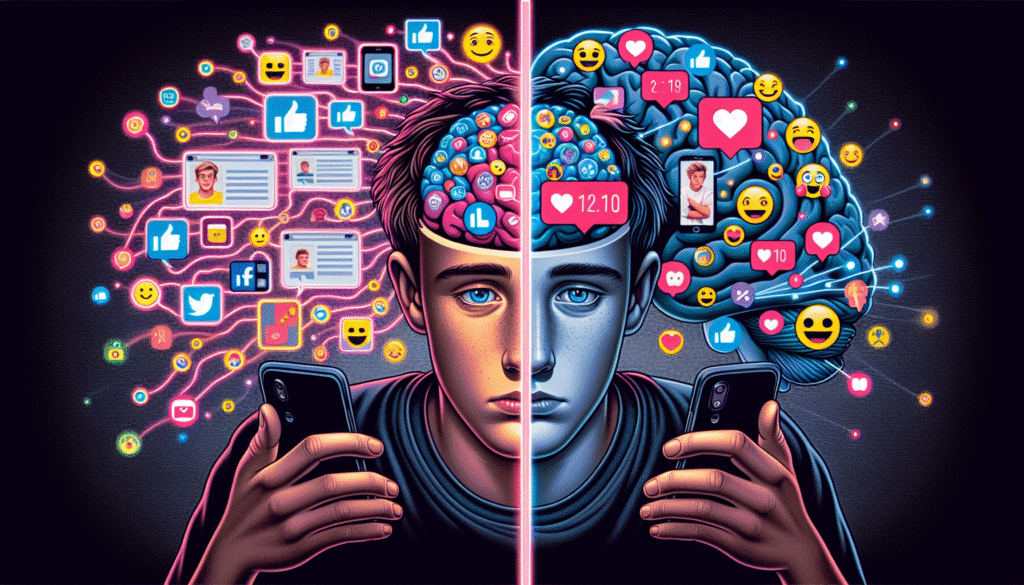
Teen Brains on Social Media: The Truth About Digital Addiction

In an age where smartphones are always within reach and likes are a measure of social value, teenagers are growing up in a world vastly different from any generation before. While technology has its benefits, the rise of digital addiction—especially to social media—is becoming a serious concern. And it’s not just about screen time. It’s about how these platforms are quite literally rewiring young brains.

7. The Allure of the Scroll

Apps like Instagram, TikTok, and Snapchat are designed to be addictive. With infinite scrolls, quick dopamine hits from likes, and personalized content, they offer constant novelty. For teens, who are still in the critical stages of brain development, this can be especially harmful. The prefrontal cortex, responsible for decision-making and impulse control, is still maturing. Meanwhile, the dopamine system, which governs pleasure and reward, is highly active—making teens more vulnerable to compulsive behaviors.

6. The Neurological Impact

Studies using brain imaging have shown that social media use activates the brain’s reward centers in similar ways to addictive substances. Over time, heavy usage can lead to:

  • Reduced attention spans
  • Increased anxiety and depression
  • Difficulty forming real-world relationships
  • Impaired sleep quality due to late-night scrolling

When a teen receives a like or comment, their brain releases dopamine—a chemical that makes them feel good. This teaches the brain to crave more interactions, creating a feedback loop that’s hard to break.

5. The Rise in Mental Health Struggles

According to multiple studies, there has been a sharp rise in teen anxiety, depression, and suicidal thoughts in the past decade—mirroring the explosion of smartphone and social media use. Social comparison, cyberbullying, and fear of missing out (FOMO) are all intensified in online spaces. Teens often compare their behind-the-scenes reality with others’ carefully curated highlight reels, leading to feelings of inadequacy and low self-worth.

4. Is It All Bad? Not Entirely.

Social media isn’t inherently evil. It can foster creativity, offer support communities, and keep teens connected with friends and family. The key lies in mindful, balanced use—something that’s easier said than done.

3. What Can Parents and Educators Do?

  1. Open conversations: Talk to teens about their digital habits without judgment.
  2. Set boundaries: Encourage device-free meals, study hours, and sleep routines.
  3. Model healthy behavior: Teens notice how adults use technology. Be the example.
  4. Encourage real-world interaction: Promote sports, hobbies, and offline friendships.
  5. Educate about algorithms: Help teens understand how social media platforms are designed to keep them hooked.

2. Building a Healthy Digital Relationship

Rather than banning tech outright, the goal should be digital literacy—helping teens understand how to use technology responsibly and critically. Teaching self-regulation and awareness around screen time can foster resilience and healthier tech habits in the long term.


1. Final Thoughts

The teen brain is malleable, curious, and powerful—but also impressionable. As social media continues to shape the way young people think, feel, and connect, it’s crucial we guide them through this digital landscape with empathy, education, and proactive support. The future of teen mental health may very well depend on it.


Gut Health Revolution in the Middle East: The Secret to Better Mental Health

In the heart of a region once rooted in ancient remedies and traditional diets, a modern wellness revolution is quietly brewing. From Dubai’s luxury wellness clinics to health startups in Riyadh, the Middle East is waking up to a powerful truth: gut health is mental health. And at the center of this growing awareness? Probiotics.


The Gut-Brain Connection: More Than Just a Trend

Science has firmly established the link between the gut and the brain — a two-way communication system known as the gut-brain axis. Your gut houses over 100 trillion microorganisms, and these microbes don’t just digest food. They produce neurotransmitters like serotonin and dopamine — chemicals that influence mood, stress, sleep, and even cognition.

Research shows that over 90% of serotonin — often dubbed the “happiness hormone” — is made in the gut, not the brain. When your gut is inflamed or imbalanced, mental health can suffer. Symptoms of anxiety, depression, brain fog, and fatigue often trace back to gut dysbiosis — an imbalance in gut bacteria.


A Middle Eastern Shift Toward Probiotic Wellness

In recent years, the Middle East has seen a surge in interest around gut health, largely driven by rising mental health awareness, the wellness tech boom, and a return to functional nutrition. Here’s how this trend is shaping up:

1. Probiotic Products Flooding Supermarkets

From kefir and kombucha to probiotic-enriched labneh and dairy-free yogurts, supermarket shelves in cities like Dubai, Doha, and Jeddah are now filled with gut-friendly products. Local food companies are innovating fast, catering to health-conscious Gen Z and millennial consumers who are actively seeking digestive and mental balance.

2. Health Tech Startups Entering the Microbiome Space

Digital health platforms in the UAE and Saudi Arabia are beginning to offer microbiome testing, personalized probiotic regimens, and gut-health coaching. These startups are blending AI with ancient health wisdom, delivering wellness plans rooted in both science and culture.

3. Mental Health Clinics Adopting Gut-First Approaches

Clinics and wellness centers in the region are integrating nutrition, probiotics, and gut healing protocols into mental health treatment plans. Therapists and psychiatrists are collaborating with nutritionists to address depression and anxiety from a gut-centric perspective.


Traditional Diets, Modern Problems

Historically, Middle Eastern diets were naturally rich in fiber, fermented foods, and herbs — all of which support a diverse gut microbiome. But the fast rise of processed food, sugar-heavy meals, and sedentary lifestyles has led to a spike in digestive issues, inflammation, and mood disorders.

Now, health experts across the region are urging a return to balance — not only with probiotics but also with prebiotics (fiber), lifestyle changes, and stress management techniques rooted in Islamic mindfulness (such as prayer and fasting).


Fasting, Faith, and the Microbiome

Interestingly, intermittent fasting, a practice embedded in Islamic culture, is being studied for its positive effects on the gut microbiome. Ramadan, observed by millions across the Middle East, has been shown to reduce inflammation, improve gut barrier integrity, and promote the growth of beneficial bacteria.

This spiritual tradition is now being recognized globally for its gut-brain health benefits — offering the Middle East a unique cultural advantage in the wellness world.


Final Thoughts: A Gut-Centric Wellness Future

The Middle East is not just catching up with global health trends — it’s shaping them. By embracing probiotics, reviving traditional foods, and integrating spiritual practices with science, the region is setting the stage for a more holistic approach to mental health.

As the science continues to evolve, one thing is clear: taking care of your gut isn’t just about digestion — it’s about clarity, calm, and emotional resilience. In the Middle East and beyond, the future of mental wellness may very well begin in the gut.


Qatar After the World Cup: How Tourism, Tech, and Talent Are Powering Its Next Boom

The 2022 FIFA World Cup was a landmark moment for Qatar—a tiny nation on the Arabian Peninsula that catapulted itself onto the global stage by hosting one of the most-watched sporting events in history. But as the stadiums quieted and the last fans returned home, Qatar’s ambitions have only grown larger. The country’s post-World Cup strategy is a bold and multifaceted plan to leverage the momentum gained from the tournament to ignite sustained growth across tourism, technology, and talent development.

From Sporting Glory to a Tourism Powerhouse

Qatar’s World Cup success put the country’s unique blend of modernity and tradition on global display. Now, Qatar is building on this exposure to transform into a premier tourism destination in the Middle East.

  • Expanding Tourist Infrastructure: The country has committed billions to develop world-class hotels, resorts, museums, and cultural landmarks, aiming to attract millions of visitors annually. The stunning Museum of Islamic Art and the futuristic Msheireb Downtown Doha are just the beginning.
  • Cultural and Sporting Events Calendar: Beyond football, Qatar is diversifying its events portfolio, hosting international conferences, music festivals, art exhibitions, and regional sporting events, such as the ATP Qatar Open and the Qatar MotoGP.
  • Luxury and Heritage Experiences: Combining ultra-modern luxury resorts with authentic desert adventures and historic souks, Qatar aims to offer tourists a rich, multi-dimensional experience, setting it apart from other Gulf destinations.

Technology: Building a Smart Nation

Qatar’s leadership sees technology as the backbone of its future economy. The post-World Cup era has accelerated investments in digital infrastructure, smart city initiatives, and innovation ecosystems.

  • Smart Doha: The capital is evolving into a smart city with integrated AI-powered services, IoT-enabled infrastructure, and sustainable urban planning that enhances quality of life and business efficiency.
  • Digital Economy Growth: Qatar is fostering a startup-friendly environment, with incubators and accelerators supporting fintech, healthtech, and clean energy ventures. The Qatar Science & Technology Park (QSTP) is a hub where local and international tech firms collaborate.
  • 5G and Connectivity: Qatar has one of the most advanced 5G networks in the region, enabling high-speed connectivity that supports innovation in everything from autonomous vehicles to telemedicine.

Attracting Global Talent: The Human Capital Surge

Recognizing that people are the ultimate drivers of progress, Qatar has launched initiatives to attract and nurture top-tier talent worldwide.

  • Education and Research: With flagship institutions like Qatar Foundation’s Education City hosting branches of leading global universities, Qatar is cultivating a knowledge economy. The country invests heavily in research, especially in areas like energy, environment, and digital technologies.
  • Visa and Residency Reforms: Qatar has introduced long-term visas and more flexible residency rules to make it easier for foreign professionals and entrepreneurs to live and work in the country, signaling a more open and inclusive society.
  • Diverse Workforce Development: Initiatives encourage local workforce participation and skill development, particularly for Qatari nationals, alongside bringing in international experts to create a dynamic and diverse talent pool.

Challenges and the Road Ahead

While Qatar’s post-World Cup vision is ambitious, it also faces challenges, including geopolitical tensions, regional competition, and the need for economic diversification away from hydrocarbons. However, its strategic investments and forward-thinking policies position it well to overcome these hurdles.

The world will be watching closely as Qatar transitions from a World Cup host to a regional powerhouse in tourism, technology, and talent. If successful, its model could redefine how small nations leverage mega-events to create lasting economic and social transformation.

Made in the Middle East: The 10 Most Promising Startups to Watch in 2025

The Middle East’s startup ecosystem is evolving at a breakneck pace, fueled by visionary entrepreneurs, government backing, and a growing appetite for innovation. As we step into 2025, the region is no longer just a consumer market but a powerful hub creating disruptive technologies and scalable businesses. From fintech to health tech, renewable energy to AI, these Middle Eastern startups are rewriting the rules and making a global impact.

Here’s a curated list of the Top 10 Middle Eastern startups to watch in 2025 — companies born and bred in the region that are shaping the future.


1. Sarwa (UAE) – Democratizing Wealth Management

Sarwa has transformed investing for the Middle East’s growing digital-savvy population by offering low-cost, automated investment portfolios. As the region’s first robo-advisory platform tailored to local investors, Sarwa continues expanding its product suite with AI-driven financial planning and personalized advice.

2. Vezeeta (Egypt) – Healthcare at Your Fingertips

Vezeeta is revolutionizing healthcare access with its AI-powered booking platform connecting millions to doctors and clinics across the Middle East and North Africa. In 2025, expect Vezeeta to scale telehealth services and AI diagnostics, driving smarter and faster patient care.

3. Pure Harvest Smart Farms (UAE) – Farming the Desert

Combating food security challenges head-on, Pure Harvest develops advanced climate-controlled greenhouses to grow fresh produce in the harshest environments. Their cutting-edge agritech solutions put the Middle East at the forefront of sustainable farming innovations.

4. Yallacompare (UAE) – The Fintech Price Finder

This fintech startup offers a transparent online comparison platform for insurance, loans, and credit cards. Yallacompare is on track to leverage AI and big data analytics in 2025 to provide hyper-personalized financial recommendations for millions of users.

5. Kitopi (UAE) – Cloud Kitchens for the Future

Kitopi is expanding the cloud kitchen revolution, providing restaurants with fully managed kitchen spaces and delivery infrastructure. As food delivery demand soars, Kitopi’s tech-driven model promises faster, scalable growth and expansion into new regional markets.

6. Riyadh-based Nana (Saudi Arabia) – Grocery Delivery Redefined

Nana has reshaped grocery shopping with a seamless, app-based experience offering rapid delivery. Their focus on supply chain efficiency and data analytics is propelling them to become Saudi Arabia’s top grocery e-commerce player in 2025.

7. Anghami (Lebanon) – Streaming the Middle East’s Soundtrack

Anghami remains the region’s premier music streaming platform, championing local artists and content. With plans to incorporate AI-powered music discovery and enhanced social features, Anghami is poised to deepen its cultural footprint and expand globally.

8. Invygo (UAE) – Subscription-Based Car Rentals

Invygo pioneered car subscription services in the Middle East, offering flexible vehicle access without ownership burdens. In 2025, expect Invygo to integrate electric vehicles and smart mobility solutions, making urban transportation greener and more accessible.

9. Tabby (UAE) – Buy Now, Pay Later Boom

Tabby is riding the wave of the Middle East’s BNPL (Buy Now, Pay Later) market with its seamless, user-friendly platform. By focusing on responsible lending and merchant partnerships, Tabby is transforming how consumers shop online across the region.

10. Sadeem (Saudi Arabia) – Smart Construction Tech

Sadeem introduces IoT and AI-powered solutions to optimize construction site safety and efficiency. As Saudi Arabia’s Vision 2030 drives massive infrastructure projects, Sadeem’s innovations in smart construction management are becoming indispensable.


Why the Middle East’s Startup Scene is Thriving in 2025

Several factors make the Middle East a fertile ground for startup growth:

  • Government Support: Initiatives like Saudi Vision 2030 and UAE’s Innovation Strategy are fueling startup funding, incubators, and regulatory reforms.
  • Tech Adoption: High smartphone penetration and digital literacy are accelerating adoption of fintech, healthtech, and e-commerce.
  • Young Demographic: Over 60% of the population is under 30, hungry for new tech-driven solutions.
  • Strategic Location: Bridging East and West, the region serves as a launchpad for startups aiming at global markets.

What to Expect Next?

In 2025 and beyond, Middle Eastern startups will continue blending local insights with global technologies like AI, blockchain, and green tech. Expect to see more unicorns emerging from the region, a growing wave of female entrepreneurs, and a stronger focus on sustainability and social impact.

Whether you’re an investor, entrepreneur, or tech enthusiast, keeping an eye on these startups is key to understanding how the Middle East is shaping the future of innovation.