
Home Blog Page 107

Will Automation Destroy Careers or Create Opportunities?

AI and Job Displacement: Threat or Opportunity?

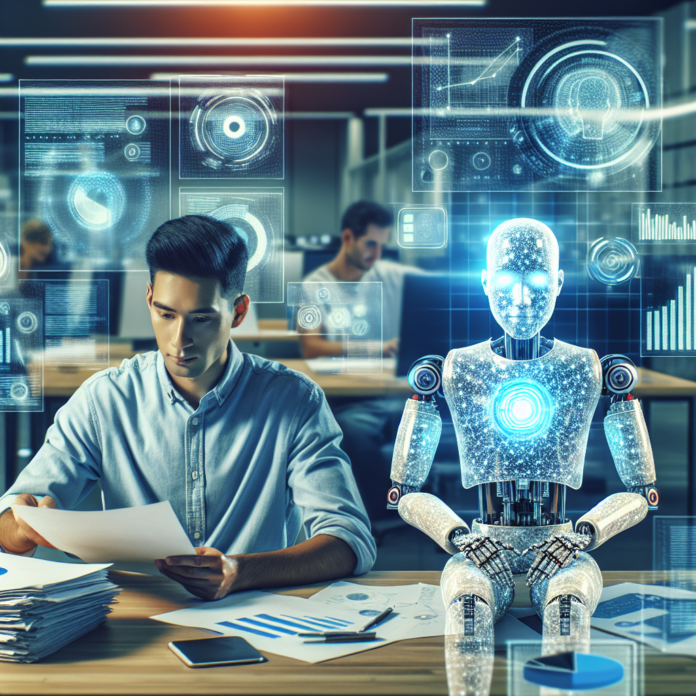
As artificial intelligence (AI) continues to evolve, its impact on the job market becomes a topic of growing concern. Many fear that AI will displace human workers, leading to widespread unemployment. However, others argue that AI could actually create new job opportunities and redefine the workforce. This article explores the dual nature of AI’s effects on employment, considering both the threats and opportunities it presents.

The Threat of Job Displacement

One of the primary concerns surrounding AI is the potential displacement of jobs. Automation technologies are being adopted by businesses across various sectors, including manufacturing, finance, healthcare, and retail. According to a 2021 report by McKinsey, approximately 30% of jobs could be automated by 2030. This could lead to a significant loss of employment opportunities, particularly for low-skilled workers.

Jobs that involve routine and repetitive tasks are the most vulnerable to automation. For instance, assembly line jobs in manufacturing or data entry roles in administrative settings could be replaced by AI-powered machines and software. This trend has sparked fears of increased economic inequality, as those with higher education and specialized skills may weather the storm better than vulnerable populations.

The Opportunity for Job Creation

While the threat of job displacement is real, it’s important to recognize the potential opportunities that AI presents. As new technologies emerge, they tend to create new job categories and industries. For example, the rise of AI has led to increased demand for data scientists, machine learning engineers, and AI ethicists.

Moreover, AI can augment human capabilities rather than replace them. By automating mundane tasks, employees can focus on more complex and creative aspects of their jobs. Companies using AI for predictive analytics, for instance, can make more informed decisions, leading to business growth and the need for more human talent.

Preparing for the Future

To mitigate the risks associated with AI-driven job displacement, proactive measures are essential. This includes investing in education and training programs focused on digital skills and AI literacy. Governments, educational institutions, and businesses need to collaborate to equip the workforce with the skills required in an increasingly automated world.

Additionally, fostering a culture of lifelong learning will be crucial. Employees must be encouraged to continually update their skills and adapt to changing job landscapes. This approach not only prepares individuals for new roles but also helps businesses remain competitive in the age of AI.

Conclusion

The debate surrounding AI and job displacement is complex and multifaceted. While there are legitimate concerns about job losses, it’s equally important to recognize the opportunities that AI can offer. By embracing change, investing in education, and fostering adaptability, society can navigate the challenges posed by AI and create a future where technology and humans coexist harmoniously.
© 2023 AI Insights. All rights reserved.

AI in Education: Tailored Learning for Every Student

AI-Powered Education: Personalized Learning for the Next Generation

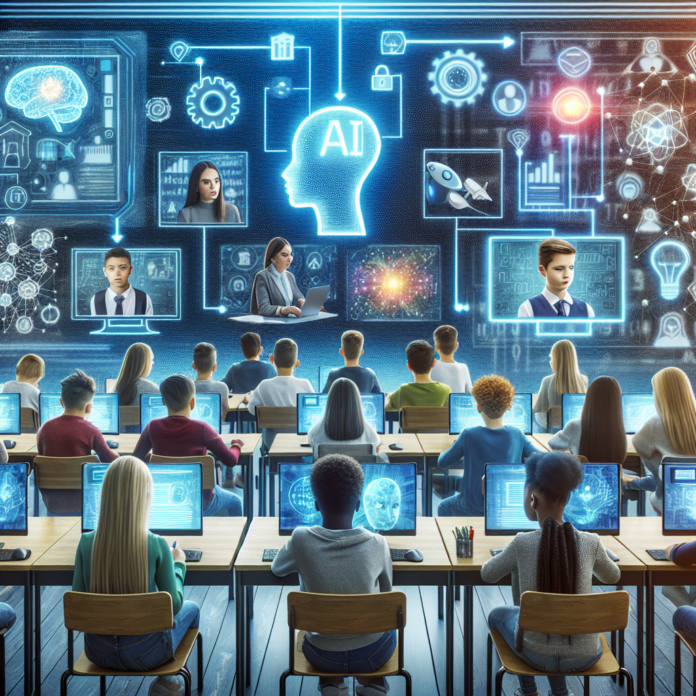
In recent years, the education landscape has witnessed a significant transformation, primarily driven by advancements in technology. Among these, artificial intelligence (AI) stands out as a powerful tool that is reshaping how students learn, teachers instruct, and educational institutions operate. AI-powered education is paving the way for personalized learning experiences that cater to the unique needs of every student.

The Importance of Personalized Learning

Personalized learning recognizes that each student has distinct learning styles, preferences, and paces. Traditional education models, often rigid and standardized, fail to address these differences and can leave some students behind. AI technology offers a solution by implementing customized learning paths that adapt to individual strengths and weaknesses, ensuring that learners receive the support and resources they need to succeed.

How AI Enhances Personalized Learning

AI facilitates personalized education through various means:

    • Adaptive Learning Platforms: These platforms utilize AI algorithms to assess a student’s performance in real-time and adjust the curriculum accordingly. This ensures that students remain engaged and challenged at their own level.
    • Data-Driven Insights: By analyzing student data, AI can identify patterns and trends that help educators tailor instruction and intervention strategies for each learner, leading to improved academic outcomes.
    • Intelligent Tutoring Systems: AI-powered tutoring systems can provide one-on-one assistance, offering explanations and resources based on individual learning needs, thereby supplementing classroom instruction.
    • Personalized Feedback: AI can provide immediate feedback on assignments and assessments, allowing students to understand their mistakes and learn from them promptly.

Challenges and Considerations

Despite the numerous benefits of AI in education, there are challenges and ethical considerations to address:

    • Data Privacy: The collection and analysis of student data raise concerns about privacy and security. It is essential for educational institutions to implement strict data protection measures.
    • Equity in Access: Not all students have equal access to technology, which means that while some benefit from AI-driven resources, others may be left behind. Bridging this digital divide is crucial.
    • Teacher’s Role: The role of teachers must evolve alongside technological advancements. They should be trained to work alongside AI tools to enhance their instructional methods, rather than being replaced by them.

The Future of AI in Education

As AI technology continues to evolve, its role in education will become increasingly significant. By leveraging AI, educators will be better equipped to meet the needs of a diverse student body, ensuring that each learner can reach their full potential. The future promises a classroom environment where personalized learning is not just an ideal but a reality, transforming education for the next generation.

Conclusion

AI-powered education is revolutionizing the way we approach teaching and learning. By prioritizing personalized learning, we can create a more inclusive, effective, and engaging educational experience for students. As we navigate this new frontier, it is essential to balance innovation with ethical considerations, ensuring that all students benefit from the advancements AI has to offer.

Strengthening Defenses in a Digital World

Cybersecurity and AI: Strengthening Defenses in a Digital World

The Growing Importance of Cybersecurity

As we progress deeper into the digital age, the significance of cybersecurity has reached unprecedented levels. Organizations, both large and small, are increasingly exposed to cyber threats that can jeopardize sensitive data, disrupt operations, and tarnish reputations. The rise of sophisticated cyber-attacks has necessitated the adoption of cutting-edge technologies to bolster defenses.

Artificial Intelligence: A Game Changer

Artificial Intelligence (AI) has emerged as a transformative force in cybersecurity. With its ability to analyze vast amounts of data in real-time, AI can identify potential threats faster and more accurately than traditional methods. Machine learning algorithms enable systems to continually improve by learning from new threats as they emerge, making AI an essential ally in the fight against cybercrime.

Proactive Threat Detection

One of the pivotal roles of AI in cybersecurity is proactive threat detection. By leveraging AI algorithms, organizations can monitor network traffic for unusual patterns or behaviors, allowing them to pinpoint vulnerabilities before they can be exploited. This proactive approach significantly reduces the likelihood of successful attacks, which is crucial as attackers continuously evolve their tactics.

Automating Response to Incidents

AI not only aids in identifying threats but also streamlines response actions through automation. In the event of a security incident, AI-driven systems can automatically implement predefined response strategies, such as isolating affected systems or notifying relevant personnel. This rapid reaction reduces damage and containment time, ultimately thwarting potential losses.

Enhancing Human Expertise

While AI is a formidable asset in cybersecurity, it is most effective when combined with human intelligence. Cybersecurity professionals can leverage AI tools to enhance their analysis and decision-making processes. By focusing on higher-level strategy and problem-solving, security teams can better allocate their resources and tackle complex security challenges that require human insight.

The Future of Cybersecurity

The intersection of cybersecurity and AI is destined to grow deeper as technology advances. Organizations must not only adopt AI-driven solutions but also invest in upskilling their workforce to manage these tools effectively. The dynamic nature of cyber threats demands a synergistic approach, combining cutting-edge technology with human expertise to create a resilient and adaptive cybersecurity framework.

Conclusion

In an era where digital threats are ever-evolving, the integration of cybersecurity measures and AI is essential for organizations to defend against potential attacks. By harnessing AI’s capabilities, businesses can strengthen their defenses, react swiftly to incidents, and safeguard their digital assets. As we look ahead, it is clear that the future of cybersecurity will be shaped by the innovative use of artificial intelligence, making it a critical focus for organizations worldwide.

© 2023 Cybersecurity Insights. All rights reserved.

Unlocking Insights for Better Decision-Making

The Intersection of AI and Big Data: Unlocking Insights for Better Decision-Making

In today’s rapidly evolving digital landscape, the convergence of artificial intelligence (AI) and big data is revolutionizing the way businesses operate. This intersection is crucial for organizations looking to enhance decision-making processes by extracting valuable insights from vast amounts of data.

Understanding AI and Big Data

Before delving deeper, it’s important to understand what we mean by AI and big data:

    • Artificial Intelligence (AI): AI refers to the simulation of human intelligence in machines that are designed to think and learn. This encompasses various technologies such as machine learning, natural language processing, and computer vision.
    • Big Data: Big data refers to extremely large datasets that cannot be analyzed using traditional data processing software. This data can be structured, semi-structured, or unstructured, and its volume, velocity, and variety pose significant challenges in data management.

The Role of AI in Analyzing Big Data

The synergy of AI and big data can lead to powerful outcomes:

    • Data Analysis: AI algorithms can process and analyze large datasets quickly and efficiently, uncovering patterns and trends that would be impossible for humans to discern manually.
    • Predictive Analytics: By learning from historical data, AI models can make predictions about future outcomes, helping businesses to anticipate market trends and consumer behavior.
    • Operational Efficiency: AI can automate data analysis processes, freeing up human resources for higher-level tasks and reducing the time needed to derive insights.

Unlocking Insights for Better Decision-Making

The integration of AI with big data not only enhances the speed of analysis but also improves the quality of insights, leading to informed decision-making:

    • Real-Time Insights: Businesses can leverage AI to analyze data in real-time, allowing for immediate adjustments and strategies based on current trends.
    • Enhanced Customer Experience: Analyzing consumer data through AI can provide personalized experiences, tailoring products and services to individual preferences.
    • Improved Risk Management: AI can help organizations identify potential risks by analyzing large datasets, enabling proactive measures to mitigate threats.

Challenges in the Integration of AI and Big Data

While the benefits are significant, organizations face challenges when integrating AI with big data:

    • Data Quality: Poor data quality leads to inaccurate insights. Ensuring the integrity of data is crucial for effective AI applications.
    • Skill Gap: There is often a shortage of professionals with the expertise to analyze big data using AI, making it difficult for companies to fully harness these technologies.
    • Security and Privacy: Handling large datasets raises concerns about data security and privacy, necessitating robust measures to protect sensitive information.

Conclusion

As the world becomes increasingly data-driven, the intersection of AI and big data will continue to unlock insights that foster better decision-making. Organizations that successfully integrate these technologies stand to gain a competitive edge, making them more agile, innovative, and responsive to changing market dynamics.

© 2023 The Data Insights Blog. All rights reserved.

AI and Human Collaboration in the Workplace

AI and Human Collaboration: Optimizing Workflows for Greater Efficiency

The rise of Artificial Intelligence (AI) has ushered in a new era of collaboration between humans and machines. As businesses strive for greater efficiency, the integration of AI into daily workflows is proving to be a game-changer. This article explores how AI can enhance human capabilities and optimize workflows for a more productive work environment.

The Role of AI in the Workplace

AI technologies are designed to automate routine tasks, analyze large datasets, and provide insights that were previously unattainable. The following are ways AI contributes to workplace efficiency:

    • Automation of Repetitive Tasks: AI can handle time-consuming tasks such as data entry, scheduling, and customer inquiries, allowing employees to focus on more strategic responsibilities.
    • Data-Driven Decision Making: AI tools can analyze patterns and trends in large datasets, helping organizations make informed decisions quickly and accurately.
    • Personalized Customer Interactions: With AI chatbots and recommendation systems, businesses can offer personalized experiences, enhancing customer satisfaction.
    • Predictive Analytics: AI can forecast market trends and customer behaviors, enabling organizations to stay ahead of the competition.

Enhancing Human Skills Through Collaboration

While AI can automate and analyze, the human touch remains irreplaceable. Effective collaboration between AI and human workers can lead to significant improvements in productivity. Here are some ways AI enhances human skills:

    • Augmented Intelligence: AI acts as an assistant, providing insights and recommendations that empower employees to make better decisions.
    • Skill Development: AI tools can offer personalized training modules based on individual employee performance, helping them grow in their roles.
    • Creativity Boost: By taking over mundane tasks, AI frees up time for employees to engage in creative problem-solving and innovative thinking.

Implementing AI for Optimized Workflows

For organizations looking to implement AI into their workflows, consider the following steps:

    • Identify Pain Points: Assess workflows to identify time-consuming or repetitive tasks that can be automated.
    • Choose the Right Tools: Select AI solutions that align with business objectives and can integrate seamlessly into existing systems.
    • Encourage Collaboration: Foster a culture that embraces AI as a partner rather than a replacement. Involve employees in the transition process to ensure buy-in.
    • Measure Success: Regularly evaluate the impact of AI on workflows and efficiency, making adjustments as necessary to achieve optimal results.

The Future of AI and Human Collaboration

The future of work lies in the harmonious collaboration between human intelligence and artificial intelligence. As technology continues to evolve, so too will the possibilities for innovation and efficiency. Organizations that embrace this partnership will be well-equipped to navigate the challenges of tomorrow.

In conclusion, AI is not just a tool for automation; it is an enabler of human potential. By optimizing workflows and enhancing human capabilities, AI can create a more efficient, dynamic, and innovative workplace.

Facing Uncertainty: The Doctor’s Warning and Its Impact

A new documentary reveals that Chevy Chase was put into a coma for around eight days after he experienced heart failure during the pandemic. It was reported in 2021 that the now-82-year-old comedian spent five weeks in the hospital due to undisclosed heart issues.

“[He] has basically come back from the dead. He had heart failure,” Chase’s daughter, Caley Chase, said in the documentary, “I’m Chevy Chase and You’re Not,” premiering Jan. 1 on CNN.

More from Variety

“Something was wrong, and he couldn’t explain to me what was wrong. So, we go to the ER. His heart stops,” Chase’s wife, Jayni Chase, said. “During those years he was drinking, he got cardiomyopathy; when the heart muscles get weaker, and they can’t pump as much blood out with each beat.”

Cardiomyopathy is a chronic disease that can lead to heart failure and other serious conditions.

“They decided to put him into a coma for maybe eight days,” revealed Chase’s longtime friend, Peter Aaron. “That’s pretty rough on the body.”

“The doctor had warned us: ‘We might not get him back. We don’t know how present he’ll be. Prepare yourselves for the worst.’ He woke up, all he could do was use his voice,” Caley continued, imitating disoriented noises.

She knew her dad was the same old Chevy Chase when a nurse came in to rearrange some medical equipment: “She said, ‘I’m going to have to put this in here.’ And he said, ‘That’s what she said.’”

Aaron said it took a while for Chevy to “reorient himself” after the coma. He had some “cognitive disability” and played cards and chess to get his “head back together.” (“I can only say how happy I am to now be back with my family,” Chase said in a statement to the press in 2021. “I’m feeling good. I was in the hospital five weeks. A heart issue. So, for now, I’m around the house. Not going anywhere.”)

In the documentary, Aaron said, “I feel like his memory gaps come from that incident.”

Chevy concurred, “According to the doctors, my memory would be shot from it. That’s what’s happened here.”

Throughout the doc, when confronted with uncomfortable moments from his past, including on-set disputes from “Saturday Night Live” and “Community,” Chevy said he did not remember many of the incidents.

“Heart failure is what it is. I’m fine now,” he said. “It’s just that it affects your memory, the doctors have told me that. So, I have to be reminded of things.”

Elsewhere in the documentary, the comedian discussed being “hurt” by his exclusion from the “SNL” 50th anniversary special.

“It was kind of upsetting, actually,” he said. “This is probably the first time I’m saying it. But I expected that I would’ve been on the stage too with all the other actors. When Garrett [Morris] and Laraine [Newman] went on the stage there, I was curious as to why I didn’t. No one asked me to. Why was I left aside?”

He added, “I did bring it up once in a text to Lorne [Michaels] and then took it back. I said, ‘Okay, I take it back, silly.’ But it’s not that silly. Somebody’s made a bad mistake there. I don’t know who it was, but somebody made a mistake. They should’ve had me on that stage. It hurt.”

Best of Variety

Sign up for Variety’s Newsletter. For the latest news, follow us on Facebook, Twitter, and Instagram.

Governor Urges Travelers to Adjust Their Plans

Delta Air Lines has faced several setbacks throughout December. It started with a major network outage at Detroit Metro Airport earlier in the month, causing delays and cancellations.

Issues have continued. Delta saw flights completely halted at its most prominent New York hubs after the FAA issued a ground stop due to winter weather. Once again, the result was mass delays and cancellations for the airline.

Flight disruptions are expected to continue on Boxing Day. Once again, the major reason is due to winter weather in the northeast. Delta has announced travel advisories for the affected cities.

Here’s a closer look at how Delta has responded to the major storm and how affected airports have already pivoted, announcing cancellations on various departing and arriving flights.

New York Governor Kathy Hochul Is Advising Passengers To Rearrange Travel Plans Over Major Snowfall

New York is bracing itself for one of the biggest snowfalls in years. Southeast New York could see 5 to 7 inches of snow on Friday. The snowfall is expected to start late Friday afternoon, going into the evening, and end early Saturday.

In the event that New York City sees more than four inches of snow, it will be the most accumulation dating back to January 2022, according to the New York Times.

Complications are expected, given that Boxing Day is one of the busiest travel days of the year.

New York Governor Kathy Hochul is advising New Yorkers to rearrange travel plans if possible to avoid complications.

With more than 15 million travelers expected at John F. Kennedy International, Newark Liberty International and LaGuardia throughout the holiday season, the major airports have already taken precautions for the upcoming conditions.

John F. Kennedy International Airport currently has the most worldwide cancellations on Boxing Day for both departing and arriving flights. The airport has announced 124 cancellations for departures, and 173 cancellations for arriving flights, according to FlightAware.

Newark Liberty Airport has 147 cancellations for both arriving and departing flights thus far, while LaGuardia has 79 cancellations on arriving flights and 41 cancellations on departing flights. These numbers are expected to increase throughout the day, especially in the afternoon. The same holds for delays.

Given that Delta Air Lines has the most flights at LaGuardia Airport and John F. Kennedy Airport, cancellations are expected from the airline on Boxing Day.

Delta has already confirmed over 150 cancellations and issued a ticket advisory for affected passengers.

Delta Air Lines Has Issued A Northeast Winter Weather Warning For Its Biggest Hubs

Credit: Shutterstock

Delta Air Lines has reacted to the Northeast winter weather conditions. On its travel advisory page, the airline has issued rebooking options for passengers in the affected cities.

The airline wrote, “Due to forecasted snow conditions, travel to, from, or through the destinations listed below may be affected. Check flight status frequently for up-to-the-minute information about your flight plans, or get updates sent directly to your mobile device or by email with One-Time Notification.”

Delta Air Lines’ Affected Cities:
New York, NY (JFK)
New York, NY (LGA)
Newark, NJ (EWR)
Philadelphia, PA (PHL)
White Plains, NY (HPN)

The impacted travel dates include both December 26 and December 27. Delta states that tickets must be reissued by December 30. Additionally, rebooked travel must begin no later than December 30.

Delta Air Lines has already canceled several flights for Friday, and the number is expected to increase throughout the day and into the weekend on Saturday.

Delta Air Lines Has Already Canceled 159 Flights

Delta Counter
Passengers at the Delta Airlines ticket counter
Credit: via Shutterstock

As of early Friday morning, Delta Air Lines has the most flight cancellations worldwide, currently at 159. Republic has 97 cancellations, while Endeavor Air (DAL) has 75 cancellations.

As for the other major U.S. airlines, United Airlines has 25 canceled flights, while American Airlines has just seven.

The numbers may increase for Delta Air Lines throughout the day, especially in the afternoon and into the evening. Delays may also impact its flights throughout the day. The carrier is currently at 66 delays.

Yesterday, at Christmas, Delta Air Lines recorded the most cancellations among U.S. carriers, with 48. The airline ranked second only to Japan Air Commuter for most cancellations worldwide. The Japanese airline finished the day with one more cancellation than Delta.

The Race for AI Supremacy: Leaders & High Stakes Explained

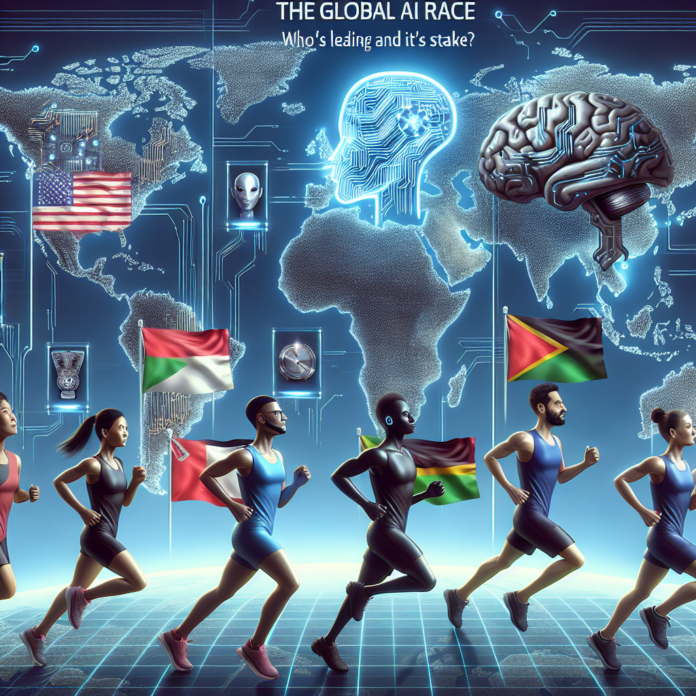
<h1>The Global AI Race: Who's Leading and What’s at Stake?</h1>
<h2>Introduction</h2>
<p>Artificial Intelligence (AI) is reshaping industries, economies, and societies at an unprecedented pace. As nations invest heavily in AI development, a global race is emerging—one that defines leadership in technology and shapes the future of humanity.</p>
<h2>Who's Leading the Charge?</h2>
<p>Several key players have emerged in the global AI landscape:</p>
<ul>
    <li><strong>United States:</strong> Home to major tech giants like Google, Amazon, and Microsoft, the U.S. leads in AI research, funding, and innovation.</li>
    <li><strong>China:</strong> With significant state backing, China aims to dominate AI by 2030, focusing on applications in surveillance, healthcare, and autonomous vehicles.</li>
    <li><strong>European Union:</strong> The EU emphasizes ethical AI, advocating for regulations that ensure transparency and user safety while fostering innovation.</li>
    <li><strong>Canada:</strong> Known for pioneering research, Canada is also regarded as a nurturing ground for AI startups and skilled professionals.</li>
    <li><strong>United Kingdom:</strong> The UK continues to be a significant player, with strong academic institutions and a vibrant tech ecosystem.</li>
</ul>
<h2>What’s at Stake?</h2>
<p>The AI race is not merely about technological advancements; it encompasses various critical factors:</p>
<h3>1. Economic Growth</h3>
<p>Nations leveraging AI technology can enhance productivity and spur growth, potentially leading to multi-trillion dollar economies driven by AI applications.</p>
<h3>2. National Security</h3>
<p>AI has significant implications for national defense and security. Autonomous weaponry and cybersecurity measures are just the tip of the iceberg.</p>
<h3>3. Ethical Considerations</h3>
<p>The ethical implications of AI development are profound. Questions regarding bias, privacy, and the impact of AI on employment patterns continue to pose substantial challenges.</p>
<h3>4. Global Influence</h3>
<p>The country that leads in AI innovation is likely to set global standards and influence norms that govern technology and data usage worldwide.</p>
<h2>The Path Forward</h2>
<p>As the global AI race unfolds, collaboration may prove to be as vital as competition. Nations, corporations, and academia must navigate the complex dynamics of technological advancement, ensuring responsible, ethical development that benefits all of humanity.</p>
<h2>Conclusion</h2>
<p>The quest to dominate AI is reshaping global relations and economic futures. As we stand on the brink of an AI-driven era, understanding the implications of these developments becomes crucial for policymakers, businesses, and individuals alike.</p>

Frontier Airlines Passenger Tantrum Stopped Quickly

A woman was removed from a Frontier Airlines after cursing out a flight attendant, accusing her of “triggering” her and having an “issue” with minorities.

I wish we had a bit more context, but video begins with a passenger cursing out a flight attendant, accusing her of being unkind to minorities and of triggering her. Confident and poised, the flight attendant is clearly amused and indulges the passenger before shutting her down for cursing around children and asking a colleague to call security to have her removed from the flight.

All of this is filmed by another passenger, who captures the moment with perfect facial expressions:

When I see the black man raising his hand in solidarity to support the flight attendant and other passengers cheering when the flight attendant says the crazy woman will be removed, it makes me think that the charges that the “stewardess” had “issues” with minorities are totally unfounded.

When I hear this passenger say “you triggered me” to me it means, “I take no responsibility for my own actions, I can’t think for myself and can’t control my emotions. I can’t cope with the world around me, and use less than 1% of my brain.”

I know “triggering” is real for some PTSD victims and certainly do not mock those cases here, but heightened emotions and immature reactions are not the same thing and what I see here is an out-of-control and entitled woman handled well by a flight attendant who confidently was not going to put up with that.

Anyone who cannot control themselves to the point that they are throwing around f-bombs and other poor language around children is a menace to society…often there are drugs at play and that may be the backstory here.

I think this passenger realized that she had erred and try to calm down, but by then it was too late. I hope she enjoyed the bus ride home…

Get Daily Updates

Join our mailing list for a daily summary of posts! We never sell your info.

You have Successfully Subscribed!

How to Buy, Store, and Invest in Digital Currency

What is Cryptocurrency?

Cryptocurrency is a type of digital or virtual currency that uses cryptography for security. Unlike traditional money issued by governments, cryptocurrencies operate on decentralized networks called blockchains, which record transactions across many computers to ensure transparency and security.

Popular cryptocurrencies include Bitcoin (BTC), Ethereum (ETH), Ripple (XRP), and Litecoin (LTC). Each has its unique features and use cases.

Cryptocurrency is a type of digital or virtual currency that uses cryptography for security. It operates on technology called blockchain, a decentralized technology spread across many computers that manage and record transactions.

How Does Cryptocurrency Work?

Cryptocurrencies are built on blockchain technology, which allows digital assets to be securely transferred without a central authority. Each transaction is recorded in a public ledger, ensuring transparency and security.

Key Components of Cryptocurrency

    • Decentralization: Cryptocurrencies are not controlled by any government or financial institution.
    • Security: Cryptographic techniques are employed to secure transactions and control the creation of new units.
    • ANONYMITY: Users can send and receive coins without revealing their identity.

Popular Types of Cryptocurrency

There are thousands of cryptocurrencies available today, but some of the most well-known include:

    • Bitcoin (BTC): The first and most recognized cryptocurrency.
    • Ethereum (ETH): Known for its smart contract functionality.
    • Litecoin (LTC): Created as the “silver” to Bitcoin’s “gold”.

Investing in Cryptocurrency

Investing in cryptocurrencies can be lucrative but also risky. Here are some tips for beginners:

    1. Do your own research (DYOR).
    2. Start with a small investment.
    3. Diversify your portfolio.
    4. Use secure wallets to store your assets.

Tips for Beginners

  • Start small and only invest what you can afford to lose.

  • Educate yourself continuously; the crypto space evolves rapidly.

  • Diversify your investments to reduce risk.

  • Use reputable exchanges and wallets.

  • Be cautious of hype and “get-rich-quick” schemes.

Potential Risks and Challenges

While the potential for profit is high, there are significant risks involved. Prices can be highly volatile, and the regulatory environment is still evolving. Always be cautious and seek professional financial advice if needed.

Conclusion

Cryptocurrency represents a revolutionary change in the way we think about money and transactions. With proper knowledge and caution, beginners can navigate the digital currency landscape effectively. Always remember to stay informed and be responsible with your investments.

© 2023 Cryptocurrency 101. All Rights Reserved.