
Home Blog Page 101

Innovations in Smart and Sustainable Cities

Smart Cities and AI: Building Tomorrow’s Urban Landscapes

As urban populations continue to swell, the concept of Smart Cities is becoming increasingly vital in addressing modern-day challenges. A Smart City integrates digital technology and artificial intelligence (AI) to enhance quality of life, streamline urban services, and improve sustainability. This article explores how AI is revolutionizing urban landscapes and what the future holds for Smart Cities.

The Role of AI in Smart Cities

AI plays a crucial role in several aspects of Smart City development, including:

  • Traffic Management: AI algorithms can analyze traffic patterns in real time, optimizing traffic lights and reducing congestion.
  • Energy Efficiency: Smart grids powered by AI reduce energy consumption by predicting demand and utilizing renewable energy sources efficiently.
  • Public Safety: AI enhances security through surveillance systems that use facial recognition and anomaly detection to respond rapidly to incidents.
  • Waste Management: AI-driven sensors in waste containers can notify sanitation departments when they are full, optimizing collection routes and schedules.
  • Health Services: AI can facilitate telemedicine and predictive analytics in health services, improving accessibility and treatment outcomes.

Benefits of Smart Cities

The implementation of AI in Smart Cities offers a multitude of benefits:

  • Enhanced Quality of Life: Smart technologies create safer and more efficient urban environments, improving residents’ overall experiences.
  • Environmental Sustainability: AI optimizes resource management, leading to reduced waste and lower carbon emissions.
  • Economic Growth: Smart Cities attract businesses and create jobs in tech sectors while enhancing urban infrastructure.
  • Community Engagement: Technology platforms foster collaboration between citizens and local governments, promoting participatory planning and decision-making.

Challenges Ahead

Despite the potential, the road to becoming a Smart City is fraught with challenges:

  • Data Privacy: The extensive use of data raises concerns about privacy and the security of personal information.
  • Digital Divide: Not all communities have equal access to technology, leading to disparities that can hinder progress.
  • Infrastructure Cost: The initial investment in smart technology can be prohibitive for some cities, requiring creative funding solutions.
  • Interoperability: Different systems and technologies need to work together seamlessly for optimal functionality.

The Future of Urban Landscapes

As cities around the globe lean into the Smart City model, the future of urban living looks promising. With continuous advancements in AI and other technologies, cities can become more livable, resilient, and connected. Collaboration between governments, private sectors, and citizens will be essential to create truly inclusive Smart Cities that address the challenges of a rapidly evolving world.

In conclusion, Smart Cities powered by AI are not just a luxury; they are a necessity for sustainable urban development. By harnessing technology, cities can become more innovative, efficient, and adaptive to the needs of their inhabitants, paving the way for a brighter future.

For more information, Continue to visit our website

Key Strategies for Standing Out in Hiring by 2026

Around 80% of workers feel unprepared for the job hunt in 2026, new LinkedIn research finds.

Filadendron | E+ | Getty Images

Artificial intelligence could be something of a game changer for recruiters as firms continue to be inundated with job applications, according to one LinkedIn executive.

Janine Chamberlin, LinkedIn’s U.K. country manager, told CNBC Make It in an interview that AI will be a “critical part of how hiring is done in 2026,” as it speeds up processes.

“Last year was the year of experimentation and companies and professionals taking their first steps. 2026 is the year of more widespread adoption of AI tools, particularly in hiring,” she said.

AI can help recruiters speed up manual tasks such as going through very high volumes of applications and sifting through resumes and cover letters to find the right skills for a job.

“We’ve heard from 60% of recruiters that AI is helping them to find what they would call a ‘hidden gem’ talent — so people that they would have, in their manual search, overlooked, but actually AI is surfacing that as a candidate that is a good match for a specific job, because it can look very specifically at those skills so critically important to do it well,” Chamberlin said.

The job market has been rough for both employers and professionals as widespread layoffs dominate headlines and professionals face intense competition for jobs.

Over 1 million job cuts were announced in the U.S. in 2025, the highest level since the Covid-19 pandemic in 2020, according to data from consulting firm Challenger, Gray & Christmas.

Meanwhile, the number of applications per role have skyrocketed, making it difficult for employers to respond quickly to applications. In fact, new Linkedin research finds that U.S. applicants per open role have doubled since the spring of 2022.

Chamberlin said this is creating an overwhelming cycle in the job market that is difficult for both job seekers and recruiters to handle.

“The job search is tougher right now, because what we are seeing is that there’s such a high volume of applications for each role that there is available. So, if I’m a job seeker, I’m applying to lots of roles. On the flip side, there’s companies recruiters who are receiving lots of applications.

“Companies are finding it hard to filter through these applications quickly enough to find people with the right skill set for the jobs that they’re hiring for. And the job seeker on the other side of that is waiting to hear back from companies whilst getting increasingly anxious because they might not be hearing back,” Chamberlin said.

The anxious job seeker then goes and applies to more roles to increase their chances of getting a job, continuing the cycle.

Chamberlin says AI is a “big part of the solution,” with 93% of recruiters planning to increase their use of AI in 2026, per the LinkedIn research.

Avoid sending generic applications

The start of the new year typically brings an influx of new job openings and motivated job seekers. However, as AI becomes central to hiring, many professionals are rethinking how to navigate the job market.

LinkedIn’s global research, which surveyed 19,000 respondents globally, including from the U.K, U.S., France, Germany and Australia, found that 80% of workers feel unprepared for the job hunt in 2026 and nearly two-thirds feel that the job search has become more challenging.

Chamberlin advised tailoring applications and to avoid mass-applying with generic cover letters, as AI is now often the first to review a job application.

It’s important to “be targeted” when crafting your resume and cover letter. “Applying for roles that genuinely match your skills will always outperform sending lots of generic applications, for both AI and for humans,” she said.

3 resume mistakes that could land your application in an AI hiring filter ‘black hole’

Chamberlin said that using AI can help make your application more succinct as it can identify where you’re not highlighting the skills you need for a particular job.

“In an AI-driven job market, clarity is key,” she said. “If you can make sure that your skills are highlighted very clearly on your resume, on the cover letter, on your LinkedIn profile, naturally, I think that’s what’s really going to help you stand out.”

Finally, Chamberlin suggested prioritizing simple formats and to avoid overly stylistic templates as it can be confusing to read for AI.

Additional relevant updates

Transforming Learning for Future Generations

AI and Education: Transforming Learning for Future Generations

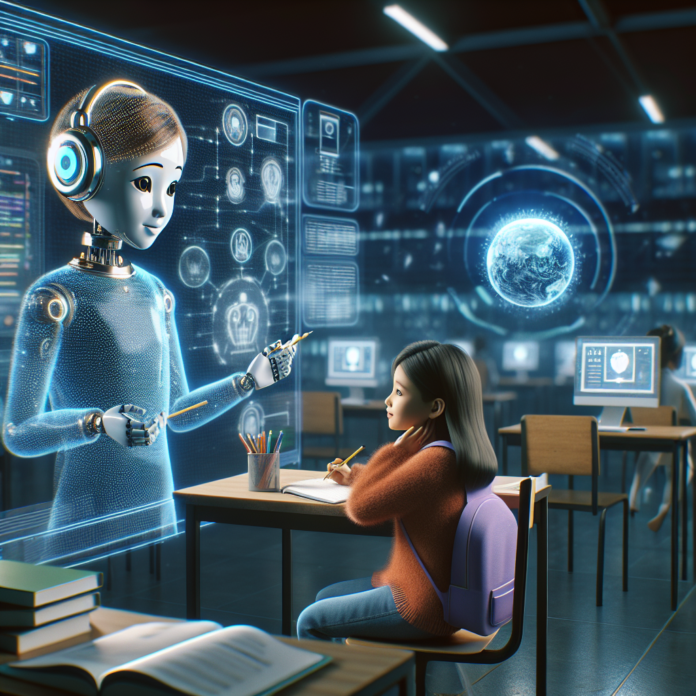
As we venture into the future, artificial intelligence (AI) is proving to be a revolutionary force across multiple sectors, with education standing out as one of its most transformative arenas. By integrating AI technologies into educational practices, we are witnessing a fundamental shift in the way learners engage, comprehend, and excel in their studies.

Personalized Learning Experiences

One of the prominent advancements AI offers to education is the capability to provide personalized learning experiences. By analyzing students’ learning patterns, preferences, and progress, AI systems can tailor educational content to meet individual needs. This adaptability allows learners to move at their own pace, enhancing understanding and retention of information.

Smart Tutoring Systems

AI-powered tutoring systems, such as intelligent virtual assistants, can provide students with on-demand help and resources. These systems are designed to answer questions, provide explanations, and assist with problem-solving, simulating a one-on-one interaction with a tutor. This accessibility to immediate support greatly reduces barriers to learning, especially in remote or underserved areas.

Data-Driven Insights for Educators

AI’s ability to process large volumes of data can also provide educators with critical insights into student performance and engagement. By leveraging analytics, teachers can identify trends, predict challenges, and fine-tune their teaching strategies effectively. This data-driven approach enables proactive intervention, ensuring that no student falls through the cracks.

Enhanced Engagement through Gamification

AI can gamify learning experiences, making education more engaging and enjoyable for students. By incorporating game elements into educational content, AI can motivate students, encouraging them to participate actively and persistently in their learning journeys. This strategy not only boosts retention but also fosters a positive attitude towards education.

Future Skills for a Changing World

As we prepare students for a rapidly changing workforce, AI integration into education emphasizes the development of essential skills such as critical thinking, creativity, and collaboration. AI tools can simulate real-world scenarios, allowing students to practice problem-solving in environments that mirror future career challenges.

Ethical Considerations and Challenges

Despite the promising benefits, the implementation of AI in education is not without its challenges. Ethical considerations surrounding data privacy, algorithmic bias, and the digital divide must be addressed to ensure equitable access to AI technologies. Stakeholders must collaborate to navigate these challenges thoughtfully, creating a balanced approach to AI in education.

Conclusion

The integration of AI in education is not merely enhancing traditional teaching methods; it is revolutionizing the entire learning experience. By providing personalized solutions, fostering engagement, and equipping learners with essential skills, AI is paving the way for future generations to thrive in a complex world. As we embrace these advancements, careful attention to ethical considerations will ensure that AI serves as a tool for empowerment and inclusivity in education.

More related updates, Click Here

Thora Birch Confronts Autograph Seeker in Viral Video

‘Hocus Pocus’ Actress Thora Birch
Tells Autograph Seeker
‘I’ll F***ing Knock You Out’!!!

Published
|
Updated


Visit our website to get more updates

Feel free to adjust any of these to better fit your article’s focus!

Embracing Flexibility: The Key to Success

In a world that is constantly changing, the ability to adapt and be flexible is more important than ever. Whether in personal development, business, or relationships, embracing flexibility can open doors to new opportunities and experiences.

<h2>The Importance of Adaptation</h2>
<p>Adapting to new situations allows individuals and organizations to thrive. While it can be challenging to step out of comfort zones, doing so can lead to innovative solutions and growth.</p>
<h3>Personal Growth</h3>
<p>When we allow ourselves to adjust our thoughts and actions in response to life's challenges, we foster personal growth. This adaptability can lead to new skills, improved problem-solving abilities, and greater resilience.</p>
<h3>Business Success</h3>
<p>In the business world, flexibility is a pivotal factor in staying ahead of competitors. Companies that can pivot their strategy in response to market changes often find greater success. This can involve altering product offerings or embracing new technologies to meet customer demands.</p>
<h2>How to Foster Flexibility</h2>
<ul>
    <li>Practice Mindfulness: Being aware of your thoughts and emotions can help you respond more flexibly to challenges.</li>
    <li>Seek Feedback: Constructive criticism can provide insights that encourage adaptation and growth.</li>
    <li>Set Flexible Goals: Rather than adhering strictly to a plan, allow your objectives to evolve as circumstances change.</li>
</ul>
<h2>Conclusion</h2>
<p>Flexibility is not merely an option; it is a necessity in today’s fast-paced world. By embracing change and cultivating adaptability, we open ourselves up to a range of possibilities, leading to success in various aspects of life.</p>

Creating content that resonates with your audience requires more than just writing—it demands flexibility, relevance, and alignment with your article’s purpose. Often, writers and editors provide templates, suggestions, or drafts to help get started. While these serve as valuable guides, the real strength lies in adapting them to suit your specific focus.

When you see advice like “feel free to adjust any of these to better fit your article’s focus,” it’s an encouragement to personalize content. This means considering your audience, the tone of your publication, and the key message you want to convey. A suggestion or template is rarely one-size-fits-all. Tailoring it ensures your content is authentic, engaging, and optimized for your goals—whether that’s increasing readership, boosting SEO performance, or clearly conveying a complex idea.

Adjusting content doesn’t mean reinventing the wheel. You can refine headlines, rephrase paragraphs, or reorder points to improve clarity and flow. Adding examples, statistics, or anecdotes that directly relate to your audience can also enhance impact. Even minor tweaks—like changing wording for better readability—can make a significant difference.

Ultimately, flexibility in content creation is key. By adapting suggestions to fit your article’s focus, you maintain originality while leveraging proven strategies, creating content that truly connects with your readers. Embrace the freedom to adjust, experiment, and refine, and your content will naturally become more effective and engaging.

Additional relevant updates

Will Alabama See Snow in the Forecast?

Snow in Alabama’s weather forecast: Will it really happen?

Snow flurries could fall across North Alabama Wednesday and Thursday

IT’S BEEN A COLD DAY ACROSS CENTRAL ALABAMA. BIRMINGHAM CLIMBED UP TO 50 DEGREES TODAY, WHICH IS ACTUALLY BELOW AVERAGE FOR THIS TIME OF YEAR, SOMETHING WE HAVEN’T SEEN FOR QUITE SOME TIME. BIRMINGHAM RIGHT NOW AT 44. WE’RE DROPPING QUICKLY. IT FEELS LIKE 39 DEGREES OUT THERE BECAUSE THE WIND COMING IN OUT OF THE NORTH AND IT’S GUSTING PRETTY WELL UP TO TEN MILES PER HOUR RIGHT NOW. AND TEMPERATURES ACROSS THE BOARD SHOW A SIMILAR STORY. 39 UP THERE IN HALEYVILLE, 39 IN HUNTSVILLE, 46 RIGHT NOW IN SYLACAUGA, AND EVEN 48 DEGREES OUT IN TUSCALOOSA TO THE REST OF THIS EVENING SHOULD BE DRY, BUT CHILLY WILL DROP BELOW FREEZING AFTER 10:00 TONIGHT. AND THEN, YEAH, WE WAKE UP TOMORROW MORNING WITH TEMPERATURES IN THE MID TO UPPER 20S ACROSS THE BOARD FROM 26 UP IN CULLMAN COUNTY TO 26 IN CHILDERSBURG, 27 IN ALABASTER 27 OUT THERE IN SAMANTHA TWO. WE WARM UP QUICKLY THOUGH. UPPER 40S, LOWER 50S, KIND OF LIKE WE DID TODAY. WE’LL SEE LOTS OF SUNSHINE DURING THE AFTERNOON AND EVENING HOURS, BUT THEN TEMPERATURES DROP DOWN BELOW FREEZING YET AGAIN EARLY TUESDAY MORNING FROM 25 IN GADSDEN TO 28 IN SYLACAUGA, 27 IN JASPER 28 OUT THERE IN T-TOWN TOO. WE’RE FINALLY STARTING TO FEEL A WHOLE LOT LIKE WINTER. BUT COMES WINTER SOMETIMES COME THE POTENTIAL FOR SOME SNOW AND WE HAVE THAT POTENTIAL, BUT A LOT TO BREAK DOWN HERE. WE HAVE A WEAK FRONT COMING IN WEDNESDAY INTO THURSDAY, AND THAT’S WHAT I’M SHOWING YOU NOW. THIS IS GOING TO BE A COLD RAIN 4:00 WEDNESDAY AFTERNOON. AND AFTER THAT RAIN WITH THAT POTENTIAL FOR SOME SNOW OR EVEN LIGHT FLURRIES. AND NORTHEAST ALABAMA. THIS IS JUST ONE MODEL, THE EUROPEAN MODEL IN THIS CASE, AND IT’S NOT SHOWING MUCH OF RAINFALL TOTALS AS WE WORK OUR WAY INTO THE REST OF THE EVENING AND EVEN INTO THE MORNING HOURS, SOME FLURRIES UP IN DEKALB COUNTY, MAYBE CHEROKEE COUNTY, LOW IMPACT. AND THIS IS THE MODEL WHERE THERE’S HIGHER CONFIDENCE. THIS IS THE MOST LIKELY SCENARIO. NOW I’M GONNA SHOW YOU THE MOST LIKELY SCENARIO, BUT I’M ALSO GOING TO SHOW YOU THE WORST CASE SCENARIO. THIS IS THE GFS MODEL. ONCE AGAIN RAIN DURING WEDNESDAY EVENING. BUT LOOK AT THAT. A GOOD BIT OF SNOW COMING IN BACK BEHIND THIS FRONT EARLY THURSDAY MORNING. THIS ONE A HIGHER IMPACT BUT ONCE AGAIN LESS LIKELY IT’LL HAPPEN. AND AS YOU CAN SEE THIS WHITE COLOR HERE, THAT’S ABOUT A HALF AN INCH OF SNOW. SOME SPOTS SEEING A LOT OF FLURRIES. WE’LL HAVE TO CONTINUE TO WATCH THIS TO SEE HOW THIS CHANGES OVER THE NEXT SEVERAL DAYS. SO DON’T PICK A MODEL. BUT IF THE WORST CASE SCENARIO HAPPENS, OF COURSE WE’LL LET YOU KNOW. RIGHT NOW WE’RE LEANING TOWARDS JUST A FEW FLURRIES IN NORTHEAST ALABAMA, AND THEN IT’S CHILLY PRETTY MUCH EVERY MORNING THIS WEEK. MOST MORNINGS THIS WEEK ARE BELOW FREEZING, EXCEPT WEDNESDAY. A LOT MORE SUNSHINE, A COLD RAIN, WEDNESDAY, MAYBE SOME FLURRIES THURSDAY, AND WE’LL EVEN HAVE TO KEEP AN EYE OUT FOR SO

Snow in Alabama’s weather forecast: Will it really happen?

Snow flurries could fall across North Alabama Wednesday and Thursday

Updated: 6:12 PM CST Jan 13, 2026

Editorial Standards

Snow flurries could return to Alabama’s weather forecast overnight Wednesday into Thursday as temperatures drop below freezing and a cold front sweeps across the state.

With Alabama feeling a lot more like winter this week, the question on everyone’s mind is the potential for snow.A weak front is set to move through the region Wednesday into Thursday. While some social media posts are showing significant accumulation, the data tells a more nuanced story. Currently, we are tracking two primary scenarios:

The likely scenario (European model)

This is the outcome we have the highest confidence in. It suggests a cold rain moving in Wednesday afternoon, potentially ending as light flurries in northeast Alabama — specifically DeKalb, Jackson, Marshall, Madison, Limestone, Morgan, and Cherokee counties — around 12 a.m. Thursday. This would be a low-impact event with no major travel concerns.

The “worst-case” scenario (GFS model)

This model is more aggressive, showing rain transitioning to snow after midnight Wednesday. This scenario could result in roughly a half-inch of accumulation in some areas. While this would have a higher impact on travel, it is currently the least likely outcome.

The bottom line

At this point, we are leaning toward the “cold rain and flurries” scenario for northeast Alabama. In our state, it only takes a few degrees to change rain to ice, so we will watch the trends closely.

1.The Likely Scenario (The European Model)

This is the outcome we have the highest confidence in. It suggests a cold rain moving in Wednesday afternoon, potentially ending as light flurries in northeast Alabama — specifically DeKalb and Cherokee counties — early Thursday. This would be a low-impact event with no major travel concerns.

2. European Model Accumulation: Likely Scenario

This is the outcome we have the highest confidence in. It suggests a cold rain moving in Wednesday afternoon, potentially ending as light flurries in northeast Alabama — specifically DeKalb and Cherokee counties — early Thursday. This would be a low-impact event with no major travel concerns.

3.The “Worst-Case” Scenario (The GFS Model)

This model is more aggressive, showing rain transitioning to snow early Thursday morning. This scenario could result in roughly a half-inch of accumulation in some areas. While this would have a higher impact on travel, it is currently the least likely outcome.

4. American Model Accumulation (GFS): Unlikely Scenario

This model is more aggressive, showing rain transitioning to snow early Thursday morning. This scenario could result in roughly a half-inch of accumulation in some areas. While this would have a higher impact on travel, it is currently the least likely outcome.

Stay-tuned with us on our website

A Global Snapshot of Trends

Cryptocurrency Adoption Worldwide: A Global Snapshot of Trends

Cryptocurrency is no longer a niche investment opportunity. It has evolved into a global phenomenon with millions of users and a multitude of use cases. This article explores the recent trends in cryptocurrency adoption around the world and highlights key factors driving this growth.

Increasing Acceptance Among Businesses

Numerous businesses across various sectors are beginning to accept cryptocurrencies as a mode of payment. Major companies, including PayPal, Tesla, and AT&T, now offer cryptocurrency payment options. This trend has significantly increased consumer trust and interest in digital currencies.

Regional Trends in Adoption

Adoption rates vary by region, influenced by regulatory climates, economic conditions, and cultural attitudes. Here’s a brief overview:

  • North America: High adoption rates driven by tech-savvy consumers and substantial investment in cryptocurrency-related technologies.
  • Europe: Countries like Germany and Switzerland have embraced cryptocurrency regulations, fostering innovative financial solutions.
  • Asia: Nations such as Japan and South Korea lead in cryptocurrency transactions and exchanges, driven by a robust financial tech ecosystem.
  • Africa: Rapid growth is seen due to economic instability in some regions, making cryptocurrencies an attractive alternative for remittances and savings.
  • South America: Countries like Venezuela are seeing increased cryptocurrency use as an alternative amidst hyperinflation.

The Role of Technology

The advancement of technology and improvements in blockchain infrastructure are crucial to the crypto adoption landscape. Innovations such as smart contracts and decentralized finance (DeFi) platforms have made cryptocurrencies more accessible and practical for everyday transactions.

Regulatory Landscape

Regulatory frameworks are essential in shaping the future of cryptocurrency. Countries with clear regulations tend to see higher rates of adoption, while those with ambiguous or restrictive measures may stifle growth.

Challenges to Adoption

Despite the momentum, several challenges hinder wider acceptance:

  • Volatility: The price volatility of cryptocurrencies raises concerns for both consumers and businesses.
  • Security Issues: Hacks and scams remain significant risks, undermining consumer confidence.
  • Lack of Understanding: Many individuals still lack knowledge about how cryptocurrencies work, creating barriers to entry.

The Future of Cryptocurrency Adoption

As more individuals and businesses explore the potential of cryptocurrencies, the global landscape continues to evolve. The integration of blockchain technology into various sectors and the stability of digital currencies will likely dictate adoption rates in the coming years.

More related Updates, Click Here

Kristin Juszczyk Dazzles with Bold 49ers Coat Transformation for Playoffs

The San Francisco 49ers face a tough test against the Philadelphia Eagles in their NFL Wild Card round playoff race on January 11.

Given that it’s going to be a cold and windy game in Philadelphia, the 49ers will need to establish the running game if they’re to beat the reigning Super Bowl champions. And this means San Francisco will need beloved All-Pro fullback Kyle Juszczyk’s services.

Dec 28, 2025; Santa Clara, California, USA; San Francisco 49ers fullback Kyle Juszczyk (44) celebrates after the game against the Chicago Bears at Levi’s Stadium. Mandatory Credit: Sergio Estrada-Imagn Images | Sergio Estrada-Imagn Images

RELATED: George Kittle’s wife Claire causes stir in vintage 49ers fit at enemy Eagles

While Kyle Juszczyk is probably the best-known fullback in all of football, there’s little question that his fame is largely owed to his WAG wife, Kristin.

Kristin Juszczyk is a fashion designer who has become renowned for creating unique game-day looks that she often makes out of repurposed jackets, jerseys, shirts, and other 49ers apparel.

Kristin Juszczyk

Kristin Juszczyk/Instagram

RELATED: Kay Adams stuns in San Francisco 49ers custom sweater from Kristen Juszczyk line

Because so many of Juszczyk’s quirky handcrafted outfits have gone viral, she leveraged this into her clothing brand Off Season, which is now licensed apparel with the NFL and Fanatics.

The Juszczyks met in 2014 after Kristin slid into Kyle’s Facebook DM’s when he was playing for the Baltimore Ravens. They hit it off after that, got married in 2019, and now have blossomed into one of the most popular couples in professional football.

RELATED: Kyle Juszczyk’s wife Kristin’s wild black 49ers coat, boots causes stir vs. Seahawks

Kyle Juszczyk and his wife Kristin Juszczyk on the red carpet on February 6, 2025

Feb 6, 2025; New Orleans, LA, USA; Kyle Juszczyk and his wife Kristin Juszczyk on the red carpet before Super Bowl LIX NFL Honors at Saenger Theatre. Mandatory Credit: Kirby Lee-Imagn Images | Kirby Lee-Imagn Images

Kristin Juszczyk turns heads in fresh fit for 49ers vs. Eagles playoff game

Perhaps Juszczyk steps up her game a notch for the playoffs, because the furry vintage jacket she crafted for the 49ers’ playoff game against Philadelphia is extremely eye-catching.

“It’s time for some playoff football! Go Niners!! 🏈,” Juszczyk wrote in the Instagram post showing off her fresh fit.

Kristin’s husband Kyle found time before the game began to comment, “Cut it up!!” on his wife’s post.

Kristin Juszczyk on the red carpet on July 16, 2025

Jul 16, 2025; Los Angeles, CA, USA; Kristin Juszczyk on the red carpet before the ESPYS at The Dolby Theatre. Mandatory Credit: Kirby Lee-Imagn Images | Kirby Lee-Imagn Images

 Enjoy free dish of rich and fabulous players with The Athlete Lifestyle on SI 

Lane who?: Lane Kiffin’s wife Layla turns heads with thigh-high boots amid LSU drama

Bey Jr.: Beyoncé’s daughter Blue Ivy’s bold look causes stir at Lakers game with Jay-Z

Oh no: Sherrone Moore’s wife Kelli in spotlight after his Michigan firing for alleged affair

WWAG: Cooper DeJean, 22, WWE’s Nikki Bella, 42, cause dating rumors stir hanging out

Eerie: Aaron Rodgers’ wife Brittani mystery deepens missing Steelers WAGs Xmas party


More related updates, Click Here

Melania Trump Documentary Premiere Sparks Kennedy Center Controversy

First Lady Melania Trump’s new film is getting an official premiere in Washington, D.C.

President Donald Trump and his wife are expected to appear at the premiere of the documentary Melania at the Trump-Kennedy Center , Fox News reported.

“History is set in motion during the 20 days of my life prior to the U.S. Presidential Inauguration,” the first lady said in a statement. “For the first time, global audiences are invited into theaters to witness this pivotal chapter unfold — a private, unfiltered look as I navigate family, business and philanthropy on my remarkable journey to becoming first lady of the United States of America.”

Washington D.C. is one of the 20 cities across the nation hosting events ahead of the release of the buzzworthy movie.

Melania Trump’s Belted Dress at State Banquet Sparks Debate Over One Style Detail: Pink or Purple?

Premiere events are scheduled for New York, Chicago, Las Vegas and Orange County, California.

The decision to host a premiere screening at the Trump-Kennedy Center comes after the White House confirmed the board of the Kennedy Center voted to rename the building that is in honor of President John F. Kennedy.

“I have just been informed that the highly respected Board of the Kennedy Center, some of the most successful people from all parts of the world, have just voted unanimously to rename the Kennedy Center to the Trump-Kennedy Center, because of the unbelievable work President Trump has done over the last year in saving the building,” White House press secretary Karoline Leavitt wrote via X on December 18, 2025. “Not only from the standpoint of its reconstruction, but also financially, and its reputation. Congratulations to President Donald J. Trump, and likewise, congratulations to President Kennedy, because this will be a truly great team long into the future! The building will no doubt attain new levels of success and grandeur.”

Donald Trump and Melania Trump NDREW CABALLERO-REYNOLDS / AFP

The renaming, however, was met with criticism from several Kennedy family members, including John F. Kennedy’s grandson Jack Schlossberg and nephew Tim Shriver.

“It is beyond comprehension that this sitting president has sought to rename this great memorial dedicated to President Kennedy,” JFK’s niece Maria Shriver wrote via Instagram on December 18, 2025. “It is beyond wild that he would think adding his name in front of President Kennedy’s name is acceptable. It is not.”

When asked if he understands why some family members are upset, Robert F. Kennedy Jr. — who serves on the president’s cabinet — told CBS News, “Of course. I understand it, but I have bigger fish to fry.”

Building name drama aside, Melania is a new film from Amazon MGM Studios that promises to offer exclusive behind-the-scenes access to the first lady during the critical weeks before the 2025 presidential inauguration.

George Clooney and Donald Trump’s History Explained: From Friendship to Back-and-Forth Jabs

The film provides access to spaces and moments typically closed to cameras, offering viewers a new perspective on the logistical, personal and ceremonial preparations required before an inauguration.

According to Fox News, Amazon and MGM had the highest bid, purchasing the license for the film for $40 million — the largest documentary deal in history.

Melania will be released exclusively in theaters worldwide on Friday, January 30.


Join our website for cool news and cool tips

Will AI Replace Human Jobs or Create New Opportunities?

The Future of Work: Will AI Replace Human Jobs or Create New Opportunities?

The advent of artificial intelligence (AI) has spurred various discussions regarding its impact on the job market. As AI technology advances, questions arise: will these innovations replace human jobs or carve out new opportunities for the workforce? This article explores the implications of AI on employment and the potential for a future where humans and machines coexist in the workforce.

The Rise of Automation

Automation has already transformed several industries, with AI tools capable of performing repetitive and mundane tasks more efficiently than human workers. From manufacturing lines to customer service chatbots, tasks that once required human input are increasingly being executed by machines. This raises concerns about job displacement, especially in sectors heavily reliant on routine labor.

AI as a Job Creator

While fears of job loss dominate discussions, it is essential to recognize that AI also has the potential to create jobs. As automation takes over basic tasks, the demand for skilled workers to develop, manage, and maintain these AI systems will increase. Fields such as data analysis, robotics, and AI ethics will offer new career paths, leading to a paradigm shift in the job landscape.

The Job Market Evolution

A crucial factor to consider is that the job market is not static; it evolves over time. Historically, technological advancements have led to job transformation rather than outright elimination. For instance, the rise of personal computers did not diminish office jobs; instead, it transformed them, creating a need for IT support, software development, and digital marketing.

Upskilling and Reskilling the Workforce

As the nature of work changes, there is an increasing need for upskilling and reskilling the current workforce. Educational institutions, businesses, and governments must collaborate to provide relevant training programs, ensuring that workers can adapt to new roles that AI technologies bring. Fostering a culture of lifelong learning will be critical in navigating this shift.

Collaboration Between Humans and AI

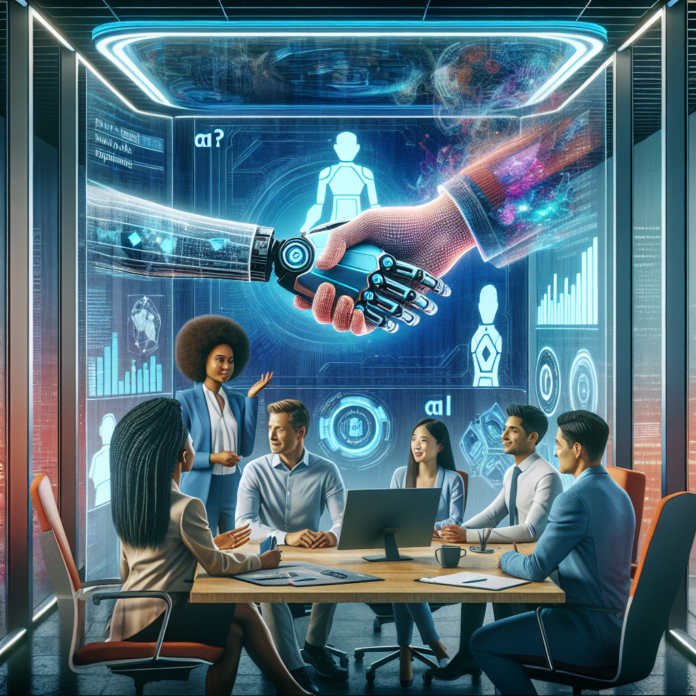
The most promising future lies in the collaboration between humans and AI. By leveraging the strengths of both, organizations can enhance productivity, creativity, and decision-making. AI can handle data analysis and operational efficiency, while humans can focus on strategies, empathy, and leadership—traits that machines cannot replicate.

Conclusion

The discourse surrounding AI and the workforce is multifaceted. While it is undeniable that some jobs will be displaced, the potential for AI to create new opportunities is equally significant. By investing in education and embracing the collaborative potential of human and machine partnerships, society can transition into a future where AI and human jobs coexist harmoniously.

Stay-tuned with us on our website