


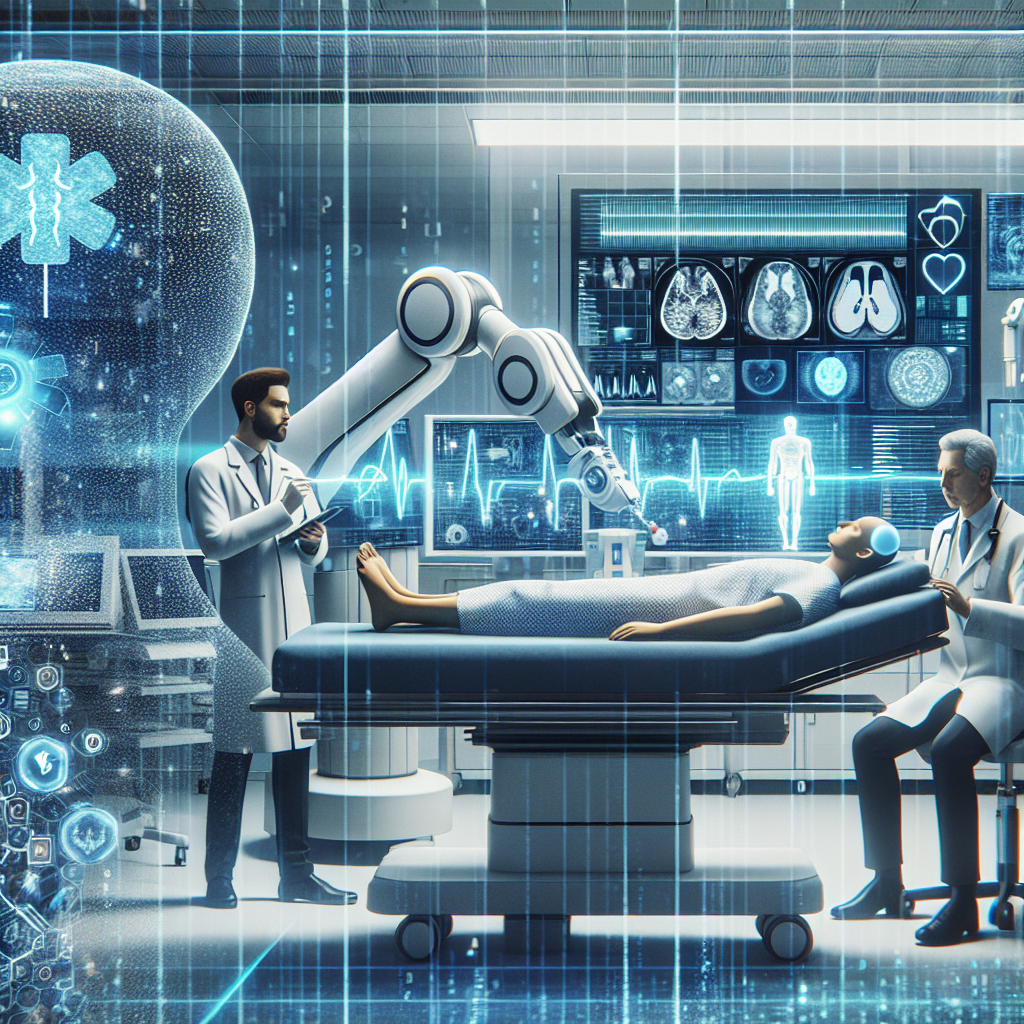
1. Enhanced Diagnostics
AI algorithms, particularly machine learning models, are being used to analyze medical images such as X-rays, CT scans, and MRIs. These AI systems can detect anomalies often missed by human eyes, allowing for earlier and more accurate diagnoses.
2. Personalized Treatment Plans
With the capability to analyze vast amounts of patient data, AI systems can suggest personalized treatment options based on a patient’s individual medical history, genetics, and lifestyle. This level of customization leads to more effective treatments.
3. Predictive Analytics
AI-driven predictive analytics can assess future health risks by analyzing patterns within patient data. This allows healthcare providers to take proactive measures, potentially preventing serious health issues before they arise.
4. Administrative Efficiency
AI is also streamlining administrative tasks in healthcare settings. Automation of scheduling, billing, and patient records management reduces the workload on healthcare professionals, allowing them to focus more on patient care.
Challenges in AI Implementation