


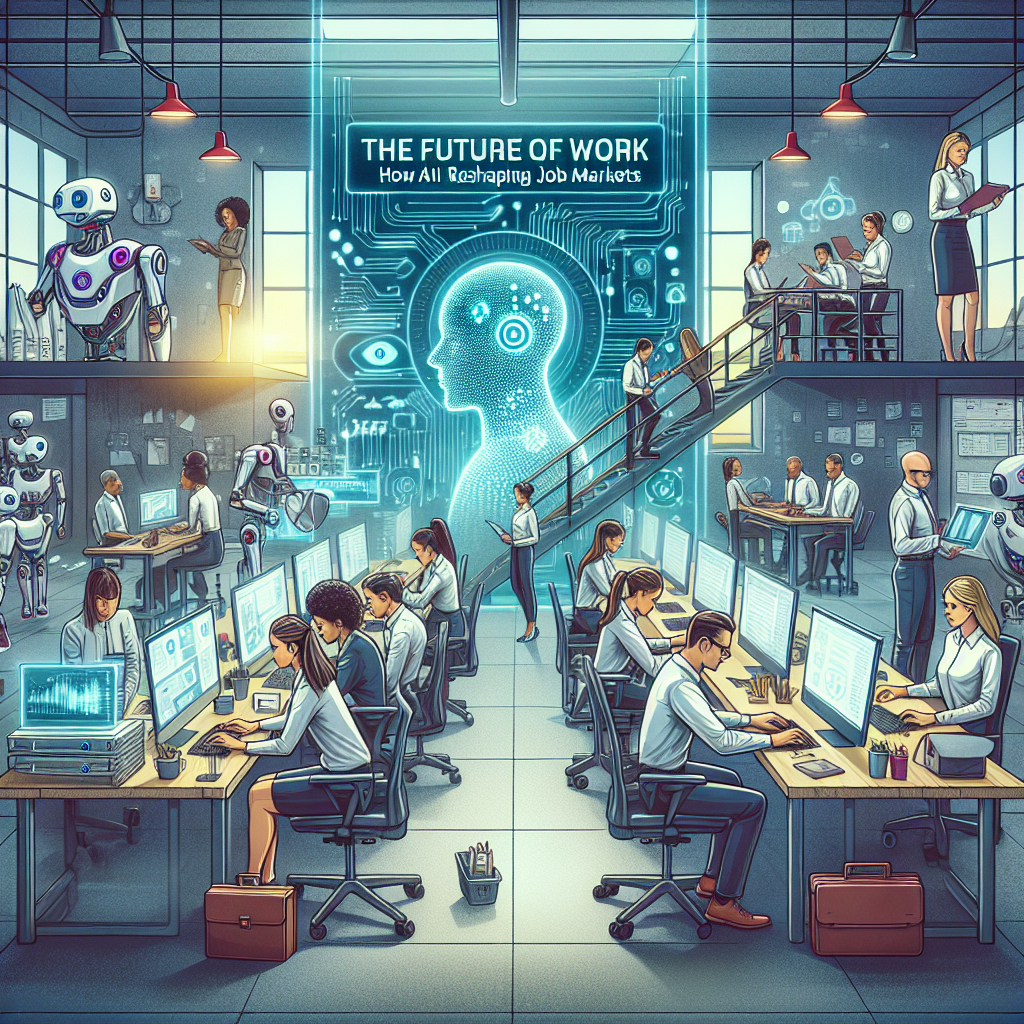
As artificial intelligence (AI) continues to advance, it is fundamentally altering the landscape of the job market. The integration of AI technologies across various industries is not only changing how work is performed but also the types of jobs that are available. This article explores the implications of AI on employment, the evolving skill requirements, and what the future may look like for workers.
The AI Revolution in the Workplace
AI is increasingly being incorporated into daily business operations. Automation, machine learning, and data analytics are streamlining processes and enhancing efficiency. Some key areas impacted by AI include:
- Manufacturing: Robotics and automated systems are performing repetitive tasks, leading to increased production rates.
- Healthcare: AI algorithms assist in diagnosing diseases and personalizing treatment plans.
- Finance: Automated trading systems and AI-driven analytics improve decision-making and risk assessment.
- Customer Service: Chatbots and virtual assistants enhance user experience by providing immediate responses.
Job Displacement Vs. Job Creation
While AI poses a threat to certain job roles, particularly those involving routine tasks, it also presents opportunities for new jobs and industries. A report by the World Economic Forum suggests that AI could displace approximately 85 million jobs by 2025, but it could also create 97 million new roles in fields such as AI development, data analysis, and cybersecurity.
Skills for the Future
The shift towards a more AI-driven job market necessitates a reevaluation of skills. Employers are increasingly seeking candidates with:
- Technical Skills: Proficiency in programming, data analysis, and machine learning is becoming essential.
- Soft Skills: Creativity, problem-solving, and emotional intelligence are invaluable in roles that AI cannot easily replicate.
- Adaptability: The ability to learn and adjust to new technologies will be crucial in a rapidly changing job market.
Preparing for an AI-Driven Future
For workers to thrive in an AI-augmented job market, continuous education and skills training are key. Companies, educational institutions, and governments must invest in reskilling programs to prepare the workforce for the demands of the future.
Strategies for Workers
Workers can take proactive steps to remain competitive, such as:
- Engaging in lifelong learning and obtaining certifications in emerging technologies.
- Networking within industries to stay informed about trends and opportunities.
- Developing a portfolio of projects that showcase adaptability and technical skills.
Conclusion
The future of work is undeniably intertwined with AI. As it evolves, professionals must adapt to new realities, embrace technological changes, and cultivate skills that complement AI capabilities. By doing so, they will not only enhance their employability but also thrive in a future where human-AI collaboration becomes the norm.
For additional information,keep on visiting our website