Home Blog Page 98

The Rise of AI in Everyday Life

Introduction

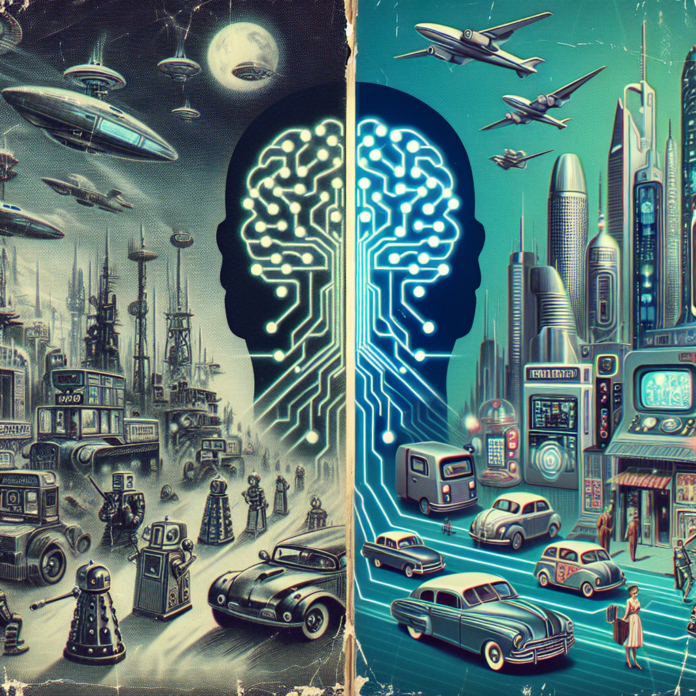
For decades, artificial intelligence (AI) was a fascinating subject confined to the realm of science fiction. Movies like 2001: A Space Odyssey and The Matrix captivated audiences with their visions of intelligent machines. Today, however, AI has transitioned from mere fantasy to an integral part of our daily lives.

The Evolution of AI

The journey of AI began in the mid-20th century with foundational theoretical work. As technology advanced, so too did AI’s capabilities. The introduction of machine learning and neural networks in the 21st century significantly accelerated its evolution, enabling computers to learn from data and improve over time.

Key Developments

  • Natural Language Processing (NLP): AI can understand and generate human language, seen in virtual assistants like Siri and Alexa.
  • Computer Vision: AI systems can recognize and interpret visual data, leading to advancements in facial recognition and autonomous vehicles.
  • Robotics: AI-driven robots are now being used in manufacturing, healthcare, and even in homes.

AI in Everyday Life

AI is integrated into numerous aspects of our daily routines, often without us realizing it:

  1. Smart Home Devices: Thermostats, lights, and security systems that learn user behavior for improved efficiency.
  2. Personal Finance: AI algorithms help in budgeting, spending analysis, and investment strategies through robo-advisors.
  3. Healthcare: AI assists in diagnostic processes and personalized medicine through data analysis.

The Impact of AI

The influence of AI extends beyond convenience and efficiency; it also poses significant societal and ethical questions:

  • Job displacement and the future of work.
  • Privacy concerns regarding data gathering and surveillance.
  • The need for regulations to govern AI development and deployment.

Conclusion

As AI continues to evolve and become more sophisticated, it is crucial to navigate the accompanying challenges responsibly. The reality of AI in our everyday life not only transforms how we interact with technology but also how we approach our societal structures.

Stay-tuned with us on our website

Balancing Innovation with Responsibility

The Rise of Artificial Intelligence

In recent years, artificial intelligence (AI) has rapidly evolved, transforming industries and altering the way we interact with technology. From healthcare to finance, AI innovations have brought about unprecedented efficiency and capabilities. However, with great power comes great responsibility.Understanding AI Ethics

AI ethics refers to the moral implications and responsibilities associated with the development and deployment of AI technologies. It encompasses a range of issues including bias, accountability, transparency, and privacy. As AI systems are increasingly integrated into daily life, ethical considerations must guide innovation to ensure that technological advancement does not come at the expense of societal well-being.The Dilemma of Innovation vs. Responsibility

The pursuit of AI innovation often conflicts with ethical principles. For instance, algorithms used in hiring processes can inadvertently perpetuate bias if not carefully designed and monitored. Similarly, AI’s capabilities in surveillance and data collection raise significant privacy concerns.To harness AI responsibly, stakeholders must prioritize ethics during the developmental phase. This means incorporating ethical reviews, diverse perspectives, and public input into the AI development process.

Strategies for Ethical AI Implementation

  1. Establishing Clear Guidelines: Organizations should create comprehensive ethical guidelines that outline acceptable AI practices and technologies.
  2. Encouraging Diversity: Involving a diverse range of voices in AI development can help identify potential biases and ethical concerns early
  3. Fostering Transparency: Developers should strive for transparency in their algorithms, ensuring that users understand how decisions are made.
  4. Continuous Monitoring: AI systems should be continuously evaluated to identify and rectify any emerging ethical issues.
  5. Regulatory Support: Governments and regulatory bodies must establish policies that promote ethical AI development, ensuring adherence to ethical standards.

The Role of Education and Awareness

Education plays a crucial role in shaping a future where AI is developed and used ethically. By raising awareness about the ethical implications of AI, stakeholders—including developers, businesses, and users—can make informed decisions that prioritize societal benefit over profit.Visit our website to get more updates

How AI is Transforming Industries

Artificial Intelligence (AI) is no longer a concept confined to science fiction. It is here and actively reshaping various industries, unlocking new possibilities and driving efficiency. This article delves into the transformative impact of AI across different sectors.

1. Healthcare

AI is revolutionizing the healthcare industry in ways that improve patient outcomes:

  • Diagnostic Assistance: AI algorithms analyze medical images and patient data to identify diseases early.
  • Personalized Treatment: Machine learning helps tailor treatments to individual patient needs.
  • Operational Efficiency: AI streamlines administrative tasks, allowing healthcare professionals to focus on patient care.

2. Finance

In the finance sector, AI enhances efficiency and security:

  • Fraud Detection: AI systems can identify patterns and detect anomalies in real-time, preventing fraud.
  • Algorithmic Trading: AI algorithms analyze market trends and execute trades at lightning speed.
  • Customer Support: Chatbots powered by AI provide 24/7 customer service, resolving queries efficiently.

3. Manufacturing

AI is transforming manufacturing processes, resulting in higher productivity:

  • Predictive Maintenance: AI predicts equipment failures before they occur, reducing downtime.
  • Quality Control: AI algorithms inspect products for defects, ensuring higher quality standards.
  • Supply Chain Optimization: AI enhances logistics and inventory management, streamlining operations.

4. Retail

The retail industry is seeing a significant shift due to AI:

  • Personalized Shopping Experience: AI analyzes consumer behavior to recommend products tailored to individual preferences.
  • Inventory Management: AI forecasts demand, ensuring the right products are stocked at the right time.
  • Customer Insights: AI tools provide valuable insights into customer preferences and trends.

5. Transportation

AI is paving the way for innovations in transportation:

  • Autonomous Vehicles: AI technologies enable self-driving cars to navigate safely.
  • Traffic Management: AI analyzes traffic patterns to optimize flow and reduce congestion.
  • Route Optimization: AI powers delivery services, determining the fastest and most efficient routes.

Conclusion

The impact of AI is profound and far-reaching, affecting numerous industries and everyday life. As technology continues to evolve, the potential for AI to enhance productivity, improve decision-making, and create innovative solutions will grow exponentially. The future powered by AI is not just a fantasy; it’s rapidly becoming our reality.

More related updates, Click Here

The Game-Changer in Today’s Digital Landscape

Artificial Intelligence (AI) has rapidly evolved from a niche technology into a cornerstone of modern society. Its application spans countless sectors, fundamentally reshaping how we interact with technology and each other. From healthcare to finance, AI has not only optimized workflows but has also unlocked unprecedented possibilities.

The Rise of AI

The concept of AI dates back to the mid-20th century; however, recent advances in machine learning, neural networks, and data mining have propelled AI into the mainstream. Today’s AI systems are more capable than ever, processing vast amounts of data and learning from it to generate predictions, automate tasks, and enhance decision-making.

Key Areas of Impact

1. Healthcare

AI is revolutionizing the healthcare industry by improving diagnostics, personalizing treatment plans, and streamlining administrative tasks. Machine learning algorithms analyze medical data, enabling earlier detection of diseases and predicting patient outcomes with greater accuracy.

2. Financial Services

In the financial sector, AI algorithms help detect fraud, assess risk, and automate trading. By analyzing transaction patterns and market trends, AI tools support more informed financial decision-making and operational efficiency.

3. Customer Experience

Businesses utilize AI to enhance customer experiences. Chatbots and virtual assistants provide real-time support while personalized marketing strategies are powered by AI analytics to improve engagement and conversion rates.

Challenges and Ethical Considerations

Despite its benefits, the rise of AI poses challenges. Concerns about data privacy, algorithmic bias, and job displacement are critical issues that society must address. As AI continues to integrate into daily life, ethical guidelines and regulations are imperative to ensure fairness and accountability.

The Future of AI

Looking ahead, the potential of AI is boundless. Innovations like quantum computing, general AI, and enhanced human-AI collaboration may redefine our capabilities. As we navigate this transition, embracing AI responsibly will be crucial to harness its power for the betterment of humanity.

Stay-tuned with us on our website

Navigating the Last Sundance Film Festival in Park City

Lea este artículo en español aquí.

The Sundance Film Festival is in Park City from Jan. 22 to Feb. 1.

Main Street is scheduled to close to vehicles from the top of Main to 7th Street starting at 11 a.m. on the first day to Monday, Jan. 26. It’s the second time the heart of Old Town will be closed for extended periods during Sundance after a successful pilot last year.

Other Old Town roads will be closed to visitors; only those with residential access passes will be allowed on Hillside Avenue and Park Avenue will be one-way going downhill. Swede Alley will only be accessible to those with residential passes or ADA placards.

Park City officials are also asking residents and visitors not to cut through any residential areas. There will be additional security to deter cut-through traffic.

Sundance also comes with parking closures. Bob Wells Plaza and the north end of the Brew Pub Lot are already closed and will remain closed until the end of the festival.

The North Marsac Parking Lot has a partial closure from Jan. 21 to Feb. 1, Park Avenue parking will be closed from Heber Avenue to 9th Street Jan. 22 to Feb. 1, and Main Street, Heber Avenue and Swede Alley parking spots will be restricted Jan. 22 to 27.

Permit parking is available for employees in the Flagpole and North Marsac lots as well as the Gateway Center. Visitors can pay for parking at the China Bridge garage using a $550 pass or daily event rates.

  • Thursday, January 22 | $40, flat fee
  • Friday, January 23-Saturday, January 24 | $50, flat fee
  • Sunday, January 25-Tuesday, January 27 | $30, flat fee
  • Wednesday, January 28-Sunday, February 1 | Standard parking rates

As there’s a lack of parking in the city, officials are encouraging locals and visitors to use free public transit. Parking is free at the Richardson Flat Park-and-Ride near U.S. 40. Buses go to and from Richardson Flat to the Old Town Transit Center every 15 minutes from 6:40 a.m. to 2 a.m.

Deer Valley Resort’s lots 5 and 6 and Park City Mountain Village parking spots are also options. The lots are open to Sundance attendees from 5 p.m. to 1 a.m. daily. Park City Transit connects the lots to Old Town.

There’s also a drop and load area on lower Main Street and Marsac Avenue.

Park City’s comprehensive community guide has comprehensive details on parking and street restrictions.

Park City Municipal is a financial supporter of KPCW. For a full list of financial supporters, click here.

Join our website for cool news and cool tips

Feel free to adapt any of these to better suit your audience or specific focus!

Adapting Content for Your Audience

In today’s diverse and ever-evolving landscape, understanding your audience is crucial for effective communication. Whether you’re creating blog posts, marketing materials, or social media content, adapting your message to resonate with different groups can significantly enhance engagement and understanding.

Why Adapt Content?

Adapting content helps you:

  • Ensure Relevance: Tailoring your message to your audience’s interests and needs makes the content more relatable.
  • Improve Engagement: Engaging your audience in a way that speaks to them increases interactions and retention rates.
  • Facilitate Understanding: Using language and examples familiar to your audience allows your message to be better understood and appreciated.

How to Adapt Your Content

Here are some strategies to effectively adapt your content:

  • Know Your Audience: Conduct surveys or research to understand your audience’s demographics, preferences, and challenges.
  • Use Appropriate Language: Adjust your vocabulary and tone based on the audience. Professional jargon might work for a corporate audience, while a casual tone may resonate better with a younger crowd.
  • Focus on Relevant Topics: Discuss issues or subjects that matter to your specific audience. This not only captures their attention but also shows that you understand their concerns.
  • Incorporate Feedback: Listen to your audience’s feedback and adapt future content to meet their expectations and preferences.

Examples of Adaptation

Here are a few scenarios illustrating content adaptation:

Marketing Materials: An advertisement for a tech product might adopt a technical tone for IT professionals, while the same product could be promoted in simpler terms for general consumers.

Blog Posts: A fitness blog might offer detailed workout plans for seasoned athletes, whereas beginner-friendly advice would cater to those just starting their fitness journey.

Social Media Posts: Posts targeted at teens may use trending slang and memes, while content aimed at professionals could be more formal and information-heavy.

Conclusion

Adapting your content to suit your audience is not just a good practice; it’s essential for effective communication. By understanding who you’re talking to and tailoring your message accordingly, you can create a more meaningful connection that drives engagement and reinforces your brand.

Stay-tuned with us on our website

10 Innovative Business Ideas for 2024

As technology evolves and consumer behavior shifts, 2024 presents exciting opportunities for entrepreneurs. From sustainability-driven ventures to AI-powered services, innovative business ideas are shaping the future of global markets. Below are ten forward-thinking business ideas that can thrive in 2024 and beyond.

1. Sustainable Fashion Brand
With increasing awareness of environmental issues, a sustainable fashion line utilizing recycled materials can attract eco-conscious consumers.2. Virtual Reality Travel Experiences

Create immersive travel experiences using VR technology, allowing users to explore destinations from the comfort of their homes.3. AI-Powered Personal Finance Assistant

Develop an AI application that aids users in managing their finances, budgeting, and investment planning.4. Home Office Wellness Solutions

Offer products and services focused on creating a wellness-centric home office space, including ergonomic furniture and mindfulness apps.5. Subscription-Based Pet Services

Launch a subscription service that caters to pets, offering grooming, toys, and health products catered to the needs of different breeds.6. Smart Home Energy Management

Develop an intelligent system that monitors and optimizes energy usage in homes, reducing costs and carbon footprints.7. Health and Wellness Retreats

Create restorative retreats that combine technology detox, wellness workshops, and outdoor activities in nature.8. Augmented Reality (AR) in Retail

Integrate AR into shopping experiences, allowing customers to visualize products in their homes before purchasing.9. Personalized Nutrition Plans

Utilize data and AI to create tailored nutrition plans for individuals based on health goals and preferences.10. Remote Team Building Solutions

Offer online platforms and activities designed to enhance collaboration and team spirit for remote workforces.

11. Smart Home Services

Installing and maintaining smart devices such as automated lighting, security systems, and energy-saving solutions is a growing business niche.

12. Health & Wellness Platforms

Digital platforms focused on fitness, mental health, meditation, and nutrition are gaining popularity as people prioritize well-being.

13. E-Learning & Skill Development

Online courses that teach practical skills like coding, digital marketing, and AI tools are in strong demand among students and professionals.

14. Renewable Energy Consulting

Businesses that help individuals and organizations adopt solar power and energy-efficient systems can benefit from the global push toward clean energy.

15. Customized E-Commerce Stores

Personalized products such as customized apparel, accessories, or gifts attract customers looking for unique shopping experiences.

Stay-tuned with us on our website

Dua Lipa Dazzles in a $586 Little Black Mini Dress and Golden Crown

When you buy through links on our articles, Future and its syndication partners may earn a commission.

Credit: Getty Images/XNY/Star Max/GC Images

After ending 2025 with a $14,000 diamond watch and a Chloé Paddington Bag, Dua Lipa seems to have shifted her focus to affordable fashion. On January 16, 2026, the singer shared a photo to her Instagram Stories, in which she could be seen wearing a cute jersey mini dress.

In the fun snap, Lipa poured her friend a glass of wine, while they both wore gold paper crowns on their heads. For the party, the Barbie star opted for Laformela’s Jersey Mini Dress, which retails for $586.

The sleek dress features an asymmetrical hemline, a double-layered skirt, and a thick waist strap adorned with metal o-ring details. She accessorized her dress with sheer black tights and black leather knee-high boots.

Dua Lipa wears a jersey mini dress and celebrates with a friend while wearing a paper gold crown
Dua Lipa wearing Laformela’s jersey mini dress. | Credit: Instagram/@dualipa

For jewelry, Lipa chose some gold bangles, which perfectly complemented her party crown.

In 2025, the singer discussed her approach to personal style in an interview with British Vogue. “I feel like I’m so much nicer when I like my outfit,” she told the outlet. “You know what I mean? My everyday stuff is very low maintenance…And then I love to dress up whenever there’s a fun night out.”

Luckily, it’s more than possible to recreate Lipa’s little black mini dress party look.

Shop Outfits Inspired by Dua Lipa

By Anthropologie Gathered Mini Dress
Gathered Mini Dress

View Deal

The Occasion by Old Navy Twist-Front Jersey Mini Dress
Twist-Front Jersey Mini Dress

View Deal

Sleeveless Seamless Minidress

View Deal

Lacing-Detail Bodycon Dress - Black
Lacing-Detail Bodycon Dress

View Deal

Cameron Asymmetrical Minidress

View Deal

Sleeveless Crewneck Soft Jersey Mini Dress

View Deal

Martinez Mesh Long Sleeve Minidress

View Deal

85mm Leather Knee-High Boots

View Deal

Mikki 90mm Leather Boots

View Deal

Remy 50mm Leather Knee-High Boots

View Deal

Jane Leather Knee-High Boots

View Deal

Sussta Knee High Boot

View Deal

Serafina 40mm Suede Knee-High Boots

View Deal

Essentials Molten 14k-Gold-Plated Large Cuff

View Deal

Additional relevant updates

Exploring the Evolution of Natural Language Processing

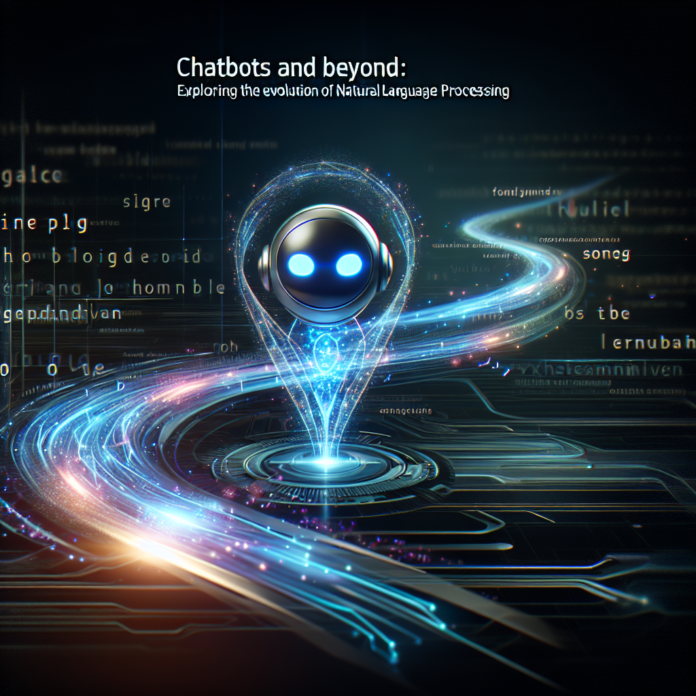
<h1>Chatbots and Beyond: Exploring the Evolution of Natural Language Processing</h1>
<p>Natural Language Processing (NLP) has come a long way since its inception, transforming how we interact with technology. This article will delve into the evolution of NLP, focusing on its applications in chatbots and its broader implications.</p>
<h2>The Dawn of NLP</h2>
<p>The roots of NLP can be traced back to the 1950s with the development of early computational models of human language. The first significant breakthrough came with the creation of the Turing Test, proposed by Alan Turing in 1950. This test was designed to evaluate a machine's ability to exhibit intelligent behavior indistinguishable from that of a human.</p>
<h2>Rule-Based Systems</h2>
<p>In the early years, NLP relied heavily on rule-based systems, where linguists manually created sets of grammatical rules. While these systems were groundbreaking, they often struggled with the complexity and nuances of human language, leading to limited functionality.</p>
<h2>Statistical Methods</h2>
<p>The 1990s marked a significant shift with the adoption of statistical methods in NLP. By utilizing vast amounts of text data, these methods enabled machines to learn patterns in language, significantly improving the accuracy of text processing tasks. This era saw the development of part-of-speech tagging, named entity recognition, and more.</p>
<h2>The Era of Machine Learning</h2>
<p>The introduction of machine learning brought transformative changes to NLP. Algorithms could now learn from data, making predictions and decisions based on patterns. This innovation led to the development of more sophisticated chatbots, capable of engaging in meaningful conversations.</p>
<h2>The Rise of Deep Learning</h2>
<p>In recent years, deep learning has taken NLP to new heights. Techniques like neural networks, particularly recurrent neural networks (RNNs) and transformer models, have enabled machines to understand context and semantics at an unprecedented level. OpenAI's GPT models, including the latest iterations, exemplify this advancement, allowing for more human-like interaction.</p>
<h2>Applications of NLP in Chatbots</h2>
<p>Today, chatbots powered by advanced NLP technologies are ubiquitous across various industries, enhancing customer service, personal assistance, and even mental health support. They can understand user inquiries, provide accurate responses, and learn from interactions, adapting to user preferences over time.</p>
<h2>The Future of NLP</h2>
<p>As NLP continues to evolve, we can expect even more seamless integration into our daily lives. Future advancements will likely focus on improving contextual understanding, reducing biases, and ensuring ethical use. The potential for NLP to enhance human-computer interaction is vast, paving the way for innovative applications that we are only beginning to explore.</p>
<h2>Conclusion</h2>
<p>From rudimentary rule-based systems to sophisticated chatbots and beyond, NLP has undergone a remarkable transformation. As technology advances, the potential for natural language processing to shape the future of communication is immense. Understanding this evolution not only highlights the capabilities of chatbots but also underscores the importance of responsible AI development.</p>
<p>For more information on NLP, visit <a href="https://www.ibm.com/natural-language-processing">IBM's Natural Language Processing</a> page.</p>

Join our website for cool news and cool tips

18 Hallmark Channel Couples Expecting Joyful Additions

Hallmark Channel fans watch their favorite actors fall in love over and over again in movie after movie… and some of those actors actually fell in love for real on set!

There are more than a dozen couples right now with real-life Hallmark actors, including multiple couples who are all expecting babies at the moment.

The network is known as being “where love happens” for a reason. And it’s not just co-stars. At least one Hallmark actress fell in love with some who works behind-the-scenes.

Sadly, several couples have since split.

Just Jared has compiled a list of all these real-life couples who found love on screen and off through Hallmark Channel movies.

Check out the slideshow of all the real-life couples featured on Hallmark Channel…

Love Beyond the Screen

Hallmark romances often leave viewers smiling, but these real-world milestones feel even more special. From co-stars who found love during productions to long-time partners who’ve shared their journeys publicly, these couples embody the same values Hallmark fans cherish: love, commitment, and family.

A Wave of Happy Announcements

Pregnancy announcements and family updates from Hallmark favorites have been met with an outpouring of love on social media. Fans have shared congratulatory messages, heartfelt comments, and excitement about seeing their favorite actors step into parenthood—or expand their growing families.

Why Fans Feel So Connected

Hallmark stars often cultivate a close bond with their audience, offering glimpses into their lives beyond acting. This openness creates a sense of shared joy, making milestones like welcoming a child feel personal to viewers who’ve followed their careers for years.

A New Season of Life

As these 18 couples prepare for sleepless nights, first smiles, and unforgettable moments, their stories remind us that life’s most meaningful roles often happen off-camera. For many, this new chapter represents balance—continuing creative work while embracing family life.

For more information, Continue to visit our website