

Home Blog Page 89

Can Technology Save the Planet?

As the world grapples with the increasing effects of climate change, the role of Artificial Intelligence (AI) is emerging as a vital tool in addressing environmental issues. From predictive analytics to enhanced energy efficiency, AI technologies hold the potential to significantly mitigate climate impact. But can they truly save the planet?

Understanding AI’s Capabilities

AI refers to computer systems designed to perform tasks that typically require human intelligence. This includes learning, reasoning, problem-solving, and understanding natural language. Here are some key areas where AI is making a difference in the fight against climate change:

  • Data Analysis: AI can process vast amounts of environmental data, uncovering patterns and providing insights that help scientists understand climate trends.
  • Predictive Modeling: Machine learning algorithms can predict future climate events, allowing for better preparedness and response plans.
  • Smart Agriculture: AI is used in precision farming practices to optimize resource use, reducing waste and greenhouse gas emissions.
  • Energy Management: AI technologies enhance the efficiency of energy systems, from smart grids to renewable energy sources.
  • Carbon Capture: AI can optimize processes necessary for carbon capture and storage, making them more effective.

The Impact of AI on Climate Change Mitigation

Several initiatives around the globe showcase the positive impact of AI on climate change mitigation:

1. Renewable Energy Optimization

AI algorithms are being implemented to predict energy production from renewable sources, enabling better integration into energy grids. By forecasting supply and demand, AI helps in minimizing reliance on fossil fuels.

2. Urban Planning and Development

Smart city technologies utilize AI to optimize traffic management, reduce emissions, and improve air quality. AI can analyze urban data to foster sustainable development and smart mobility solutions.

3. Climate Research and Advocacy

AI is being harnessed in climate research to enhance model accuracy and feasibility. This information is also critical for policymakers and advocates in formulating effective climate policies.

Challenges and Considerations

Despite its vast potential, the implementation of AI in climate change solutions faces several challenges:

  • Data Availability: High-quality, comprehensive datasets are needed for AI systems to make accurate predictions.
  • Ethical Concerns: The use of AI raises ethical issues, including bias in data and decision-making processes.
  • Resource Intensity: The energy consumption of AI technologies can negate some of their environmental benefits, stressing the need for sustainable practices in AI development.

Conclusion: AI as Part of a Holistic Approach

While AI presents numerous opportunities to combat climate change, it is not a silver bullet. The successful mitigation of climate impact requires a holistic approach that includes regulatory frameworks, public awareness, and international cooperation. Combining AI with sustainable practices can lead to significant progress in preserving our planet for future generations.

Stay-tuned with us on our website
The Brains Behind Artificial Intelligence

Introduction
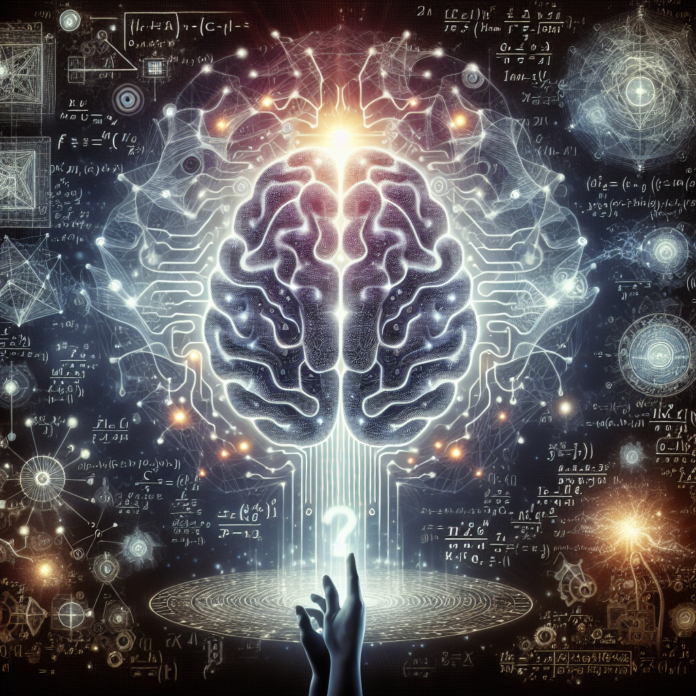
Neural networks are a cornerstone of artificial intelligence (AI), mimicking the neural pathways of the human brain. They are designed to recognize patterns, make decisions, and predict outcomes based on large volumes of data. Understanding neural networks is crucial for grasping how modern AI functions, from image recognition to natural language processing.What are Neural Networks?

At their core, neural networks consist of layers of interconnected nodes, or neurons, which process information. These networks are typically structured in three main layers:

  • Input Layer: This layer receives the raw data.
  • Hidden Layers: These layers perform computations and feature extraction, usually consisting of multiple layers to enhance learning capabilities.
  • Output Layer: This layer produces the final output or prediction.

How Neural Networks Work

Neural networks use algorithms to identify patterns. The learning process involves adjusting the weights of connections between neurons based on the error in predictions. This is typically done using a method called backpropagation, which minimizes the error through iterative adjustments.Some key components of this process include:

  • Activation Functions: These functions determine whether a neuron should be activated or not based on its input.
  • Learning Rate: This hyperparameter controls how much to change the model in response to the estimated error each time the model weights are updated.

Applications of Neural Networks

Neural networks power many applications in various fields, including:

  • Image and Video Recognition: Identifying and classifying images, driving advancements in facial recognition technology.
  • Natural Language Processing: Enhancing the interaction between humans and machines through speech recognition and language translation.
  • Healthcare: Assisting in diagnosing diseases and predicting patient outcomes using medical data.
  • Finance: Fraud detection, risk management, and algorithmic trading.

Challenges and Future of Neural Networks

Despite their success, neural networks face challenges including the need for vast amounts of data, computational power, and the risk of overfitting. Future advancements may include improved architectures and more efficient algorithms that could mitigate these issues.With ongoing research and development, the capabilities of neural networks will likely expand, leading to more sophisticated AI applications that could revolutionize various industries.

Visit our website to get more updates

Premier Date for Michelle Pfeiffer’s ‘Yellowstone’ Spin-off Revealed

“The Madison” is a new series in Taylor Sheridan’s “Yellowstone” universe that will shift away from the Dutton ranch and focus on new characters.

The series will star Michell Pfeiffer and Kurt Russell. It follows a New York City family grappling with grief while living in the Madison River valley of central Montana.

The story is said to be a modern-day drama that will further explore the Dutton family legacy through new and existing characters against the familiar Montana backdrop, according to the Hollywood Reporter.

Here’s what to know about “The Madison.”

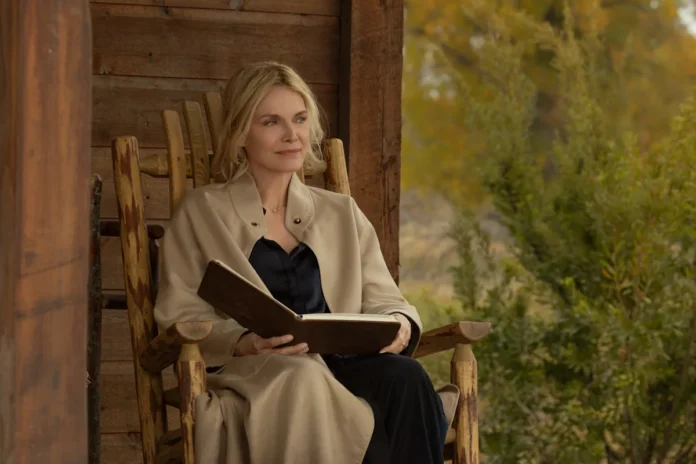
Michelle Pfeiffer as Stacy Clyburn in “The Madison.”

What is “The Madison” about?

“The Madison” follows Pfeiffer, 67, as Stacy Clyburn, a wealthy matriarch who relocates her family from New York City to Montana after a life-altering event. Russell, 74, plays Stacy’s husband, Preston Clyburn.

The show will explore how family is bound to one another as the Clyburns navigate the shift from vibrant Manhattan to vast Montana.

The exact plot and specific roles are not yet known, which is typical of Sheridan series that are commonly kept under wraps until the premiere.

Kurt Russell as Preston Clyburn in "The Madison."
Kurt Russell as Preston Clyburn in “The Madison.”

Who stars in “The Madison?”

Pfeiffer and Russell both star in the series and serve as executive producers.

Additionally, the show will star Beau Garrett (“Firefly Lane”), Elle Chapman (“A Man Called Otto”), Patrick J. Adams (“Suits”), Amiah Miller (“War for the Planet of the Apes”), Alaina Pollack (“The Surrender”), Ben Schnetzer (“3 Body Problem”), Kevin Zegers (“Power”), Rebecca Spence (“Lady in the Lake”), Danielle Vasinova (“1923”) and Matthew Fox (“Lost”).

It is directed by “Yellowstone” and “1883” veteran Christina Alexandra Voros.

How to watch “The Madison”

“The Madison” is scheduled to premiere on Saturday, March 14 on Paramount+.

The show will feature six episodes that are expected to be released weekly.

Ginnie Sandoval is the Oregon Connect reporter for the Statesman Journal. Sandoval can be reached at GSandoval@statesmanjournal.com or on X at @GinnieSandoval.

This article originally appeared on Salem Statesman Journal: ‘Yellowstone’ spin-off starring Michelle Pfeiffer to premiere in March

Additional relevant updates

The AI Driving Us Towards a New Era

Introduction
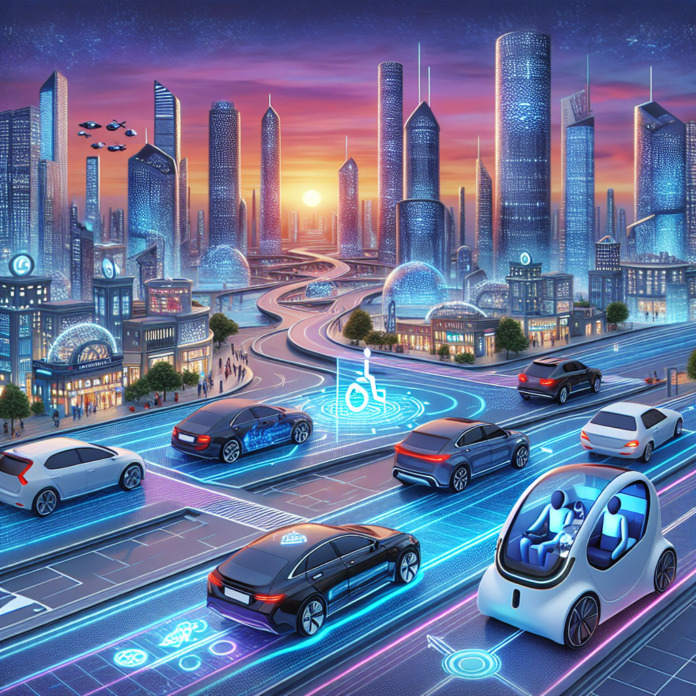
The advent of autonomous vehicles is one of the most significant technological advancements of the 21st century. As artificial intelligence (AI) continues to evolve, it propels the development of self-driving cars, enabling them to navigate complex environments without human intervention.

How Autonomous Vehicles Work

Autonomous vehicles rely on a combination of software and hardware systems, including:

  • Artificial Intelligence: AI algorithms process data from various sensors to make real-time driving decisions.
  • Sensors: Cameras, lidar, and radar collect data about the vehicle’s surroundings.
  • Connectivity: Vehicles communicate with each other and infrastructure to optimize travel and improve safety.

The Benefits of Autonomous Vehicles

The shift to autonomous vehicles presents numerous advantages:

  1. Safety: With reduced human error, autonomous vehicles could potentially lower accident rates.
  2. Efficiency: These vehicles optimize routes and reduce congestion, leading to less time spent on the road.
  3. Accessibility: They offer a new mode of transportation for individuals unable to drive, including the elderly and disabled.

Challenges and Concerns

Despite the many benefits, there are still significant challenges facing the widespread adoption of autonomous vehicles:

  • Regulatory Hurdles: Governments worldwide are still developing policies to regulate the use of self-driving vehicles.
  • Public Acceptance: Trust in AI decision-making remains a barrier to widespread adoption.
  • Data Privacy: The amount of data collected brings up privacy concerns that need to be addressed.

The Future of Autonomous Vehicles

As technology matures, we can expect to see a gradual integration of autonomous vehicles into our daily lives. Ongoing advancements in AI will likely enhance their capabilities, driving us toward a future where transportation is safer and more efficient.

Conclusion

Autonomous vehicles represent a transformative leap in technology and transportation. As we navigate the challenges ahead, the potential for AI-driven cars to revolutionize how we move cannot be understated. The journey towards full autonomy may be complex, but it undoubtedly holds the promise of a new era in mobility.

More related updates, Click Here

Can AI Generate True Art?

In recent years, we have witnessed an unprecedented surge in the capabilities of Artificial Intelligence (AI), particularly in creative fields. As machines become more adept at generating music, literature, and visual arts, the question arises: can AI truly create art?

The Evolution of AI in the Arts

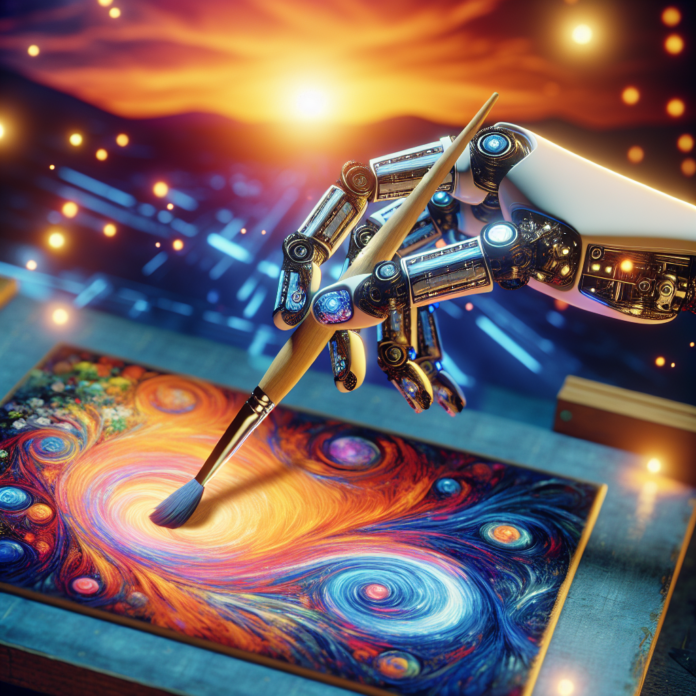
AI technology has come a long way from its early days, transforming from a purely mathematical tool to a creative partner. With the development of algorithms capable of learning patterns from vast datasets, AI can now generate stunning visuals, compose music, and even write poetry. This evolution raises profound questions about the nature of creativity and authorship.

Challenges in Defining “True Art”

Art has always been a deeply human endeavor, intertwined with emotions, experiences, and cultural contexts. One might ask, can an entity devoid of consciousness and feelings create something that can resonate on the same level as human-made art? The answer often leads to heated debates.

“Art is not merely a product; it is a process — a reflection of the artist’s journey and experiences.”

The Role of Human Input

While AI can generate artworks autonomously, the role of human input remains pivotal. Artists often use AI as a collaborative tool, guiding the creative process and infusing personal insights that machines lack. This partnership can lead to innovative works that challenge traditional perceptions of artistry.

AI and Originality

Another major concern revolves around originality. Since AI systems rely on existing data to create, can they ever produce something genuinely original? Critics argue that AI-generated artworks might be merely sophisticated remixes of existing works, lacking the genuine creativity that human artists provide.

The Future: Collaboration Over Competition

As AI continues to evolve, the future of creativity may not lie in competition but rather in collaboration. Artists and AI can work together to push the boundaries of creative expression, exploring uncharted territories that were previously unimaginable. The integration of AI could thus lead to new artistic movements and forms of expression.

Conclusion

The question of whether AI can generate true art may not have a definitive answer. While AI can create impressive works, the essence of art—involving emotional depth, personal experiences, and cultural significance—remains a distinctly human characteristic. As we move forward, embracing AI as a tool rather than a replacement may unlock new avenues for human creativity, enriching both artists and audiences alike.

Join our website for cool news and cool tips

CMCSS Schools Closed Monday Due to Severe Ice Conditions

After being closed all of last week, Clarksville-Montgomery County schools will remain closed on Monday, according to Saturday announcement.

CLARKSVILLE, TN (CLARKSVILLE NOW) – After being closed all of last week, Clarksville-Montgomery County schools will remain closed on Monday, according to Saturday announcement.

As CMCSS leadership awaits approval from the Commissioner of Education for a waiver due to exhausted stockpile days, CMCSS must implement the inclement-weather makeup plan, which means the Professional Development Day on Wednesday, Feb. 4, is canceled, and classes will be in session that day.

Clarksville High School on January 29, 2026. (Wesley Irvin)

“Families, this is not the news we wanted to share this weekend,” CMSCC spokesman Anthony Johnson said in a press release. “We understand the frustration and are just as ready for spring weather as you are, but please know we will always prioritize safety.

| MORE: For road conditions, click here for live Clarksville traffic cameras

“District leaders, many of whom have lived in this region their whole lives, cannot recall a winter storm in the past 30-plus years as impactful on road conditions as this one. As you may have seen in local news, we experienced layers of mixed precipitation last weekend, which has been referred to as a ‘lasagna’ of snow, sleet, and freezing rain.”

Kenwood Elementary School on January 29, 2026. (Wesley Irvin)

What made this ‘lasagna’ snow different?

Here’s an overview of what made this storm different, according to CMCSS:

  • Snow settled loosely, but when sleet followed, it compacted and interlocked snow crystals. Freezing rain then coated that mix in a thick, hard glaze as it froze on contact with surfaces.
  • Although we have had a few sunny days since the winter storm, the lows have averaged in the teens, with several days of single-digit wind chills, and the highs have barely been above freezing.
  • Ice this thick will not melt without sustained warmth, and overnight refreezing continues hardening softened spots.
  • The persistent ice and daily refreeze cycles significantly impact progress across the community.

“If anyone has tried shoveling their driveway, you know this is not as simple as moving fluffy snow that a plow or snow shovel can simply push aside. Removing a single layer of ice is difficult enough, and we are facing 2-3 inches of densely bonded, laminated ice. This is not a simple de-icing task.”

Why can’t CMCSS plow away the ice?

Here is the situation for CMCSS:

  • Crews must mechanically break the ice and complete multiple rounds of abrasion and scraping, while trying to prevent damage to plows and blades caused by the thick ice.
  • On CMCSS’ nearly 50 school and district office campuses, the Operations Department maintains over 87 acres of paved surfaces and 22 miles of sidewalks.
  • Because a winter storm of this magnitude is an extremely rare occurrence in our area, CMCSS does not invest taxpayer funds in a large fleet of heavy winter equipment to handle this scale of an icing event.
  • Likewise, outsourcing the clearing work is very costly, and there is no guarantee of a return on investment that our campuses will be fully accessible, and we expect to continue facing challenges on side streets, bus stops, and sidewalks across Clarksville-Montgomery County.

“Despite the challenges, crews have been working diligently across the community. A lot of the clearing work is being done manually to make up for the lack of equipment. We are extremely grateful for their hard work as they continue literally chipping away at the ice through the weekend.”

Things could improve starting Monday afternoon, with a high in the mid-40s, then a low of 27. Tuesday’s high is also in the mid-40s, with a strong chance of afternoon showers, according to the National Weather Service

Will CMCSS schools be open on Tuesday?

“We will keep working and remain optimistic that with warming temperatures and hard work, we can return to school on Tuesday. We will continue to keep families updated. However, we will likely not be able to make a decision about Tuesday until Monday afternoon, as we monitor progress across the community over the next 48 hours.

“We sincerely appreciate your patience and understanding, and we ask everyone to show essential workers love and appreciation for their hard work in getting us back to normal!”

| MORE:

| DON’T MISS A LOCAL STORY: Sign up for the free daily Clarksville Now email newsletter

For additional information, keep on visiting our website

How AI is Shaping the Future of Education

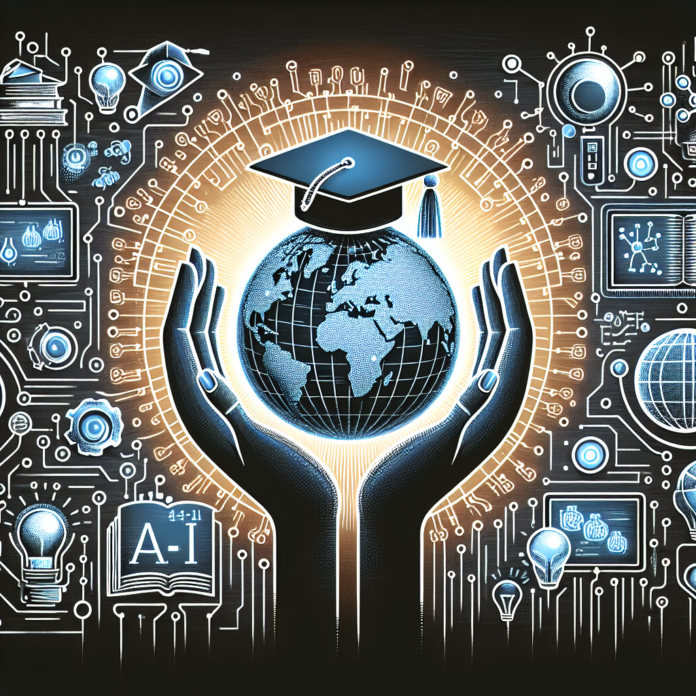
The education landscape is undergoing a dramatic transformation, largely driven by advancements in artificial intelligence (AI). From personalized learning experiences to administrative efficiencies, AI is redefining how students learn, educators teach, and institutions operate.

Personalized Learning

One of the most significant impacts of AI in education is the ability to provide personalized learning experiences. AI algorithms can analyze a student’s progress and learning style, allowing for customized content delivery. This adaptive learning ensures that students engage with materials that are suited to their abilities, helping to boost motivation and comprehension.

Intelligent Tutoring Systems

Intelligent tutoring systems (ITS) use AI to provide real-time feedback and support to learners. These systems can identify areas where a student is struggling and offer tailored exercises to improve skills. By simulating one-on-one tutoring, ITS can make high-quality education accessible to more students, regardless of their geographic location.

Administrative Efficiency

AI is also playing a vital role in streamlining administrative tasks within educational institutions. From managing admissions processes to automating grading, AI tools can save educators time and reduce the workload on administrative staff. This efficiency allows teachers to focus more on instruction and student engagement.

Predictive Analytics

Institutions are leveraging predictive analytics to enhance decision-making. By analyzing data on student performance, AI can identify trends, predict outcomes, and suggest interventions. This information empowers educators to provide timely support to at-risk students, thus improving retention rates.

Enhanced Engagement through AI Tools

Engagement in the classroom can be significantly enhanced through the use of AI tools. Chatbots and virtual assistants can provide students with on-demand support for their questions, while gamified learning experiences use AI to create interactive environments that foster enthusiasm for learning.

AI and Gamification

AI-driven gamification strategies can make learning more interactive and enjoyable. Through game mechanics, students are more likely to participate and stay engaged, which can lead to better retention and understanding of the subject matter.

Challenges and Considerations

While AI offers numerous benefits, it also presents challenges that need to be addressed. Issues such as data privacy, algorithmic bias, and the digital divide must be tackled to ensure that AI’s implementation in education is fair and equitable.

Equity in Access

Ensuring that all students have equal access to AI-driven tools is crucial. Schools in lower-income areas may lack the resources to implement such technologies, which could widen the educational gap. Policymakers and educational leaders must advocate for equitable technology access to ensure no student is left behind.

Conclusion

As AI continues to evolve, its influence on education is likely to grow. From personalized learning experiences to improved administrative efficiency, AI presents a remarkable opportunity to enhance education on a global scale. By addressing the challenges and embracing the potential of AI, we can pave the way for a more inclusive, effective, and transformative educational experience for all.

Additional relevant updates

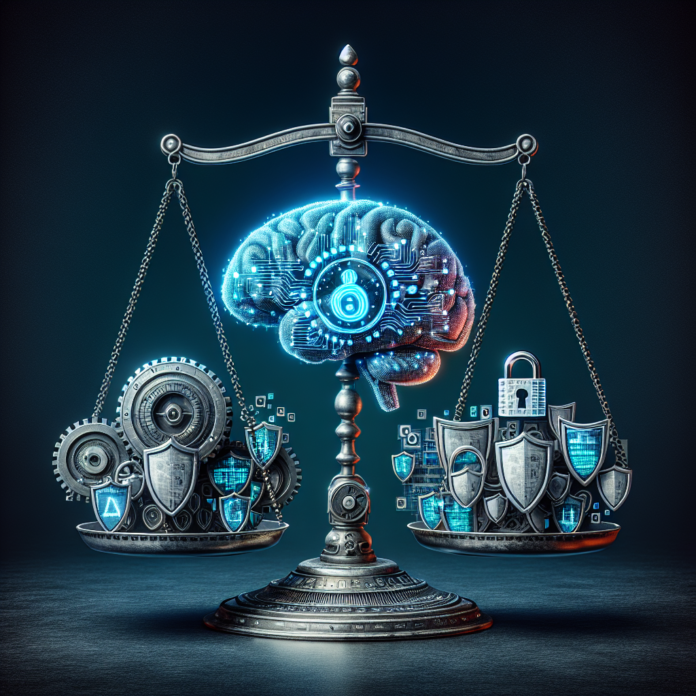
Balancing Innovation with Protection

Introduction
Artificial Intelligence (AI) has transformed many aspects of our daily lives, driving advancements in various industries such as healthcare, finance, and transportation. However, as AI systems become more integrated into our lives, the challenge of maintaining data privacy has become increasingly critical. This article explores the balance between leveraging innovation through AI and the ethical considerations of data protection.

The Importance of Data Privacy

Data privacy refers to the proper handling, processing, storage, and use of personal information. With the rise of AI, vast amounts of data are required to train algorithms and improve performance. The primary concerns surrounding data privacy include:
  • Loss of personal control over data.
  • Increased risk of data breaches.
  • Potential misuse of data for discrimination or manipulation.

AI Innovations and Their Impact

AI is capable of analyzing massive datasets at unprecedented speeds, which can lead to significant breakthroughs. Key areas impacted include:
  • Healthcare: Enhanced diagnostics and personalized treatments.
  • Finance: Improved fraud detection and risk assessment.
  • Transport: Autonomous vehicles that rely on real-time data.

However, these innovations must be balanced with stringent data privacy measures to protect users’ information.

Strategies for Balancing AI and Data Privacy

Organizations can adopt several strategies to bridge the gap between innovation and privacy:
  • Data Minimization: Collect only the data necessary for a specific purpose.
  • Transparency: Ensure users are informed about how their data is being used.
  • Data Anonymization: Remove personally identifiable information to protect user identity.
  • Regulations and Compliance: Adhere to standards such as GDPR to enforce privacy rights.

The Future of AI and Data Privacy

The future of AI and data privacy will likely be shaped by ongoing discussions about ethics, technology, and regulation. As AI technology continues to evolve, the emphasis on user privacy must remain paramount. Stakeholders—governments, organizations, and individuals—need to collaborate to create an ecosystem that fosters innovation while protecting personal data.

For more information, continue to visit our website

Aaron Taylor-Johnson and Sam Stroll Hand in Hand After Paris Hotel Stay

Aaron Taylor-Johnson and wife Sam Taylor-Johnson are heading home after a quick stop in Paris for Fashion Week.

The 35-year-old 28 Years Later actor and the 58-year-old Fifty Shades of Grey director held hands as they checked out of their hotel and headed to the airport on Wednesday

For their outing, Aaron sported a black over over a white T-shirt and gray pants while Sam wore a black leather jacket, leopard-print scarf and black jeans.

Aaron Taylor-Johnson and Sam Stroll were recently spotted enjoying a romantic moment in Paris, leaving fans swooning. The couple was seen hand in hand as they departed a luxury Parisian hotel, sparking excitement on social media. Their affectionate display highlights the strong bond they share, as the pair continues to enjoy quality time together in the City of Light.

The outing comes amid a series of public appearances where Taylor-Johnson and Stroll have been photographed together, showcasing a relationship that seems both private and comfortably public. Onlookers noted their relaxed demeanor and the ease with which they walked together, reflecting a genuine connection.

Paris, known for its romantic charm, provided the perfect backdrop for the couple’s latest outing. From strolling along picturesque streets to enjoying quiet moments away from the spotlight, Taylor-Johnson and Stroll appear to be embracing the city’s allure.

The night before, Aaron and Sam joined tons of other stars at the Saint Laurent Fashion Show.

Hollywood couple Aaron Taylor-Johnson and Sam Stroll were recently seen enjoying a romantic outing in Paris, sparking excitement among fans and media alike. The pair was photographed leaving a luxury Parisian hotel, walking hand in hand through the charming streets of the City of Light. Their affectionate display captured the attention of onlookers, highlighting the strong bond they share.

This sighting comes amid a series of public appearances that have shown the couple’s comfort and ease together. Taylor-Johnson and Stroll have been known to keep their relationship relatively private, making moments like this particularly special for fans. Witnesses noted their relaxed demeanor, smiling and laughing as they enjoyed each other’s company.

Paris, often celebrated as one of the most romantic cities in the world, provided the perfect backdrop for the couple’s outing. From the cobblestone streets to the scenic views, every detail seemed to amplify the charm of their time together.

Back in November, Aaron was spotted shirtless and covered in blood while filming scenes for his new movie Werwulf in England.

The Golden Globe-winning actor will be reuniting with Nosferatu co-star Lily-Rose Depp and director Robert Eggers for the new horror movie. Find out more about Werwulf here.

Visit our website to get more updates

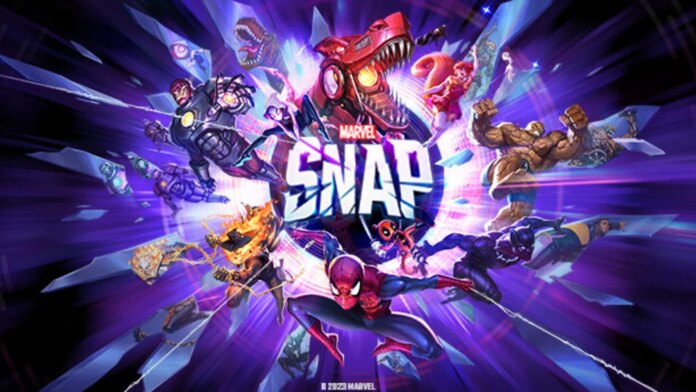
Marvel Snap Unveils New Season Honoring Guardians of the Galaxy Classics

The next season of Marvel Snap is ready to rock our socks off with Star-Lord and The Guardians of the Galaxy. We’ll also see the return of fan favorite modes Grand Arena and Sanctum Showdown. There is also an absolutely epic trailer from Second Dinner telling us more about it:

This season’s Premium Pass card is Star-Lord, Master of The Sun. He’s from a storyline in which Peter Quill had to detonate a black hole, then finding himself in a land called Morius. He was there for years, but no time passed for his teammates. He returned with a whole new set of solar-based powers, which is what this card represents.

When he’s revealed, he gets +1 energy for each turn you’ve ended with unspent energy and then gains that much power. They’ll remember his name from now on!

This season will have lots of new GOTG cards including a new version of Drax, and two cards that will superpower any Guardians deck. Major Victory adds two Guardians to your hand on reveal. The Milano adds one member. Consistency is key in deck building, and these cards should ensure you have just the team member you need to turn a dangerous situation around.

Marvel Snap, the popular mobile card-battling game, has unveiled its latest season, paying tribute to the beloved Guardians of the Galaxy franchise. The new season brings a host of themed content, including classic characters, special cards, and exciting gameplay updates that are set to delight fans of both the game and the Marvel universe.

Players can expect to see iconic Guardians like Star-Lord, Gamora, Rocket, and Groot making their way into the game with unique abilities that reflect their personalities and powers. In addition to new cards, the season introduces limited-time challenges, rewards, and events designed to keep players engaged and encourage strategic deck-building.

The developers have emphasized that this season aims to celebrate the spirit of the Guardians, combining nostalgia with innovative game mechanics. Fans can look forward to visually striking card designs and dynamic interactions that capture the humor, action, and heart of the Guardians of the Galaxy movies.

Speaking of Major Victory, he’ll be unlockable in Grand Arena, the beloved mode in which you choose from eight of your favorite champions. It will be available from February 12-19 at server reset. As I mentioned earlier, Sanctum Showdown is back as well, from February 26 – March 4 at daily reset. Rewards include the Season 4 card, Star Hawk.

In sticking with the 80s rock theme, this set is sure to rocket up the charts!

More related updates, Click Here