

Home Blog Page 84

The Economics of Cryptocurrency Mining Explained

The rise of cryptocurrencies has captivated the world, drawing attention to the complex and often misunderstood process of cryptocurrency mining. Just as prospectors once mined for gold, today’s digital miners engage in a quest for valuable coins, all while navigating the intricate economics of the blockchain technology that underpins these assets.

Understanding Cryptocurrency Mining

Cryptocurrency mining is the process of validating transactions and adding them to the blockchain, which is a decentralized ledger that keeps a permanent record of all transactions. Miners solve complex mathematical problems, and in return, they are rewarded with new coins.

The Costs of Mining

Mining Bitcoin and other cryptocurrencies requires significant investment in hardware, software, and electricity. Below are the main costs involved:

  • Hardware Costs: Specialized hardware, especially for Bitcoin, can be very expensive. ASIC (Application-Specific Integrated Circuit) miners are commonly used for their efficiency.
  • Electricity Costs: Mining consumes a lot of energy. The ongoing electricity costs can significantly contribute to the overall expenses.
  • Cooling Costs: Mining equipment generates heat, requiring proper cooling solutions to maintain optimal performance.
  • Maintenance Costs: Like any equipment, mining hardware requires ongoing maintenance and potentially replacement parts.

Potential Rewards

Despite the high costs, the rewards can be substantial if done correctly:

  • Block Rewards: Each successfully mined block rewards the miner with a certain number of coins, which vary by cryptocurrency.
  • Transaction Fees: Miners can also earn transaction fees from users who transact on the network.
  • Price Appreciation: As the demand for cryptocurrencies increases, the value of mined coins can increase as well.

The Economics of Mining

The profitability of mining hinges on several factors:

  • Market Price: The price of the cryptocurrency being mined directly affects profitability. Higher prices can lead to higher profits.
  • Mining Difficulty: As more miners join the network, the difficulty of mining increases, which can affect whether mining is profitable.
  • Electricity Prices: The cost of electricity varies by location and can greatly impact mining profitability. Some miners opt for locations with cheaper electricity.

Environmental Considerations

As cryptocurrency mining has grown, concerns about its environmental impact have surfaced. The immense energy consumption has led to calls for more sustainable practices. Innovations in energy efficiency and reliance on renewable energy sources are being explored to mitigate these concerns.

Conclusion

Mining for cryptocurrency is akin to mining for gold in the past—it’s a complex and often costly endeavor. However, for those willing to navigate the economic landscape, there can be substantial rewards. Understanding the costs, potential returns, and environmental impacts is crucial for anyone considering entering the world of cryptocurrency mining.

For more information on cryptocurrencies and mining, visit CoinDesk.

Storm Systems Deliver Hope to the Dry West

Several rounds of heavy rain and mountain snow will soon hit an increasingly parched West, the result of a meaningful change in the weather pattern evolving across the United States.

The first of several storms will begin pushing into the region from the Pacific Ocean late Saturday into Sunday, initially focusing on Northern California and parts of Oregon. By Monday, a potent low-pressure center will come ashore somewhere around the San Francisco Bay Area, blanketing the state in widespread precipitation and gusty winds.

A Welcome Change in Weather Patterns

Meteorologists attribute the shift to strong Pacific storm systems, including moisture-rich atmospheric rivers. These systems have delivered steady rainfall to lowland areas and significant snow accumulation across higher elevations, particularly in mountainous regions that serve as critical water sources.

For drought-stricken states, even a few days of sustained precipitation can make a noticeable difference. Rivers and streams have begun to swell, soil moisture levels are improving, and reservoirs are seeing incremental gains after extended periods of decline.

Snowpack: The West’s Natural Reservoir

One of the most important benefits of these storms is the boost to mountain snowpack. Snowpack acts as a natural reservoir, slowly melting in spring and summer to supply water for agriculture, cities, and ecosystems. Increased snowfall in key mountain ranges is especially encouraging, as it helps replenish water supplies during the hotter months when demand peaks.

While a single storm cycle cannot erase years of drought, cumulative snow and rainfall events significantly improve seasonal outlooks. Water agencies closely monitor snowpack measurements to forecast water availability and manage allocations accordingly.

Relief for Agriculture and Communities

Farmers across the region have welcomed the moisture, which helps revive winter crops and prepare soil for upcoming planting seasons. Improved water conditions may also reduce the need for strict irrigation limits, easing financial pressure on agricultural operations.

Urban areas are also benefiting. Higher reservoir levels can stabilize municipal water supplies, potentially reducing the need for emergency conservation measures. At the same time, officials continue urging responsible water use, noting that long-term recovery depends on sustained precipitation and smart management.

Stay-tuned with us on our website

Mega Millions Results for February 13: Were There Any Winners?

  • The Mega Millions jackpot grew to an estimated $385 million after no one won Tuesday’s drawing.
  • Friday night’s winning numbers were 34, 40, 49, 59, 68, and the Mega Ball was 1.
  • Mega Millions drawings are held every Tuesday and Friday at approximately 10 p.m. CT.
  • To win a prize, a player must at least match the Mega Ball number.

The Mega Millions lottery jackpot continues to grow after no one matched all six numbers to win Tuesday’s Mega Millions jackpot.

Here are the winning numbers for the Friday, Feb. 13, lottery drawing jackpot worth $385 million with a cash option of $174.2 million.

Grab your tickets and see if you’re the game’s newest millionaire.

Mega Millions numbers last night, February 13, 2026: Mega Millions drawing jackpot results

Friday night’s winning numbers were 34, 40, 49, 59, 68, and the Mega Ball was 1.

Results are pending.

How many Mega Millions numbers do you need to win a payout prize?

You only need to match one number in Mega Millions to win a prize. However, that number must be the Mega Ball, worth either $10, $15, $20, $25 or $50.

What is the Mega Millions payout on matching 2 lottery numbers?

Matching two numbers won’t win anything in Mega Millions unless one of the numbers is the Mega Ball. A ticket matching one of the five numbers and the Mega Ball is worth either $14, $21, $28, $35 or $70. Visit www.megamillions.com for a complete list of payout information.

How much is Mega Millions lottery jackpot for February 13, 2026?

The Mega Millions jackpot for Friday night’s drawing grows to an estimated $385 million with a cash option of $174.2 million, according to megamillions.com.

When is next Mega Millions drawing? What time is Mega Millions lottery jackpot draw time?

Drawings are held twice a week at approximately 10 p.m. CT every Tuesday and Friday. You can watch drawings via YouTube.

How much does Mega Millions cost? What is Mega Millions ticket price?

A Mega Millions ticket costs $5 per play. The Multiplier is included in the price of a single $5 wager, according to megamillions.com.

How to play Mega Millions 2025 lottery drawing jackpots

Here’s how to play Mega Millions:

Winning Powerball numbers 2/11/26

The winning numbers for Wednesday night’s drawing were 6, 20, 33, 40, 48, with a Powerball of 5. The Power Play was 2x.

How much is the Powerball drawing jackpot on 2/14/26?

The current Powerball jackpot continues to grow at an estimated $146 million with a cash option of $68.4 million, after no one matched all six numbers from Wednesday night’s drawing.

2025 Mega Millions winners: Winning lottery drawing jackpot tickets sold

Here is the list of 2025 Mega Millions jackpot wins, according to megamillions.com:

Top 10 Mega Millions lottery drawing jackpots

Here are the all-time top 10 Mega Millions jackpots, according to megamillions.com:

  • $1.602 billion — Aug. 8, 2023; Florida.
  • $1.537 billion — Oct. 23, 2018; South Carolina.
  • $1.35 billion — Jan. 13, 2023; Maine.
  • $1.337 billion — July 29, 2022; Illinois.
  • 1.22 billion — Dec. 27, 2024; California.
  • $1.13 billion — March 26, 2024; New Jersey.
  • $1.05 billion — Jan. 22, 2021; Michigan.
  • $980 million — Nov. 14, 2025; Georgia.
  • $800 million — Sept. 10, 2024; Texas.
  • $656 million — Mar. 30, 2012; Kansas, Illinois, Maryland.

Top 10 Powerball, Mega Millions lottery drawing jackpots in U.S. history

Here are the nation’s all-time top 10 Powerball and Mega Millions jackpots, according to powerball.com:

  • $2.04 billion, Powerball — Nov. 7, 2022; California.
  • $1.817 billion, Powerball — Dec. 24, 2025; Arkansas.
  • $1.787 billion, Powerball — Sept. 6, 2025;  Missouri, Texas.
  • $1.765 billion, Powerball — Oct. 11, 2023; California.
  • $1.602 billion, Mega Millions — Aug. 8, 2023; Florida.
  • $1.586 billion, Powerball — Jan. 13, 2016; California, Florida, Tennessee.
  • $1.537 billion, Mega Millions — Oct. 23, 2018; South Carolina.
  • $1.35 billion, Mega Millions — Jan. 13, 2023; Maine.
  • $1.337 billion, Mega Millions — July 29, 2022; Illinois.
  • $1.326 billion, Powerball — April 6, 2024; Oregon

Chris Sims is a digital content producer for Midwest Connect Gannett. Follow him on Twitter: @ChrisFSims.

Join our website for cool news and cool tips

What’s Next for Crypto Regulation? A Look Ahead

Introduction

The cryptocurrency landscape is rapidly evolving, garnering significant attention from investors, regulators, and the public alike. As digital currencies become more mainstream, the necessity for regulation is increasingly evident. This article explores the current state of cryptocurrency regulation and examines what the future may hold.

The Current Regulatory Landscape

As of now, the regulatory framework surrounding cryptocurrencies varies significantly across different jurisdictions. In countries like the United States and the European Union, regulatory bodies are attempting to catch up with the burgeoning market. Regulatory frameworks can differ not only from country to country but even within regions.

Key regulatory concerns include:

  • Consumer protection
  • Anti-money laundering (AML) laws
  • Taxation
  • Fraud prevention

Trends in Cryptocurrency Regulation

Several trends are emerging in the regulation of cryptocurrencies:

  • Increased Scrutiny: Governments are placing greater scrutiny on Initial Coin Offerings (ICOs) and exchanges to prevent fraud.
  • Stablecoins Regulation: As stablecoins gain popularity, regulatory bodies are pay attention to their implications on monetary policy and financial stability.
  • Global Cooperation: Regulatory bodies are increasingly cooperating internationally, making discussions at forums like the G20 crucial for harmonizing regulations.

Potential Future Developments

Looking ahead, we may witness several significant developments in cryptocurrency regulation:

  • Implementation of Comprehensive Laws: Countries may implement more comprehensive and uniform regulations that address the unique challenges posed by cryptocurrencies.
  • Institutional Adoption: As institutional investors enter the market, compliant frameworks may soon become a focus, making cryptocurrency more accessible.
  • Tax Reforms: Governments are likely to finalize tax guidelines for cryptocurrencies, which will affect both investors and businesses.

Conclusion

The regulatory landscape for cryptocurrency is fluid and constantly evolving. As awareness and participation in the market increase, so too will the interest from regulators. Stakeholders in the cryptocurrency space must remain vigilant and adaptable as new guidelines and standards emerge. The future of cryptocurrency regulation is still being written, but one thing is clear: it’s essential for legitimacy and stability in this exciting financial frontier.

To find out more,keep on visiting our website

Transforming Industries One Algorithm at a Time

The Dawn of AI
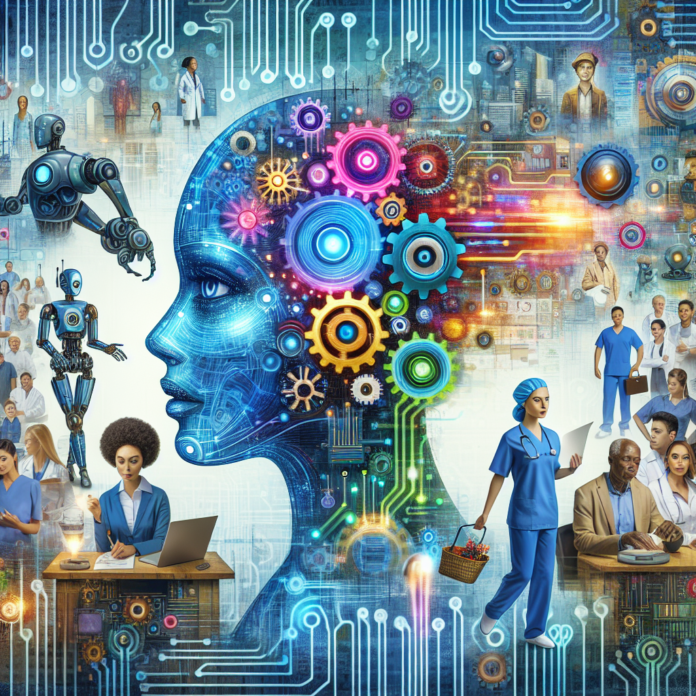
The field of artificial intelligence (AI) has seen rapid advancements in recent years, revolutionizing how industries operate. From manufacturing to healthcare, AI algorithms are driving efficiencies and unlocking innovative solutions.Healthcare Transformation

In healthcare, AI is enhancing diagnostics and patient care. Algorithms process vast amounts of data, assisting in early detection of diseases like cancer and predicting potential outbreaks. For instance, AI systems can analyze medical images faster and with greater accuracy than human counterparts.Manufacturing Efficiency

Manufacturers are harnessing AI to optimize production lines and reduce waste. Predictive maintenance powered by AI forecasts equipment failures before they happen, allowing for timely repairs and minimizing downtimes.Finance and Fraud Detection

The finance industry is experiencing a paradigm shift, with AI algorithms detecting anomalies and preventing fraud in real-time. Machine learning models analyze transactional data to identify suspicious activities that would go unnoticed by humans.Retail Personalization

Retailers are leveraging AI for a personalized shopping experience. Recommendation algorithms analyze customer behavior and preferences, suggesting products that resonate with individual shoppers. This not only enhances customer satisfaction but also boosts sales and loyalty.Transportation Innovations

The transportation industry is also evolving, with self-driving technology and AI-driven logistics optimizing routes and reducing delivery times. Companies are experimenting with autonomous vehicles, aiming to increase safety and efficiency on the roads.Challenges and Considerations

Despite the numerous benefits, the rise of AI presents challenges such as ethical considerations, job displacement, and the need for regulatory frameworks. Ensuring that the deployment of AI is responsible and equitable is essential for its integration into society.Conclusion

The AI revolution is ongoing, reshaping the landscape of various industries with each algorithm’s deployment. As businesses continue to adopt and adapt to these changes, the potential for AI to transform our world is limitless. Embracing AI thoughtfully will be the key to unlocking its vast possibilities.For more insights, visit our website.

To find out more, keep on visiting our website

“Presidents Day Weekend Savings You Can’t Miss!”

The Gotcozy heated throw is rolled up on a stool against a red, white and blue Presidents Day CNET background with two stickers reading "sale" and "price drop."

This heated throw in a lovely shade of violet is my favorite recent impulse buy. 

Gotcozy/CNET

One of my colleagues shared this heated throw through a CNET Deals text, and I hopped on it immediately. Now it’s down to $32, just $1 more than the price I paid around Christmas, and a nice 26% discount on its list price. If you’re like me and get cold frequently, you should snatch this up.

Presidents Day weekend is here, and it’s the perfect time to snag incredible deals across a wide range of products. From electronics and home appliances to fashion and furniture, retailers are offering discounts that are too good to pass up.

Many stores are rolling out limited-time promotions, including buy-one-get-one offers, clearance sales, and exclusive online discounts. Shoppers are encouraged to plan ahead and compare deals to make the most of these savings.

This holiday weekend also presents an opportunity for early spring shopping, upgrading home essentials, or even finding the perfect gift for loved ones. With both in-store and online options, there’s something for everyone.

Don’t miss your chance—these Presidents Day deals are only available for a short time. Whether you’re looking for tech gadgets, stylish apparel, or home upgrades, now is the time to save big and shop smart!

I love a heated blanket, but big, bulky bedding can be a hassle to use at a workstation or to drag with you back and forth between the couch and the bed. This throw is thin and lightweight, plus it’s soft to the touch — and still keeps me plenty toasty. There are four heating levels and it automatically shuts off after three hours, so you won’t wake up burning up in the middle of the night. Plus, because it’s not overly plush, it’s easy to store when not in use.

Stay-tuned with us on our website

Innovations That Are Reshaping Patient Care

Artificial Intelligence (AI) is transforming various industries, but perhaps nowhere is its impact felt more profoundly than in healthcare. From diagnosis to treatment planning, AI innovations are enabling healthcare providers to deliver better patient care. Here are some key areas whre AI is reshaping patient care:

1. Enhanced Diagnostics

AI algorithms can analyze medical images, patient data, and various test results with remarkable accuracy. Some notable applications include:

  • Radiology: AI tools can help radiologists identify tumors and other abnormalities in X-rays, MRIs, and CT scans more quickly and accurately than traditional methods.
  • Pathology: AI can assist pathologists in examining tissue samples and identifying patterns that may be overlooked by the human eye.

2. Personalized Treatment Plans

By analyzing genetic information and lifestyle factors, AI can help healthcare providers tailor treatments to individual patients. This results in:

  • Targeted Therapies: AI can identify which patients are likely to respond to specific treatments, improving outcomes and reducing side effects.
  • Predictive Analytics: Machine learning algorithms can predict disease progression, allowing for timely interventions.

3. Virtual Health Assistants

Chatbots and virtual assistants powered by AI are becoming common in patient care. They can:

  • Provide Information: Answer patient queries regarding symptoms, medications, and treatment options.
  • Monitor Patient Health: Track patient progress and remind them about medication schedules or upcoming appointments.

4. Administrative Efficiency

AI is streamlining administrative processes in healthcare. Some key applications include:

  • Patient Scheduling: AI systems can optimize appointment scheduling to reduce wait times and enhance patient satisfaction.
  • Billing and Coding: Automated billing systems can help reduce errors and administrative burdens, allowing healthcare providers to focus more on patient care.

5. Drug Discovery and Development

The drug development pipeline is often lengthy and costly. AI is expediting this process by:

  • Identifying Potential Drug Candidates: Machine learning models can analyze complex biological data to discover new drug compounds faster.
  • Trial Optimization: AI can help design clinical trials by identifying suitable candidates and predicting outcomes.

In conclusion, the integration of AI in healthcare is not just a trend; it’s a fundamental shift that is reshaping how we approach patient care. By enhancing diagnostics, personalizing treatments, and improving administrative processes, AI is paving the way for a more efficient and effective healthcare system. As these technologies continue to evolve, the future of healthcare looks promising and patient-centered.

Visit our website to get more updates

The Impact of AI on the Workforce of Tomorrow

Introduction

The rapid advancement of artificial intelligence (AI) is transforming every sector of our economy. As automation becomes increasingly integrated into the workplace, many are left wondering about the implications for jobs and the workforce of tomorrow. This article explores how AI is reshaping employment, what skills will be in demand, and what the future might hold for workers globally.

The Impact of AI on Job Markets

AI technologies, including machine learning and data analytics, are revolutionizing industries by improving efficiency and productivity. However, this evolution comes with both opportunities and challenges. Certain jobs, particularly those involving repetitive tasks, are at high risk of automation. For example, roles in manufacturing and basic customer service are being transformed or replaced by AI-driven solutions.

Emerging Job Categories

While some job categories are fading, new roles are surfacing that require human oversight of AI technologies. Important fields that are predicted to grow include:

  • Data Analysis: As businesses accumulate vast amounts of data, skilled data analysts will be crucial in interpreting this information.
  • AI Ethics and Compliance: With the rise of AI, the need for ethical guidelines and compliance will create opportunities for professionals dedicated to ensuring responsible AI usage.
  • AI Maintenance and Development: Roles focused on developing, maintaining, and improving AI systems will become central to tech companies and beyond.

Skills for the Future

To thrive in an AI-driven job market, workers will need to develop a mix of technical and soft skills:

  • Adaptability: The ability to learn new tools and adapt to changes will be vital as AI technologies evolve.
  • Collaborative Skills: Teamwork and communication will continue to be crucial as humans and AI work together.
  • Critical Thinking: The capacity to think critically about data and AI systems will be essential for making informed decisions.

Conclusion

The future of work in the age of AI is not merely about job loss but also about transformation and creation. As AI becomes more embedded in various sectors, workers who embrace ongoing learning and flexibility will find new opportunities in a dynamic job landscape. By understanding the implications of AI and preparing accordingly, we can shape a future where technology and human potential coexist harmoniously.

Stay-tuned with us on our website

Rising Star Ella Langley Releases Bold New Track “Be Her”

Ella Langley is on fire. Riding the wave of success from her viral Riley Green duets “You Look Like You Love Me” and “Don’t Mind If I Do,” she released her debut album Hungover and picked up five trophies at last year’s Academy of Country Music Awards—the most of any first-time nominee. And just this past week, her latest single, “Choosin’ Texas,” hit No. 1 on the all-genre Billboard Hot 100. On the heels of that major milestone, the 26-year-old Alabama native is gearing up to release “Be Her,” the second single off her forthcoming sophomore album.

Ella Langley Releases Follow-Up Single to “Choosin’ Texas”

Ella Langley first teased “Be Her” with a social media post Co-written with HARDY, Jordan Schmidt and Smith Ahnquist, the wistful tune touches on feelings of insecurity and comparison: Only smokes one on vacation, says just what she thinks / She don’t need validation or much of anything / I just wanna be her so bad, it hurts so bad.

The “Weren’t For the Wind” singer hopped back on social media Thursday (Feb. 12) to remind fans that “Be Her” drops tonight at midnight. Not that many had forgotten: “Already my favorite song of 2026 and I’ve only heard like 15 seconds of it,” one Instagram user wrote.

Admittedly, “Be Her” has big shoes to fill. Not only did “Choosin’ Texas give Langley her first-ever Hot 100 chart-topper, it also became the first song by a woman to triple up at No. 1 on the Hot 100, Hot Country Songs, and Country Airplay charts.

[RELATED: Ella Langley Fans Come Through as She Dethrones Taylor Swift for Best-Selling Song of 2026]

Previously, only three songs had achieved that feat: Shaboozey’s “A Bar Song (Tipsy),” Post Malone’s “I Had Some Help,” feat. Morgan Wallen, and Wallen’s “Last Night.”

Langley celebrated the accomplishment on social media, writing, “We did it!! Choosin’ Texas is the #1 song on the @billboard #Hot100 🤯🥹 I can’t thank y’all enough for what you’ve done with this song, it blows my mind every single day. Here’s to women & country music.”

‘Dandelion’ Drops This Spring

Ella Langley fans can hear “Choosin’ Texas,” “Be Her,” and more on Dandelion. Langley will release her sophomore album on April 10.

“This next record to me has so much growth in it,” noted Langley. “I feel the most myself I’ve ever felt.”

Continuing, she added, “I’ve thought about this record every single day for the last year and a half, and I’m so excited to finally say, welcome to Dandelion.”

(Photo by Kevin Mazur/Getty Images for CMA)

Visit our website to get more information

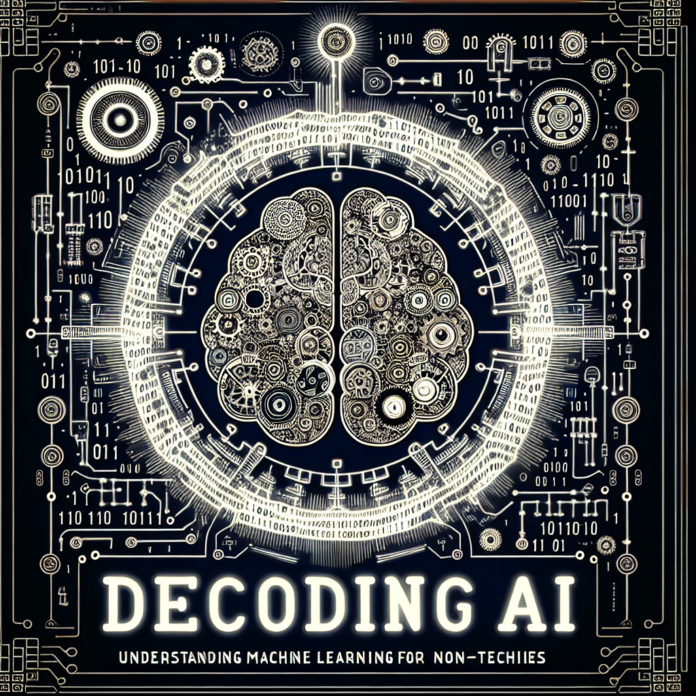
Understanding Machine Learning for Non-Techies

Artificial Intelligence (AI) and machine learning are terms that have gained significant popularity in recent years. But what do they actually mean? For those who aren’t tech-savvy, understanding these concepts might seem daunting. In this article, we will break down machine learning in simple terms.

What is Artificial Intelligence?

Artificial Intelligence refers to the simulation of human intelligence in machines that are programmed to think and learn like humans. These machines can perform tasks that typically require human intelligence, such as recognizing speech, making decisions, and translating languages.

What is Machine Learning?

Machine Learning (ML) is a subset of AI. It involves the use of algorithms and statistical models that allow computers to perform specific tasks without being explicitly programmed. Instead, they learn from data. Simply put, the more data a machine learns from, the better it becomes at making predictions or decisions.

How Does Machine Learning Work?

Consider machine learning as a child learning from experience. Here’s a simple breakdown of how it works:

  • Data Collection: Just like a child observes and collects experiences, machines need data to learn from.
  • Training: This is the process where algorithms learn patterns from the data. The more data they process, the more accurate they get.
  • Testing: After training, the model is tested with new data to evaluate its performance.
  • Implementation: Once accurate, the model can be used in real-world applications, such as spam detection in emails or personalized recommendations on streaming services.

Real-World Applications of Machine Learning

Machine learning is already part of our daily lives. Here are some examples:

  • Healthcare: Algorithms can predict patient outcomes based on historical health data.
  • Finance: Detecting fraudulent transactions by analyzing spending patterns.
  • Retail: Providing personalized product recommendations based on customer preferences.
  • Transportation: Self-driving cars use machine learning to navigate and make decisions on the road.

Why Should Non-Techies Care?

Understanding the basics of machine learning is increasingly important in today’s data-driven world. As AI continues to evolve, its influence on industries and the job market will only grow. By familiarizing yourself with these concepts, you can better navigate your career path and make informed decisions about technology in your life.

Conclusion

Decoding the complexities of AI and machine learning doesn’t have to be overwhelming. By grasping the basics and recognizing real-world applications, anyone can appreciate the profound impact these technologies have on our lives. Embrace your curiosity, and don’t hesitate to explore this exciting frontier!

Additional relevant updates