The advent of Artificial Intelligence (AI) has stirred significant debate regarding its impact on the workforce. As AI technologies evolve and become more integrated into various sectors, questions arise: Will AI serve as a catalyst for innovation and efficiency, or will it pose a threat to job security and workplace dynamics?
The Case for AI as a Friend
Proponents of AI argue that it enhances productivity and creates new opportunities. Here are some ways
is transforming the workplace positively:
Increased Efficiency: AI can automate mundane tasks, allowing employees to focus on more creative and strategic activities.
Improved Decision-Making: AI analytics can provide insights that help organizations make informed decisions quickly.
Job Creation: While some roles may be automated, AI is also expected to create new jobs in tech development, maintenance, and ethical oversight.
Personalization: AI enables personalized customer experiences, leading to higher satisfaction and retention.
The Concern of AI as a Foe
Despite the benefits, there are valid concerns regarding the impact of AI on employment:
Job Displacement: Many fear that automation will lead to significant job losses, particularly in industries reliant on repetitive tasks.
Skill Gaps: As AI technology advances, the demand for specific skill sets may outpace the current workforce capacity, leading to unemployment for many.
Ethical Concerns: Issues such as bias and lack of accountability in AI decision-making can have dire implications, especially in critical sectors like healthcare and law enforcement.
Workplace Dynamics: The integration of AI may lead to challenges in team dynamics, as some employees may feel threatened by AI technologies taking over their roles.
Finding a Balance
To navigate the complexities of AI in the workplace, a balanced approach is essential. Here are some strategies:
Reskilling and Upskilling: Organizations should invest in continuous education, enabling employees to adapt to the evolving job landscape.
Human-AI Collaboration: Emphasizing a symbiotic relationship between humans and AI can maximize strengths while minimizing weaknesses.
Ethical AI Development: Businesses need to prioritize ethical considerations in AI deployment, ensuring transparency and fairness.
Policy Development: Governments and industry leaders must create regulations that protect workers while fostering innovation.
Conclusion
As we stand on the brink of a new era defined by AI, its role in our workplaces is increasingly crucial. Whether AI becomes a friend or foe depends on how society chooses to address its challenges and opportunities. By fostering a collaborative environment and prioritizing continual learning, we can harness the potential of AI while safeguarding the future of work.
It’s the start of a new year and that means the kickoff of a whole new slate of television series. And while 2026 will bring plenty of those, it will also yield revivals, new seasons of beloved shows, spinoffs and long-awaited finales. Though this list isn’t exhaustive by any means, and not all dates have been announced, there’s plenty to start penciling into your calendar.
Holly Hunter as Capt. Nahla Ake in “Star Trek: Starfleet Academy.”
(Brooke Palmer/Paramount+)
In these awful, uncertain times, it is heartening that “Star Trek,” that most good-hearted, proudly progressive of space operas, continues to create new missions for fresh multiplanetary crews of explorers. The latest series, set like “Star Trek: Discovery” in the far-flung 32nd century, when anything the writers need created can be, takes place both in San Francisco — where the rebuilt Starfleet Academy is welcoming its first new class in more than 100 years — and aboard a training starship, the USS Athena, which will presumably carry cadets into situations more dangerous than rush week or beer pong. Tig Notaro’s engineer Jett Reno, surviving from “Star Trek: Discovery,” and Robert Picardo’s holographic doctor way back from “Star Trek: Voyager,” are seen here, as are several new young actors for youth appeal and Holly Hunter, as the academy chancellor and starship captain, for the “Broadcast News” fans. The voice of Stephen Colbert, making announcements as the Digital Dean of Students, is heard, and Paul Giamatti puts on prosthetics to play the villain. — Robert Lloyd
‘Memory of a Killer’ (Jan. 25, Fox)
Michael Imperioli, left, and Patrick Dempsey in “Memory of a Killer.”
(Christos Kalohoridis/Fox)
Former “Grey’s Anatomy” heartthrob Patrick Dempsey trades in his “McDreamy” scrubs for a high-powered rifle in Fox’s thriller drama. Inspired by the 2003 Belgian film “De Zaak Alzheimer,” the drama features Dempsey as Angelo Ledda, a New York City hit man facing a devastating dilemma: he has early Alzheimer’s. The disease complicates his deadly profession and his life as a low-key family man. With a cast that includes Michael Imperioli (“The Sopranos”) and Gina Torres (“Suits”), the trailer looks particularly intriguing, with Dempsey looking intense while backed by the Who’s “Behind Blue Eyes.” Fox is spotlighting the series with a two-night premiere; the first episode airs following the NFC Championship game. The second episode airs Jan. 26 as the drama settles into its regular slot on Mondays at 9 p.m. — Greg Braxton
‘Scrubs’ revival (Feb. 25, ABC)
Zach Braff, top, and Donald Faison in the “Scrubs” revival.
(Jeff Weddell/Disney)
Ready for another walk through the halls of Sacred Heart Hospital with J.D., Elliot, Turk, Dr. Cox and Carla? The 30-minute sitcom was a comfort watch throughout much of the early aughts, with an endless loop of reruns keeping the show alive in the minds of fans long after it was canceled in 2010. But now ABC is bringing back the medical sitcom nearly 16 years later, and a lot of familiar faces are returning too: Zach Braff, Sarah Chalke and Donald Faison will reprise their lead roles, and John C. McGinley and Judy Reyes will make guest appearances. But not all is the same — several new cast members will join “Scrubs,” including Vanessa Bayer (“Saturday Night Live,” “I Love That for You”) and Joel Kim Booster (“Fire Island,” “Loot”). As long as J.D.’s daydreams and goofy bromance with Turk remain, I’m all in. — Maira Garcia
‘Monarch: Legacy of Monsters’ Season 2 (Feb. 27, Apple TV)
Wyatt Russell and Mari Yamamoto in Season 2 of “Monarch: Legacy of Monsters.”
(Vince Valitutti/Apple)
It’s been two years since the first season of “Monarch: Legacy of Monsters” ended with a surprise two-year time jump and I’ve been waiting to see what’s next for the extended Randa clan ever since. The Monsterverse series follows Cate Randa (Anna Sawai) — a survivor of a Godzilla encounter — trying to learn the truth about her father Hiroshi’s (Takehiro Hira) disappearance with the help of her newly discovered half-brother Kentaro (Ren Watabe) and ex-pat hacker May (Kiersey Clemons). It turns out the Randa family legacy is intertwined with Godzilla as well as Monarch, a secret organization dedicated to studying the giant monsters known as Titans. The possibility of kaiju battles was definitely what initially drew me to the show, but the humans have kept me hooked. Season 1 ended with Cate reuniting with her brother and father after escaping a mysterious pocket world beneath Earth’s surface with her long-lost grandmother Keiko (Mari Yamamoto) in tow. If that is not the setup for some gloriously messy family drama, I don’t know what is — and that’s not even taking into account a potential love triangle. But don’t fret monster lovers, the presence of Kong has also been teased for Season 2. — Tracy Brown
’American Love Story’ (February, FX)
The latest iteration of Ryan Murphy’s “American Story” anthology will focus on John F. Kennedy Jr. and Carolyn Bessette Kennedy, whose relationship and untimely deaths in 1999 created a media frenzy. (The couple died in a plane crash that Kennedy was piloting — the cause of death was deemed pilot error, but with no survivors, we’ll never know with 100% certainty.) Though their deaths occurred more than two decades ago, the event remains a significant moment in the memories of Americans and the Kennedy family, which has endured numerous tragedies over the decades. While Kennedy family members have openly criticized the series, it hasn’t stopped Murphy from proceeding. The television creator knows how to pique viewers’ interest, often dramatizing notable people and events. The series stars Sarah Pidgeon as Bessette, newcomer Paul Kelly as Kennedy and Naomi Watts as matriarch Jackie Kennedy. — M.G.
Logan Marshall-Green, Arielle Kebbel and Luke Grimes in CBS’ “Y: Marshals.”
(Sonja Flemming/CBS)
More than a year has passed since “Yellowstone” rode off into the sunset. The modern western was television’s hottest series during its five-season run, solidifying the star power of its lead Kevin Costner as patriarch John Dutton while establishing co-creator Taylor Sheridan as one of TV’s top writer-producers. Sheridan hopes to continue his “Yellowstone” triumph with several spinoffs. Kelly Reilly and Cole Hauser will reprise their respective roles as Dutton’s volcanic daughter Beth Dutton and her husband, boss ranch hand Rip Wheeler, in Paramount+’s “Dutton Ranch.” Luke Grimes, who played Dutton’s son Kayce Dutton, will headline “Y: Marshals” in which Kayce joins a top U.S. Marshals unit. Joining Grimes in the CBS drama are “Yellowstone” cast members Gil Birmingham (Thomas Rainwater) and Mo Brings Plenty (Mo). Also in development is “The Madison,” a drama starring Michelle Pfeiffer and Kurt Russell about a New York City family living in Montana’s Madison River territory. — G.B.
‘Imperfect Women’ (March 18, Apple TV)
Elisabeth Moss, left, Kerry Washington and Kate Mara in “Imperfect Women.”
(Nicole Weingart/Apple)
If you’re longing for the elusive Season 3 of “Big Little Lies” or a similar crime-laced psychological thriller led by powerhouse women, Apple TV might be able to scratch that itch with this upcoming drama. Based on Araminta Hall’s novel of the same name, “Imperfect Women” will follow three lifelong friends, played by Kerry Washington, Elisabeth Moss and Kate Mara, as a murder sends their lives into chaos. Moss and Washington also serve as executive producers with Hall. Details about the plot of the series are scant (it is a mystery, after all), but the novel teases a story with deep betrayal and guilt, a secret affair and muddled perspectives, all underpinned by a murder investigation. That all sounds pretty dark, but Moss said the series will somehow be a “fantastic palate-cleanser” after the close of her dystopian drama “The Handmaid’s Tale.” “Imperfect Women” is “super different,” she added. “It’s fun, it’s sexy.” — Kaitlyn Huamani
‘The Forsytes’ (March 22, PBS)
Danny Griffin and Tuppence Middleton in “The Forsytes.”
(Sean Gleason/Masterpiece / PBS)
Written by Debbie Horsfield (“Poldark”), this is, as far as I can tell, a freely adapted, female-forward prequel to John Galsworthy’s “Forsyte Saga” novels, which provided the basis for a highly popular, 26-part adaptation in 1967 and subsequent filmings in 2002 and 2003. Set among a late Victorian-era family of stockbrokers, a phrase that will undoubtedly bring the word “succession” to mind, it promises to be a meaty, cheesy and handsomely dressed — sometimes undressed — romp. The large ensemble cast includes Francesca Annis, Stephen Moyer, Tuppence Middleton, Eleanor Tomlinson, Jack Davenport, “Doctor Who” companion Millie Gibson and Susan Hampshire, who starred in and won an Emmy for the 1967 series. — R.L.
‘Margo’s Got Money Troubles’ (April 15, Apple TV)
Michelle Pfeiffer and Elle Fanning in “Margo’s Got Money Troubles.”
(Allyson Riggs/Apple)
Ever look at a television title and think: “It’s great to see myself represented on TV?” The actual premise of this series may feel less relatable on the surface to most, but the struggle to stretch a dollar like it’s made of industrial-use elastic is a conundrum many of us know all too well these days. And this new series from prolific TV producer David E. Kelley promises humor and heart in its adaptation of Rufi Thorpe’s novel of the same name, which explores sex work and financial precarity without moralization. The series stars Elle Fanning as the titular character, a recent college dropout from a working-class background who, as a new mom raising a baby solo, is forced to figure out how to make ends meet and finds a financial lifeline as a creator for OnlyFans, the subscription-based platform made famous by adult content. The series also features Michelle Pfeiffer as Margo’s mother (an ex-Hooters waitress) and Nick Offerman as her father (an ex-pro wrestler). And to ensure she’s not letting 2026 go by without adding a stamp to her TV punch card, Nicole Kidman is also part of the stacked cast. Because we need that, all of us. — Yvonne Villarreal
‘The Testaments’ (April 2026, Hulu)
Lucy Halliday, left, and Chase Infiniti in “The Testaments.”
(Disney)
The success of Bruce Miller’s award-winning adaptation of Margaret Atwood’s “The Handmaid’s Tale” prompted the author to write the Booker Prize-winning sequel “The Testaments,” which Miller is also adapting. Set to premiere in April, it returns viewers to the Old Testament world of Gilead, years after the events in “The Handmaid’s Tale,” and focuses on June’s (Elisabeth Moss) daughters Hannah, renamed Agnes (Chase Infiniti), and Daisy, previously known as Nicole (Lucy Halliday), as they face the brutal forces of a misogynistic theocracy. Ann Dowd reprises her role as Aunt Lydia, the only character (with the possible exception of June) who will cross over from the previous series. Miller has characterized the series as a “coming of age” story, but readers of the book will know that all is not what it once was in Gilead; forces both without and within plot its downfall and June’s daughters will not be far from the fight. — Mary McNamara
‘Beef’ Season 2 (2026, Netflix)
Three years after gifting us a darkly comic road rage thriller fronted by Steven Yeun and Ali Wong that was set against a soundtrack of ‘NSync, Tori Amos and Hoobastank songs, Lee Sung Jin’s anthology series returns for its second season with another layered, twist-filled exploration of class struggles, resentment and the absurdity of life’s curveballs. Consisting of eight 30-minute episodes, this season unpacks the pursuit of the American Dream by way of an exclusive Southern California country club and two couples from different socioeconomic backgrounds. The chaos kicks off when a young couple who work at the club (Cailee Spaeny and Charles Melton) witness a heated fight between their boss (Oscar Isaac), the general manager, and his wife (Carey Mulligan), an interior designer, just as the club’s new Korean billionaire owner (Youn Yuh-jung) takes over. The encounter spins out into a web of favors and coercion in this tale of broken systems and characters going to great lengths to get what they want. “Parasite’s” Song Kang-ho and K-Pop star BM (of KARD) round out the cast. And yes, there will be needle drops. — Y.V.
‘Little House on the Prairie’ (2026, Netflix)
It’s beyond time that someone revisited the semi-autobiographical series by Laura Ingalls Wilder in a way more suited to modern television. The 1974 NBC adaptation is a classic, but as a family drama of its time, it did not attempt to capture the historical breadth the book series documented. The many tribulations, and triumphs, the Ingalls family experienced as they moved from state to state, (including the locust plague of 1874, described in “On the Banks of Plum Creek,” which devastated the Midwest) provide a unique look into life on the American “frontier.” With any luck, showrunner Rebecca Sonnenshine and her team of writers will do the same. — M.M.
‘Something Very Bad Is Going to Happen’ (2026, Netflix)
Fans of the nearly 10-year long “Stranger Things” chapter on Netflix are sure to be feeling a bit of Duffer Brothers withdrawal in the new year. But their overall deal with Netflix will bear another intriguing project before the creators move over to Paramount exclusively. “Something Very Bad Is Going to Happen” is a horror drama centering on a soon-to-be bride and groom, although the title seems to imply they never make it to the altar. The Duffer Brothers, Matt and Ross, and Hilary Leavitt from Upside Down Pictures are executive producing along with Haley Z. Boston, who will serve as showrunner. Boston has written on “Guillermo del Toro’s “Cabinet of Curiosities” and “Brand New Cherry Flavor,” both of which attracted avid horror fans. Camila Morrone (“Daisy Jones & the Six,” “The Night Manager”) stars alongside Adam DiMarco (“The White Lotus,” “Overcompensating”). Very few other details have been shared, but the talent involved — both behind the scenes and in front of the camera — is enough to pique my curiosity, even if I’ll have to close my eyes when things get a little too scary for my comfort. — K.H.
‘Yellowjackets’ Season 4 (2026, Showtime)
Tawny Cypress in the Season 3 finale of “Yellowjackets.”
(Darko Sikman/Paramount+ with Showtime)
I thought high school was traumatizing enough, but I didn’t have to deal with anything close to what the teens in “Yellowjackets” have endured for three seasons. The coming-of-age survival thriller is about a championship high school soccer team whose plane crashes into the remote Canadian wilderness where they are stranded for 19 months. The story unfolds over two timelines, with one following the girls as they do whatever it takes to survive in the wilds — including cannibalism and ritual sacrifice — and the other following the survivors in the present day as they are trying to live their lives. Unfortunately for them, whatever they started in the wilderness is unwilling to be left buried in the past and is back on the h(a)unt. There is plenty of rage, trauma, secrets and murder in both timelines, as well as some unsolved mysteries that may or may not involve supernatural elements. With the upcoming fourth season confirmed to be the last, here’s to hoping some of the remaining questions — including how the girls were saved, how many girls actually survived, and why the “wilderness” came back to them in the present day — will be answered. — T.B.
‘VisionQuest’ (2026, Disney+)
It feels like forever ago that “WandaVision” kicked off Marvel Studios’ foray into television with a bang. A clever homage to sitcoms, the show followed Wanda Maximoff (Elizabeth Olsen) as she tried to magically piece together a life and family with Vision (Paul Bettany) after the events of “Avengers: Endgame” (2019). The upcoming Disney+ series “VisionQuest” will cap off the “WandaVision” trilogy, which also includes one of my favorite MCU installments, “Agatha All Along.” When audiences last saw Vision, the reconstructed android had just regained his memories and, presumably, his sentience, before flying off into the unknown. The new series will see Vision trying to navigate that aftermath to figure out who he is — reportedly with some help from other known Marvel AI programs and robots. Both “WandaVision” and “Agatha” explored grief and trauma and motherhood in their own ways, so I’m curious how these themes might carry over into “VisionQuest.” I’m admittedly a bit more into witches than robots, but I’m looking forward to the proper introduction of Tommy Shepherd (Ruaridh Mollica), who in the comics is the grown-up version of one of Wanda and Vision’s magically-created twins, and any potential family reunions. — T.B.
Decoding Algorithms: The Magic Behind Machine Learning
Understanding the essential algorithms that power machine learning’s capabilities.
What Are Decoding Algorithms?
Decoding algorithms are computational procedures that interpret and process data to extract meaningful information. In the context of machine learning, they play a pivotal role in transforming raw input into structured outputs.
The Role of Algorithms in Machine Learning
Machine learning relies heavily on algorithms to make decisions or predictions based on data. Key points about these algorithms include:
Data Processing: Algorithms help in cleaning and formatting data for analysis.
Model Training: They adjust parameters to learn from data and improve predictions.
Decision Making: Algorithms evaluate data and make informed decisions or classifications.
Types of Machine Learning Algorithms
Machine learning algorithms can be broadly categorized into three types:
Supervised Learning: Here, the algorithm is trained on a labeled dataset, learning to map inputs to known outputs (e.g., regression, classification).
Unsupervised Learning: This involves discovering hidden patterns in unlabeled data (e.g., clustering, dimensionality reduction).
Reinforcement Learning: Algorithms learn through trial and error, receiving feedback in terms of rewards or penalties to optimize actions.
Deep Learning: A Subset of Machine Learning
Deep learning, a subset of machine learning, uses complex neural networks with multiple layers to process data in more sophisticated ways. These networks can automatically develop features from data, making them particularly effective for tasks like image and speech recognition.
Applications of Decoding Algorithms in Machine Learning
The application of decoding algorithms spans various domains, including but not limited to:
Healthcare: Predicting disease outbreaks and personalizing treatment plans.
Finance: Fraud detection and risk assessment.
Marketing: Customer segmentation and targeted advertising.
Autonomous Vehicles: Real-time decision making to navigate safely.
Challenges in Decoding Algorithms
While decoding algorithms are powerful, they also face challenges:
Data Quality: Poor or biased data can lead to inaccurate predictions.
Overfitting: Models that learn noise in the training data may perform poorly on new data.
Interpretability: Complex models can often act as “black boxes,” making it challenging to understand how decisions are made.
Conclusion
Decoding algorithms are fundamental to the workings of machine learning, transforming vast amounts of data into actionable insights. As technology continues to evolve, these algorithms will play an increasingly critical role in shaping our future across various sectors.
Personalized Medicine: The Role of AI in Healthcare Innovations
In recent years, the healthcare industry has undergone a dramatic transformation, fueled by advancements in technology and research. At the forefront of these changes is personalized medicine, a tailored approach to treatment that considers individual differences in patients’ genetic makeup, lifestyle, and environment. Artificial Intelligence (AI) plays a pivotal role in this revolution, enabling innovations that enhance patient care and outcomes.
The Concept of Personalized Medicine
Personalized medicine shifts the focus from a one-size-fits-all approach to one that recognizes the uniqueness of each patient. This methodology involves:
Genomic profiling to identify specific genetic markers associated with diseases.
Analysis of a patient’s lifestyle and environmental factors.
Use of data to predict responses to medications and treatments.
The Impact of AI on Personalized Medicine
AI technologies are transforming personalized medicine by providing tools that improve the accuracy and efficiency of diagnosis, treatment plans, and patient management. Here are some key areas where AI is making a difference:
1. Data Analysis and Predictive Modeling
AI algorithms can analyze vast amounts of medical data, including electronic health records (EHRs), lab results, and imaging studies. This capability allows healthcare providers to:
Identify patterns and trends that inform patient treatment.
Predict disease progression and treatment responses.
2. Drug Discovery and Development
AI accelerates the drug discovery process by predicting which compounds can effectively target specific diseases based on genetic data. It helps researchers:
Analyze biochemical data rapidly.
Reduce costs associated with clinical trials by identifying the most promising candidates early on.
3. Customized Treatment Plans
Through machine learning, AI systems can provide personalized treatment recommendations that consider an individual’s unique health profile. This leads to:
Greater effectiveness in treatment.
Fewer adverse effects from medications.
Challenges and Considerations
Despite the promising advancements, several challenges remain in integrating AI into personalized medicine:
Data privacy and security concerns.
Need for standardization in data and methodologies.
Regulatory hurdles in the approval of AI-driven technologies.
The Future of AI in Personalized Medicine
Looking forward, the integration of AI into personalized medicine is expected to grow, driven by continuous research and innovation. This evolution holds the potential to:
Enhance patient outcomes through more precise treatments.
Foster predictive analytics that anticipate health issues before they arise.
Facilitate more efficient healthcare systems that reduce costs.
The Rise of AI in Finance: Opportunities and Challenges Ahead
In recent years, artificial intelligence (AI) has made significant strides across various sectors, and the finance industry is no exception. As financial institutions increasingly adopt AI technologies, they are discovering a multitude of opportunities alongside several challenges that need to be navigated.
Opportunities Presented by AI in Finance
The integration of AI into the financial sector has opened the door to a range of innovative applications that enhance efficiency and drive profitability. Some of the most notable opportunities include:
Enhanced Decision-Making: AI algorithms can analyze vast amounts of data faster and more accurately than humans, providing valuable insights for investment strategies, risk assessments, and financial forecasting.
Fraud Detection: Financial institutions are using machine learning algorithms to identify suspicious activities in real time, reducing the risk of financial losses.
Personalized Banking: AI-powered chatbots and virtual assistants can offer tailored financial advice and improved customer service, enhancing user experience
Algorithmic Trading: AI systems can execute trades at high speed and efficiency, leading to better liquidity and market stability.
Challenges of Implementing AI in Finance
Despite the numerous advantages, the advent of AI in finance is not without challenges. Institutions must consider various factors before fully transitioning to AI-driven solutions:
Regulatory Compliance: Financial institutions face strict regulations. The integration of AI must adhere to these laws to avoid legal issues.
Data Privacy Concerns: The use of AI requires processing large sets of personal data, raising questions about privacy and data protection.
Bias in Algorithms: AI systems are only as good as the data they are trained on. Inaccuracies and biases in data can lead to flawed decision-making.
Job Displacement: The automation of tasks may lead to workforce reductions, raising ethical concerns and necessitating reskilling initiatives.
The Future of AI in Finance
As we look to the future, AI will continue to transform the financial landscape. Institutions that can successfully integrate AI technologies while navigating the associated challenges will stand to gain a competitive edge. Continuous innovation, collaboration, and adherence to ethical standards will be crucial in shaping a sustainable future for AI in finance.
Understanding Natural Language Processing: The AI Behind Your Conversations
Natural Language Processing (NLP) is a fascinating field of artificial intelligence (AI) that enables machines to understand and interpret human language. From virtual assistants like Siri and Alexa to chatbots and translation services, NLP is changing how we interact with technology.
What is Natural Language Processing?
Natural Language Processing encompasses a variety of algorithms and techniques that allow computers to process and analyze large amounts of natural language data. It involves a combination of linguistics, computer science, and machine learning to facilitate human-computer interaction.
Key Components of NLP
Tokenization: This is the process of breaking down text into smaller units called tokens, which can be words or phrases.
Syntax and Parsing: This involves analyzing the structure of sentences to understand grammatical relationships between words.
Semantic Analysis: This focuses on understanding the meaning of words and how they relate to one another in context.
Sentiment Analysis: This technique analyzes text data to determine the emotional tone behind it, which is useful for understanding customer feedback.
Applications of NLP
NLP has numerous real-world applications that enhance our daily lives:
Chatbots: Businesses use chatbots to provide customer support and handle inquiries efficiently.
Translation Services: Tools like Google Translate use NLP to convert text from one language to another, making communication easier across cultures.
Content Recommendation: Platforms use NLP to analyze user preferences and suggest relevant content to keep users engaged
Voice Assistants: Siri, Google Assistant, and others rely on NLP to interpret user commands accurately.
The Future of NLP
The field of Natural Language Processing is continuously evolving, with advancements in deep learning and neural networks pushing the boundaries of what AI can achieve. As NLP systems become more sophisticated, we can expect:
Improved context understanding and personalization.
Enhanced multilingual capabilities that bridge language barriers.
More intuitive interactions with AI, making technology even more accessible.
Conclusion
Understanding Natural Language Processing allows us to appreciate the technology that enhances our everyday interactions. As AI continues to innovate in this space, the potential for better communication, understanding, and connectivity between humans and machines is limitless.
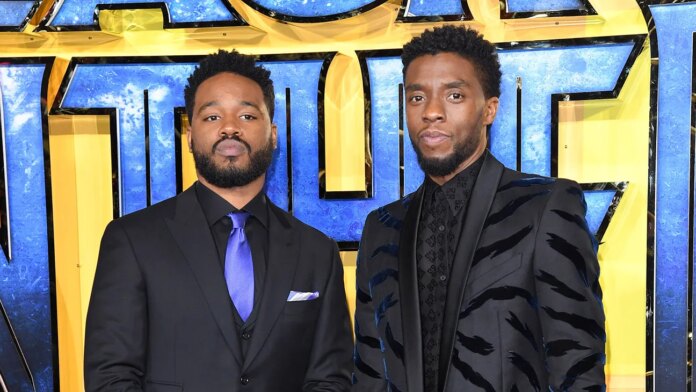
Ryan Coogler’s first meeting with Black Panther star Chadwick Boseman was a literally a surprise. “I was doing press for Creed. And he kinda pulled up, he snuck in, and we sat, and we were feeling each other out,” the Sinnersfilmmaker recently recalled to The Hollywood Reporter.
It was November 2015, just days before Creed’s Thanksgiving release, and there were reports that talks had cooled between the Bay Area filmmaker and Marvel Studios about directing Black Panther. Even so, it seemed Boseman wanted to get to know the filmmaker.
Boseman had already filmed his role as T’Challa, the Black Panther, for the 2016 MCU film Captain America: Civil War. Coogler and Boseman had plenty of common ground, including a connection through Creed star Phylicia Rashad — Boseman’s one-time teacher at Howard University, one of the most storied Historically Black Colleges and Universities (HBCUs), where she famously arranged for Denzel Washington to fund an Oxford acting program Boseman and other students were accepted into.
Fruitvale Station, Coogler’s debut 2013 film starring Michael B. Jordan in his first leading role about Oscar Grant being killed by a transit policeman in the Bay Area in 2009, wasn’t like any Marvel film. But it spoke to a unique experience many Black men shared or feared. Coogler connected with Boseman through a similar incident at Boseman’s alma mater.
“I asked him about a bunch of people who I knew went to Howard at the same time as him,” Coogler recalled. Key among them were Bradford Young, the first Black cinematographer to receive an Oscar nomination, and renowned journalist, author, activist and now Howard professor Ta-Nehisi Coates, whom Coogler counts as “a big brother.” In his then recently released book Between the World and Me, Coates wrote about his friend and Howard classmate Prince Jones whom Boseman also knew who was killed by an off-duty police officer.
As they spoke about Jones and other matters, Boseman told Coogler that he “felt like I could talk to you about things I can’t normally talk to people in this industry about.” Coogler felt the same. As they shook hands, the filmmaker knew he had to work with the 42 star. He just didn’t know it would be on Black Panther. (Soon after Creed became a hit, he and Marvel signed a deal for him to officially direct.)
Coogler shared these memories with THR during a whirlwind trip to D.C. in November, where he allowed seven students crowd into the green room of the historic Howard Theatre to listen in on the interview. He was there to receive the inaugural ‘I Aspire’ Global Impact Award presented in partnership with Howard University’s Chadwick A. Boseman School of Fine Arts during the Cafe Mocha Radio Salute THEM Awards. His appearance also helped kick off the 3rd HBCU First Look Film Festival held on Howard University’s campus, a fest that gained attention when the Obamas screened their Netflix film Rustinduring the festival’s inaugural year.
“I had no idea the work that we would do would impact the world as it did, but crazy enough, he did,” said Coogler, wearing a chain with Boseman’s picture that he would also wear during the Black Panther star’s posthumous Hollywood Walk of Fame ceremony two weeks later. “He would talk about it all the time and I think a lot of it has to do with the time that he spent at Howard. It gave him that specific yet global perspective. Our stories are global stories. They’re for us but, when told well, everybody can enjoy them(L-R) Hugo Soto-Martínez, Derrick Boseman, Ryan Coogler, Taylor Simone Ledward, Kevin Boseman, Viola Davis, Jerry Neuman and Steven Nissen at Chadwick Boseman’s walk of fame ceremony in November.
Coogler credited Boseman, who also starred in Marshall as Howard University Law School alum and first Black Supreme Court Justice Thurgood Marshall months before their culture-changing Wakanda phenomenon, for helping “to shape me and define the man and the artist that I’ve become in these past few years.”
Coogler’s stop came amid a particularly busy time. He had to leave immediately after accepting his award to catch a flight to London to promote Sinners with his stars Michael B. Jordan and Miles Caton.
On the red carpet outside the historic Howard Theatre — where Duke Ellington, Billie Holiday, Louis Armstrong, James Brown (whom Boseman portrayed in Get On Up in 2014) and Aretha Franklin once performed — Coogler spoke with HBCU press and took selfies with filmmakers. Inside, he met with Raquel Monroe, Dean of the Chadwick A. Boseman School of Fine Arts who helped present his award, and some of her Boseman Fine Arts students
“I remember being a new kid with a short and a lot of energy, more than I have now, just looking for myself, looking for my community, looking for a way into the industry,” Coogler said.
Encouragement from classmates, family and friends pushed him to keep going in those early years.
Going into Sinners after Black Panther: Wakanda Forever, however, he said he had “less doubt” than on previous projects, but still had “a lot of doubt.”
Explaining his optimistic trepidation for his fifth film, which has received six Golden Globe nominations, including his first best director nod, he got vulnerable: “All my other jobs it felt like a ‘if it doesn’t work, I’ll never work in this town again’ kind of thing and a pressure that was maybe irrational, but maybe also possible. There was a lot of high potential for failure on all those projects. If they didn’t work, [I had] the fear of what that could mean for my future in this business. Whereas with Sinners, I wasn’t thinking like that no more because I had made quite a bit of movies.”
Something happened with his latest film that he didn’t expect. “On Sinners, I felt like it was my actual job. I didn’t feel that I was getting over on somebody,” he said with a laugh. “The imposter syndrome was a little bit lessened.”
Although Coogler’s personal connection to his great uncle James from Mississippi who loved the blues has been reported as inspiring Sinners, Coogler has a personal connection with his previous films as well. Creed is inspired by the ritual of his father watching Rocky films with his own mother as a kid and continuing that tradition with his own kids. Coogler became familiar with Black Panther frequenting comic book shops in his youth. That personal perspective, he shared with the students, is essential to filmmaking.
“Because the work is so hard, you can’t come from an outside place, or the audience will feel it or you’ll just give up. Because when it gets hard, it’s like, ‘Why am I even doing this?’ So, yeah, that was the technique I learned in film school and I kind of kept rolling with that,” he explained.
Coogler also shared how his own leap of faith has emboldened him as he preps to make his second Black Panther sequel. “Sinners has taught me a lot about process, a lot about myself and a lot about my crew and these are lessons you can’t take for granted. As a filmmaker, you got to take the lessons into each new project,” he advised. “That’s how you can continue to grow and continue to push it forward.”
And later on at the podium as he accepted his award, he assured the filmmakers in the audience “the world needs your perspective.” Reflecting on his time with Boseman, who passed away of cancer at just age 43 in 2020, he also urged them “to just cherish each other, cherish those times you spend on set.”
Transforming urban spaces into intelligent environments!
Introduction
Smart cities are urban areas that utilize various types of electronic data collection sensors to supply information which is then used to manage assets, resources, and services efficiently. As technology advances, Artificial Intelligence (AI) is playing a crucial role in developing these intelligent urban spaces.
The Role of AI in Smart Cities
AI technologies are being leveraged to address a myriad of urban challenges. Here are some key areas where AI is making a significant impact:
Traffic Management: AI-powered algorithms analyze traffic patterns in real-time, optimizing traffic lights and reducing congestion.
Public Safety: AI systems assist surveillance in detecting unusual activities and improving emergency response times.
Energy Efficiency: Smart grids use AI to predict energy demand and efficiently manage distribution to minimize waste.
Waste Management: Smart bins equipped with sensors communicate fill levels, enabling optimized waste collection routes.
Healthcare Improvements: AI algorithms can analyze health data to improve citywide healthcare services and epidemic response.
Benefits of AI in Urban Living
The integration of AI into urban environments brings numerous benefits:
Improved Quality of Life: Enhanced public services lead to a more convenient, comfortable living environment.
Cost Efficiency: Automating city management can significantly reduce operational costs for municipalities.
Community Engagement: AI can facilitate better communication between citizens and city officials through platforms and applications.
Challenges Ahead
Despite the promising outlook, the development of smart cities using AI is not without challenges:
Data Privacy: Collecting data from citizens raises concerns regarding privacy and the security of that data.
Technology Equity: Ensuring that all citizens have access to AI technologies remains a critical issue.
Infrastructure Costs: Upgrading existing infrastructures to support smart technologies can be financially burdensome.
Conclusion
AIs integration into urban living heralds a new era of smart cities designed to enhance the quality of life while promoting sustainability. While challenges exist, the potential rewards are significant. As more cities embrace this technology, the future of urban living looks brighter and smarter.
A deadly, drug-resistant fungus already spreading rapidly through U.S. hospitals is becoming even more threatening worldwide, though there may be hope for new treatments, according to a new scientific review.
Candida auris (C. auris), often described as a “superbug fungus,” is spreading globally and increasingly resisting human immune systems, Hackensack Meridian Center for Discovery and Innovation (CDI) researchers said in a review published in early December.
The findings reinforce prior CDC warnings that have labeled C. auris an “urgent antimicrobial threat” — the first fungal pathogen to receive that designation — as U.S. cases have surged, particularly in hospitals and long-term care centers.
Approximately 7,000 cases were identified across dozens of U.S. states in 2025, according to the CDC, and it has reportedly been identified in at least 60 countries.
Candida auris is a drug-resistant fungus spreading in hospitals worldwide. (Nicolas Armer/Picture Alliance via Getty Images)
The review, published in Microbiology and Molecular Biology Reviews, helps explain why the pathogen is so difficult to contain and warns that outdated diagnostics and limited treatments lag behind. It was conducted by Dr. Neeraj Chauhan of the Hackensack Meridian CDI in New Jersey, Dr. Anuradha Chowdhary of the University of Delhi’s Medical Mycology Unit and Dr. Michail Lionakis, chief of the clinical mycology program at the National Institutes of Health.
Their findings stress the need to develop “novel antifungal agents with broad-spectrum activity against human fungal pathogens, to improve diagnostic tests and to develop immune- and vaccine-based adjunct modalities for the treatment of high-risk patients,” the researchers said in a statement.
“In addition, future efforts should focus on raising awareness about fungal disease through developing better surveillance mechanisms, especially in resource-poor countries,” they added. “All these developments should help improve the outcomes and prognosis of patients afflicted by opportunistic fungal infections.”
Candida auris can survive on skin and hospital surfaces, allowing it to spread easily. (iStock)
First identified in 2009 from a patient’s ear sample in Japan, C. auris has since spread to dozens of countries, including the U.S., where outbreaks have forced some hospital intensive care units to shut down, according to the researchers.
The fungus poses the greatest risk to people who are already critically ill, particularly those on ventilators or with weakened immune systems. Once infected, about half of patients may die, according to some estimates.
Unlike many other fungi, C. auris can survive on human skin and cling to hospital surfaces and medical equipment, allowing it to spread easily in healthcare settings.
“It is resistant to multiple antifungal drugs, and it tends to spread in hospital settings, including on equipment being used on immunocompromised and semi-immunocompromised patients, such as ventilators and catheters,” Dr. Marc Siegel, Fox News senior medical analyst and clinical professor of medicine at NYU Langone, previously told Fox News Digital.
Scientists say the unique cell wall structure of C. auris makes it harder to kill. (iStock)
It is also frequently misdiagnosed, delaying treatment and infection control measures.
“Unfortunately, symptoms such as fever, chills and aches may be ubiquitous, and it can be mistaken for other infections,” Siegel said.
In September, he said intense research was ongoing to develop new treatments.
Only four major classes of antifungal drugs are currently available, and C. auris has already shown resistance to many of them. While three new antifungal drugs have been approved or are in late-stage trials, researchers warn that drug development has struggled to keep pace with the fungus’s evolution.
Despite the sobering findings, there is still room for cautious optimism.
The fungus can cling to skin and hospital surfaces, aiding its spread. (iStock)
In separate research published in December, scientists at the University of Exeter in England discovered a potential weakness in C. auris while studying the fungus in a living-host model.
The team found that, during infection, the fungus activates specific genes to scavenge iron, a nutrient it needs to survive, according to their paper, published in the Nature portfolio journal Communications Biology in December.
Because iron is essential for the pathogen, researchers believe drugs that block this process could eventually stop infections or even allow existing medications to be repurposed.
“We think our research may have revealed an Achilles’ heel in this lethal pathogen during active infection,” Dr. Hugh Gifford, a clinical lecturer at the University of Exeter and co-author of the study, said in a statement.
New research is underway to develop better treatments and diagnostics for C. auris. (iStock)
As researchers race to better understand the fungus, officials warn that strict infection control, rapid detection and continued investment in new treatments remain critical.
AI and Climate Change: Tackling Earth’s Greatest Challenges
Climate change is one of the most pressing issues facing humanity today. As the planet warms and weather patterns shift, the impact on ecosystems and human societies is profound. However, advancements in artificial intelligence (AI) present new opportunities for tackling these challenges in innovative ways.
Understanding the Intersection of AI and Climate Change
AI technologies are becoming invaluable tools in our fight against climate change. By analyzing large datasets and identifying patterns, AI can help us understand climate dynamics, predict future trends, and develop effective mitigation strategies. Here’s how:
Data Analysis: AI can process vast amounts of climate data from satellites, sensors, and models, providing insights that human analysts might miss.
Energy Efficiency: AI systems can optimize energy use in buildings and industries, reducing carbon footprints and saving costs.
Climate Prediction: Advanced algorithms can improve weather forecasts and climate models, helping policymakers make informed decisions.
Renewable Energy Management: AI can enhance the integration of renewable energy sources into our grids, ensuring stability and efficiency.
Real-World Applications of AI in Combating Climate Change
Several organizations and governments are already leveraging AI technologies to combat climate change:
Smart Grids: AI is being used in smart grids to manage electricity distribution efficiently, balancing supply and demand effectively.
Precision Agriculture: AI-driven tools help farmers use resources more efficiently, reducing waste and ultimately lowering emissions related to agriculture.
Wildfire Detection: Machine learning algorithms can analyze weather and environmental data to detect potential wildfire risks before they become disasters.
Biodiversity Monitoring: AI can analyze images and sounds from natural habitats, aiding conservation efforts by identifying species and monitoring ecosystems.
The Challenges Ahead
Despite the promising potential of AI in addressing climate challenges, several hurdles remain:
Data Quality: The effectiveness of AI is heavily dependent on the quality and availability of climate data.
Bias and Ethics: AI systems can perpetuate biases, so careful consideration is necessary to ensure fair outcomes.
Implementation Costs: High upfront costs can be a barrier for widespread adoption of AI technologies, especially in developing countries.
Conclusion
The intersection of AI and climate change offers a beacon of hope in addressing one of mankind’s greatest challenges. By leveraging advanced technologies, we can not only enhance our understanding of climate dynamics but also develop innovative solutions to mitigate and adapt to changes. However, it is crucial to address the challenges that accompany these technologies to ensure they serve all of humanity equitably and effectively. The journey ahead demands collaboration across sectors and borders, harnessing the power of AI for a sustainable future.
Continue visiting our website for more information
Websites store cookies to enhance functionality and personalise your experience. You can manage your preferences, but blocking some cookies may impact site performance and services.
Essential cookies enable basic functions and are necessary for the proper function of the website.
Name
Description
Duration
Cookie Preferences
This cookie is used to store the user's cookie consent preferences.
30 days
These cookies are needed for adding comments on this website.
Name
Description
Duration
comment_author
Used to track the user across multiple sessions.
Session
comment_author_email
Used to track the user across multiple sessions.
Session
comment_author_url
Used to track the user across multiple sessions.
Session
These cookies are used for managing login functionality on this website.
Name
Description
Duration
wordpress_logged_in
Used to store logged-in users.
Persistent
wordpress_sec
Used to track the user across multiple sessions.
15 days
wordpress_test_cookie
Used to determine if cookies are enabled.
Session
Statistics cookies collect information anonymously. This information helps us understand how visitors use our website.
Google Analytics is a powerful tool that tracks and analyzes website traffic for informed marketing decisions.
Contains information related to marketing campaigns of the user. These are shared with Google AdWords / Google Ads when the Google Ads and Google Analytics accounts are linked together.
90 days
__utma
ID used to identify users and sessions
2 years after last activity
__utmt
Used to monitor number of Google Analytics server requests
10 minutes
__utmb
Used to distinguish new sessions and visits. This cookie is set when the GA.js javascript library is loaded and there is no existing __utmb cookie. The cookie is updated every time data is sent to the Google Analytics server.
30 minutes after last activity
__utmc
Used only with old Urchin versions of Google Analytics and not with GA.js. Was used to distinguish between new sessions and visits at the end of a session.
End of session (browser)
__utmz
Contains information about the traffic source or campaign that directed user to the website. The cookie is set when the GA.js javascript is loaded and updated when data is sent to the Google Anaytics server
6 months after last activity
__utmv
Contains custom information set by the web developer via the _setCustomVar method in Google Analytics. This cookie is updated every time new data is sent to the Google Analytics server.
2 years after last activity
__utmx
Used to determine whether a user is included in an A / B or Multivariate test.
18 months
_ga
ID used to identify users
2 years
_gali
Used by Google Analytics to determine which links on a page are being clicked
30 seconds
_ga_
ID used to identify users
2 years
_gid
ID used to identify users for 24 hours after last activity
24 hours
_gat
Used to monitor number of Google Analytics server requests when using Google Tag Manager