
Home Blog Page 100

What We Really Know About Machine Learning Today

Unmasking AI: What We Really Know About Machine Learning Today

As artificial intelligence (AI) continues to permeate our daily lives, it’s essential to peel back the layers and understand what machine learning (ML) truly entails. This article explores the basic concepts, current capabilities, challenges, and the future of machine learning.

Understanding Machine Learning

Machine learning is a subset of AI that relies on statistical techniques to enable systems to improve with experience. ML involves algorithms that can identify patterns within data, allowing computers to make predictions or decisions without explicit programming.

Key Types of Machine Learning

  • Supervised Learning: The model is trained on labeled data, where the outcome is known. Examples include regression and classification tasks.
  • Unsupervised Learning: The model works with unlabeled data to discover hidden patterns. Clustering and association are common techniques.
  • Reinforcement Learning: The model learns by interacting with an environment, receiving rewards or punishments based on its actions.

Current Capabilities of Machine Learning

Machine learning has made remarkable strides in various fields, showcasing its versatility and potential. Some notable applications include:

1. Image and Speech Recognition

Technologies such as facial recognition software and virtual assistants use ML algorithms to accurately interpret images and spoken language.

2. Natural Language Processing

ML is at the heart of advancements in natural language processing, enabling machines to understand, interpret, and generate human language.

3. Predictive Analytics

From personalizing marketing strategies to predicting patient outcomes in healthcare, ML algorithms analyze large datasets to forecast future trends.

Challenges Facing Machine Learning

Despite its promise, machine learning faces several significant challenges:

1. Data Quality and Quantity

High-quality, well-labeled data is crucial for effective ML outcomes. Inadequate datasets can result in biased models.

2. Algorithmic Bias

Models can inadvertently learn and reflect societal biases present in their training data, leading to unfair or discriminatory outcomes.

3. Interpretability

Many complex ML models operate as “black boxes,” making it difficult for users to understand how they make decisions.

The Future of Machine Learning

The future of machine learning holds immense potential, with advances in areas like:

1. Improved Interpretability

Research is being conducted to enhance the transparency of ML algorithms, aiming to make them more understandable and trustworthy.

2. Generalized AI

Efforts are ongoing to create models that can generalize knowledge across different tasks, resembling human-like learning.

Conclusion

As we continue to explore the vast capabilities of machine learning, understanding its fundamentals, applications, and challenges is crucial for harnessing its potential responsibly. AI is not just a buzzword; it is a transformative technology poised to redefine our future.

For further reading on machine learning, visit OpenAI Research.

Exploring Emotional Intelligence in Machines

Can AI Learn Empathy? Exploring Emotional Intelligence in Machines

In recent years, the rapid advancements in artificial intelligence (AI) have prompted discussions about the potential for machines to understand and even emulate human emotions. One of the most debated concepts in this realm is empathy, a cornerstone of emotional intelligence. But can AI truly learn empathy? This article aims to explore the complex intersection of AI and emotional intelligence, shedding light on what it means for machines to ‘feel’ and the implications of this development.

What Is Empathy?

Empathy is the ability to understand and share the feelings of another. It encompasses two key components: cognitive empathy, which involves understanding another’s perspective, and emotional empathy, which involves sharing in their emotional experience. This duality plays a crucial role in social interactions, making it essential for effective communication and deepening interpersonal relationships.

The State of AI and Emotional Intelligence

To gauge whether AI can learn empathy, we must first evaluate its current capabilities. Modern AI systems are designed to analyze vast amounts of data, identify patterns, and respond with pre-programmed answers. For instance, chatbots can simulate empathetic responses by recognizing keywords and context. However, this is far from genuine emotional understanding.

Cognitive vs. Emotional Empathy in AI

While AI can be programmed to recognize emotions through sentiment analysis, it primarily demonstrates cognitive empathy. This means that AI can assess a user’s emotional state based on input data and respond accordingly. However, it lacks the ability to genuinely experience emotions, making emotional empathy—reactively sharing in someone’s feelings—beyond its grasp.

Can AI Develop Emotional Intelligence?

Researchers have been exploring ways for AI to enhance its emotional intelligence. This includes improving algorithms that allow machines to read vocal tones, facial expressions, and even physiological signals. Some advancements suggest that by utilizing machine learning, AI can become better at predicting human emotional responses, but whether this truly equates to understanding remains contentious.

The Role of Data and Training

AI systems can be trained on vast datasets that include human emotional responses to various scenarios. By analyzing these reactions, AI can learn to identify appropriate responses. However, these responses are ultimately based on statistical patterns rather than authentic emotional connections.

Ethical Implications

The question of whether AI can learn empathy goes beyond technological capabilities. It raises ethical concerns about manipulation and trust. If AI systems convincingly simulate empathy, how might this affect human interactions? Would people begin to rely on machines for emotional support rather than seeking it from fellow humans?

Conclusion

As of now, AI cannot genuinely learn or feel empathy. While it can be trained to recognize and react to emotional cues, the lack of genuine emotional experience makes it fundamentally different from human empathy. The exploration of emotional intelligence in machines continues to evolve, suggesting a future where AI might play an increasingly significant role in emotional landscapes but always as a reflection rather than a replacement for human connection.

As we continue to innovate and integrate AI into our daily lives, it remains crucial to approach these developments with a combination of optimism and caution, ensuring we maintain our own human empathy along the way.

For more insights on technology and society, visit Tech Insights.

Important Funds for Mental Health and Addiction Programs Are Cut by the Trump Administration

A demonstrator holds a sign during International Overdose Awareness in New York City.

Erik McGregor/LightRocket via Getty Images/LightRocket

hide caption

toggle caption

Erik McGregor/LightRocket via Getty Images/LightRocket

The Trump administration sent shockwaves through the U.S. mental health and drug addiction system late Tuesday, sending hundreds of termination letters, effective immediately, for federal grants supporting health services.

“We are definitely looking at severe loss of front-line capacity,” said Andrew Kessler, head of Slingshot Solutions, a consultancy firm that works with mental health and addiction groups nationwide. “[Programs] may have to shut their doors tomorrow.”

Kessler said he has reviewed numerous grant termination letters from “Salt Lake City to El Paso to Detroit, all over the country.”

Ryan Hampton, the founder of Mobilize Recovery, a national advocacy nonprofit for people in and seeking recovery, told NPR his group lost roughly $500k “overnight.”

“Waking up to nearly $2 billion in grant cancellations means front-line providers are forced to cease overdose prevention, naloxone distribution, and peer recovery services immediately, leaving our communities defenseless against a raging crisis,” Hampton said. “This cruelty will be measured in lives lost, as recovery centers shutter and the safety net we built is slashed overnight. We are witnessing the dismantling of our recovery infrastructure in real-time, and the administration will have blood on its hands for every preventable death that follows.”

Copies of the letter sent to two different organizations and reviewed by NPR signal that SAMHSA officials no longer believe the defunded programs align with the Trump administration’s priorities.

The letter points to efforts to reshape the national health system in part by restructuring SAMHSA’s grant program, which “includes terminating some of its … awards.”

According to the letter, grants are terminated as adding that “costs resulting from financial obligations incurred after termination are not allowable.”

The National Association of County Behavioral Health and Developmental Disability Directors sent a letter to members saying it believes “over 2,000 grants [nationwide] with a total of more than $2 billion” are affected. The group said it’s still working to understand the “full scope” of the cuts.

This move comes on top of deep Medicaid cuts, passed last year by the Republican-controlled Congress, which affect numerous mental health and addiction care providers.

Kessler told NPR he’s hearing alarm from care providers nationwide that the safety net for people experiencing an addiction or mental health crisis could unravel.

“In the short term, there’s going to be severe damage. We’re going to have to scramble,” he said.

Regina LaBelle, a Georgetown University professor who served as acting head of the Office of National Drug Control Policy during the Biden administration, said the SAMHSA grants pay for life saving services.

“From first responders to drug courts, continued federal funding quite literally save lives,” LaBelle said. “The overdose epidemic has been declared a public health emergency and overdose deaths are decreasing. This is no time to pull critical funding.”

Requests for comment from SAMHSA and the Department of Health and Human Services were not immediately returned.

Get the information, on our website

124 New Infections Reported

At least 124 new measles cases have been reported in South Carolina since last Friday, health officials said.

This brings the total number of cases in the outbreak to 434. There are currently over 400 people in quarantine.

South Carolina has been facing a measles outbreak since early October, with the majority of cases in Spartanburg County, which borders North Carolina.

Over the last few days, health departments in Georgia, Oregon and Virginia reported their states’ first measles cases of 2026.

It comes as the United States recorded its highest number of measles cases since 1992. Last year, the U.S. saw 2,144 cases, with illnesses reported in 44 states.

A sign is seen outside a clinic with the South Plains Public Health District, Feb. 23, 2025, in Brownfield, Texas.

Julio Cortez/AP

Nearly 50 outbreaks occurred last year nationally, compared to 16 in 2024, and just four in 2023, CDC data shows. Almost 90% of cases were associated with outbreaks.

At least three deaths were recorded in 2025, including two among unvaccinated school-aged children in Texas and one among an unvaccinated adult in New Mexico, marking the first U.S. deaths from measles in a decade.

The CDC currently recommends that people receive two doses of the MMR vaccine, the first at ages 12 to 15 months and the second between 4 and 6 years old. One dose is 93% effective, and two doses are 97% effective against measles, the CDC says.

In 2025, 93% of cases occurred among those who were unvaccinated or whose vaccination status was unknown. The remaining 3% were among people who received one dose and 4% among those who received the recommended two doses.

CDC data shows vaccination rates have been lagging in recent years. During the 2024-2025 school year, 92.5% of kindergartners received the MMR vaccine, according to data. This is lower than the 92.7% seen in the previous school year and the 95.2% seen in the 2019-2020 school year, before the COVID-19 pandemic.

ABC News’ Youri Benadjaoud contributed to this report.

For more inforamtion,keep on visiting our website

Solutions for a Sustainable Future

Climate change is one of the most pressing issues facing our planet. The increase in global temperatures, extreme weather events, and rising sea levels demand urgent action. Artificial Intelligence (AI) has emerged as a powerful tool in the fight against climate change, offering innovative solutions and strategies for a sustainable future. This article explores the various roles of AI in addressing climate challenges and promoting environmental sustainability.

1. Climate Modeling and Prediction

AI algorithms can analyze vast datasets to improve climate models, leading to more accurate predictions of climate patterns and extreme events. For instance, machine learning techniques can process historical weather data and satellite imagery to anticipate the impact of climate change on local environments.

2. Energy Efficiency and Management

AI plays a pivotal role in optimizing energy consumption across sectors. Smart grids powered by AI can dynamically balance energy loads, reducing waste and ensuring efficient energy distribution. Additionally, AI-driven systems can manage energy use in buildings by analyzing usage patterns and adjusting heating, cooling, and lighting accordingly.

3. Renewable Energy Integration

AI technologies can enhance the integration of renewable energy sources, such as solar and wind. By leveraging AI for real-time forecasting and demand response, energy providers can better manage intermittent energy supplies, ultimately increasing the reliability and efficiency of renewable sources.

4. Sustainable Agriculture

In agriculture, AI applications help to optimize crop yields while minimizing environmental impact. Machine learning algorithms can analyze soil conditions, weather forecasts, and crop health to provide farmers with tailored recommendations for irrigation, fertilization, and pest management.

5. Monitoring and Mitigation

AI can facilitate the monitoring of greenhouse gas emissions and deforestation through satellite imagery and drone technology. These tools can detect changes in land use, track emissions sources, and provide actionable insights for policymakers to implement effective mitigation strategies.

6. Circular Economy and Waste Management

AI technologies can also contribute to a circular economy by optimizing recycling processes and waste management. By using AI to sort and process recyclable materials more efficiently, we can reduce landfill waste and promote sustainable consumption practices.

Conclusion

The integration of AI in climate change efforts offers unprecedented potential for creating a sustainable future. By harnessing the power of advanced technologies, we can develop innovative solutions to enhance efficiency, reduce emissions, and protect our environment. Collaboration among governments, businesses, and research institutions is essential to fully realize the benefits of AI in the pursuit of environmental sustainability.

Additional relevant updates

The Impact of AI on Daily Life

Personal Assistants to Autonomous Vehicles: The Impact of AI on Daily Life

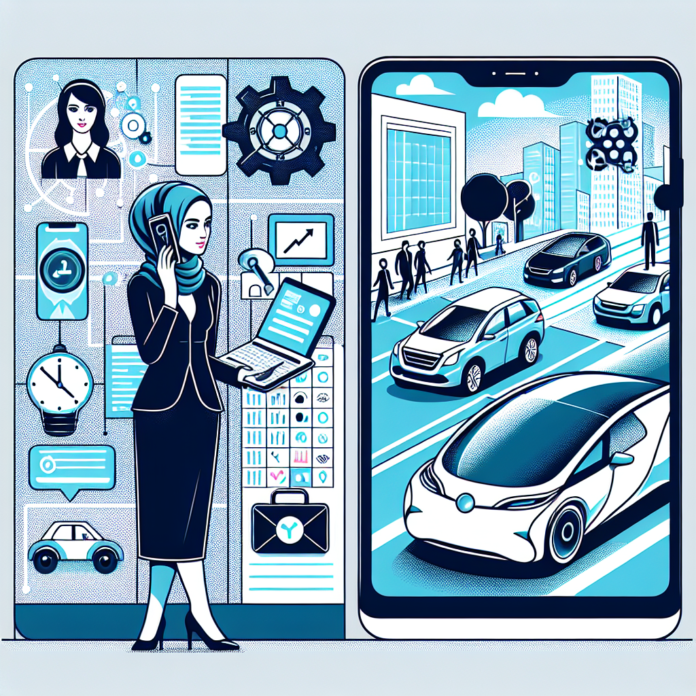
Artificial Intelligence (AI) has revolutionized the way we interact with technology, particularly in the realm of personal assistants and autonomous vehicles. These innovations not only enhance convenience but also significantly reshape our daily routines and societal norms.

The Rise of Personal Assistants

Voice-activated personal assistants like Amazon’s Alexa, Apple’s Siri, and Google Assistant have become ubiquitous in many households. They serve various functions that streamline our daily lives:

  • Scheduling and Reminders: Personal assistants can schedule meetings, set reminders, and even create to-do lists, allowing individuals to manage their time more effectively.
  • Smart Home Integration: They control smart home devices such as lights, thermostats, and security systems, providing users with enhanced comfort and energy efficiency.
  • Information Retrieval: Personal assistants can answer queries, provide news updates, and offer personalized recommendations, making information more accessible.

Autonomous Vehicles: The Future of Transportation

As AI technology advances, autonomous vehicles (AVs) are becoming a reality. These vehicles promise to transform how we think about transportation and commuting:

  • Safety Enhancements: Autonomous vehicles aim to reduce accidents caused by human error, which accounts for a significant percentage of traffic incidents.
  • Increased Accessibility: AVs can provide mobility solutions for individuals unable to drive, such as the elderly or disabled.
  • Traffic Efficiency: With their ability to communicate with each other and navigate routes intelligently, AVs could significantly decrease congestion on roads.

Integration of AI in Daily Life

The integration of AI technologies, from personal assistants to autonomous vehicles, is set to alter daily life dramatically:

  • Enhanced Productivity: By automating routine tasks, both personal assistants and AVs can free up time for individuals to focus on more complex and creative endeavors.
  • Personalized Experiences: AI can learn user preferences over time, tailoring interactions to meet specific needs and providing a more personalized experience.
  • Societal Change: The widespread adoption of AI in tools and transportation could shift societal norms, influencing where people choose to live and work.

Challenges and Considerations

Despite the promising advancements, the incorporation of AI into personal life poses several challenges:

  • Privacy Concerns: With personal data being the backbone of AI’s functionality, privacy remains a significant concern for users.
  • Job Displacement: Automation could potentially replace jobs, necessitating a reevaluation of workforce training and employment strategies.

Ethical Dilemmas: Autonomous vehicles raise ethical questions about decision-making in critical situations, such as accident avoidance.

Conclusion

As personal assistants and autonomous vehicles become increasingly integrated into daily life, they represent a convergence of technology that enhances convenience and efficiency. However, careful consideration of the accompanying ethical, privacy, and employment issues will be vital in ensuring a balanced and equitable future where technology serves humanity positively.

More related updates, Click Here

Foo Fighters, Lorde, and LCD at BottleRock

Foo Fighters, Lorde and LCD Soundsystem will share headlining duties with the more pop-oriented Backstreet Boys, Teddy Swims and sombr at the 2026 edition of California’s BottleRock Napa Valley festival. The event will take place Memorial Day weekend (May 22-24) at Napa Valley Expo, with tickets now available.

Among the dozens of other artists confirmed to appear across a wide spectrum of genres are Lil Wayne, Zedd, Ludacris, Rilo Kiley, Busta Rhymes, Joan Jett and the Blackhearts, Kool & the Gang, Del Water Gap, Tom Morello, Mt. Joy, BigXthaPlug, Men at Work, Cut Copy, Natasha Bedingfield, Chaka Khan, Larkin Poe, Charlotte Lawrence, Arrested Development and Run-D.M.C.’s Rev. Run.

More from Spin:

The festival will also reprise its Williams Sonoma-branded culinary stage, which brings together chefs, celebrities and festival performers for irreverent cooking demonstrations.

BottleRock Napa Valley is set to deliver another unforgettable music experience with a powerful lineup featuring Foo Fighters, Lorde, and LCD Soundsystem. The announcement has sparked excitement among fans, solidifying BottleRock’s reputation as one of the most anticipated music festivals of the year.

The Foo Fighters bring their signature high-energy rock performances and decades of chart-topping hits, making them a major draw for festivalgoers. Known for electrifying live shows and crowd connection, the band’s presence guarantees a powerful headlining moment.

Adding a contrasting yet equally compelling sound, Lorde offers a more introspective and genre-blending experience. Her critically acclaimed music, emotional depth, and artistic evolution continue to resonate with fans across generations, making her set one of the most anticipated performances of the festival.

Rounding out the star-studded lineup, LCD Soundsystem delivers dance-driven beats fused with alternative and electronic influences. Renowned for turning live shows into immersive dance experiences, the band adds a vibrant, late-night festival energy that perfectly complements the lineup.

BottleRock’s ability to unite rock, pop, and electronic influences highlights its broad musical appeal. Beyond the music, the festival is celebrated for its Napa Valley setting, culinary experiences, and laid-back yet energetic atmosphere.

For LCD Soundystem, this is the James Murphy-led group’s first announced U.S. festival appearance of the year and will follow a March 5-8 run at Chicago’s Aragon Ballroom. The band spent significant time in 2025 working on its first studio album since 2017’s American Dream, but no release date has been announced.

To see our running list of the top 100 greatest rock stars of all time, click here.J
Join our website for cool news and cool tips

Myanmar’s Election Day in a Ghost Town

REPORTER’S NOTEBOOK

Hpapun was once a bustling town with its own airport. Now it’s empty and Sunday’s election there is meaningless amid ongoing fighting between the army and rebel groups.

The town of Hpapun was once a bustling regional hub with banks, regional government offices, and stores that supplied the surrounding valleys.

It even had its own airport, which was particularly useful in this remote corner of eastern Myanmar.

The ruling military government say Hpapun will be part of the second phase of voting when the general election resumes this Sunday, after the first phase at the end of December.

The only problem: Hpapun is actually a ghost town.

On the walls of the police station, a sign asks helpfully, “Can We Help You?” in English. But just inside the gate, a white skull and crossbones on a red background warns of landmines planted inside.

When Al Jazeera visited Hpapun several weeks ago, not a single soul remained in the town, and all the businesses and homes had been either burned, bombed or reclaimed by the jungle.

Some voting will take place inside the Tactical Command post about 10km (6 miles) down the road. But anyone wanting to cast their ballot will have to get past landmines, booby traps and about 800 government soldiers, who have been under siege since 2024.

Tin Oo, commander of the People’s Defence Force, a rebel group trying to push the government out of the area [Tony Cheng/ Al Jazeera]

“The military junta’s upcoming election is a sham. It’s a staged, fake election designed to maintain the power they have stolen,” says Tin Oo, commander of the People’s Defence Force, one of the groups of fighters currently trying to clear government forces out of the area.

And at least 3.5 million voters across Myanmar won’t be able to vote because they’ve been forced from their homes by fighting in the civil war.

Aye Thu Zar fled from her village, Pazun Myaung, two months ago after it was hit by air strikes from government fighter jets. Now she and her son Moe live in a community of 150 other displaced people on the banks of the Sittang river, surviving on what she ekes out of the land. There are no relief agencies operating here offering handouts of shelter or food.

“No, I’m not voting,” she told me, sitting in the bamboo hut she now calls home. “I don’t know. I haven’t heard anything about it. We live in a remote area, so we don’t know about the election.”

Overgrowth outside an office of the National League for Democracy, of Nobel Peace Prize winner Aung San Suu Kyi, who is now under house arrest [Tony Cheng/ Al Jazeera]

Just two hours’ drive away in Yangon, Myanmar’s most populated city, security is light and the civil war feels far away. Many of the country’s urban areas voted in the first phase of the election on December 28. After the second phase on Sunday, a third phase will take place on January 25 before final results are declared.

But with military-backed parties the only option on the ballot paper, many voters simply didn’t show up in cities like Yangon, and while official figures are yet to be released, local election officials told Al Jazeera that the turnout could be as low as 35 percent.

None of these problems seems to be troubling the pro-military Union Solidarity and Development Party (USDP), however. They’ve already been named as the easy winners in the first phase, with 89 out of 102 lower seats won, and it seems likely they will emerge as the winners when the outcome is announced at the end of the month.

That will be no surprise to the retired generals leading the party – nor to the rest of Myanmar.

Keep checking our website for additional details

Innovations in Smart and Sustainable Cities

Smart Cities and AI: Building Tomorrow’s Urban Landscapes

As urban populations continue to swell, the concept of Smart Cities is becoming increasingly vital in addressing modern-day challenges. A Smart City integrates digital technology and artificial intelligence (AI) to enhance quality of life, streamline urban services, and improve sustainability. This article explores how AI is revolutionizing urban landscapes and what the future holds for Smart Cities.

The Role of AI in Smart Cities

AI plays a crucial role in several aspects of Smart City development, including:

  • Traffic Management: AI algorithms can analyze traffic patterns in real time, optimizing traffic lights and reducing congestion.
  • Energy Efficiency: Smart grids powered by AI reduce energy consumption by predicting demand and utilizing renewable energy sources efficiently.
  • Public Safety: AI enhances security through surveillance systems that use facial recognition and anomaly detection to respond rapidly to incidents.
  • Waste Management: AI-driven sensors in waste containers can notify sanitation departments when they are full, optimizing collection routes and schedules.
  • Health Services: AI can facilitate telemedicine and predictive analytics in health services, improving accessibility and treatment outcomes.

Benefits of Smart Cities

The implementation of AI in Smart Cities offers a multitude of benefits:

  • Enhanced Quality of Life: Smart technologies create safer and more efficient urban environments, improving residents’ overall experiences.
  • Environmental Sustainability: AI optimizes resource management, leading to reduced waste and lower carbon emissions.
  • Economic Growth: Smart Cities attract businesses and create jobs in tech sectors while enhancing urban infrastructure.
  • Community Engagement: Technology platforms foster collaboration between citizens and local governments, promoting participatory planning and decision-making.

Challenges Ahead

Despite the potential, the road to becoming a Smart City is fraught with challenges:

  • Data Privacy: The extensive use of data raises concerns about privacy and the security of personal information.
  • Digital Divide: Not all communities have equal access to technology, leading to disparities that can hinder progress.
  • Infrastructure Cost: The initial investment in smart technology can be prohibitive for some cities, requiring creative funding solutions.
  • Interoperability: Different systems and technologies need to work together seamlessly for optimal functionality.

The Future of Urban Landscapes

As cities around the globe lean into the Smart City model, the future of urban living looks promising. With continuous advancements in AI and other technologies, cities can become more livable, resilient, and connected. Collaboration between governments, private sectors, and citizens will be essential to create truly inclusive Smart Cities that address the challenges of a rapidly evolving world.

In conclusion, Smart Cities powered by AI are not just a luxury; they are a necessity for sustainable urban development. By harnessing technology, cities can become more innovative, efficient, and adaptive to the needs of their inhabitants, paving the way for a brighter future.

For more information, Continue to visit our website

Key Strategies for Standing Out in Hiring by 2026

Around 80% of workers feel unprepared for the job hunt in 2026, new LinkedIn research finds.

Filadendron | E+ | Getty Images

Artificial intelligence could be something of a game changer for recruiters as firms continue to be inundated with job applications, according to one LinkedIn executive.

Janine Chamberlin, LinkedIn’s U.K. country manager, told CNBC Make It in an interview that AI will be a “critical part of how hiring is done in 2026,” as it speeds up processes.

“Last year was the year of experimentation and companies and professionals taking their first steps. 2026 is the year of more widespread adoption of AI tools, particularly in hiring,” she said.

AI can help recruiters speed up manual tasks such as going through very high volumes of applications and sifting through resumes and cover letters to find the right skills for a job.

“We’ve heard from 60% of recruiters that AI is helping them to find what they would call a ‘hidden gem’ talent — so people that they would have, in their manual search, overlooked, but actually AI is surfacing that as a candidate that is a good match for a specific job, because it can look very specifically at those skills so critically important to do it well,” Chamberlin said.

The job market has been rough for both employers and professionals as widespread layoffs dominate headlines and professionals face intense competition for jobs.

Over 1 million job cuts were announced in the U.S. in 2025, the highest level since the Covid-19 pandemic in 2020, according to data from consulting firm Challenger, Gray & Christmas.

Meanwhile, the number of applications per role have skyrocketed, making it difficult for employers to respond quickly to applications. In fact, new Linkedin research finds that U.S. applicants per open role have doubled since the spring of 2022.

Chamberlin said this is creating an overwhelming cycle in the job market that is difficult for both job seekers and recruiters to handle.

“The job search is tougher right now, because what we are seeing is that there’s such a high volume of applications for each role that there is available. So, if I’m a job seeker, I’m applying to lots of roles. On the flip side, there’s companies recruiters who are receiving lots of applications.

“Companies are finding it hard to filter through these applications quickly enough to find people with the right skill set for the jobs that they’re hiring for. And the job seeker on the other side of that is waiting to hear back from companies whilst getting increasingly anxious because they might not be hearing back,” Chamberlin said.

The anxious job seeker then goes and applies to more roles to increase their chances of getting a job, continuing the cycle.

Chamberlin says AI is a “big part of the solution,” with 93% of recruiters planning to increase their use of AI in 2026, per the LinkedIn research.

Avoid sending generic applications

The start of the new year typically brings an influx of new job openings and motivated job seekers. However, as AI becomes central to hiring, many professionals are rethinking how to navigate the job market.

LinkedIn’s global research, which surveyed 19,000 respondents globally, including from the U.K, U.S., France, Germany and Australia, found that 80% of workers feel unprepared for the job hunt in 2026 and nearly two-thirds feel that the job search has become more challenging.

Chamberlin advised tailoring applications and to avoid mass-applying with generic cover letters, as AI is now often the first to review a job application.

It’s important to “be targeted” when crafting your resume and cover letter. “Applying for roles that genuinely match your skills will always outperform sending lots of generic applications, for both AI and for humans,” she said.

3 resume mistakes that could land your application in an AI hiring filter ‘black hole’

Chamberlin said that using AI can help make your application more succinct as it can identify where you’re not highlighting the skills you need for a particular job.

“In an AI-driven job market, clarity is key,” she said. “If you can make sure that your skills are highlighted very clearly on your resume, on the cover letter, on your LinkedIn profile, naturally, I think that’s what’s really going to help you stand out.”

Finally, Chamberlin suggested prioritizing simple formats and to avoid overly stylistic templates as it can be confusing to read for AI.

Additional relevant updates