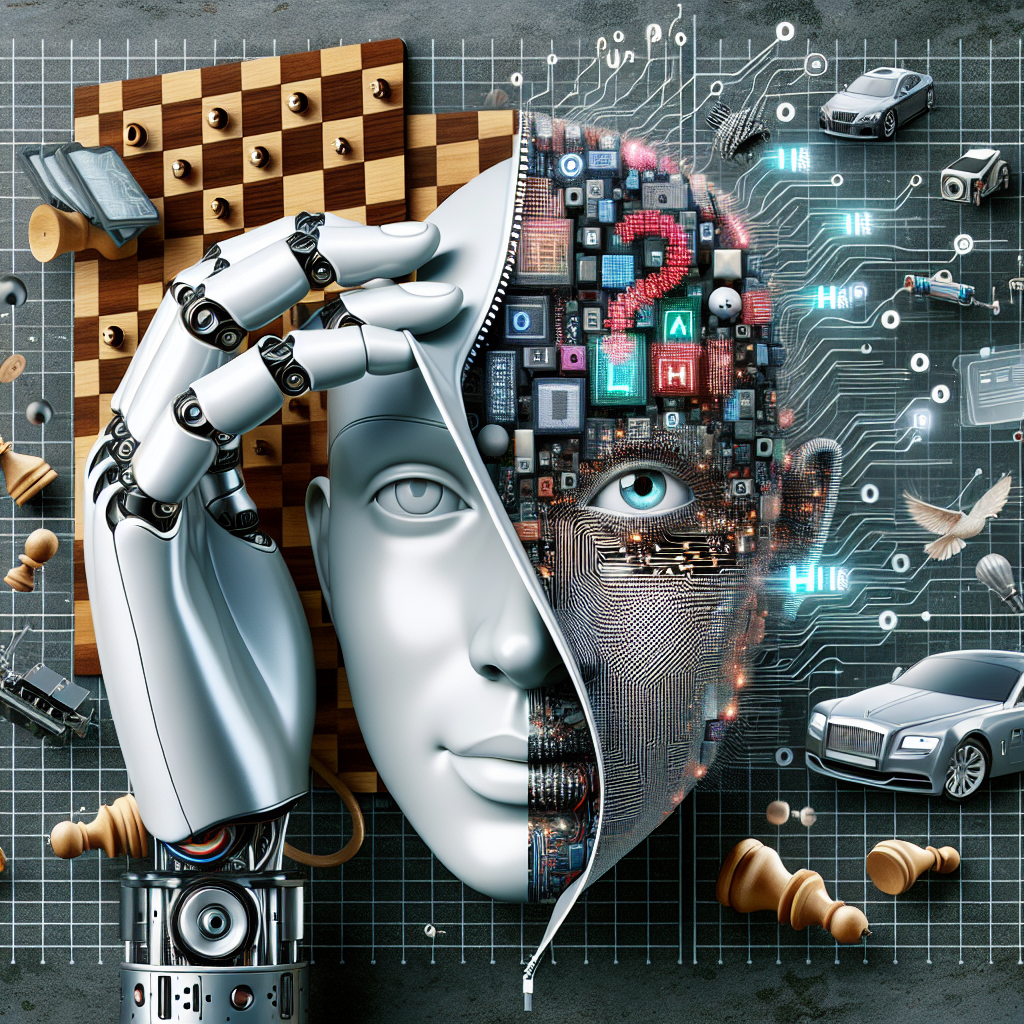
Unmasking AI: What We Really Know About Machine Learning Today
As artificial intelligence (AI) continues to permeate our daily lives, it’s essential to peel back the layers and understand what machine learning (ML) truly entails. This article explores the basic concepts, current capabilities, challenges, and the future of machine learning.
Understanding Machine Learning
Machine learning is a subset of AI that relies on statistical techniques to enable systems to improve with experience. ML involves algorithms that can identify patterns within data, allowing computers to make predictions or decisions without explicit programming.
Key Types of Machine Learning
- Supervised Learning: The model is trained on labeled data, where the outcome is known. Examples include regression and classification tasks.
- Unsupervised Learning: The model works with unlabeled data to discover hidden patterns. Clustering and association are common techniques.
- Reinforcement Learning: The model learns by interacting with an environment, receiving rewards or punishments based on its actions.
Current Capabilities of Machine Learning
Machine learning has made remarkable strides in various fields, showcasing its versatility and potential. Some notable applications include:
1. Image and Speech Recognition
Technologies such as facial recognition software and virtual assistants use ML algorithms to accurately interpret images and spoken language.
2. Natural Language Processing
ML is at the heart of advancements in natural language processing, enabling machines to understand, interpret, and generate human language.
3. Predictive Analytics
From personalizing marketing strategies to predicting patient outcomes in healthcare, ML algorithms analyze large datasets to forecast future trends.
Challenges Facing Machine Learning
Despite its promise, machine learning faces several significant challenges:
1. Data Quality and Quantity
High-quality, well-labeled data is crucial for effective ML outcomes. Inadequate datasets can result in biased models.
2. Algorithmic Bias
Models can inadvertently learn and reflect societal biases present in their training data, leading to unfair or discriminatory outcomes.
3. Interpretability
Many complex ML models operate as “black boxes,” making it difficult for users to understand how they make decisions.
The Future of Machine Learning
The future of machine learning holds immense potential, with advances in areas like:
1. Improved Interpretability
Research is being conducted to enhance the transparency of ML algorithms, aiming to make them more understandable and trustworthy.
2. Generalized AI
Efforts are ongoing to create models that can generalize knowledge across different tasks, resembling human-like learning.
Conclusion
As we continue to explore the vast capabilities of machine learning, understanding its fundamentals, applications, and challenges is crucial for harnessing its potential responsibly. AI is not just a buzzword; it is a transformative technology poised to redefine our future.
For further reading on machine learning, visit OpenAI Research.