


<h2>What is Deep Learning?</h2>
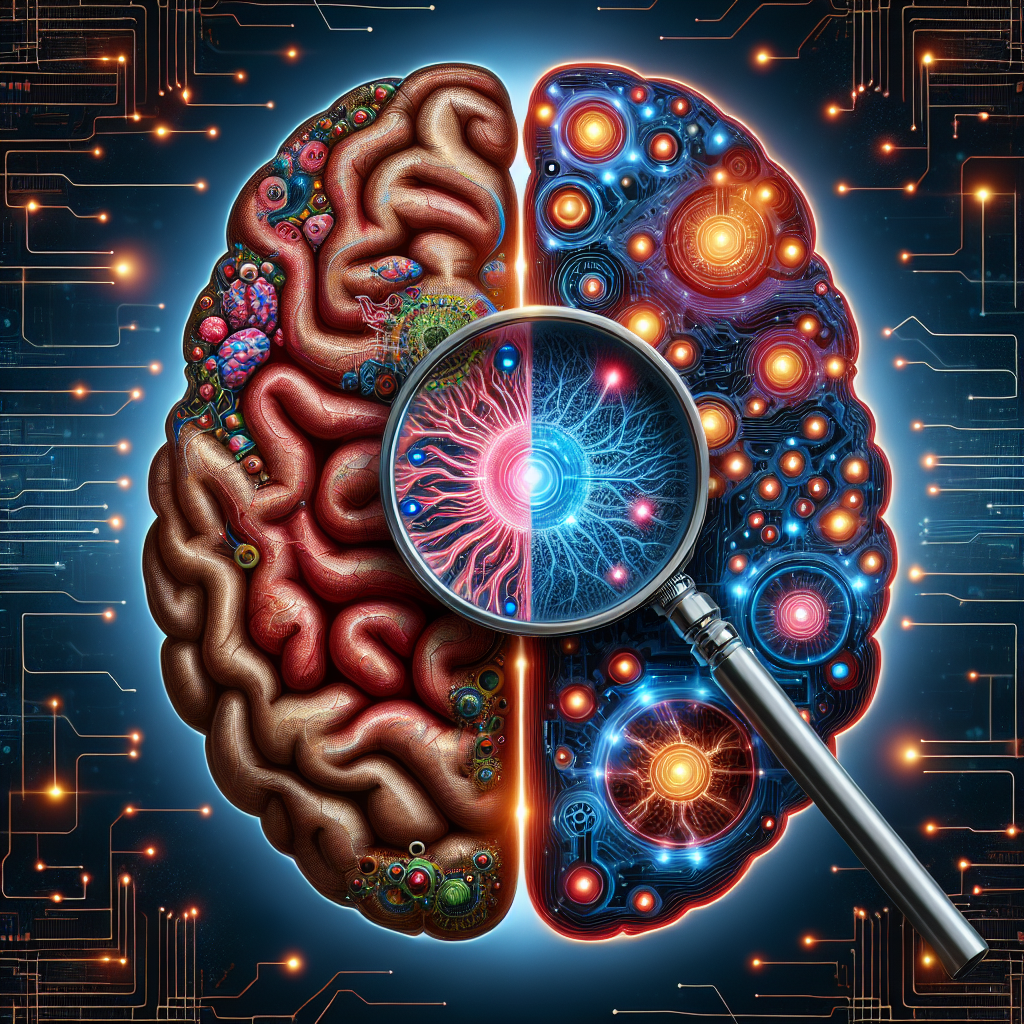
<p>Deep learning mimics the structure and function of the human brain, using a network of algorithms called artificial neural networks. These networks consist of layers of nodes (or neurons) that process data, much like the neural connections in the human brain. By using large amounts of data, deep learning algorithms can learn complex patterns and make predictions.</p>
<h3>Key Components of Deep Learning</h3>
<ul>
    <li><strong>Neural Networks:</strong> The basic architecture used in deep learning, comprising an input layer, one or more hidden layers, and an output layer.</li>
    <li><strong>Activation Functions:</strong> Mathematical functions that determine how a neuron processes its input, adding non-linearity to the model.</li>
    <li><strong>Training:</strong> The process of feeding data into the network and adjusting weights based on errors in predictions.</li>
    <li><strong>Backpropagation:</strong> An algorithm used to minimize error in predictions by adjusting the weights of the neurons.</li>
</ul>
<h2>Applications of Deep Learning</h2>
<p>Deep learning has been successfully applied in various fields, including:</p>
<ul>
    <li><strong>Natural Language Processing:</strong> Enabling machines to understand and generate human language.</li>
    <li><strong>Computer Vision:</strong> Allowing machines to interpret and understand visual data from the world.</li>
    <li><strong>Healthcare:</strong> Assisting in disease diagnosis, drug discovery, and personalized medicine.</li>
    <li><strong>Autonomous Vehicles:</strong> Helping vehicles navigate and understand their surroundings.</li>
</ul>
<h2>Challenges and Future Directions</h2>
<p>Despite its remarkable success, deep learning faces challenges such as:</p>
<ul>
    <li><strong>Data Requirement:</strong> Deep learning models need large datasets for training, which may not always be available.</li>
    <li><strong>Interpretability:</strong> These models are often seen as "black boxes," making it difficult to understand their decision-making process.</li>
    <li><strong>Ethical Concerns:</strong> Issues around bias in training data and the potential for misuse of AI technologies.</li>
</ul>
Looking ahead, researchers are exploring ways to make deep learning more efficient, ethical, and interpretable, paving the way for its continued integration into society.
<h2>Conclusion</h2>
<p>Deep learning stands at the forefront of AI research, empowering machines with the ability to learn and make decisions. As technology continues to evolve, understanding the principles of deep learning will be crucial for both developers and users alike, shaping the future of human-computer interaction.</p>
Stay-tuned with us on our website